Americans cut back on their spending last month as a surge in COVID-19 cases kept people away from stores.
Retail sales fell a seasonal adjusted 1.1% in July from the month before, the U.S. Commerce Department said Tuesday. It was a much larger drop than the 0.3% decline Wall Street analysts had expected.
The report offers the first solid glimpse of how the spread of the delta variant of COVID-19 may have changed the spending habits of Americans. At the end of July, the U.S. Centers for Disease Control and Prevention began recommending that even vaccinated people start wearing masks indoors in public places.
According to Tuesday's report, spending fell at stores that sell clothing, furniture and sporting goods. At restaurant and bars, spending still rose nearly 2%, but the rate of growth has slowed from recent months before the delta variant spread and people were feeling safer about dining without their masks with others.
Economists think Americans are also shifting their spending from goods to services, things like haircuts or vacations, which are not included in Tuesday’s report. And rising prices for everything from food to washing machines may have checked spending.
Major retailers are releasing quarterly financial results this week, offering more insight into behavior during yet another uptick in infections. On Tuesday, Walmart raised its sales outlook for the year, a sign it expects Americans to keep on shopping at the same pace.
But the Commerce Department reported Tuesday that even online sales have begun to slow, falling 3.1% from the month before. Companies have reported a slowdown after astronomical growth last year as people stayed home and shopped more online during the pandemic.
Ebay, for example, said its number of active shoppers slipped 2% to 159 million in its latest quarter. UPS said it's shipping fewer packages in the U.S. And Amazon, the world's largest online retailer, said online sales grew 13% in its most recent quarter, the company’s smallest quarterly online sales growth in two years.
After the 2021 boom, IPO activity slowed down significantly, in part due to monetary policy – but things are getting moving again with tech-friendly companies like Iboutta and Rubrik making a public debut.
With an increasing demand for mental health services, one person wanted to change the therapy game. In 2017, CEO Alex Katz founded Two Chairs, a company that uses technology to match patients with the right therapist.
Not only is April Financial Literacy Month, it’s also the kickoff of the spring homebuying season. So now is the time to make sure you have a financial plan in place – and why it might not be wise for that to include buying your first home.
While the U.S. may slowly be on the path to lowering inflation (and therefore interest rates), Europe has thoroughly trounced America, putting it on the path to lower rates by this summer.
April's release of the monthly Housing Starts and Building Permits reports by the Census Bureau provides crucial insights into the construction activity in the housing market. These reports are an economic indicator, shedding light on the current state of the housing market and its broader economic impact.
Caitlin Clark is heading to the Indiana Fever, the number one draft pick and the highest-scoring college basketball player of all time. And while she may not be getting millions from the WNBA, there's a few ways she'll net compensation for her generational talents.
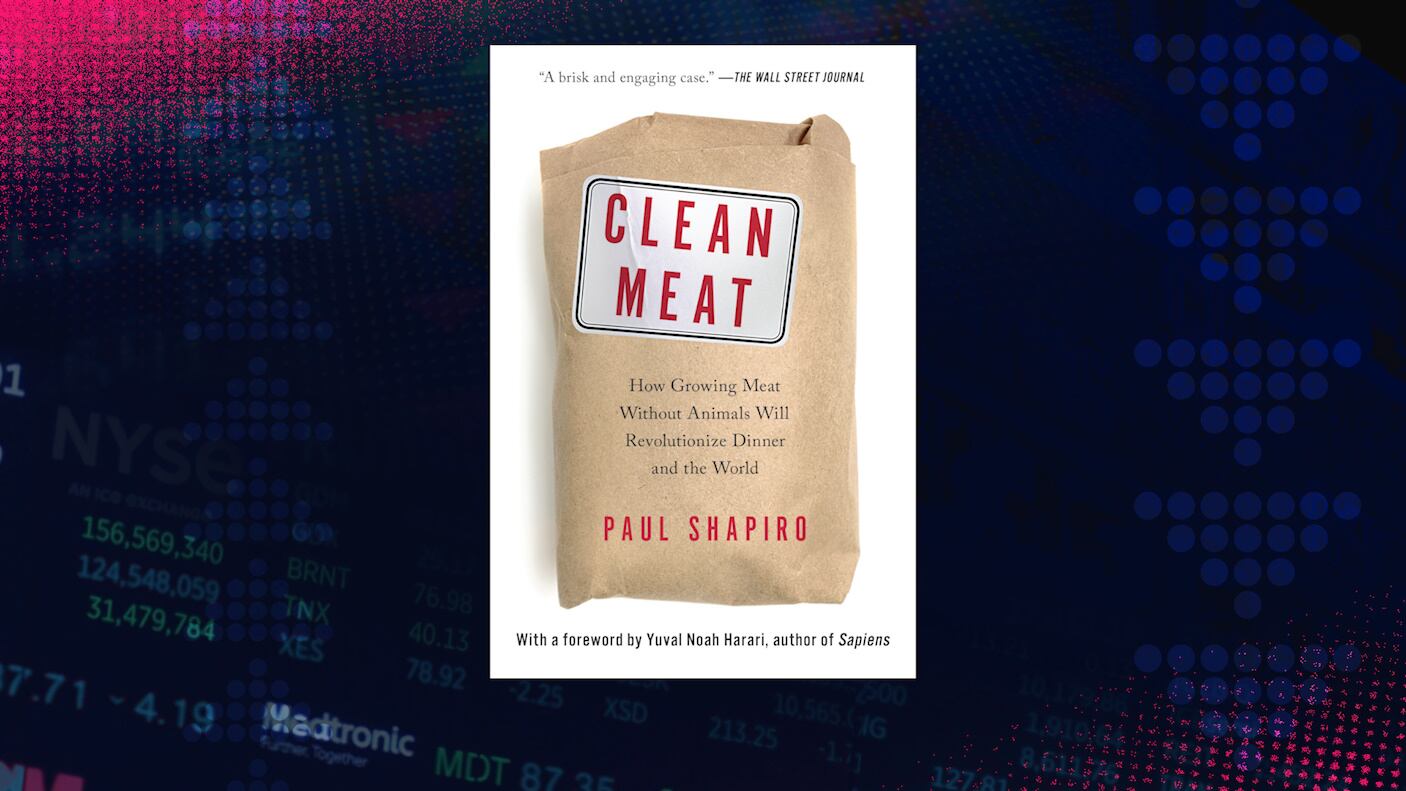
Author of 'Clean Meat,' Paul Shapiro joins Cheddar to discuss how the cellular agricultural revolution helps lower rates of foodborne illness and greatly improves environmental sustainability. Plus, how his company The Better Meat Co. is bringing healthier food options to the table.
Recent headlines might make it sound like World War III is imminent, but when it comes to your finances, it's not the time to panic. The market is coming off its longest winning streak since 2011.
You may have noticed fewer new venture capital-backed startups (like Airbnb or Uber) lately. The market slowed to a crawl after 2021, but things are expected to take off again in 2025.