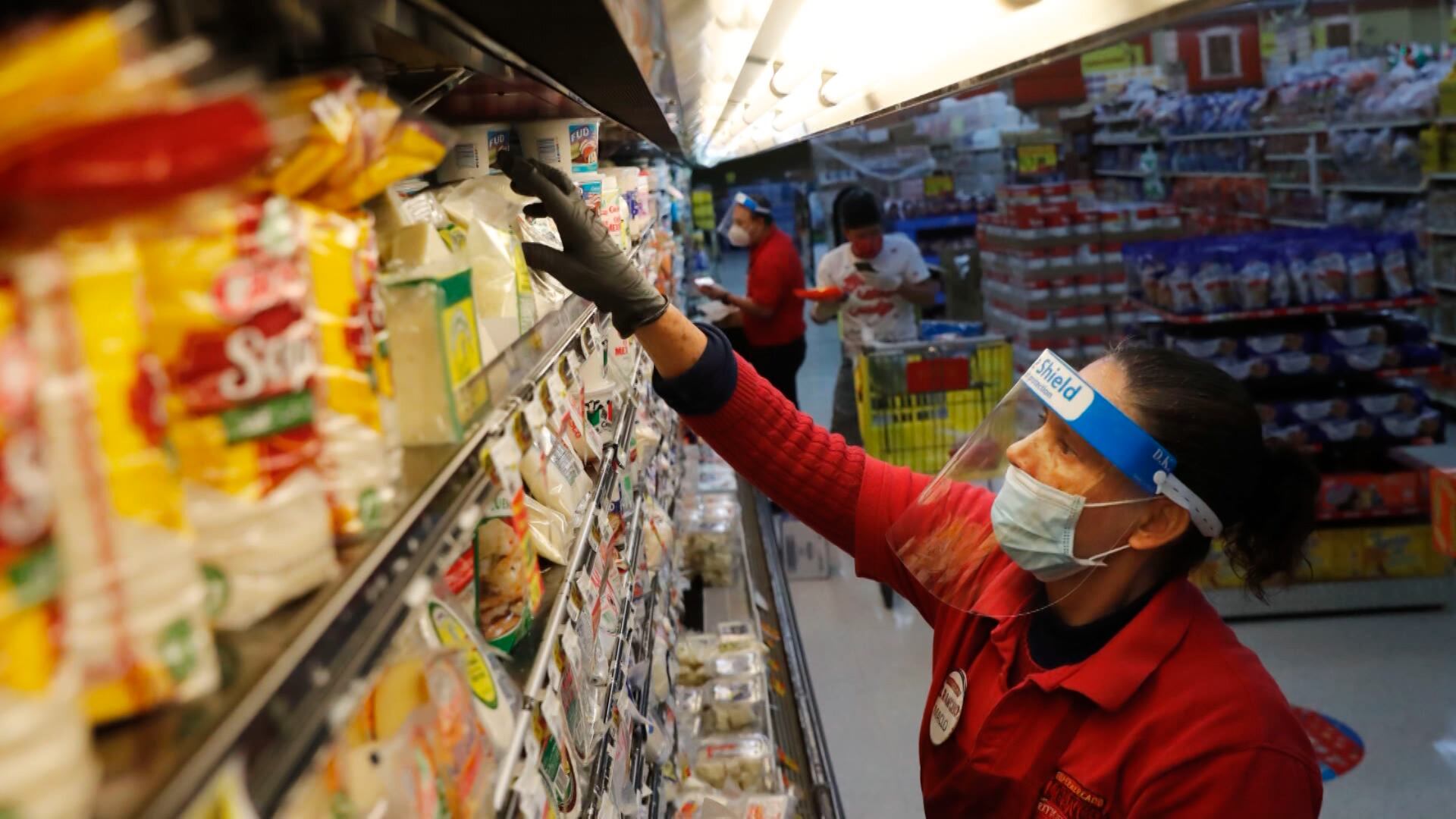
Americans cut back on their spending last month as a surge in COVID-19 cases kept people away from stores.
Retail sales fell a seasonal adjusted 1.1% in July from the month before, the U.S. Commerce Department said Tuesday. It was a much larger drop than the 0.3% decline Wall Street analysts had expected.
The report offers the first solid glimpse of how the spread of the delta variant of COVID-19 may have changed the spending habits of Americans. At the end of July, the U.S. Centers for Disease Control and Prevention began recommending that even vaccinated people start wearing masks indoors in public places.
According to Tuesday's report, spending fell at stores that sell clothing, furniture and sporting goods. At restaurant and bars, spending still rose nearly 2%, but the rate of growth has slowed from recent months before the delta variant spread and people were feeling safer about dining without their masks with others.
Economists think Americans are also shifting their spending from goods to services, things like haircuts or vacations, which are not included in Tuesday’s report. And rising prices for everything from food to washing machines may have checked spending.
Major retailers are releasing quarterly financial results this week, offering more insight into behavior during yet another uptick in infections. On Tuesday, Walmart raised its sales outlook for the year, a sign it expects Americans to keep on shopping at the same pace.
But the Commerce Department reported Tuesday that even online sales have begun to slow, falling 3.1% from the month before. Companies have reported a slowdown after astronomical growth last year as people stayed home and shopped more online during the pandemic.
Ebay, for example, said its number of active shoppers slipped 2% to 159 million in its latest quarter. UPS said it's shipping fewer packages in the U.S. And Amazon, the world's largest online retailer, said online sales grew 13% in its most recent quarter, the company’s smallest quarterly online sales growth in two years.
Stocks closed higher Wednesday, with the Nasdaq making gains for the third day in a row despite this morning's CPI data showing inflation continues to run hot. The report showed that CPI ticked up to 7% in December, and while it was the biggest jump since 1982, the data was broadly in line with Wall Street's expectations. Mark Lehmann, CEO of JMP Securities, a Citizens Company, joins Cheddar News' Closing Bell to discuss today's close, the Fed's proposed monetary tightening, and more.
As more and more consumers are experiencing empty shelves at their grocery stores, Phil Lempert, editor of SupermarketGuru.com, spoke with Cheddar's Ken Buffa to discuss the changes in the supply chain that have trickled down into our grocery stores. "It's really three major factors: number one is climate change, number two is labor, and number three is transportation," he explained. Lempert also called on people to shop with local, independent grocers, calling it "critical to our infrastructure."
CPI rose 7% from a year prior in December, showing that inflation has continued to increase at its fastest pace since June 1982. Consumers are feeling the pressure when it comes to food, apparel, and used car prices, but got some relief in December as energy prices ticked slightly lower month-over-month. How will this ongoing inflation streak impact U.S. monetary policy as the Federal Reserve says it's prepared to implement aggressive tactics like raising interest rates? John Leer, Chief Economist at Morning Consult, joins Cheddar News' Closing Bell to discuss December's CPI data, what it means for consumers, how the Federal Reserve can help limit inflation, and more.
One startup is working to reverse climate change one seed at a time. Terraformation is a global forest accelerator that provides tools, training, financing, and business support to help scale forest restoration projects worldwide. Forests naturally absorb carbon and Terraformation says that reforestation is a safe, low-cost, and scalable solution to the climate crisis. Yee Lee, VP of growth at Terraformation, joins Cheddar Climate to discuss.
Back in February 2021, Twitter announced its three-year plan to double development velocity, to reach 315 million monetizable users, and double its total annual revenue. Chief Customer Officer Sarah Personette, joined Cheddar to discuss where the social media giant stands now a year after the announcement. "The progress against all three of those pillars has been substantial, and we'll continue to drive that over the course of the next year and beyond," she said. Personette also discussed the leadership of Twitter's CEO Parag Agrawal who took over for founder Jack Dorsey late in 2021.
Tony Horton, fitness guru and creator of the famous P90X workout joins Cheddar News to discuss how people can stay focused and maintain fitness in the new year.
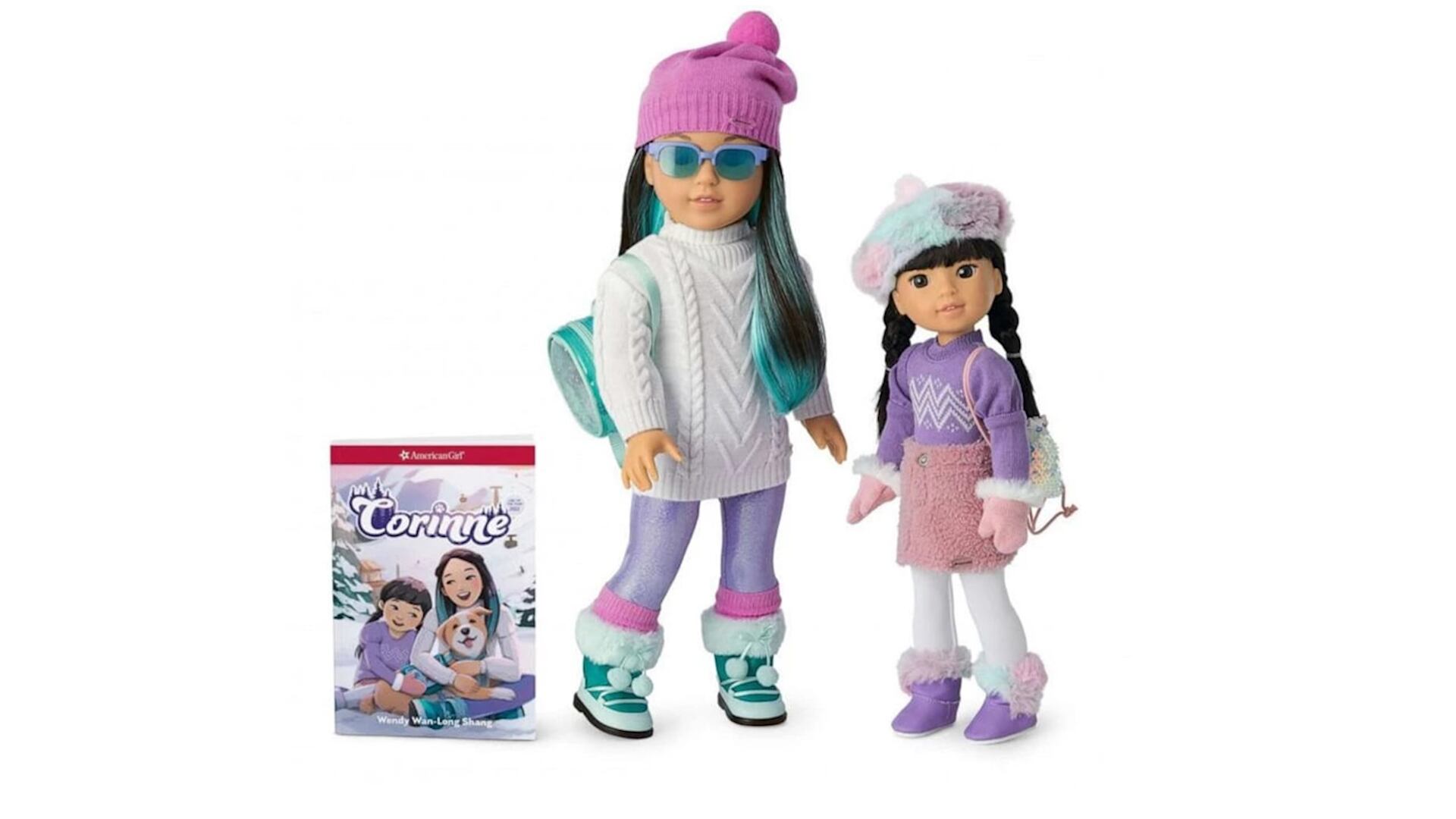
Meet Corrine Tan, American Girl’s 2022 Girl of the Year. Corrine is the first doll of Chinese descent from the company, debuting in response to a rise in hate crimes against the Asian American community. Jamie Cygielman, president and general manager of American Girl, spoke to Cheddar about the long development of the character. "As the pandemic began we started to see a lot of anti-Asian sentiment across the country," she said. "We sort of blended all of these stories together to create Corinne, an outline for Corinne, and then partnered with the wonderful author Wendy Shang to help tell that story to our fans." Cygielman also touched on linking up with AAPI Youth Rising, donating $25,000 for education efforts.