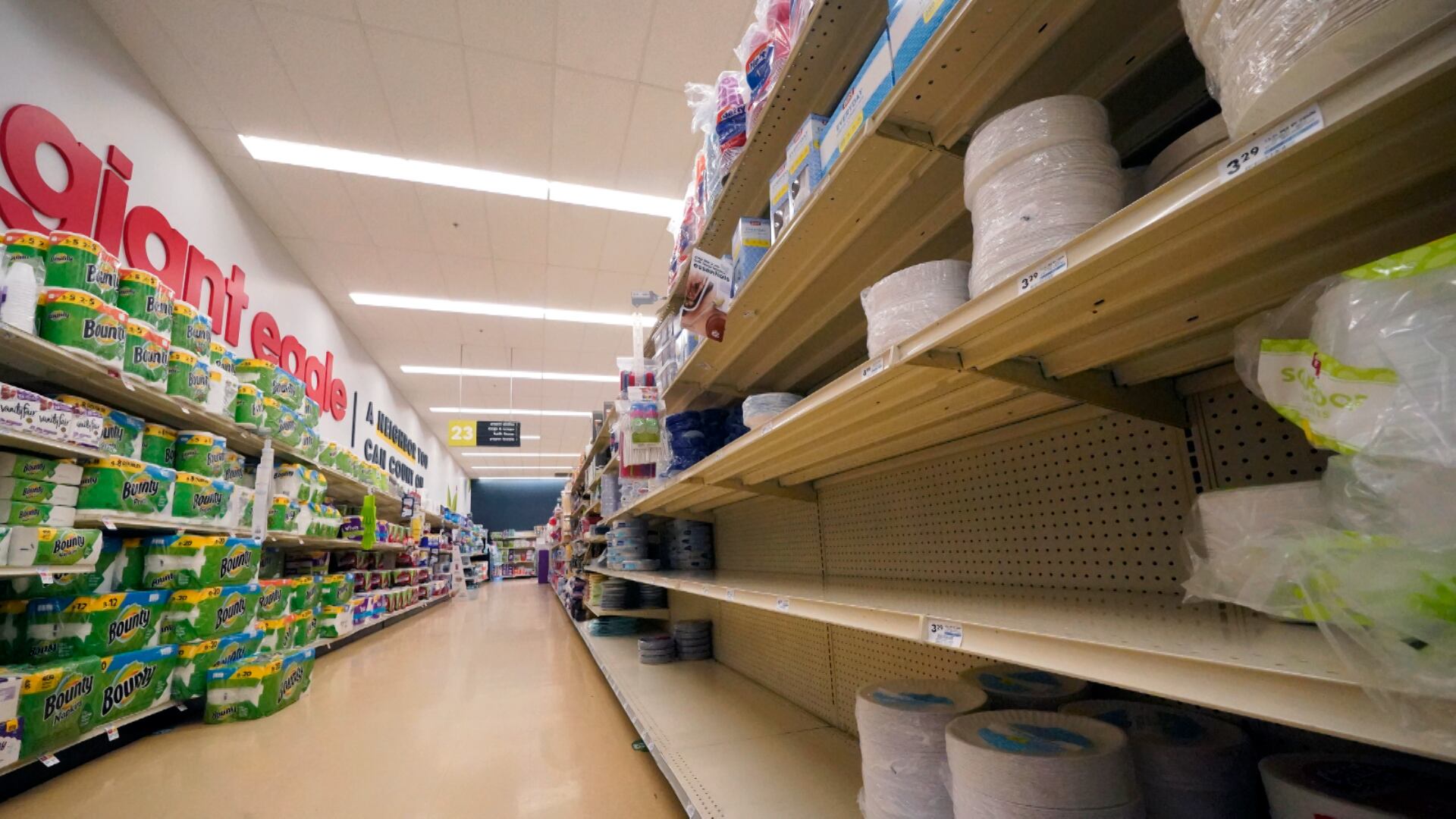
Americans cut back on their spending last month as a surge in COVID-19 cases kept people away from stores.
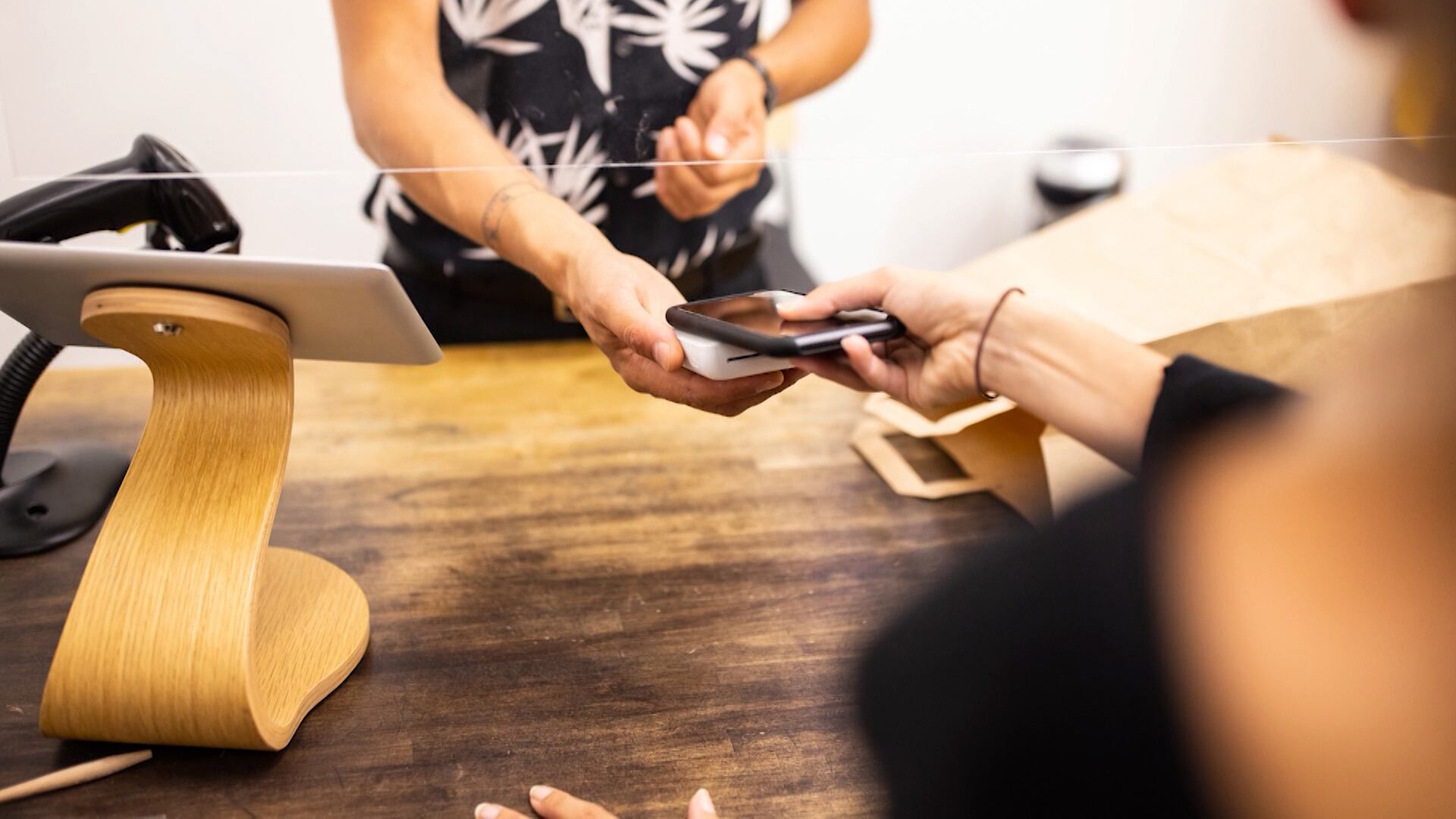
Retail sales fell a seasonal adjusted 1.1% in July from the month before, the U.S. Commerce Department said Tuesday. It was a much larger drop than the 0.3% decline Wall Street analysts had expected.
The report offers the first solid glimpse of how the spread of the delta variant of COVID-19 may have changed the spending habits of Americans. At the end of July, the U.S. Centers for Disease Control and Prevention began recommending that even vaccinated people start wearing masks indoors in public places.
According to Tuesday's report, spending fell at stores that sell clothing, furniture and sporting goods. At restaurant and bars, spending still rose nearly 2%, but the rate of growth has slowed from recent months before the delta variant spread and people were feeling safer about dining without their masks with others.
Economists think Americans are also shifting their spending from goods to services, things like haircuts or vacations, which are not included in Tuesday’s report. And rising prices for everything from food to washing machines may have checked spending.
Major retailers are releasing quarterly financial results this week, offering more insight into behavior during yet another uptick in infections. On Tuesday, Walmart raised its sales outlook for the year, a sign it expects Americans to keep on shopping at the same pace.
But the Commerce Department reported Tuesday that even online sales have begun to slow, falling 3.1% from the month before. Companies have reported a slowdown after astronomical growth last year as people stayed home and shopped more online during the pandemic.
Ebay, for example, said its number of active shoppers slipped 2% to 159 million in its latest quarter. UPS said it's shipping fewer packages in the U.S. And Amazon, the world's largest online retailer, said online sales grew 13% in its most recent quarter, the company’s smallest quarterly online sales growth in two years.
Monster Beverage is charging into the beer and hard seltzer biz with its $330 acquisition of CANarchy Craft Brewery Collective. The energy drink finalized the deal a week after Constellation Brands Inc. made a deal with Coca-Cola to acquire the Fresca brand.
Ford has seen a record 52-week high for its valuation, hitting more than $100 billion for the first time. The rise in its stocks comes amid its push for more electric vehicles, including the highly anticipated F-150 Lightning pickup, coming this spring.
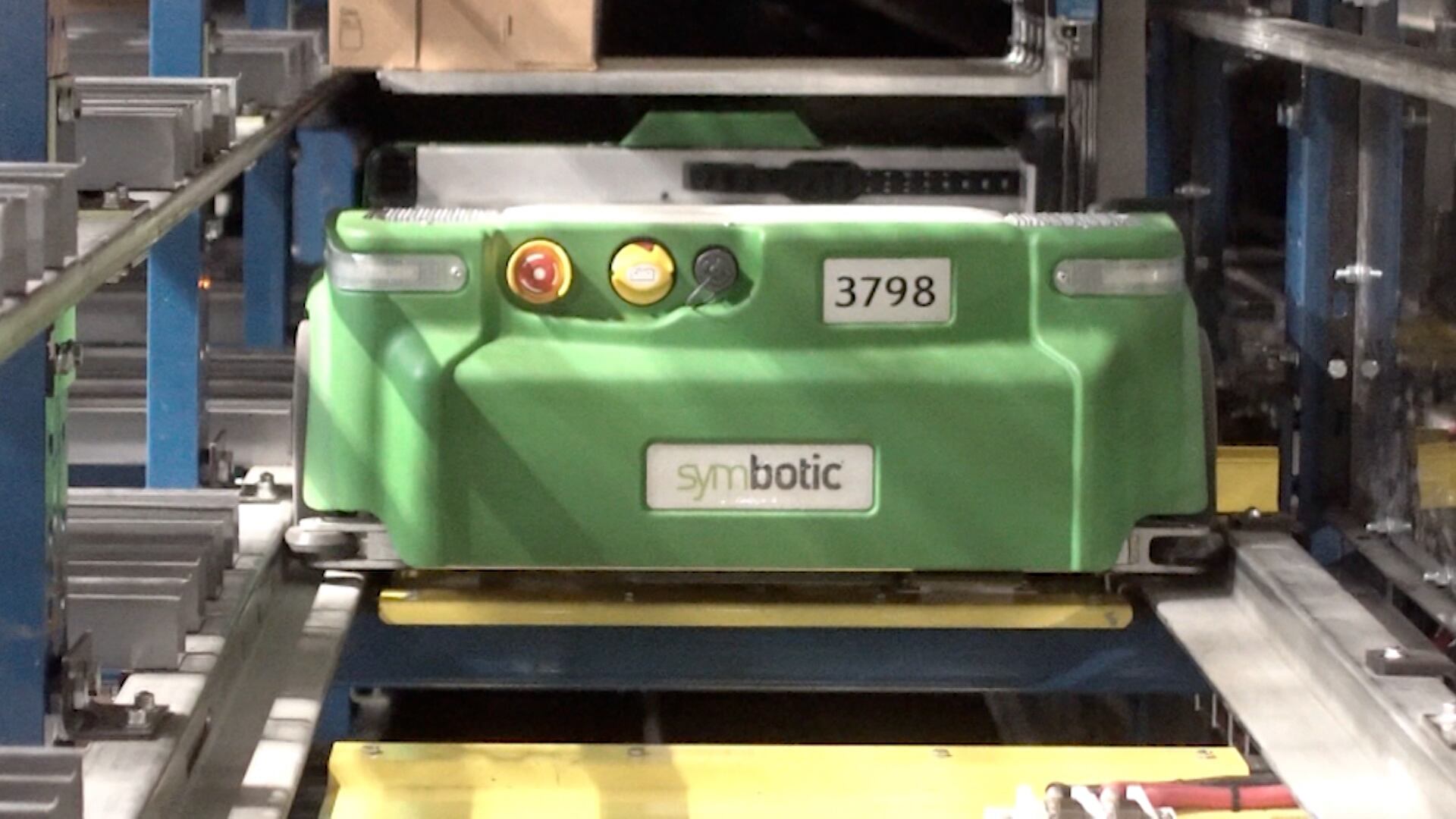
Specializing in AI, robotics, and automation for the global supply chain, Symbotic announced last month it will be tapping the public markets in a SPAC deal with investment giant SoftBank. Symbotic CFO Tom Ernst and Vikas Parekh, a managing partner at SoftBank Investment Advisers spoke with Cheddar about going public and the future of modernizing logistics amid the constrained supply networks. "The supply chain is fundamentally broken," said Ernst. "By employing the best in modern technology for autonomous vehicles and artificial intelligence, we're able to fundamentally rethink the way in which you receive and store and sort goods, making for a dramatically more efficient supply chain."
JP Morgan Chase beat Q4 earnings estimates, largely attributed to credit card borrowers and corporations. Meanwhile, Wells Fargo also reported strong quarterly earnings and saw a 15 percent growth in its shares for the year.
Taiwan Semiconductor Manufacturing Company (TSMC), the largest supplier of semiconductors, doubled its Q4 revenue forecast and announced a $44 billion investment for expanded chip manufacturing in 2022. Caleb Silver, Editor in Chief at Investopedia, joined Cheddar to discuss the future for the global tech giant. "It has the money. It has the equity. It has the dominance over the market, so not a surprise at all, and it's taking charge as we head into this sort of next phase of advanced chipmaking," Silver said.
Grocery stores are restricting hours and services due to omicron-related labor and supply chain issues. This also comes at a time of labor unrest for supermarket giant Kroger as more than 8,000 workers at its King Soopers chain in Colorado have gone on strike.
Michael Hershfield, Founder & CEO of Accrue Savings, joined Wake Up With Cheddar to discuss the company's new round of funding, and its core mission of rewarding consumers for saving rather than taking on more debt with buy now, pay later options.
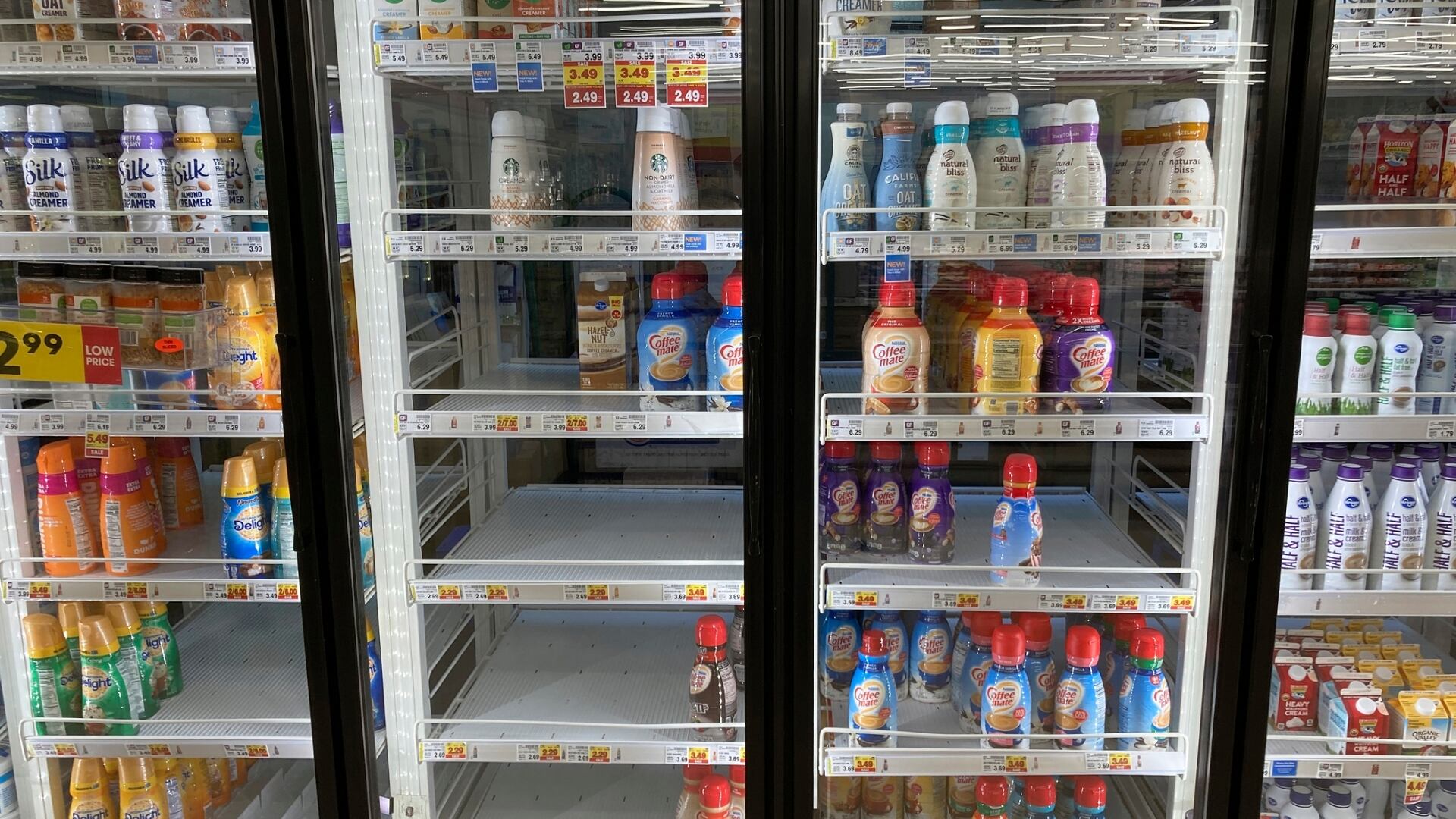
Ellen Davis, Executive VP of Industry Engagement at the Consumer Brands Association, joined Wake Up With Cheddar to break down what consumers need to know about how the pandemic and supply chain constraints are affecting the availability of everyday items.
Michele Schneider, Partner and Director of Trading Research & Education for MarketGauge, discusses the major headwinds facing the markets and highlight which areas within tech are seeing the most growth.
Markets opened higher on the first trading day of the new year as investors continue to watch inflation and the rapid spread of the omicron variant in the U.S. Frances Newton Stacy, Optimal Capital Dir. of Strategy/Market Analyst joined Cheddar's Opening Bell to discuss.