Americans cut back on their spending last month as a surge in COVID-19 cases kept people away from stores.
Retail sales fell a seasonal adjusted 1.1% in July from the month before, the U.S. Commerce Department said Tuesday. It was a much larger drop than the 0.3% decline Wall Street analysts had expected.
The report offers the first solid glimpse of how the spread of the delta variant of COVID-19 may have changed the spending habits of Americans. At the end of July, the U.S. Centers for Disease Control and Prevention began recommending that even vaccinated people start wearing masks indoors in public places.
According to Tuesday's report, spending fell at stores that sell clothing, furniture and sporting goods. At restaurant and bars, spending still rose nearly 2%, but the rate of growth has slowed from recent months before the delta variant spread and people were feeling safer about dining without their masks with others.
Economists think Americans are also shifting their spending from goods to services, things like haircuts or vacations, which are not included in Tuesday’s report. And rising prices for everything from food to washing machines may have checked spending.
Major retailers are releasing quarterly financial results this week, offering more insight into behavior during yet another uptick in infections. On Tuesday, Walmart raised its sales outlook for the year, a sign it expects Americans to keep on shopping at the same pace.
But the Commerce Department reported Tuesday that even online sales have begun to slow, falling 3.1% from the month before. Companies have reported a slowdown after astronomical growth last year as people stayed home and shopped more online during the pandemic.
Ebay, for example, said its number of active shoppers slipped 2% to 159 million in its latest quarter. UPS said it's shipping fewer packages in the U.S. And Amazon, the world's largest online retailer, said online sales grew 13% in its most recent quarter, the company’s smallest quarterly online sales growth in two years.
Thomas Hayes, Chairman at Great Hill Capital, joined Wake Up With Cheddar to break down what to look for on the economic front in the coming months amid an Omicron surge and planned interest rate hikes.
Stocks closed lower Tuesday with investors initiating a broad sell-off, leading the Dow to have its worst day of 2022 so far as it had its biggest decline since November. Investors are eyeing treasury yields, which have surged to pre-pandemic highs, as well as looking ahead to the Federal Reserve's path forward when it comes to raising interest rates. Meanwhile, as earnings season kicks off, Goldman Sachs shares are under pressure after a lackluster earnings report. Goldman is weighing on bank stocks as a whole. Jeff Buchbinder, Equity Strategist for LPL Financial, joins Cheddar News' Closing Bell to discuss today's close, why treasury yields are ticking higher toward pre-pandemic levels, big bank earnings reports, and more.
Mike McGlone, Senior Commodity Strategist at Bloomberg Intelligence, joins Cheddar News' Closing Bell, where he says he believes we'll eventually see Bitcoin reach the $100,000 mark despite its recent struggles, and explains why Bitcoin will be less volatile than the Nasdaq.
Food waste is a major contributor to greenhouse gas emissions in the United States. Strella Biotechnology is trying to solve the problem by introducing new technology to a business that's been around for generations -- farming. The 24-year-old CEO created hi-tech sensors that interpret the shelf life of produce and alert farmers when fruits and vegetables are ready to be sent to supermarkets. The company says the process can help farmers make money, reduce food waste and increase the quality of produce. Strella Biotechnology's co-founder and CEO Katherine Sizov and co-founder and COO Jay Jordan joined Cheddar Climate to discuss.
Adele Shraiman, Campaign Representative for the Sierra Club’s Fossil Free Finance Campaign, joins Cheddar Climate, where she explains how Wall Street and climate change are related. She also elaborates on how decisions made by financial institutions are actually hurting the ability to reduce carbon emissions.
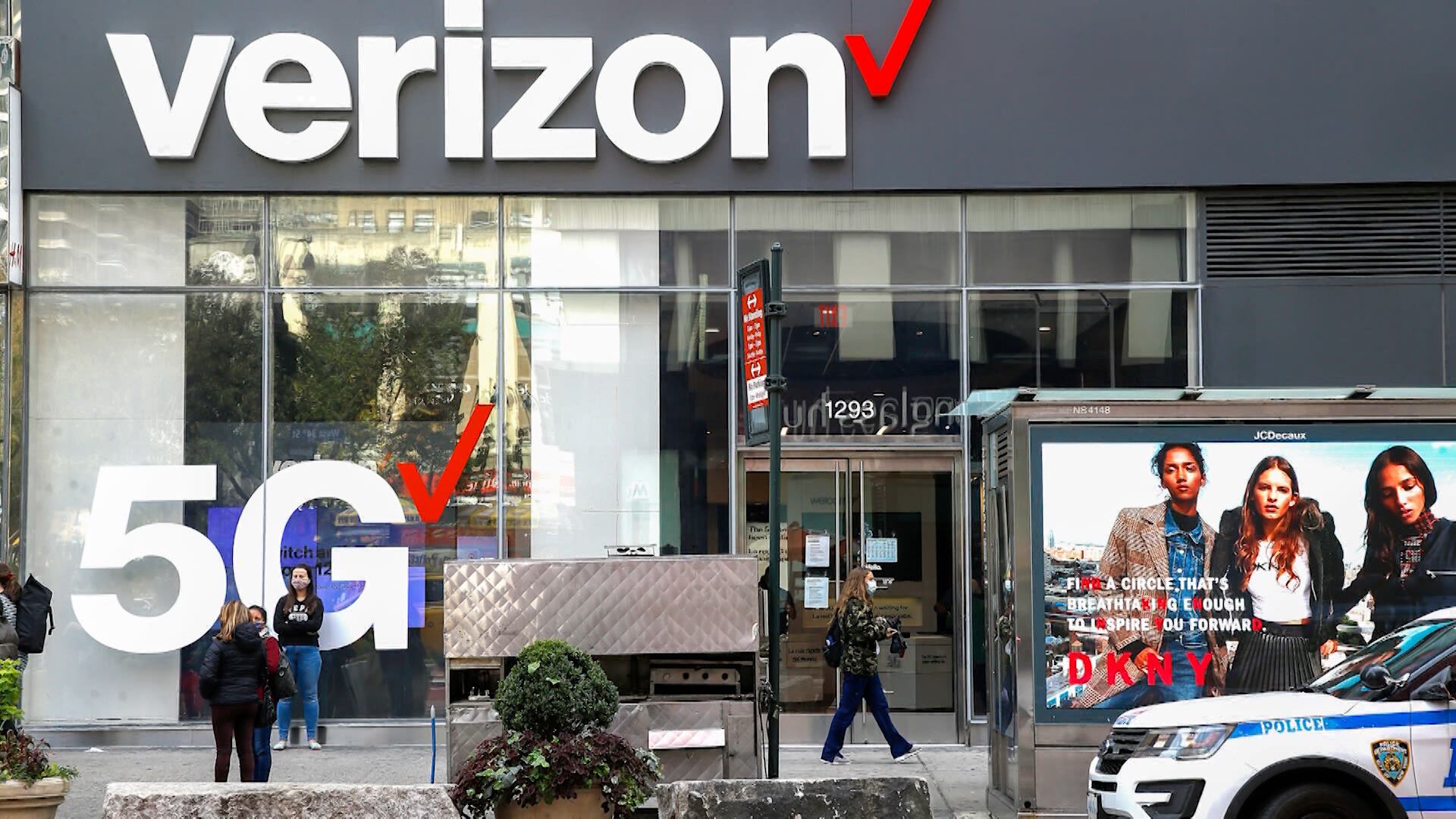
Hugh Odom, founder and president of Vertical Consultants, shared his expertise on telecommunications with Cheddar on the safety issue raised about 5G deployment by airlines. The installation was partially delayed again on Tuesday as the airlines warned of potentially catastrophic delays in a letter to the Biden administration. Later, both Verizon and AT&T relented and put a pause on some of the implementations. "The first thing the Biden administration needs to do is get everybody in the room and say, look, aviation industry, identify the problem — wireless industry, come up with a solution," said Odom.