Americans cut back on their spending last month as a surge in COVID-19 cases kept people away from stores.
Retail sales fell a seasonal adjusted 1.1% in July from the month before, the U.S. Commerce Department said Tuesday. It was a much larger drop than the 0.3% decline Wall Street analysts had expected.
The report offers the first solid glimpse of how the spread of the delta variant of COVID-19 may have changed the spending habits of Americans. At the end of July, the U.S. Centers for Disease Control and Prevention began recommending that even vaccinated people start wearing masks indoors in public places.
According to Tuesday's report, spending fell at stores that sell clothing, furniture and sporting goods. At restaurant and bars, spending still rose nearly 2%, but the rate of growth has slowed from recent months before the delta variant spread and people were feeling safer about dining without their masks with others.
Economists think Americans are also shifting their spending from goods to services, things like haircuts or vacations, which are not included in Tuesday’s report. And rising prices for everything from food to washing machines may have checked spending.
Major retailers are releasing quarterly financial results this week, offering more insight into behavior during yet another uptick in infections. On Tuesday, Walmart raised its sales outlook for the year, a sign it expects Americans to keep on shopping at the same pace.
But the Commerce Department reported Tuesday that even online sales have begun to slow, falling 3.1% from the month before. Companies have reported a slowdown after astronomical growth last year as people stayed home and shopped more online during the pandemic.
Ebay, for example, said its number of active shoppers slipped 2% to 159 million in its latest quarter. UPS said it's shipping fewer packages in the U.S. And Amazon, the world's largest online retailer, said online sales grew 13% in its most recent quarter, the company’s smallest quarterly online sales growth in two years.
Stocks closed at session highs on the last trading day of the month, but the major indexes still ended up posting their worst months since the start of the pandemic. The S&P 500 and the Nasdaq both had their worst months since March 2020. Nancy Daoud, Private Wealth Advisor at Ameriprise Financial Services, joins Closing Bell to discuss today's close, her market predictions for the year, how the Federal Reserve's monetary policy will impact stocks, and more.
Rene Ritchie, independent tech analyst and co-founder of the Nebula Podcast, joins Cheddar News' Closing Bell, where he breaks down what investors will be looking for from Mark Zuckerberg this week and how the tech giants stack up when it comes to augmented reality and virtual reality products going forward.
According to multiple reports, President Biden's upcoming executive order for the crypto marke would assign some government entities to study cryptocurrencies, stablecoins and NFT's with the goal of developing a workable regulatory framework. Douglas Borthwick, Chief Business Officer at INX, joins Cheddar News' Closing Bell, where he elaborates on what role the Biden administration would play under this order.
Nutritional supplement beverage company Athletic Greens has achieved unicorn status. The company announced a new $115 million funding round, bringing its valuation to $1.2 billion. The company's flagship product AG1 combines 75 different vitamins, minerals, and other nutrients into one daily serving. Athletic Greens says it is poised to reach the millions of consumers who are currently driving the health and wellness market's exponential growth. Athletic Greens founder and CEO Chris Ashenden joins Cheddar News' Closing Bell to discuss.
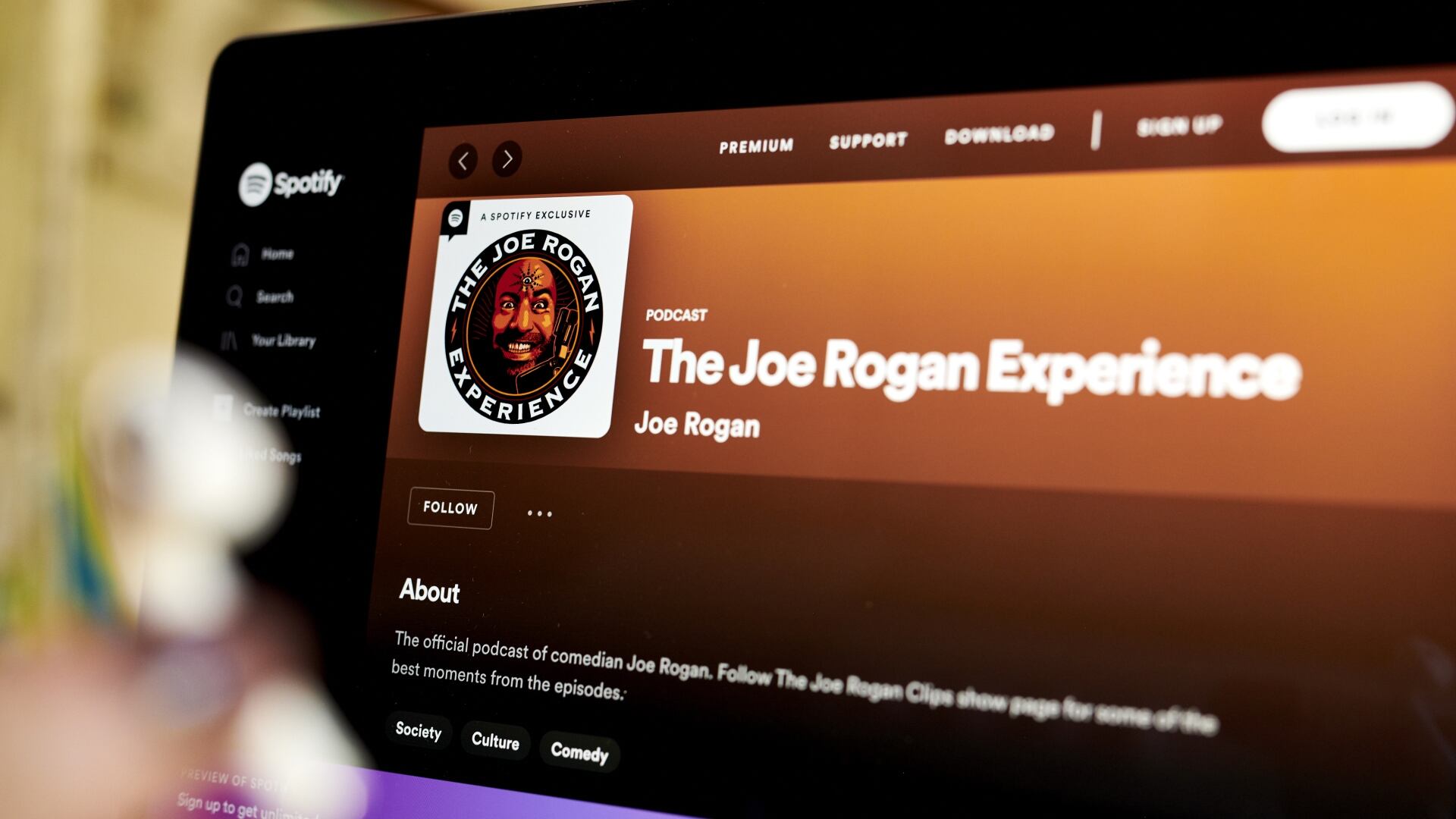
Is Spotify a platform for content creators, or is it a media company? The streaming giant may have to find an answer sooner rather than later amid a controversy involving its most popular podcast host, Joe Rogan. Rogan has hosted guests who have made false claims about COVID-19 vaccines, and in turn, some musicians like Neil Young and Joni Mitchell have removed their discographies from Spotify in protest. Rogan says he welcomes content advisories, and will balance out his guests going forward, but is it enough? And is Spotify liable in any way? John Freeman, Vice President of CFRA Research, joins Closing Bell to discuss Rogan's response to the controversy, whether Spotify should be considered a media company with responsibility for its content, and more.
Michael Mitchell, senior director of brand at Mailchimp, joins Cheddar News to discuss the launch of Bloom Season and what every BIPOC entrepreneur needs to know to succeed.