Americans cut back on their spending last month as a surge in COVID-19 cases kept people away from stores.
Retail sales fell a seasonal adjusted 1.1% in July from the month before, the U.S. Commerce Department said Tuesday. It was a much larger drop than the 0.3% decline Wall Street analysts had expected.
The report offers the first solid glimpse of how the spread of the delta variant of COVID-19 may have changed the spending habits of Americans. At the end of July, the U.S. Centers for Disease Control and Prevention began recommending that even vaccinated people start wearing masks indoors in public places.
According to Tuesday's report, spending fell at stores that sell clothing, furniture and sporting goods. At restaurant and bars, spending still rose nearly 2%, but the rate of growth has slowed from recent months before the delta variant spread and people were feeling safer about dining without their masks with others.
Economists think Americans are also shifting their spending from goods to services, things like haircuts or vacations, which are not included in Tuesday’s report. And rising prices for everything from food to washing machines may have checked spending.
Major retailers are releasing quarterly financial results this week, offering more insight into behavior during yet another uptick in infections. On Tuesday, Walmart raised its sales outlook for the year, a sign it expects Americans to keep on shopping at the same pace.
But the Commerce Department reported Tuesday that even online sales have begun to slow, falling 3.1% from the month before. Companies have reported a slowdown after astronomical growth last year as people stayed home and shopped more online during the pandemic.
Ebay, for example, said its number of active shoppers slipped 2% to 159 million in its latest quarter. UPS said it's shipping fewer packages in the U.S. And Amazon, the world's largest online retailer, said online sales grew 13% in its most recent quarter, the company’s smallest quarterly online sales growth in two years.
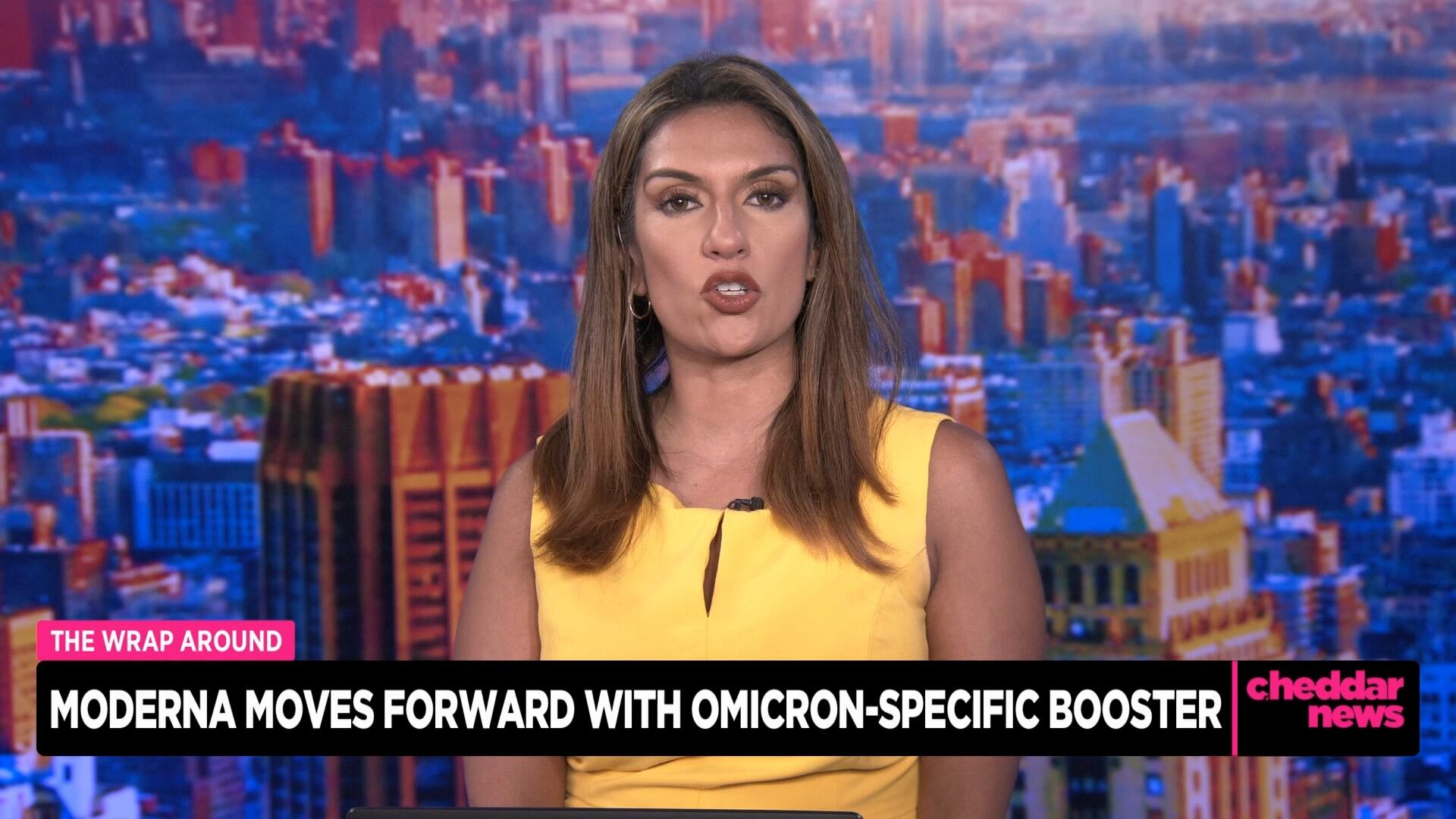
Catching you up on the stories you need to know this morning, mass shooting victims testify on Capitol Hill, the White House outlines its plan to vaccinate kids younger than five years old, and we break down how to protect yourself from monkeypox.
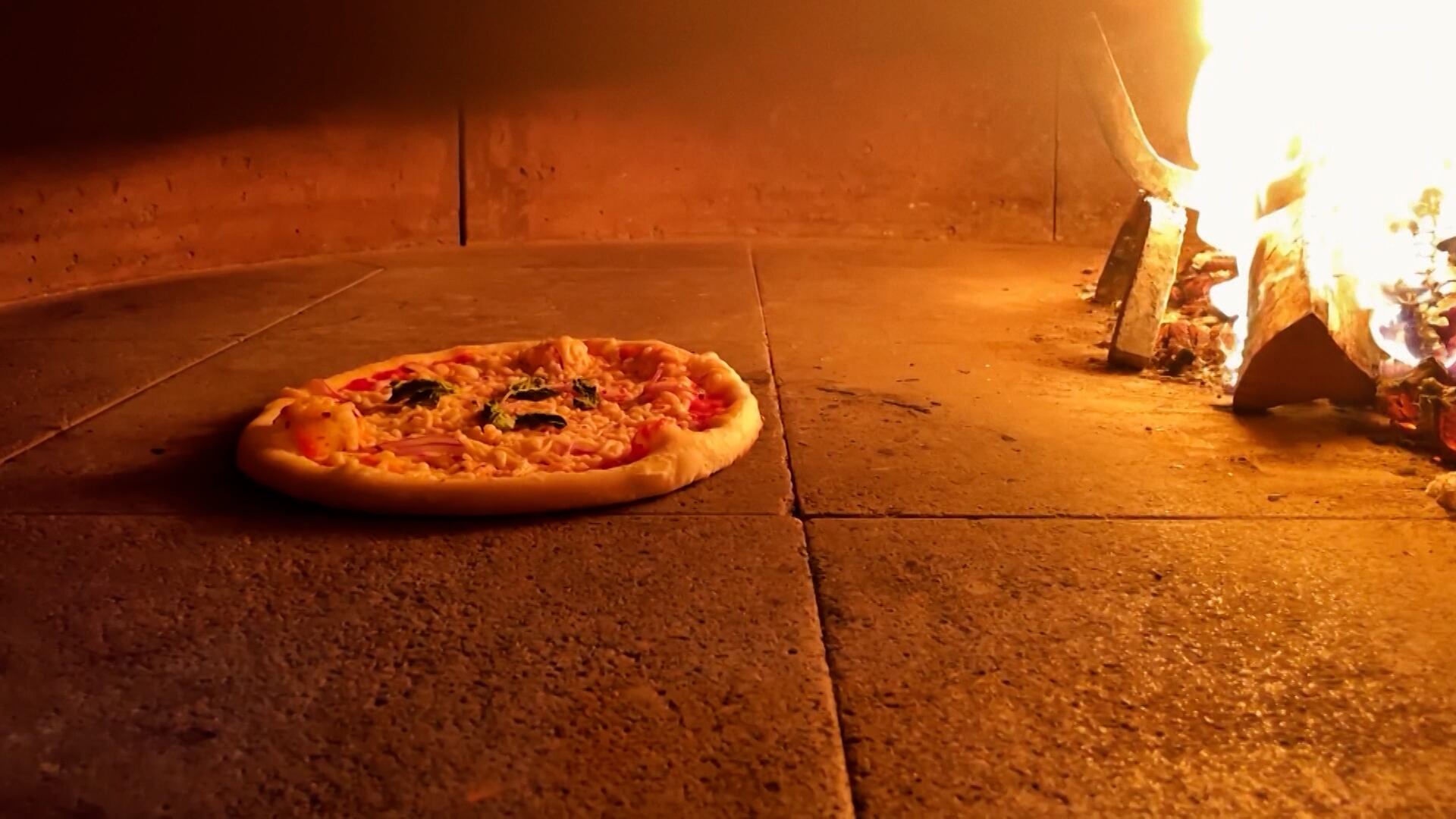
There are now over 1,000 plant-based restaurants in the U.S. It's clear that people are hungry for vegan alternatives at restaurants nationwide. However, when it comes to pizza, vegan options don't have the best reputation. NUMU Food Group is looking to change that with its brand new vegan mozzarella. Mike Pytlinski, CEO of NUMU Food Group, joins Cheddar News to discuss.
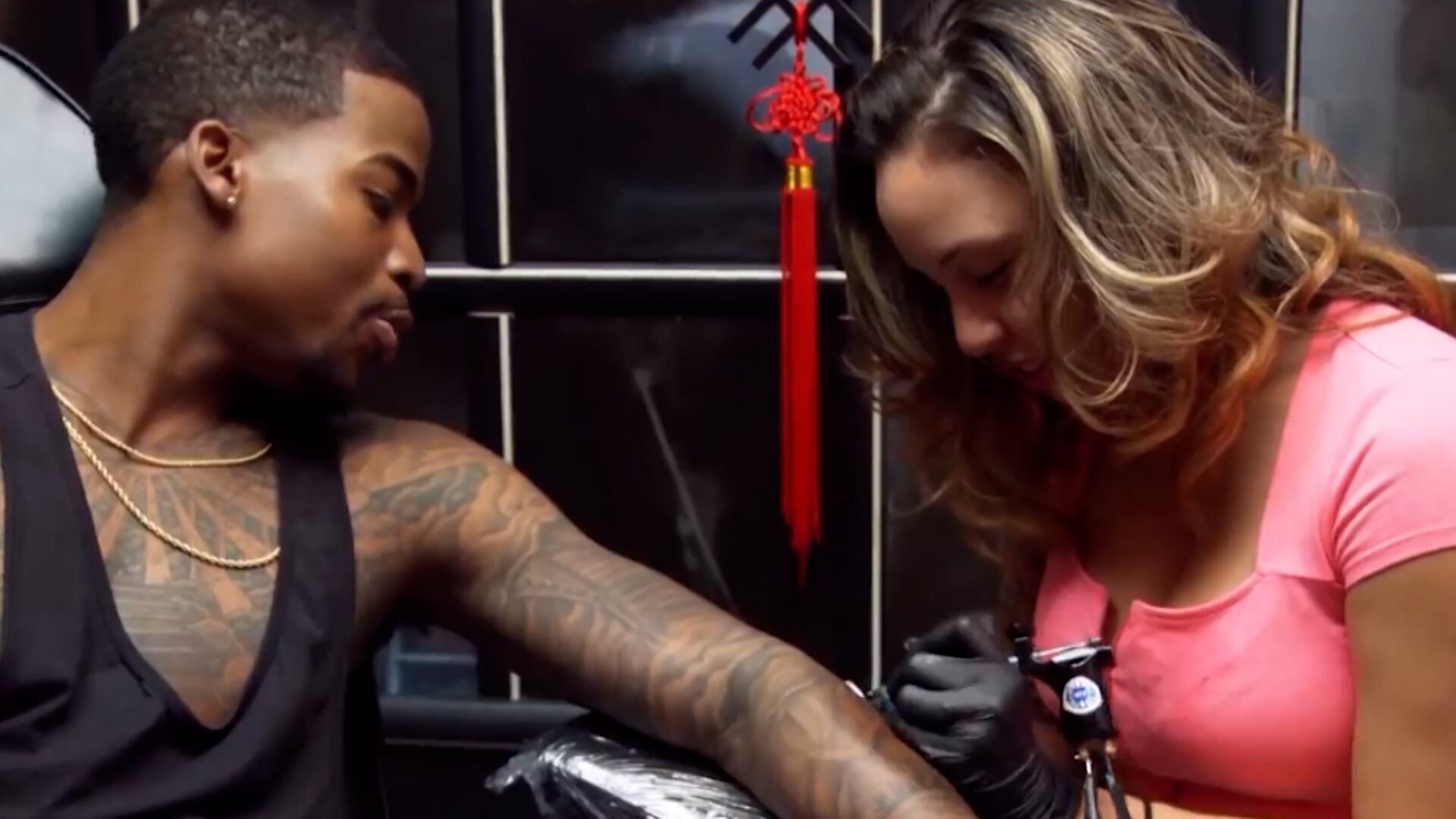
Tattoo artist Katrina "Kat Tat" Jackson, famous for starring in the VH1 hit series "Black Ink Crew: Chicago," is also the first Black woman to own a tattoo shop in Beverly Hills. She joined Cheddar News to discuss her trailblazing work, the stigma BIPOC tattoo artists face in the industry, and the way the space has changed for artists of color since her start. "In the beginning, I remember walking into a tattoo shop just like, hey, I wanna learn, I wanna be a tattoo artist and kind of just being laughed at, not taken seriously," she said. "Even with the tattoo conventions, a lot of African American tattoo artists were almost scared to go to conventions because it's not a welcoming environment."
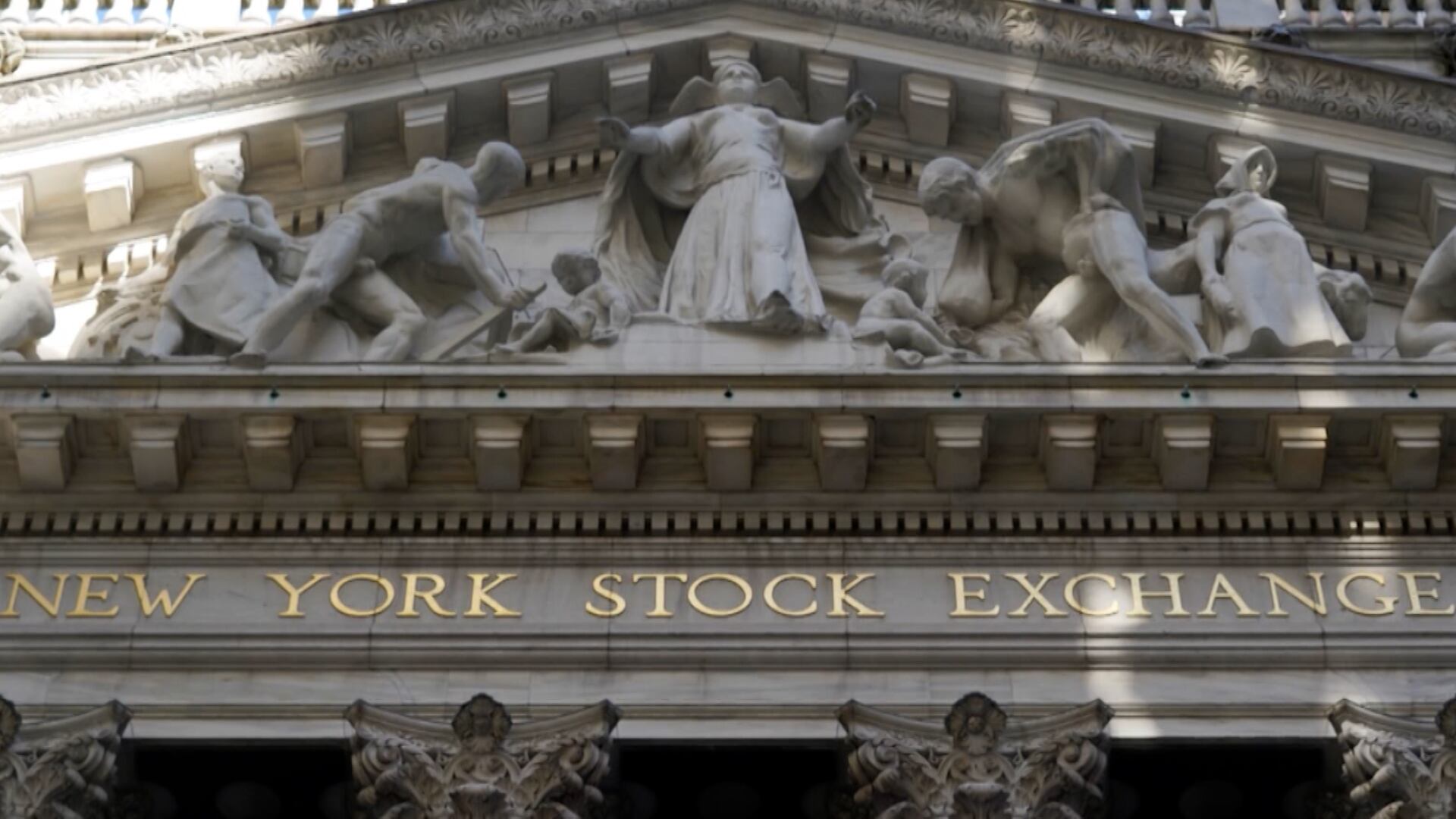
Jack Miller, Head of Trading at Baird, joined Closing Bell to break down how the Securities and Exchange Commission's proposals would change the landscape for individual investors, as they face stiff opposition from brokerages like Robinhood.
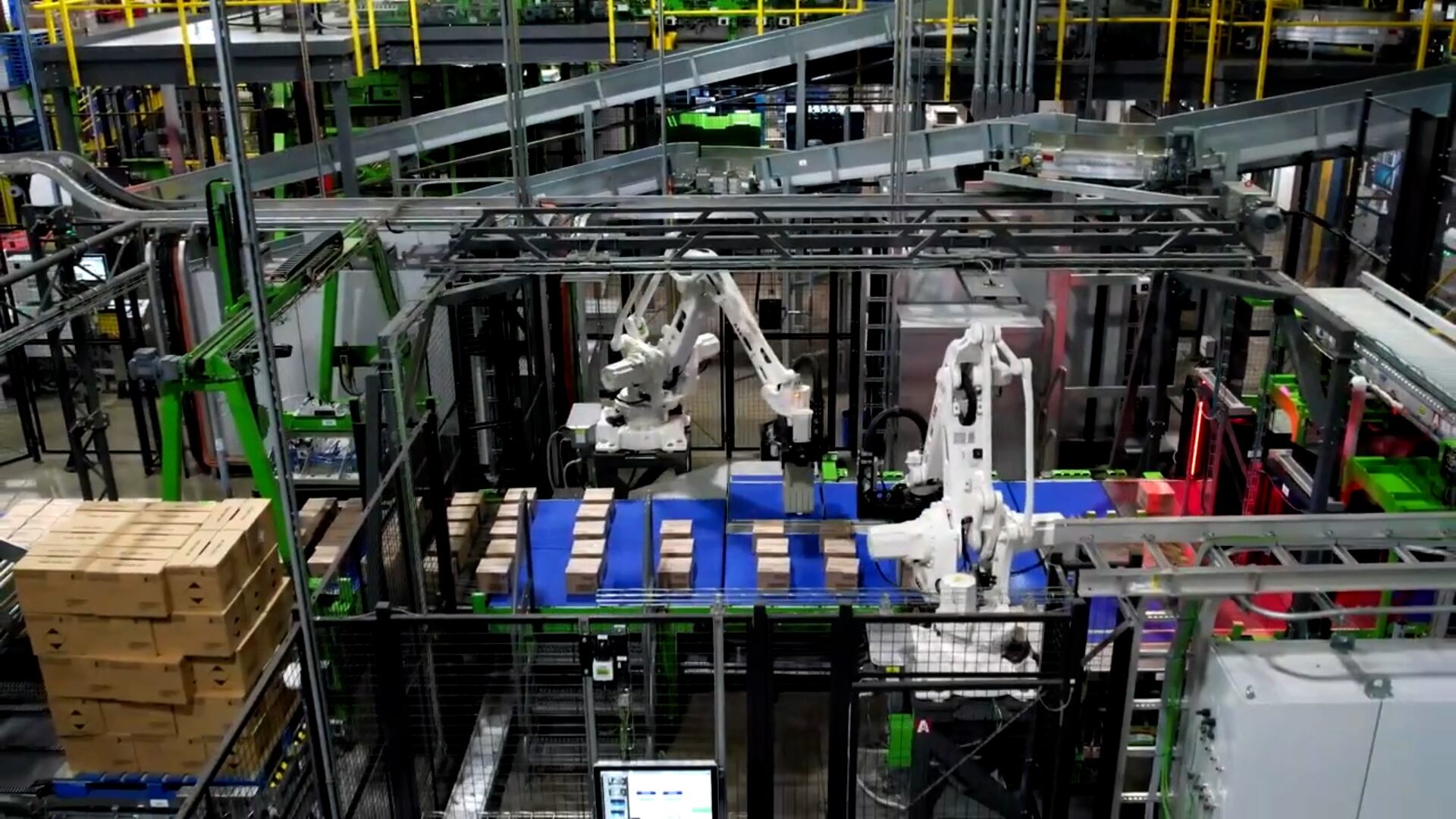
Robotics automation technology company Symbotic made its market debut on the Nasdaq via a SPAC merger with SVF Investment Corp. 3, a special purpose acquisition company sponsored by an affiliate of SoftBank Investment Advisers. Symbotic rang the Opening Bell at the Nasdaq to celebrate the occasion this morning. Its debut on Wall Street comes amid an urgent need for logistics solutions, as it aims to reimagine supply chains with its A.I.-powered robotic and software platform. Tom Earnst, CFO of Symbotic, and Vikas Parekh, managing partner at Softbank Investment Advisors, join Cheddar News' Closing Bell to discuss.
Michelle Castillo joined Closing Bell to break down Elon Musk's announcement to SpaceX employees that the Starlink internet business might not see itself as an IPO until 2025, Twitter planning to hand over the user data he requested as a condition of the acquisition, and Warren Buffet-backed Chinese EV company BYD stating it will be supplying batteries to Tesla "very soon."