Americans are opening their wallets to celebrate romance — and a lot of them are looking for experiences.
According to the National Retail Federation, people are expected to spend $23.9 billion this Valentine's Day. While candy, greeting cards, and flowers make the top three most popular gifts, experiences are growing in popularity. This year, 31 percent of respondents said they plan on gifting an activity, whether that's dinner out or tickets to see a show. It's up from just 24 percent in 2021.
"We've had a rough two years," said Junior's Restaurant owner Alan Rosen. "People are itching to get out, enjoy themselves. They want experiences. They want to go to famous restaurants. They want to go to places and travel, and, of course, have some great cheesecake with their loved ones."
The diner chain, famous for its cheesecake, is celebrating the holiday by offering vow renewals and weddings at its flagship location in Brooklyn, N.Y. Rosen even got ordained in order to facilitate the ceremonies. Three lucky couples who had Junior's-related love stories were gifted a New York City honeymoon, where they received tickets to a Broadway show, a hotel stay in the Big Apple, and other treats including Junior's cheesecake for life.
"Just in this recent weekend with the mask mandate being lifted, I think people felt a little bit overjoyed," Rosen said about business bounding back. "Obviously, Valentine's Day is a great time to celebrate."
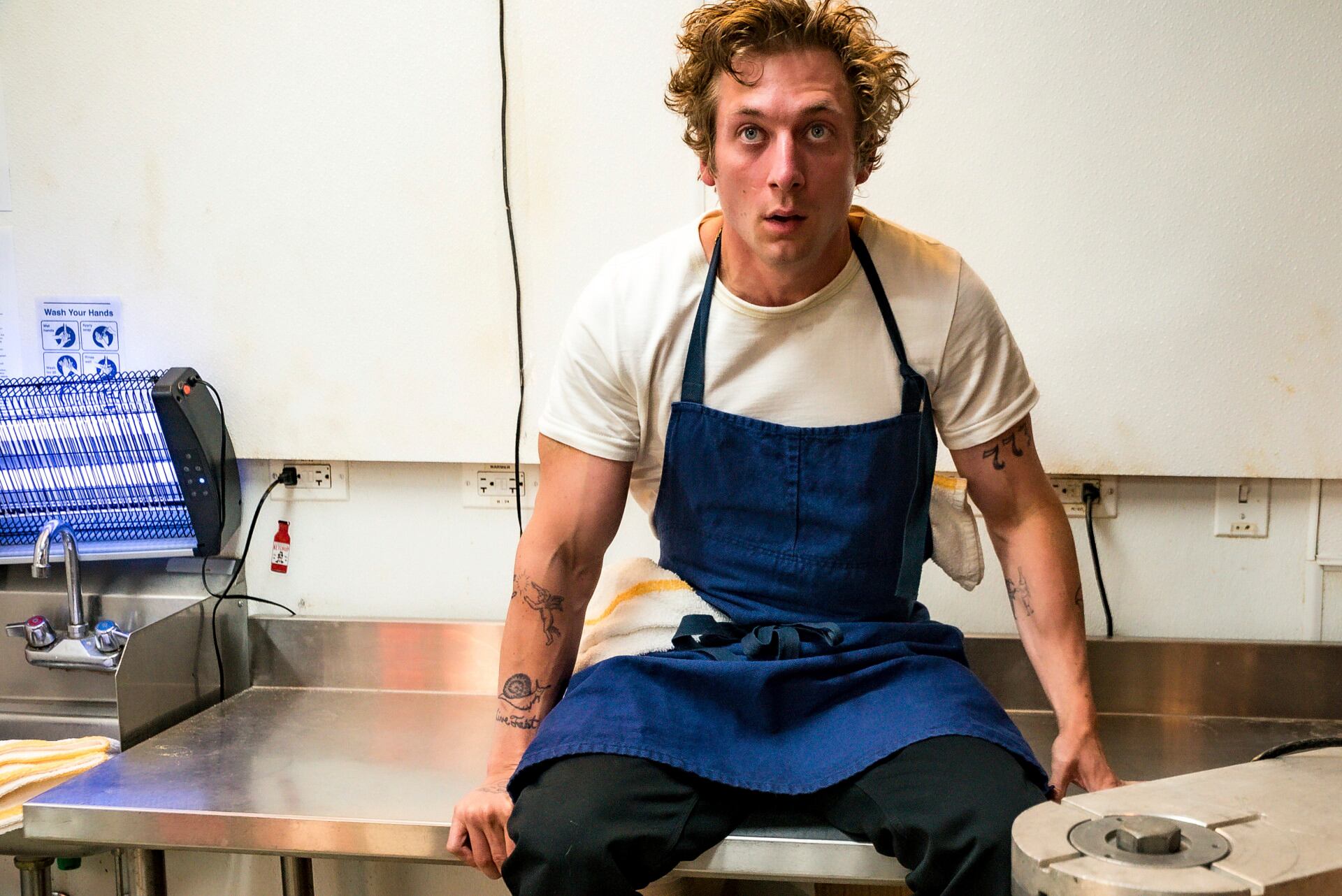
Did you happen to watch the series The Bear? The show follows a struggling small business owner in Chicago who is trying to save his business. It's a story a lot of small business owners in the U.S. can relate to. To help out these struggling entrepreneurs, Cheddar News brought on an expert here to help take your company from stressful to successful.
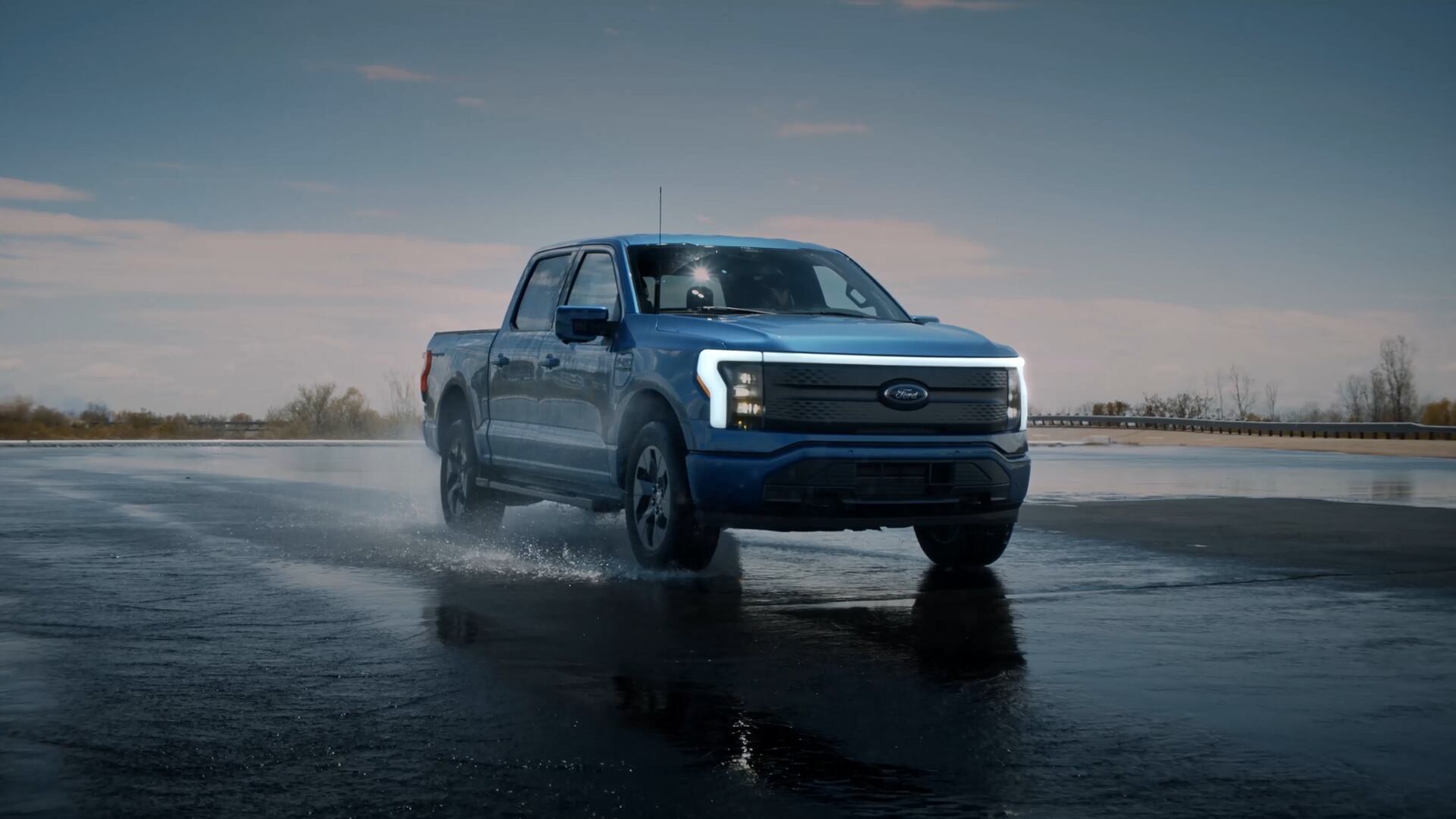
The sticker prices for Ford's F-150 Lightning electric pickup trucks are being lowered by thousands of dollars across the board, the company said Monday, due to increased plant capacity, falling costs for battery raw materials and internal efforts to scale production by the Detroit automaker.
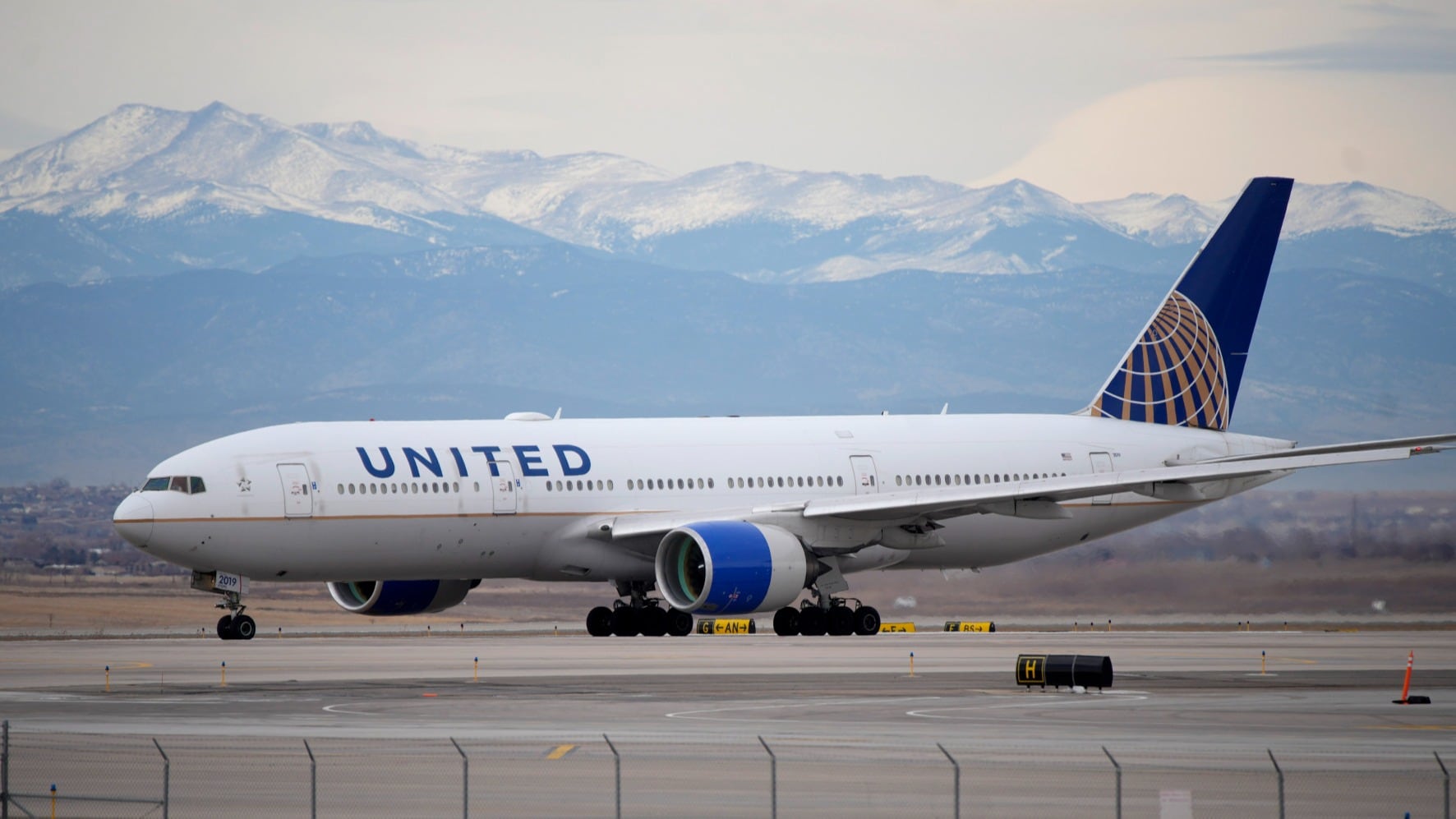
United Airlines and the union representing its pilots said Saturday they reached agreement on a contract that will raise pilot pay by up to 40% over four years.
The court’s ruling applies to higher education institutions and other entities that receive federal funding and doesn’t directly change private employer obligations, but business leaders might pull back diversity, equity and inclusion programs to avoid lawsuits.
The Week's Top Stories is a guided tour through the biggest market stories of the week, from winning stocks to brutal dips to the facts and forecasts generating buzz on Wall Street. Up this week: Meta, Disney & Microsoft-Activision Blizzard.