For 139 Years, the American Red Cross has been a helping hand during uncertain times and 2020 has been no exception. Recently the organization has had its hands full, offering relief from natural disasters like wildfires in California and Hurricane Laura, amid the coronavirus pandemic.
"My heart goes out to the people that have been experiencing these back-to-back-to-back disasters," said Gail McGovern, president and CEO of The American Red Cross. "Within the last 30 days we had the derecho in the Midwest, we had wildfires in California, and now, of course, we're dealing with Hurricane Laura."
Hurricane Laura left significant devastation in its path, affecting about 700,000 homes. "It's either they're out of power or the sewage system isn't working. or the water isn't working," said McGovern. "It's very, very difficult out there."
The organization has been distributing about 45,000 meals per day throughout this hurricane relief effort.
While it is not uncommon for the Red Cross to juggle multiple disaster response efforts simultaneously, 2020 has brought the additional challenge of helping large numbers of people with COVID-19 still spreading."We're still delivering our mission despite the pandemic," said McGovern.
In addition to staff members, the aid organization relies heavily on volunteers. "I have to say that I am so proud of our volunteers because they are coming out in the same numbers that they had been pre-COVID, which is remarkable," said McGovern. "These people are humanitarians: they see a need and they just have to jump in and fill it." She noted they could still use more volunteers and there are opportunities for people to volunteer virtually.
"We're still fulfilling our mission, but the way we are doing it is completely different. Wherever possible we are trying to put people in hotels, and we're doing that so that they can social distance so that we're not in large congregate shelters where the disease can spread," said McGovern. "If we have to open up a shelter we're trying to open up multiple shelters so there are fewer people in each."
People using the shelters receive health screenings when they enter and are required to wear masks. Inside, cots are socially distanced and hand sanitizer is readily available, she added. The organization has been able to secure a large number of hotel rooms, though, so people have a safe place to go where they are not surrounded by crowds.
Donations are still needed, however. "We think Hurricane Laura is going to probably cost about $20 million dollars and so far only $2.1 million has come through the door. Any gift would be deeply, deeply appreciated regardless of the size," she noted. Donations can be made at Redcross.org.
"It's a different world and yet we're still out there helping people to the best of our ability."
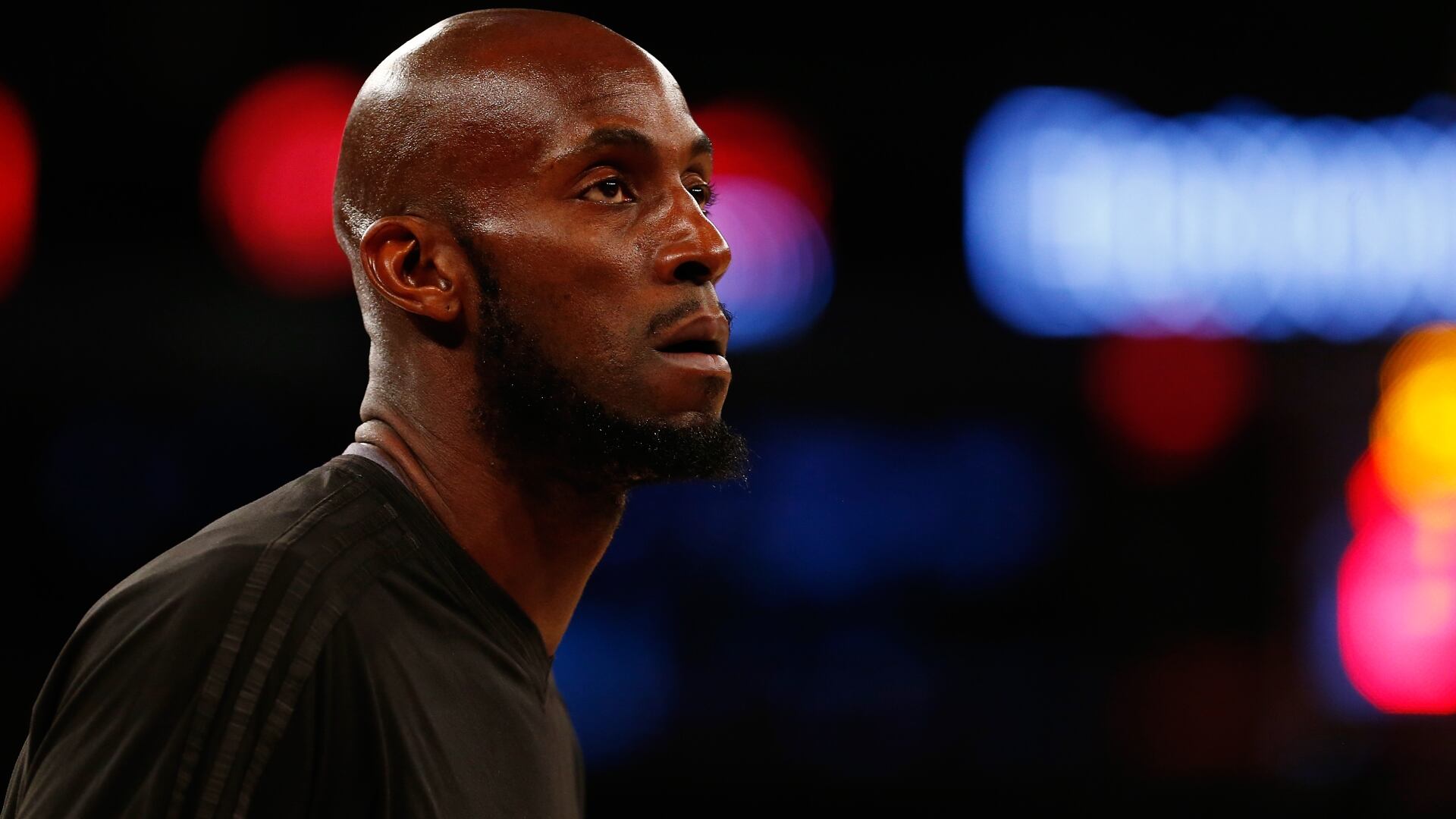
"Anything Is Possible," a documentary about NBA superstar Kevin Garnett recounting his career from being drafted out of high school to a championship with the Boston Celtics, is set to premiere on Showtime. Executive producer Marc Levin and co-directors Daniel Levin and Eric Newman joined Cheddar to provide some background on the project and discuss Garnett's legacy. With KG considered a pioneer for modern NBA draftees straight out of high school (the fifth pick in 1995), the filmmakers also discussed the possibility of the league reversing course on its current rule that requires a player to be at least 19-years-old and a year removed from high school to play.
Brian D. Avery, managing member at Event Safety Services joins Cheddar News to discuss how preventable the recent crowd surge at Travis Scott's Astroworld was.
Former NBA star, commentator, and entrepreneur Baron Davis and Deluxe Corporation Chief Brand Officer Amanda Brinkman, joined Cheddar to discuss Season 6 of the reality show "Small Business Revolution," premiering Tuesday. The season will focus on helping six Black-owned businesses in the Twin Cities, Minneapolis and St. Paul. Davis noted learning about the lack of resources, connections, and opportunities for Black business owners during the show. "There are so many things we need to do as a society to address racial injustice and inequity, however, one of the ways for it is economic empowerment," Brinkman added.
Cryptocurrencies are getting off to a good week. Ethereum surged more than 4% in 24 hours on Monday, hitting a new all-time high above $4,700. Meanwhile, Bitcoin surged 7% to a price of $66,250. Haohan Xu, founder and CEO of Apifiny, joins Cheddar News with thoughts on the growing sector.
Two days after a deadly tragedy claimed the lives of at least eight Astroworld concertgoers and injured several others, the first lawsuit was filed against rapper Travis Scott. Criminal defense attorney Karen Felecia Nance joins Cheddar News to break down the incident.
The latest Marvel movie hit theaters with one of the biggest opening weekends of the year. 'Eternals' opened over the weekend with an estimated $71 million, the fourth-best domestic debut this year. Erik Davis, managing editor at Fandango, joins Cheddar News to talk about the state of box office sales.
Lydia McMullen-Laird and Samuel McMullen, co-founders of Live Zero Waste, join 'Cheddar Reveals' to discuss the sum of humanity's 'trash addiction' and lifestyle changes people can make to help reduce their individual trash output.
On this episode of 'Cheddar Reveals', Lydia McMullen-Laird and Samuel McMullen, co-founders of Live Zero Waste, discuss the sum of humanity's 'trash addiction' and lifestyle changes people can make to help reduce their individual trash output; Ryan Lupberger, Sustainability Pioneer and CEO of Cleancult, breaks down how Cleancult is redefining cleaning products and solutions to reduce their impact on the planet; Cheddar gets a look at Curiosity Stream's 'Going Circular.'
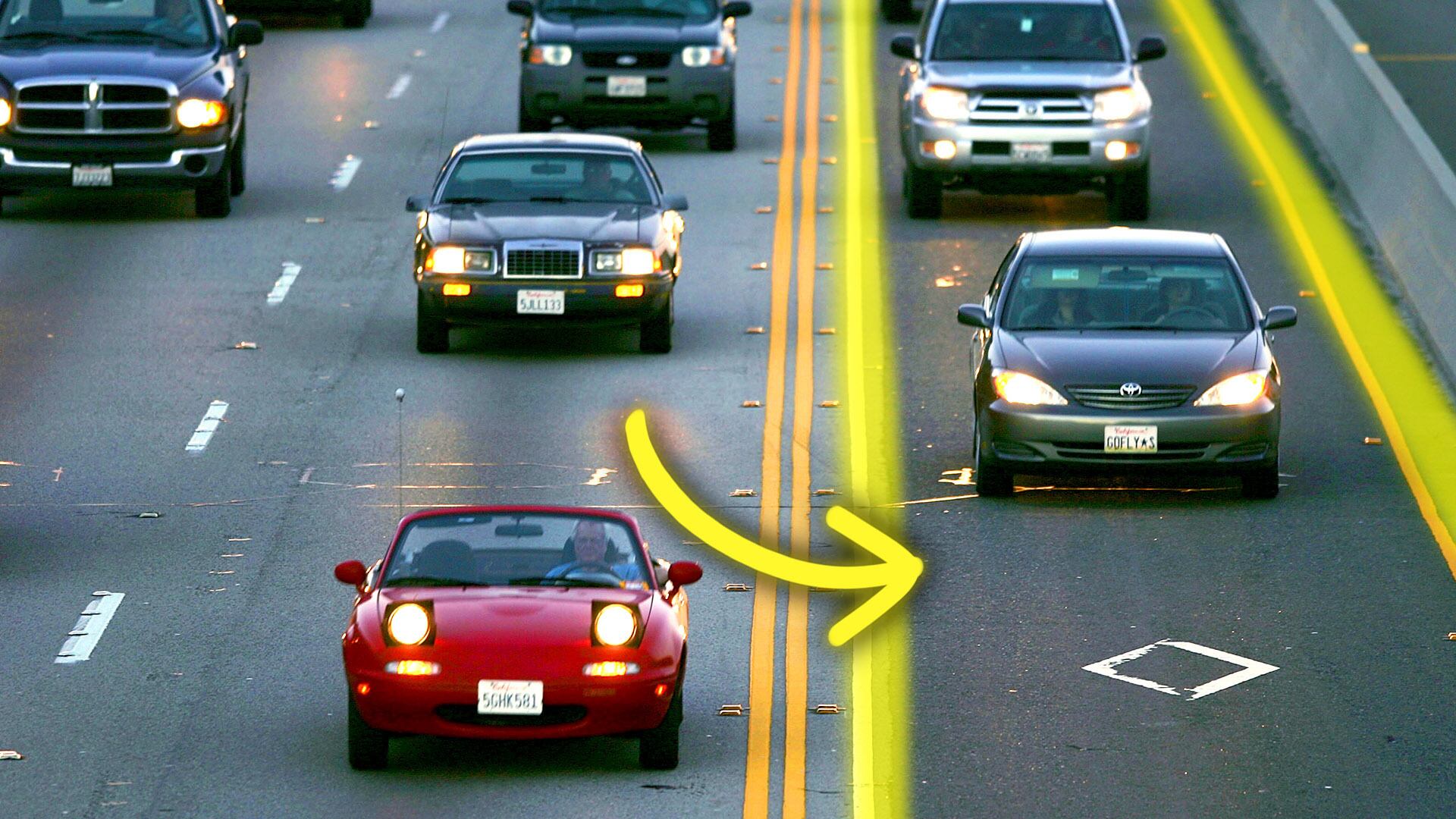
Figuring out how to reduce congestion and emissions has long been a thorny issue for the car-centric United States. One possible solution - high-occupancy vehicle lanes (HOV), or carpool lanes - have their own thorny history. Despite pushes from the federal government for more HOV lanes in the 1970s and 1990s, the math of how HOV lanes work may mean they relieve traffic only a little - or even make it worse.