For 139 Years, the American Red Cross has been a helping hand during uncertain times and 2020 has been no exception. Recently the organization has had its hands full, offering relief from natural disasters like wildfires in California and Hurricane Laura, amid the coronavirus pandemic.
"My heart goes out to the people that have been experiencing these back-to-back-to-back disasters," said Gail McGovern, president and CEO of The American Red Cross. "Within the last 30 days we had the derecho in the Midwest, we had wildfires in California, and now, of course, we're dealing with Hurricane Laura."
Hurricane Laura left significant devastation in its path, affecting about 700,000 homes. "It's either they're out of power or the sewage system isn't working. or the water isn't working," said McGovern. "It's very, very difficult out there."
The organization has been distributing about 45,000 meals per day throughout this hurricane relief effort.
While it is not uncommon for the Red Cross to juggle multiple disaster response efforts simultaneously, 2020 has brought the additional challenge of helping large numbers of people with COVID-19 still spreading."We're still delivering our mission despite the pandemic," said McGovern.
In addition to staff members, the aid organization relies heavily on volunteers. "I have to say that I am so proud of our volunteers because they are coming out in the same numbers that they had been pre-COVID, which is remarkable," said McGovern. "These people are humanitarians: they see a need and they just have to jump in and fill it." She noted they could still use more volunteers and there are opportunities for people to volunteer virtually.
"We're still fulfilling our mission, but the way we are doing it is completely different. Wherever possible we are trying to put people in hotels, and we're doing that so that they can social distance so that we're not in large congregate shelters where the disease can spread," said McGovern. "If we have to open up a shelter we're trying to open up multiple shelters so there are fewer people in each."
People using the shelters receive health screenings when they enter and are required to wear masks. Inside, cots are socially distanced and hand sanitizer is readily available, she added. The organization has been able to secure a large number of hotel rooms, though, so people have a safe place to go where they are not surrounded by crowds.
Donations are still needed, however. "We think Hurricane Laura is going to probably cost about $20 million dollars and so far only $2.1 million has come through the door. Any gift would be deeply, deeply appreciated regardless of the size," she noted. Donations can be made at Redcross.org.
"It's a different world and yet we're still out there helping people to the best of our ability."
It's no secret tech giant Amazon has a mission of becoming a major player in sports media, and the company is poised to make progress on that goal in 2022. Amazon Prime Video will be the exclusive home to Thursday Night Football for the 2022-23 NFL season. In December, the New York Post reported that Amazon is in the beginning stages of developing studio sports programs, and hopes to soon have a full daily lineup of sports shows. Front Office Sports senior reporter A.J. Perez joined Cheddar News' Closing Bell to discuss.
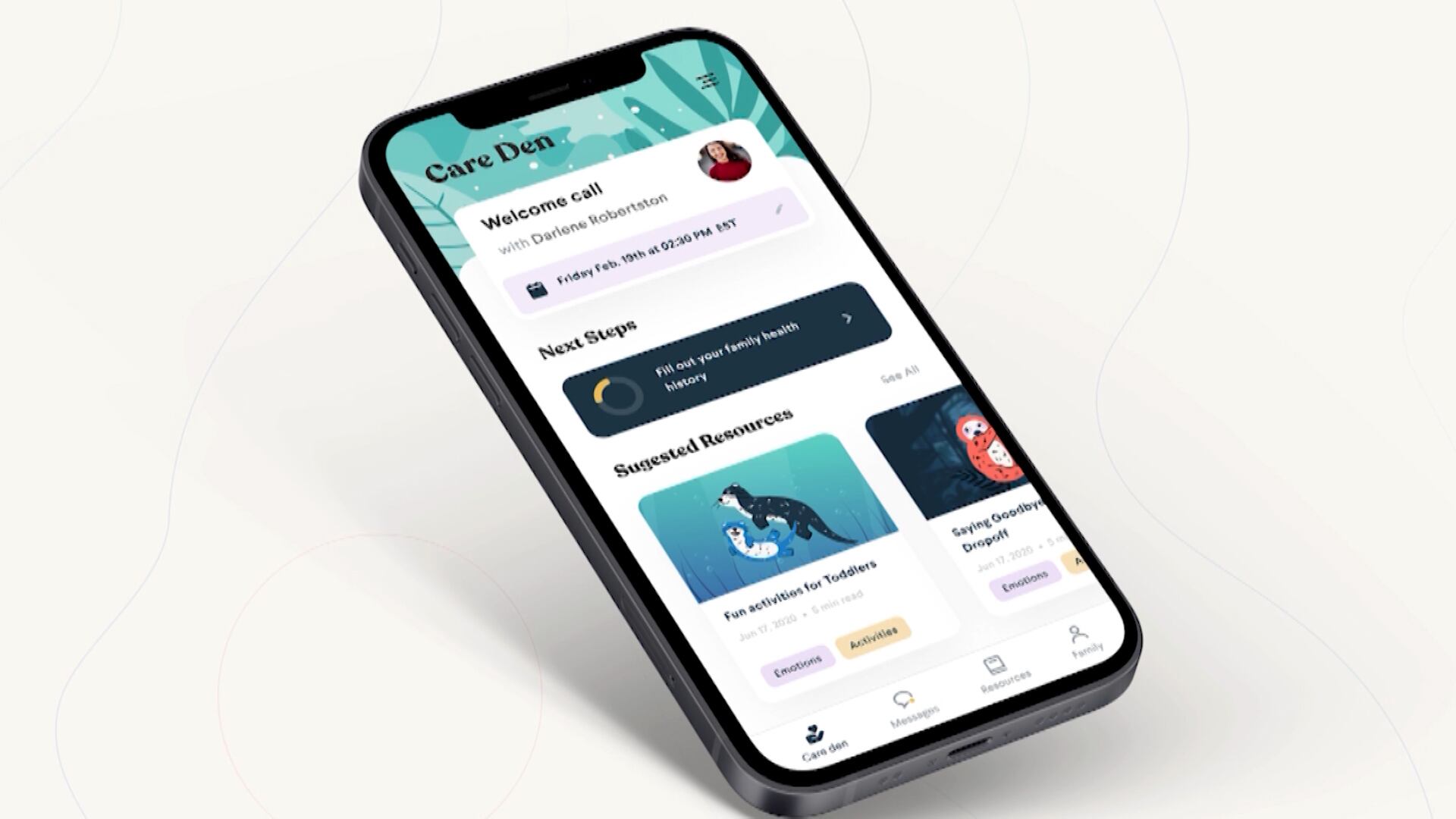
Digital mental health company Little Otter recently announced it closed a $22 million Series A round. Little Otter was founded in 2020 by a mother-daughter team, which based the company on the idea that a child's mental health can only be addressed by treating the whole family through technology available to everyone. Little Otter CEO and co-founder Rebecca Egger and her mother, Little Otter Chief Medical and Scientific Officer and co-founder Dr. Helen Egger joined Cheddar News' Closing Bell to discuss.
Adi Robertson, senior reporter at The Verge, joins Cheddar News to break down the battle between two NFT collections by Phunky Ape Yacht Club and PHAYC that are selling plagiarized Bored Ape Yacht Club designs.
Covid-19 has changed the way we view wellness. Jillian Hughes, communications director of Mental Health America, joins Cheddar News to discuss breaking the stigma around mental health. Justin Davis, CEO and co-founder of Spectrum Labs, weighs in on how social media impacts our wellbeing. Lastly, Precision Nutrition CEO Timothy Jones advices us on what trends to watch in 2022.
On this episode of Cheddar Innovates: Founder of Unlimited Tomorrow breaks down how he is creating completely 3D printed prosthetics to make them more affordable, customizable, and accessible; Chief Technology Officer of Zebra Technologies explains what the future of collaboration between robots and humans may look like; A look at Curiosity Stream's 'Mystery of the Roman Skulls.'
According to a recent analysis from ProPublica and the Wall Street Journal an analysis of Facebook posts, internal company documents, and interviews reveal key evidence about the social media giant's role in January 6 insurrection. National Reporter at ProPublica Craig Silverman, joined Cheddar to discuss more.
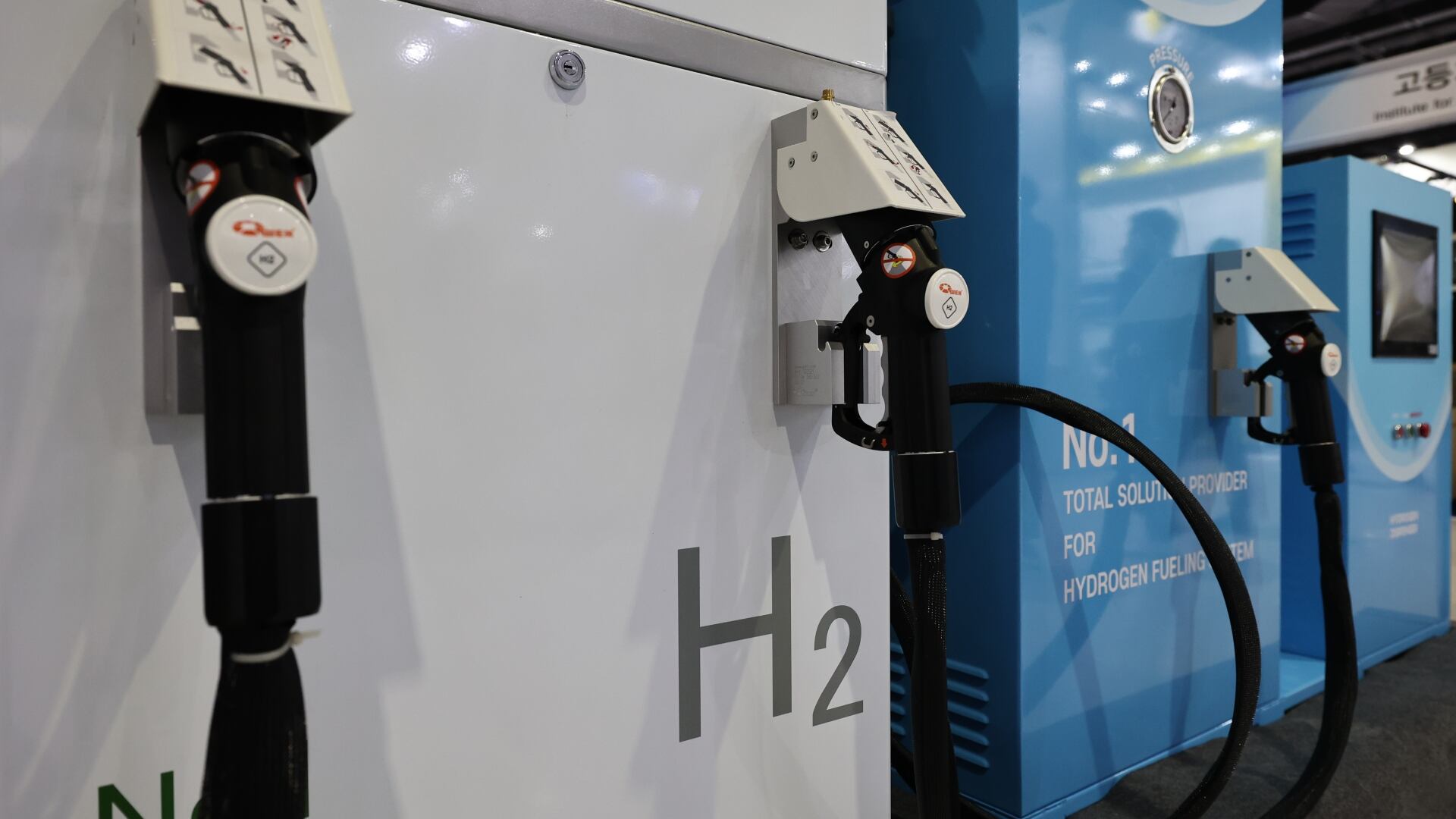
In the fight against climate change, much of the conversation revolves around reducing greenhouse gases like carbon dioxide or methane - and attempting to raise oxygen levels. But there's another gas - hydrogen - that could play a big role in the fight for the climate. Marco Alvera, CEO of Italian energy infrastructure company Snam and author of the book, 'The Hydrogen Revolution,' joined Cheddar Climate to explain the role hydrogen plays in helping achieve a net-zero future.