For 139 Years, the American Red Cross has been a helping hand during uncertain times and 2020 has been no exception. Recently the organization has had its hands full, offering relief from natural disasters like wildfires in California and Hurricane Laura, amid the coronavirus pandemic.
"My heart goes out to the people that have been experiencing these back-to-back-to-back disasters," said Gail McGovern, president and CEO of The American Red Cross. "Within the last 30 days we had the derecho in the Midwest, we had wildfires in California, and now, of course, we're dealing with Hurricane Laura."
Hurricane Laura left significant devastation in its path, affecting about 700,000 homes. "It's either they're out of power or the sewage system isn't working. or the water isn't working," said McGovern. "It's very, very difficult out there."
The organization has been distributing about 45,000 meals per day throughout this hurricane relief effort.
While it is not uncommon for the Red Cross to juggle multiple disaster response efforts simultaneously, 2020 has brought the additional challenge of helping large numbers of people with COVID-19 still spreading."We're still delivering our mission despite the pandemic," said McGovern.
In addition to staff members, the aid organization relies heavily on volunteers. "I have to say that I am so proud of our volunteers because they are coming out in the same numbers that they had been pre-COVID, which is remarkable," said McGovern. "These people are humanitarians: they see a need and they just have to jump in and fill it." She noted they could still use more volunteers and there are opportunities for people to volunteer virtually.
"We're still fulfilling our mission, but the way we are doing it is completely different. Wherever possible we are trying to put people in hotels, and we're doing that so that they can social distance so that we're not in large congregate shelters where the disease can spread," said McGovern. "If we have to open up a shelter we're trying to open up multiple shelters so there are fewer people in each."
People using the shelters receive health screenings when they enter and are required to wear masks. Inside, cots are socially distanced and hand sanitizer is readily available, she added. The organization has been able to secure a large number of hotel rooms, though, so people have a safe place to go where they are not surrounded by crowds.
Donations are still needed, however. "We think Hurricane Laura is going to probably cost about $20 million dollars and so far only $2.1 million has come through the door. Any gift would be deeply, deeply appreciated regardless of the size," she noted. Donations can be made at Redcross.org.
"It's a different world and yet we're still out there helping people to the best of our ability."
Dave Levinthal, deputy Washington Bureau chief at Insider, joins Cheddar News to discuss Gallup's new survey that reveals more Americans leaned Republican by the end of 2021.
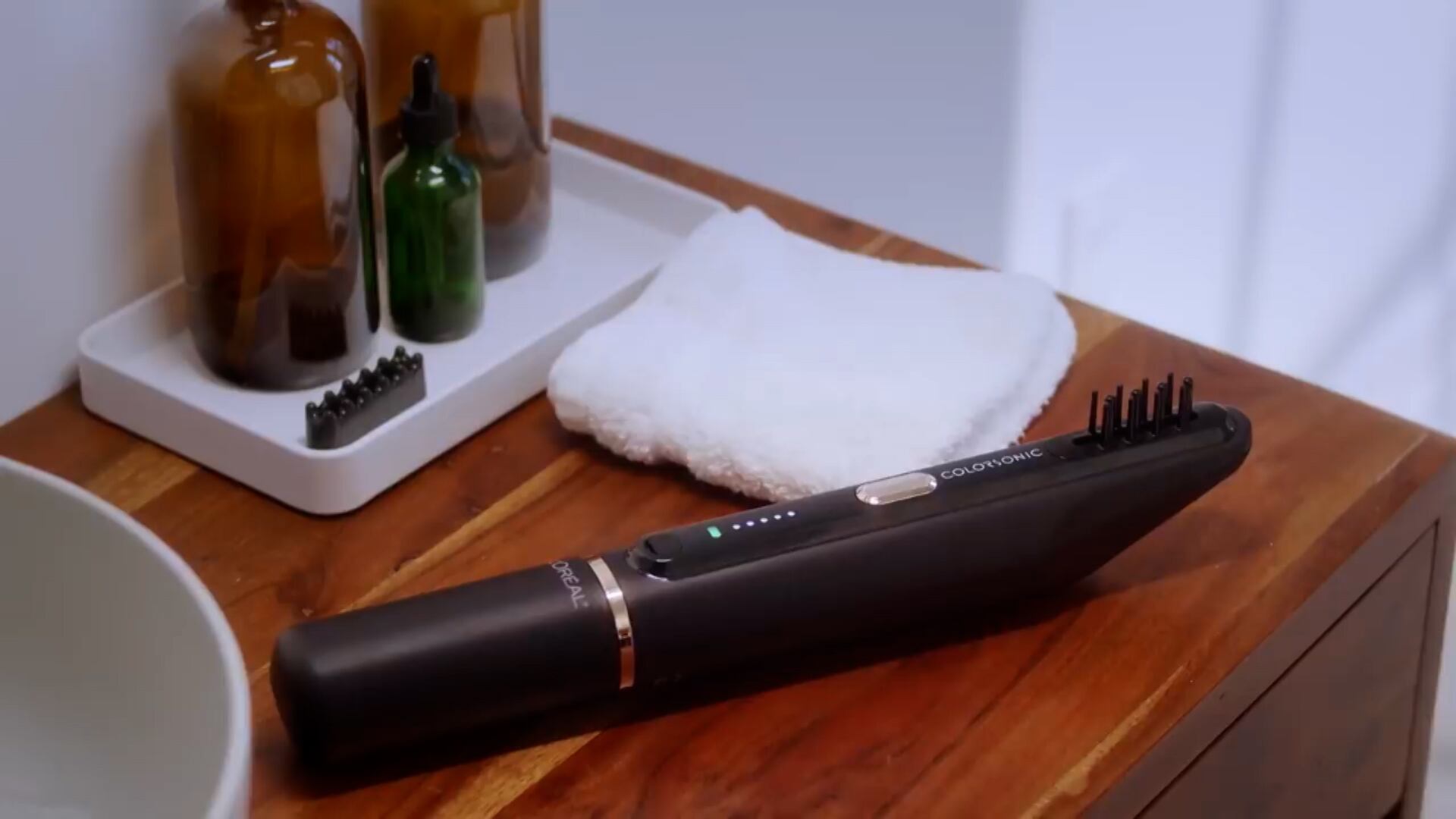
L’Oréal is doubling down on its investment in tech. The French beauty giant unveiled two new high-tech products ahead of CES 2022, aimed at simplifying the hair coloring process. Guive Balooch, global vice president of L’Oréal Technology Incubator, joined Cheddar's Opening Bell to discuss the company's innovations for hair coloring, including the Colorsonic application device and the Coloright AI diagnostic tool.
After meeting by chance in an airport, legendary actor Bill Murray and world-renowned cellist Jan Vogler joined forces to put out an album of poetry and music, go on a European concert tour, and release a feature documentary. Murray and Vogler joined Cheddar to dish about the experiences taking their “New Worlds: The Cradle of Civilization" on the road and filming the documentary that followed the pair, along with Mira Wang on violin and Vanessa Perez on piano, at their final show in Greece. "When this opportunity to play with Jan and Mira and Vanessa came along, I thought, well how bad can I be with these people behind me," Murray self-deprecatingly noted about his own musical talents.
On this episode of Cheddar Reveals: Director of Programs at Alpine Ascents breaks down how to mentally and physically prepare for climbing Mount Everest; American Himalayan Foundation's Vice President discusses Sherpa culture and ethos, and why they are so critical to the climb; A look at Curiosity Stream's 'History by the Numbers.'
All around the world, speed limits are placed on public roads to promote car safety and save lives. In that same world, car manufacturers have continued to look for ways to build faster and faster cars. Despite the dangers of speeding, many drivers are guilty of pushing the pedal from time to time. With cars being such a prevalent culture in everyday life, especially in the US, it’s worth wondering what it would take for car companies to once and for all settle the argument of safety versus freedom.
A recent study by MSI uncovers a vast racial divide in influencer marketing. The research found a 35% racial pay gap between white and black influencers. This gap is extremely wider than the gap in other industries such as education, business, and finance. The research also suggests that brands and agencies have the power to close this gap. Tiffany Hardin, founder and CEO of Gild Creative Group, joins Cheddar News to discuss.
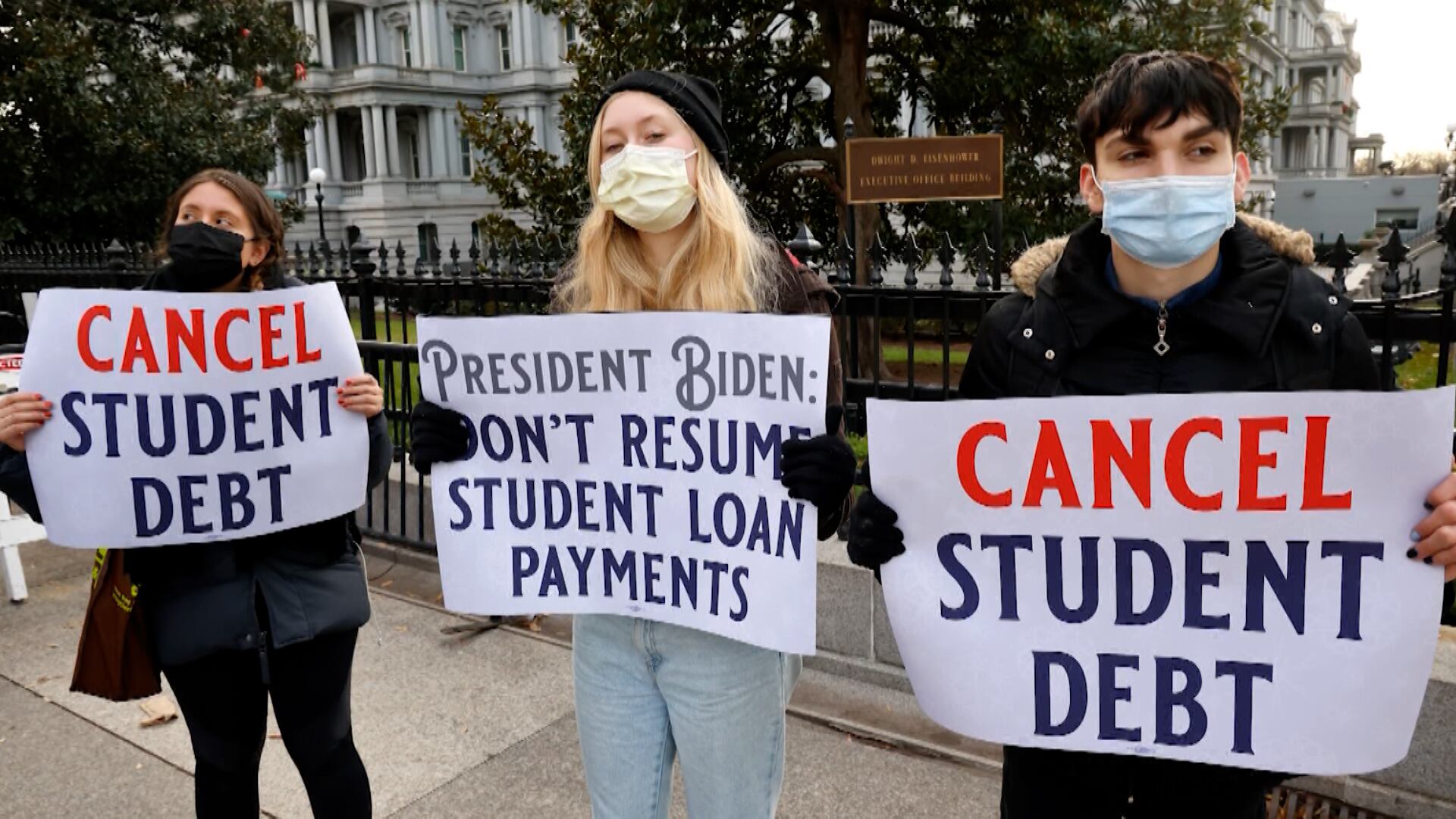
Student loan collection company Navient agreed to cancel $1.7 billion in debt and paid more than $140 million in other penalties to settle a lawsuit over abusive lending practices. Josh Shapiro, the attorney general of Pennsylvania who led negotiations in the settlement, joined Cheddar to go over the details of the company's predatory lending. "What Navient would do is charge [borrowers] these exorbitantly high rates, even though they knew people couldn't pay them or they would likely default on them," he explained.
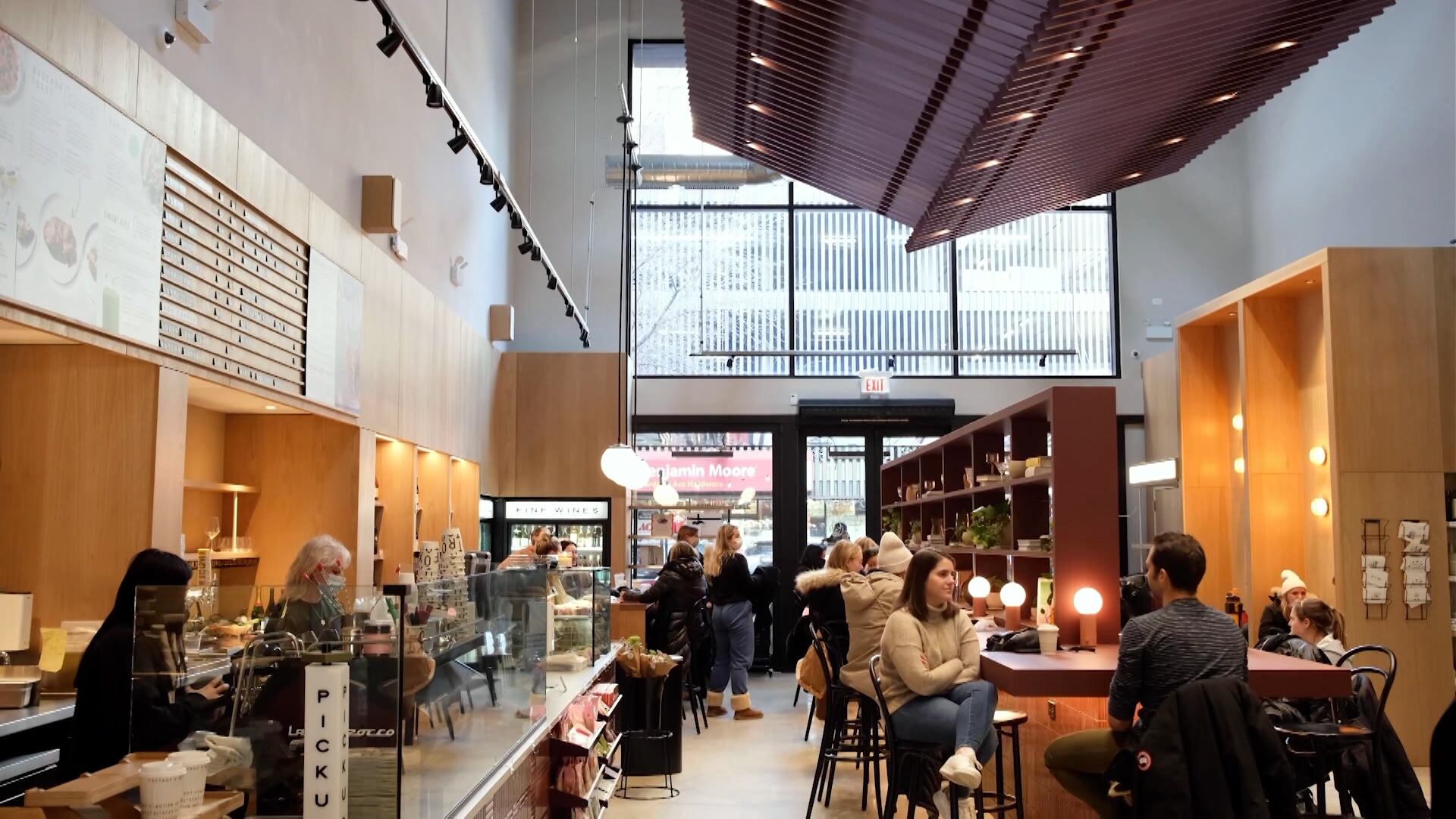
Retail platform operator and delivery company, Foxtrot,
raised $100 million in a Series C round led by D1 Capital Partners. Foxtrot bills itself as the modern convenience store that combines what it calls in-store curated discovery with 30-minute delivery and 5-minute pickup. Since launching first as a digital-only delivery service, the company has since grown into a popular local retailer, opening 16 brick and mortar locations across Chicago, Dallas, and Washington, DC. Foxtrot co-founder and CEO Michael LaVitola joined Cheddar News' Closing Bell to discuss.