For 139 Years, the American Red Cross has been a helping hand during uncertain times and 2020 has been no exception. Recently the organization has had its hands full, offering relief from natural disasters like wildfires in California and Hurricane Laura, amid the coronavirus pandemic.
"My heart goes out to the people that have been experiencing these back-to-back-to-back disasters," said Gail McGovern, president and CEO of The American Red Cross. "Within the last 30 days we had the derecho in the Midwest, we had wildfires in California, and now, of course, we're dealing with Hurricane Laura."
Hurricane Laura left significant devastation in its path, affecting about 700,000 homes. "It's either they're out of power or the sewage system isn't working. or the water isn't working," said McGovern. "It's very, very difficult out there."
The organization has been distributing about 45,000 meals per day throughout this hurricane relief effort.
While it is not uncommon for the Red Cross to juggle multiple disaster response efforts simultaneously, 2020 has brought the additional challenge of helping large numbers of people with COVID-19 still spreading."We're still delivering our mission despite the pandemic," said McGovern.
In addition to staff members, the aid organization relies heavily on volunteers. "I have to say that I am so proud of our volunteers because they are coming out in the same numbers that they had been pre-COVID, which is remarkable," said McGovern. "These people are humanitarians: they see a need and they just have to jump in and fill it." She noted they could still use more volunteers and there are opportunities for people to volunteer virtually.
"We're still fulfilling our mission, but the way we are doing it is completely different. Wherever possible we are trying to put people in hotels, and we're doing that so that they can social distance so that we're not in large congregate shelters where the disease can spread," said McGovern. "If we have to open up a shelter we're trying to open up multiple shelters so there are fewer people in each."
People using the shelters receive health screenings when they enter and are required to wear masks. Inside, cots are socially distanced and hand sanitizer is readily available, she added. The organization has been able to secure a large number of hotel rooms, though, so people have a safe place to go where they are not surrounded by crowds.
Donations are still needed, however. "We think Hurricane Laura is going to probably cost about $20 million dollars and so far only $2.1 million has come through the door. Any gift would be deeply, deeply appreciated regardless of the size," she noted. Donations can be made at Redcross.org.
"It's a different world and yet we're still out there helping people to the best of our ability."
After premiering at the 2022 Sundance Festival, Showtime is slated to drop the four-part docuseries "We Need to Talk About Bill Cosby" this Sunday. Director W. Kamau Bell joined Cheddar to discuss the sensitive project and about coming to grips with the reality of who Bill Cosby is following the numerous allegations of sexual assault. Bell said the biggest takeaway from the project is that survivors are not only looking for the 84-year-old comedian to be held accountable, they also want to prevent future assaults. "Maybe the key thing to learn is how do we create a society that is more supportive and accepting particularly women in this case who are survivors of sexual assault," Bell said.
Tax season is now underway, and it's going to be a bit different than in years past. For starters, the deadline is April 18, instead of the typical April 15th, and many Americans will need to account for advance child tax credit payments, the return of the recovery rebate credit, and a special break for charitable contributions, among other things. Brent Weiss, Co-Founder and certified financial planner at Facet Wealth, tells us what we need to know about filing our taxes this year, and when we can expect to receive our returns.
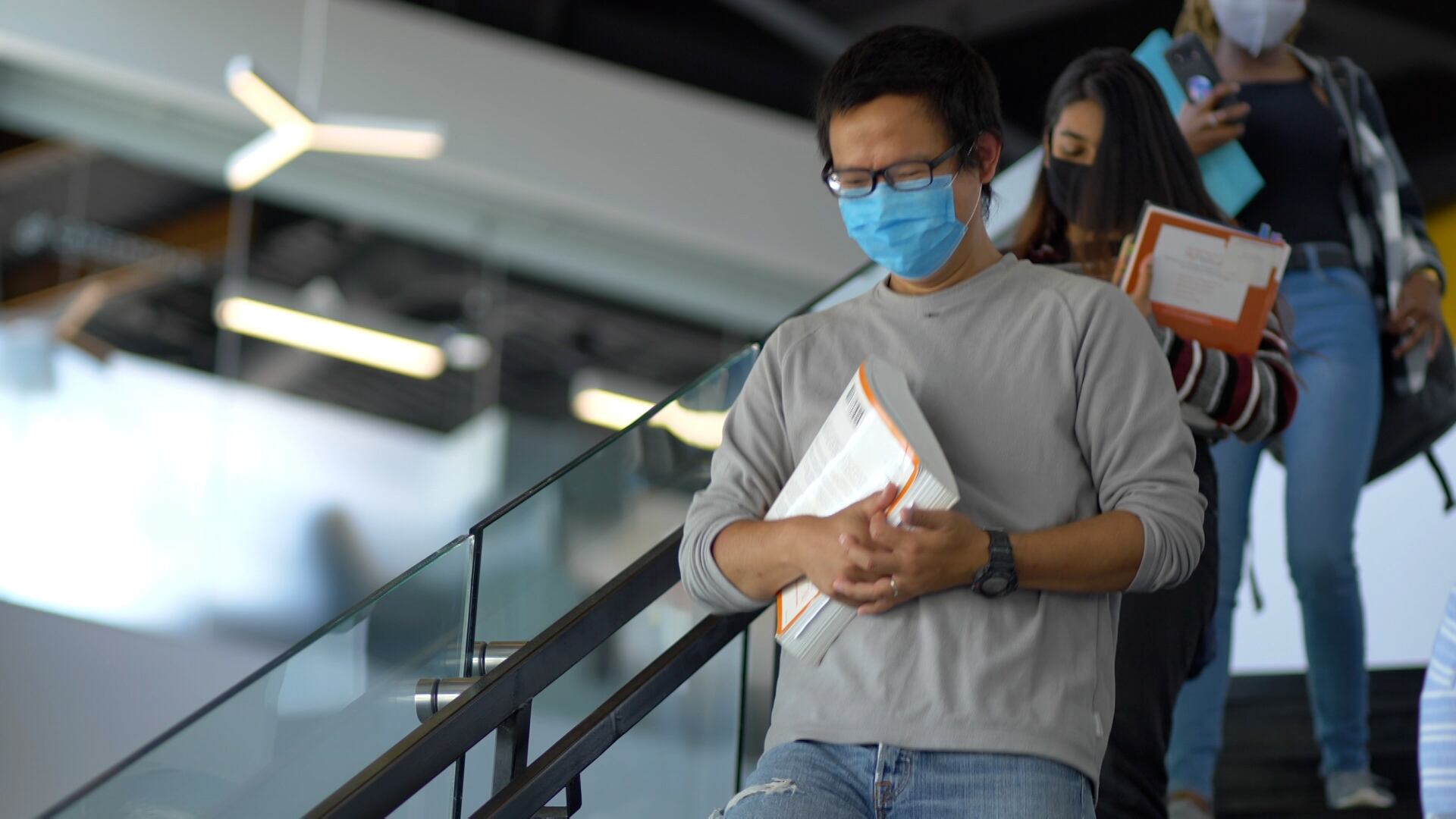
College enrollment has been on a steady decline for years, and the pandemic hasn't helped. Since the start of the pandemic, there has been a 6.6% — more than 1 million students — drop in undergraduate enrollment, according to a recent report. Douglas Belkin, higher education reporter at the Wall Street Journal, joined Cheddar to discuss the long-term implications of students sitting out of college, and what institutions can do about it.
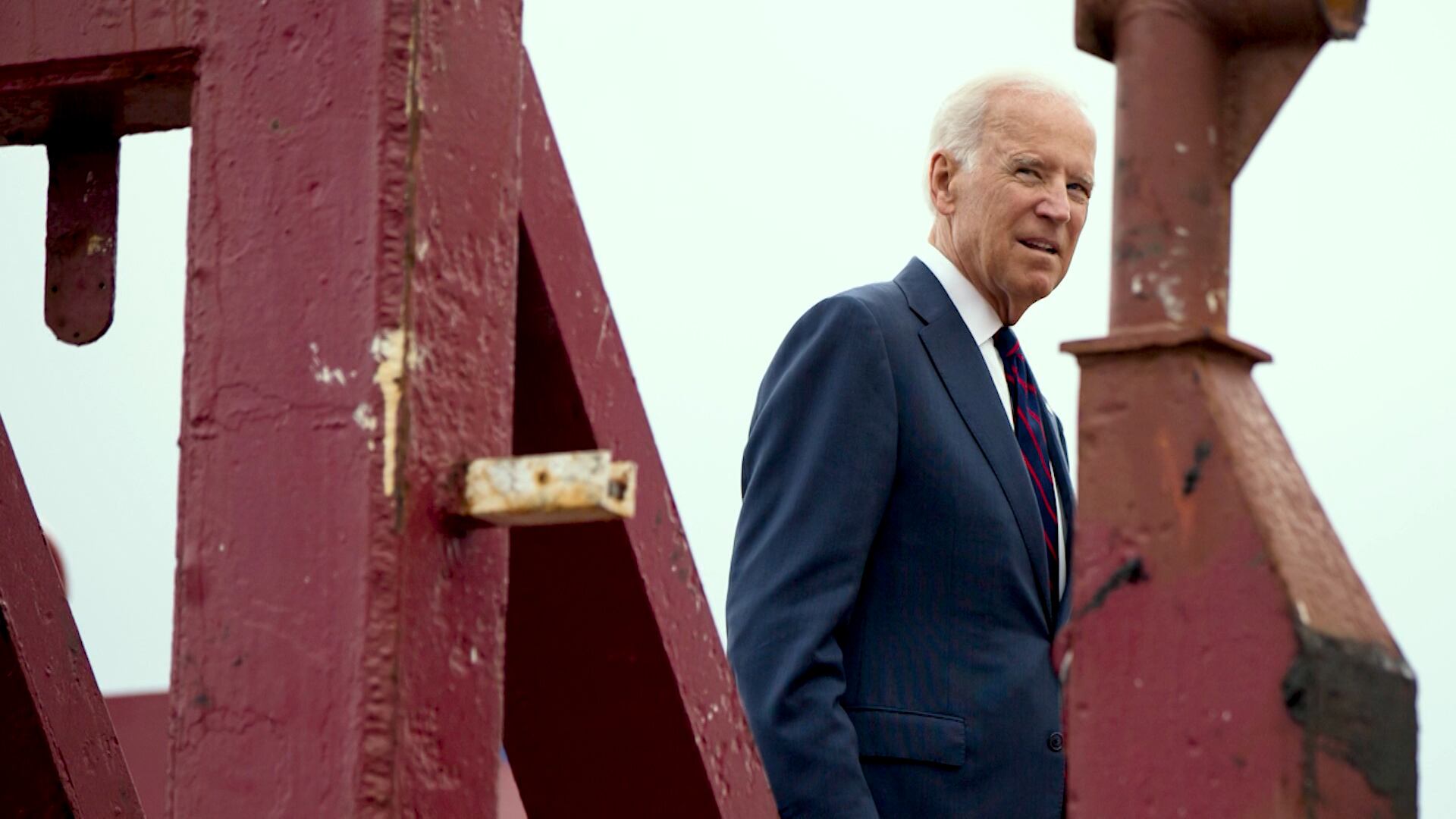
As the midterm election looms, things aren't looking too promising for President Joe Biden. One year into his term as president, Biden is facing one of the lowest approval ratings of any modern-day president, threatening his party's control of the House in 2022. Brian Bennett, Senior White House Correspondent for TIME, joined Cheddar's Opening Bell to discuss.
A full one year into his term as President of The United States, President Biden addressed the nation on Wednesday, facing questions on everything from inflation to chip shortages and covid-19. As Biden enters his second year in office, he is facing one of the lowest approval ratings of any modern-day president. Kate Davidson, Reporter, POLITICO joined Cheddar's Opening Bell to discuss.
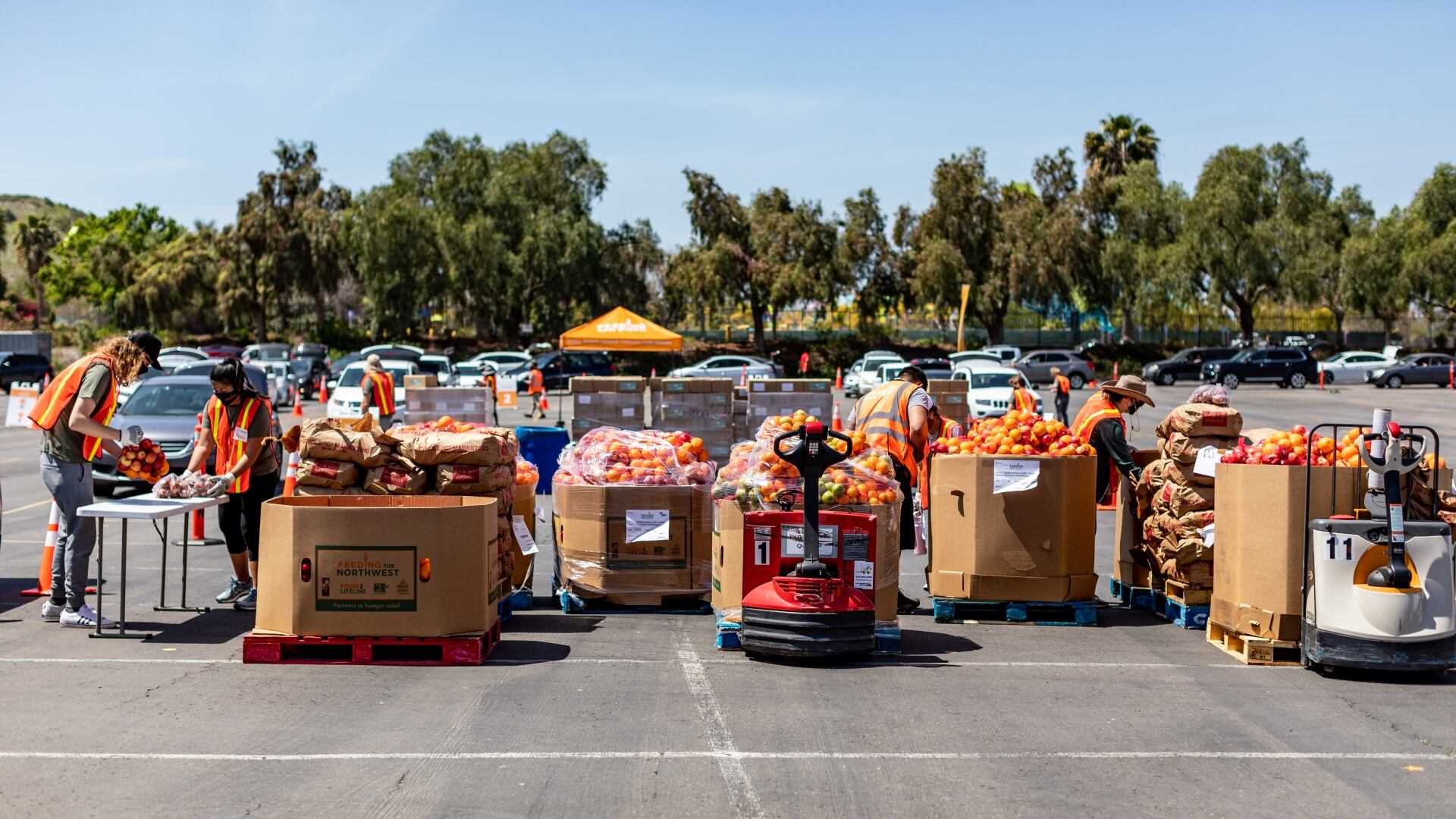
San Diego has just implemented a new law that could set the stage for how the country deals with food waste. This new law hopes to make a dent in that. Businesses and groceries stores out in San Diego will need to put a plan in place to *donate edible food rather than toss it straight to the trash. Food Rescue Manager at Feeding San Diego, Kate Garret
The streaming giant Netflix posted its latest earnings from its fourth quarter after the close on Thursday. The company's stock plummeted shortly after the company warned that its rate of subscription additions are slowing down. Senior Reporter at MarketWatch Jon Swartz, joined Cheddar to discuss more.
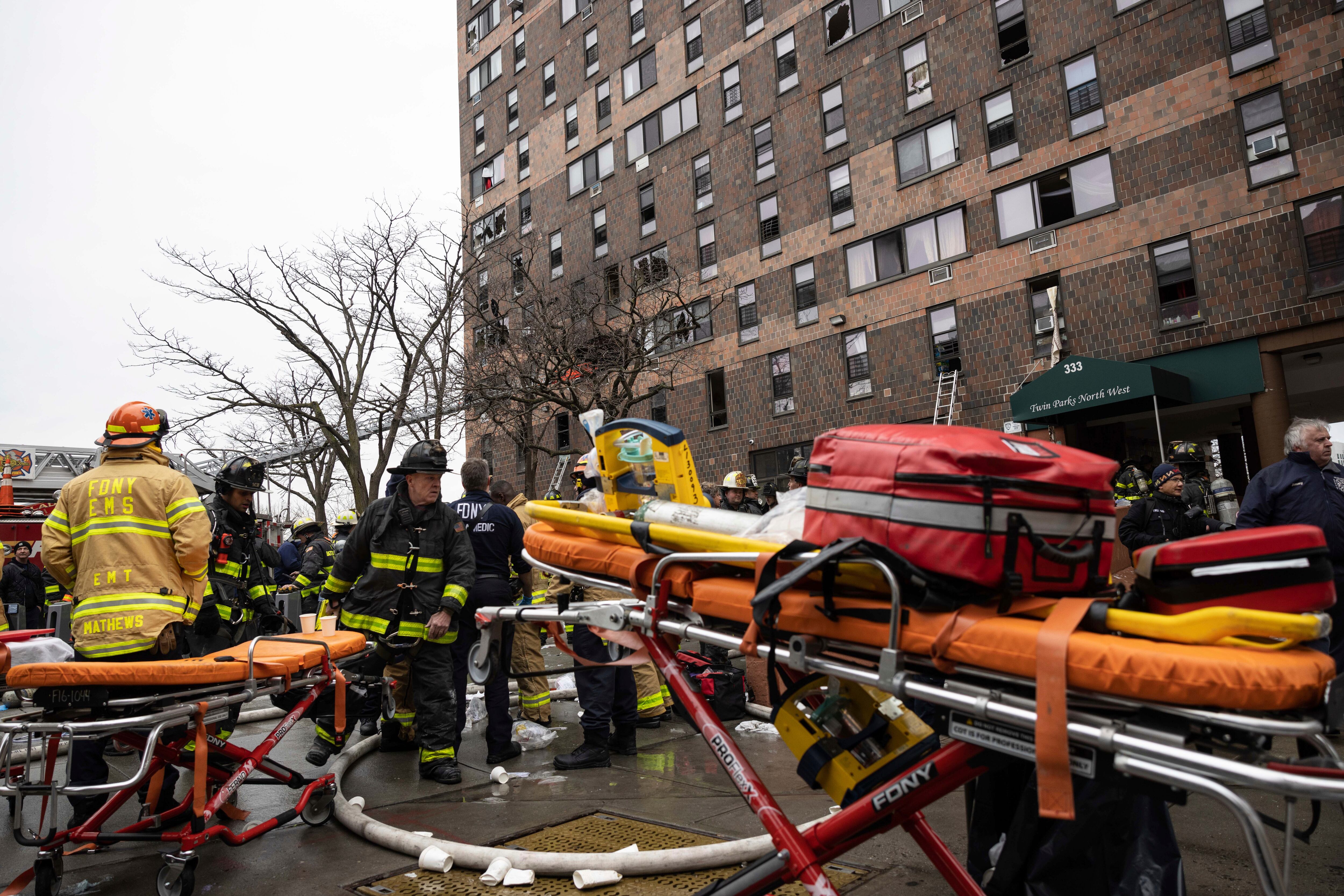
Earlier this month, New York City experienced one of the deadliest fires it has seen in decades. 17 people lost their lives in the Fordham section of the Bronx. This was due to a faulty space heater which reportedly began on the lower floor of the 120 unit building. Thanks to the F. D. N. Y. And heroic neighbors, many were able to get out in time. Unfortunately, the toxic smoke surged upwards through a safety door. Now, many advocates say negligence by policymakers and landlords has led to the deaths in black and brown communities from fires that honestly could have been preventable. Legislative Director of Citizen Action of New York, Rebecca Garrard, and the Chair of Journalism and New Media Studies at St. Joseph's College Theodore Hamm, joined Cheddar to discuss more.