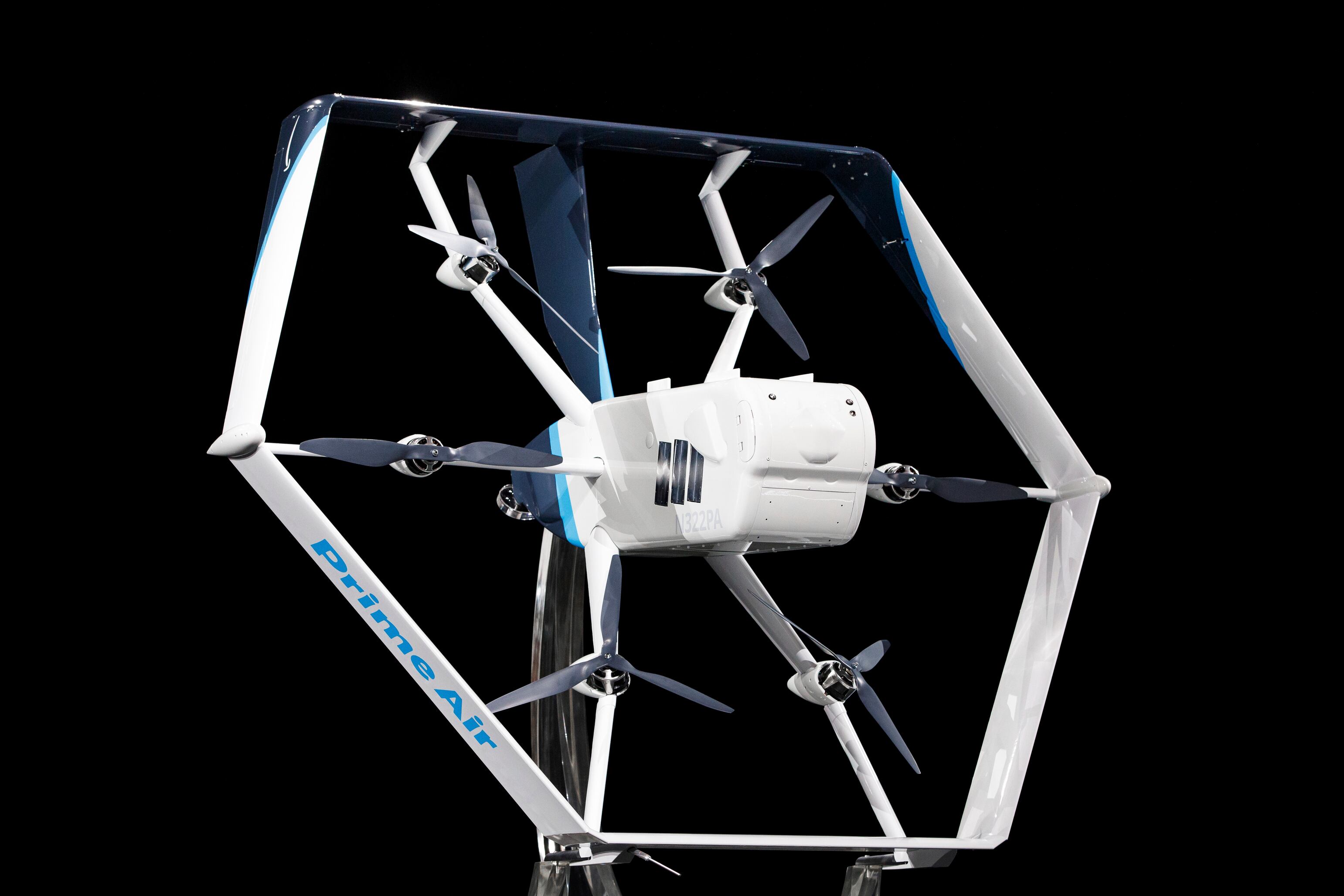
This undated image provided by Amazon shows one of the company's delivery drones. Amazon won approval to deliver packages by drones from the Federal Aviation Administration, the agency said Monday, Aug. 31, 2020. (Jordan Stead/Amazon via AP, File)
By Joseph Pisani
Getting an Amazon package delivered from the sky is closer to becoming a reality.
The Federal Aviation Administration said Monday it had granted Amazon approval to deliver packages by drones.
Amazon said that the approval is an "important step," but added that it is still testing and flying the drones. It did not say when it expected drones to make deliveries to shoppers.
The online shopping giant has been working on drone delivery for years, but it has been slowed by regulatory hurdles. Back in December 2013, Amazon CEO and founder Jeff Bezos said in a TV interview that drones would be flying to customer's homes within five years.
Last year, Amazon unveiled self-piloting drones that are fully electric, can carry 5 pounds of goods, and are designed to deliver items in 30 minutes by dropping them in a backyard. At the time, an Amazon executive said deliveries to shoppers would be happening "within months," but more than 14 months have passed since then.
Seattle-based Amazon is the third drone delivery service to win flight approval, the FAA said. Delivery company UPS and a company owned by search giant Google won approval last year.
The U.S. economy is being held up in part by the AI boom, but that boom could still lead to broader prosperity or inequality, says a Nobel Prize winner.
Foundation Robotics co-founder Michael LeBlanc explains how humanoid robots are moving from the lab to military and industrial missions and what comes next.
Jeff Burnstein, President of the Association for Advancing Automation (A3), discusses humanoid robots, AI, smart manufacturing, and the future of U.S. industry.
Should kids be banned from social media? Nick Lichtenberg of Fortune breaks down the global push to restrict under-16 users and what it means for Big Tech.
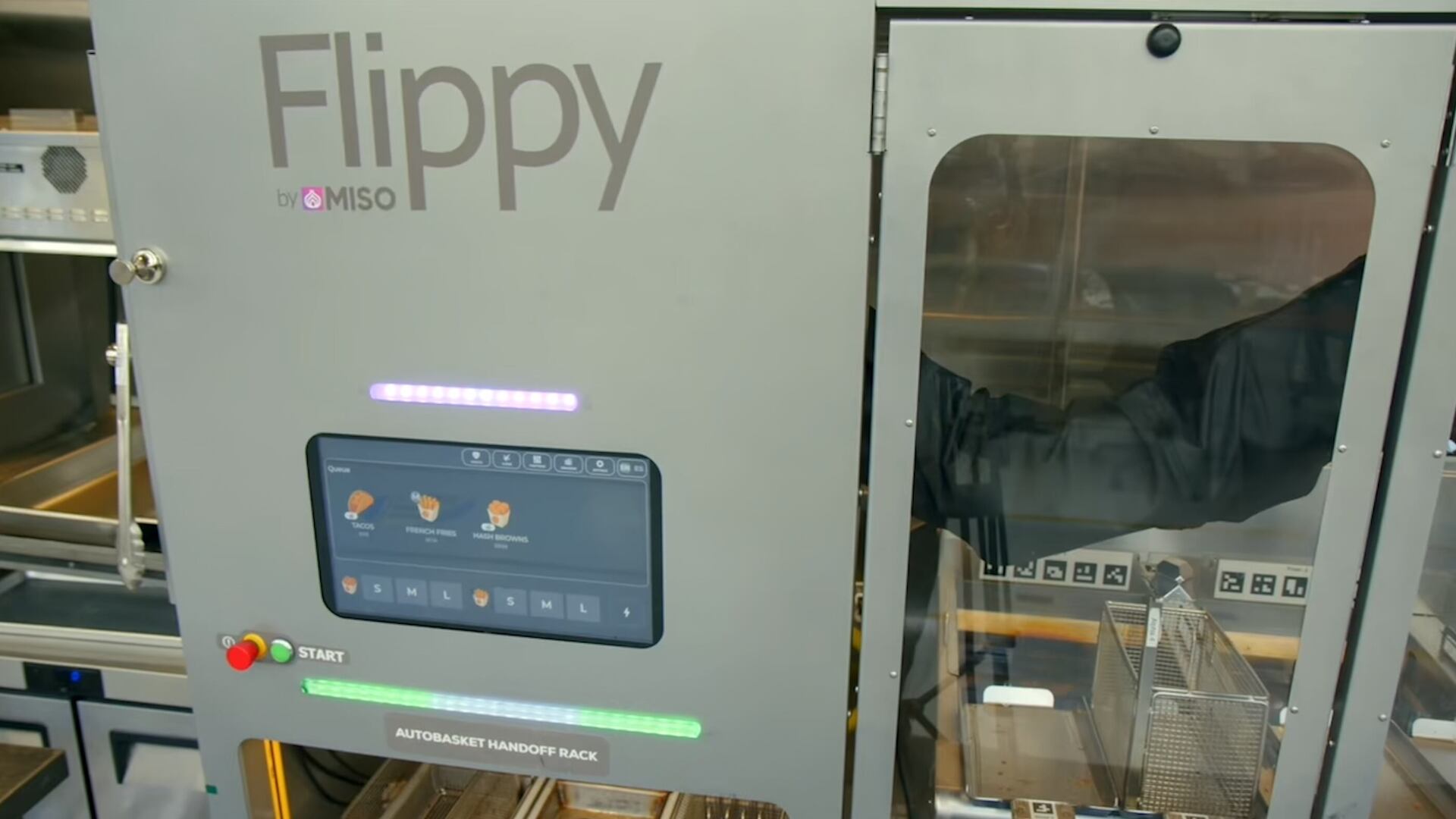
Miso Robotics CEO Rich Hull discusses Flippy Fry Station, the future of AI-powered restaurant automation and how acquiring Zume's IP could reshape food robotics
After two years of AI-fueled spending, Wall Street is asking what's next. Gil Luria breaks down monetization, valuations, winners, losers, and AI's future.