Shares of Walgreens and CVS dropped Thursday morning after Amazon said it's buying online pharmacy start-up PillPack in a deal reportedly worth a little less than $1 billion.
The move was the latest indication of the e-commerce giant's intent to get into the prescription drug business. Boston-based PillPack organizes delivery of medications for patients, dividing doses by when they should be taken and automatically refilling and renewing orders.
"Part of the execution that PillPack is supposed to be bringing here is dealing with insurance and copays and refills," said John Divine, Senior Investing Reporter at U.S. News & World Report. "A lot of consumers do want those to be streamlined."
"Maybe millennials especially are used to the stay-at-home economy and having everything come to them. With the prospect of overnight delivery here, that's where the game-changing aspect of this is."
Amazon's ambitions in the healthcare space have been no secret. The company received wholesale pharmacy licenses in 12 states last year, and in January it announced a joint venture with JPMorgan and Berkshire Hathaway to provide health insurance and other services to employees. The threesome last week named well-known surgeon and writer Atul Gawande to lead that project as CEO.
"If there's one thing that [Amazon CEO] Jeff Bezos is known for, it's long-term execution," Devine said. "I don't think that other peers in this industry need to worry today, but I think that longer term, over the next three to five years, they need to watch out."
The PillPack acquisition was also a win for Amazon over rival Walmart. CNBC reported in April that the big box retailer had been looking to buy the company for about $1 billion. Amazon didn't officially disclose the terms of its deal.
But that wasn't the only news out of Amazon on Thursday -- the company also [announced a new plan to tackle issue of "last mile" delivery](https://cheddar.com/videos/amazon-launches-branded-delivery-service-aimed-at-small-businesses). That sent shares of FedEx and UPS plunging.
For full interview, [click here](https://cheddar.com/videos/amazon-s-healthcare-push).
The KC-46 was to be the ideal candidate for a fixed-price development program. Instead, it has cost Boeing billions, and made industry wary of such deals.
Dave Long, CEO and Co-Founder of Orangetheory Fitness joins Cheddar to chat trends in the industry for 2024. He updates us on the company's plans to expand and what the state of the economy has meant for business.
One of the world's largest renewable energy developers will be getting hundreds of wind turbines from General Electric spinoff GE Vernova as part of a record equipment order and long-term service deal.
A moon landing attempt by a private US company appears doomed because of a fuel leak on the newly launched spacecraft. Astrobotic Technology managed to orient the lander toward the sun Monday so its solar panel could capture sunlight and charge its onboard battery.
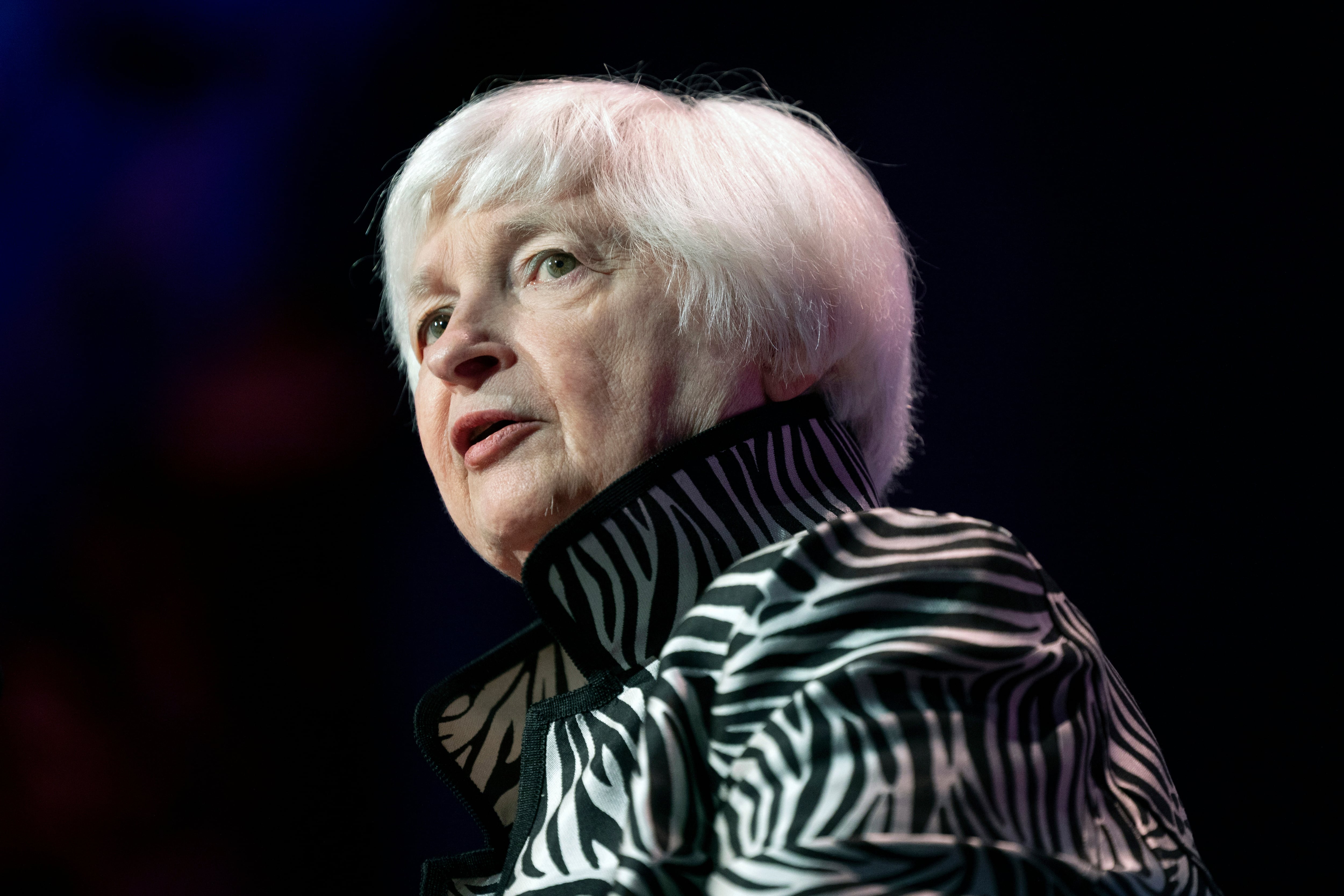
Treasury Secretary Janet Yellen has announced that 100,000 businesses have signed up for a new database that collects ownership information intended to help unmask shell company owners. Yellen says the database will send the message that “the United States is not a haven for dirty money.”
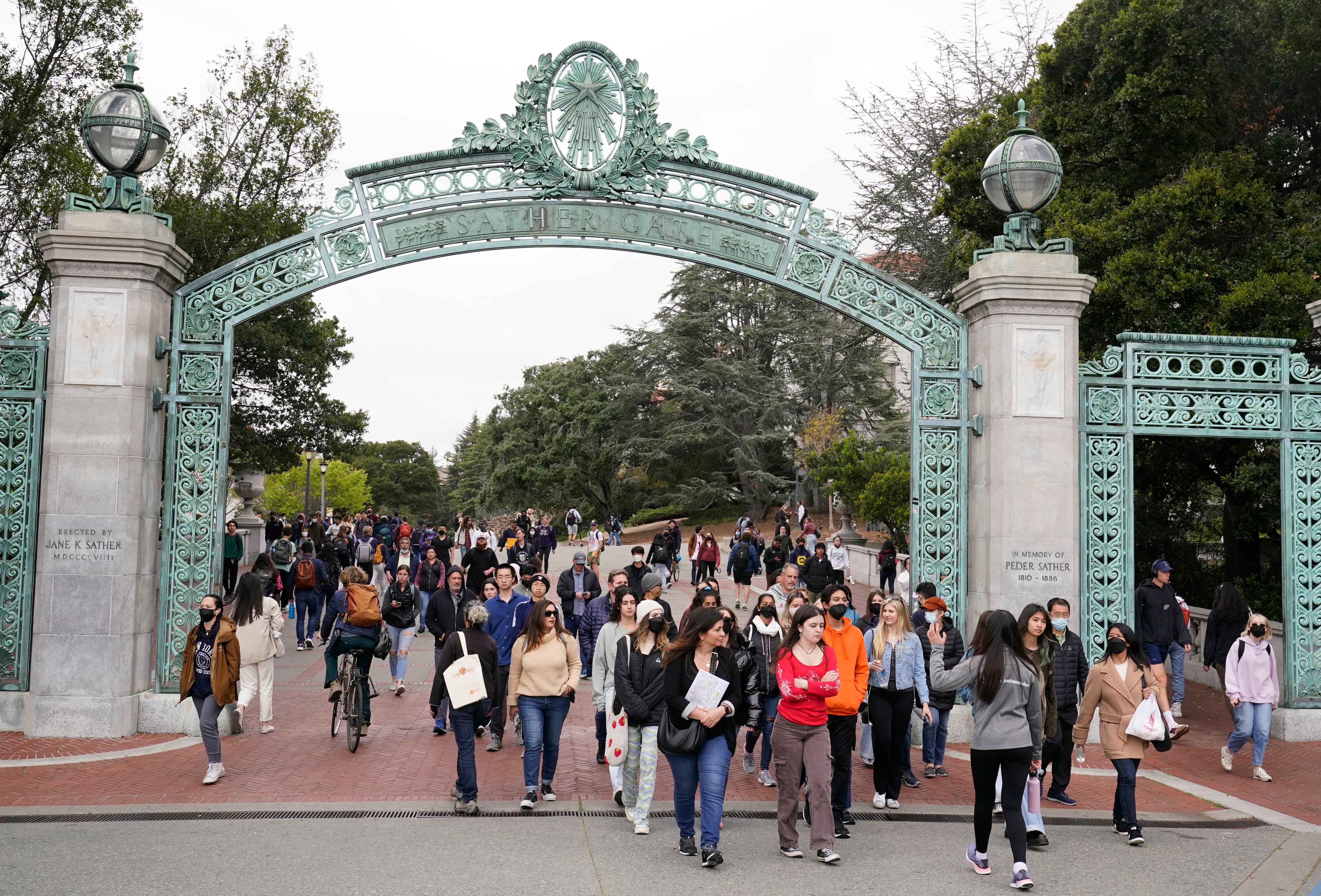
A new version of the federal student aid application known as the FAFSA is available for the 2024-2025 school year, but only on a limited basis as the U.S. Department of Education works on a redesign meant to make it easier to apply.
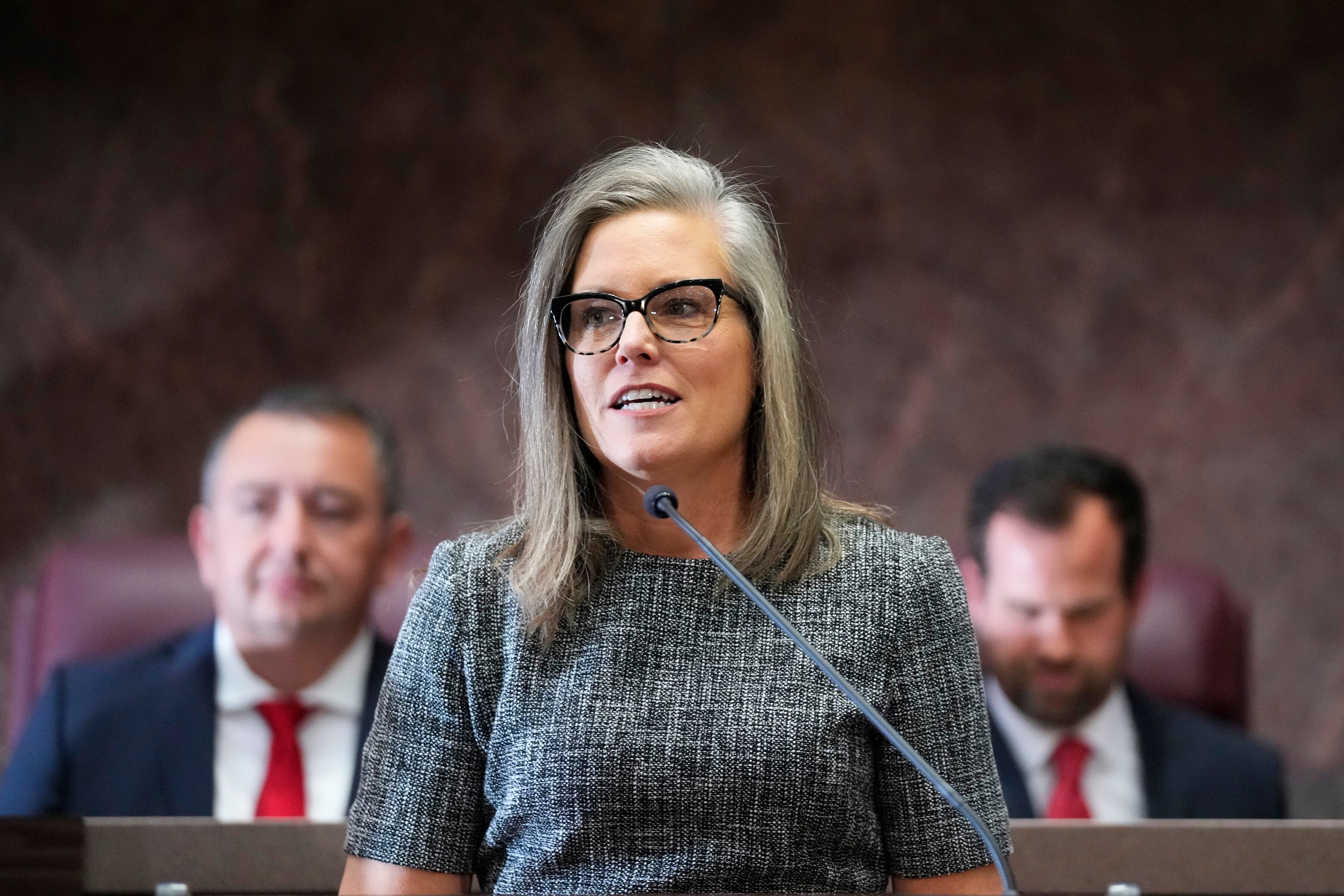
A steep budget deficit caused by plummeting tax revenues and escalating school voucher costs will be in focus Monday as Democratic Gov. Katie Hobbs and the Republican-controlled Arizona Legislature return for a new session at the state Capitol.
The first U.S. lunar lander in more than 50 years is on its way to the moon. The private lander from Astrobotic Technology blasted off Monday from Cape Canaveral, Florida, catching a ride on United Launch Alliance's brand new rocket Vulcan.
Global prices for food commodities like grain and vegetable oil fell last year from record highs in 2022, when Russia’s war in Ukraine, drought and other factors helped worsen hunger worldwide, the U.N. Food and Agriculture Organization said Friday.