Amazon Raises Minimum Wage to $15 for All Employees
*By Carlo Versano*
Amazon said Tuesday it will raise the minimum wage for all its workers in the U.S. to $15 an hour.
The e-commerce giant announced in a [blog post](https://blog.aboutamazon.com/working-at-amazon/amazon-raises-minimum-wage-to-15-for-all-us-employees) that the change would be effective Nov. 1, include all full-time, part-time, and seasonal employees and that there would be no conditions attached to the raise.
Further, Jay Carney, the former Obama press secretary who heads Amazon ($AMZN) corporate affairs, said the company will advocate for an increase in the federal minimum wage, which has been at $7.25 since 2009.
The company said 250,000 employees and 100,000 seasonal hires will benefit from the changes. Whole Foods employees, who have begun organizing for a union, will be included. Amazon bought Whole Foods last year for nearly $14 billion.
In a press release, Amazon CEO Jeff Bezos said, "We listened to our critics, thought hard about what we wanted to do, and decided we wanted to lead."
Amazon has been under increasing pressure from Congress, led by Sen. Bernie Sanders (I-VT), over wages and work conditions at its fulfillment centers.
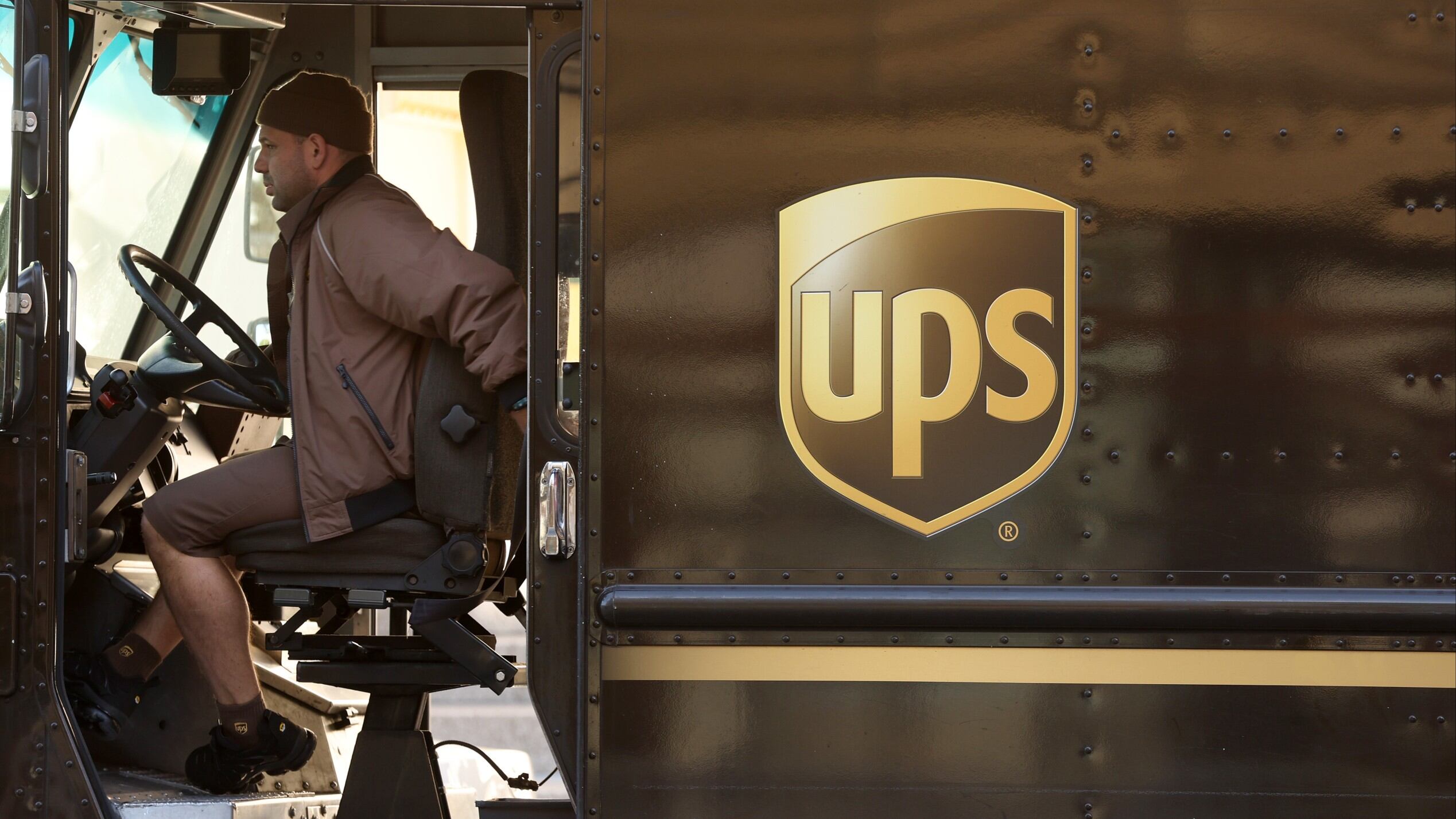
UPS recently announced it would equip delivery trucks with air conditioning. Dr. Douglas Casa, CEO of Korey Stringer Institute at the University of Connecticut, spoke with Cheddar News on the dangers of heat stroke and how workers can keep themselves safe from extreme weather.
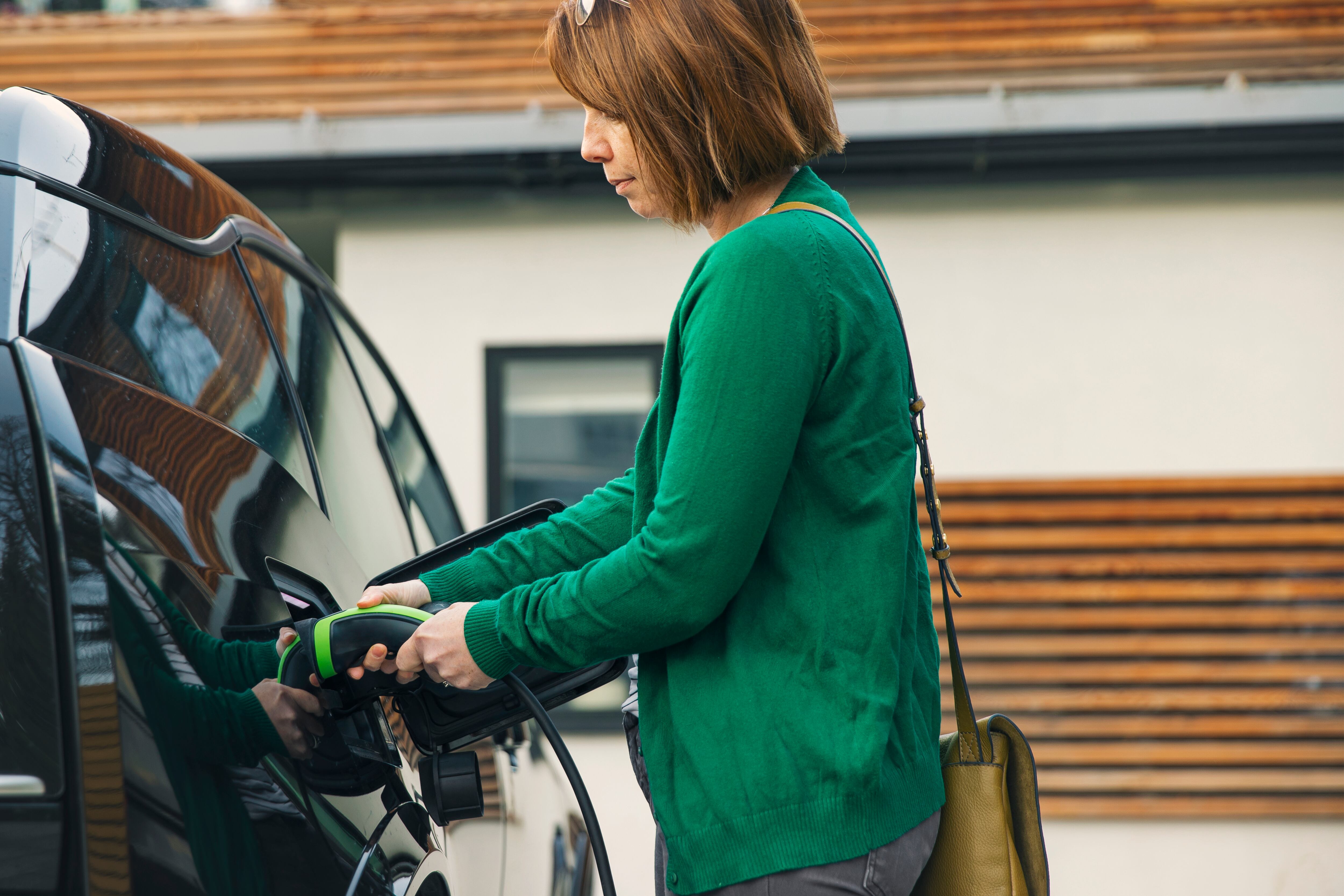
The push for clean energy is igniting an interest in electric vehicles but charging EVs continues to be a concern for consumers looking to save. Brian Moody, executive editor with Autotrader, joined Cheddar News to discuss how people can make home-charging more affordable.
Gannett has filed a civil lawsuit against Google and its parent company Alphabet, claiming that they unlawfully hold monopolies in the advertising technology tools that publishers and advertisers use to buy and sell online ad space.
Apple, the tech giant, is trying to trademark images of apples, the fruit. The company has been pursuing the trademark since 2017, and its latest battleground is Switzerland, where its appealing a partial trademark that would only cover black-and-white depictions of Granny Smith apples.