*By Kavitha Shastry*
Amazon briefly joined the $1 trillion club Tuesday, becoming the second U.S. company to reach the milestone market cap in as many months.
The e-commerce giant saw shares rise to $2,050.50 just before noon, putting its valuation just about $100 billion behind Apple, which crossed the line a little over a month ago.
That may sound like a huge sum separating the two, but Amazon could actually surpass the iPhone maker in short order ー the stock's 74 percent gain this year is more than double that of Apple, and if shares of both companies keep the same pace, Amazon could close the gap by the end of the year.
Still, plenty of catalysts could affect the horse race ー investors will be closely watching Apple's big iPhone reveal next Wednesday, and the all-important holiday shopping season will be key for Amazon. Then, of course, there's Microsoft and Google parent Alphabet, both of which are gaining ground, with market caps of about $850 billion each.
But while Amazon's and Apple's runs created plenty of fanfare, they're not the first companies to hit the $1 trillion level. China Petroleum did so on the Hong Kong exchange back in 2007, but those shares have since plummeted, giving the one-time oil giant a current market cap of around $121 billion.
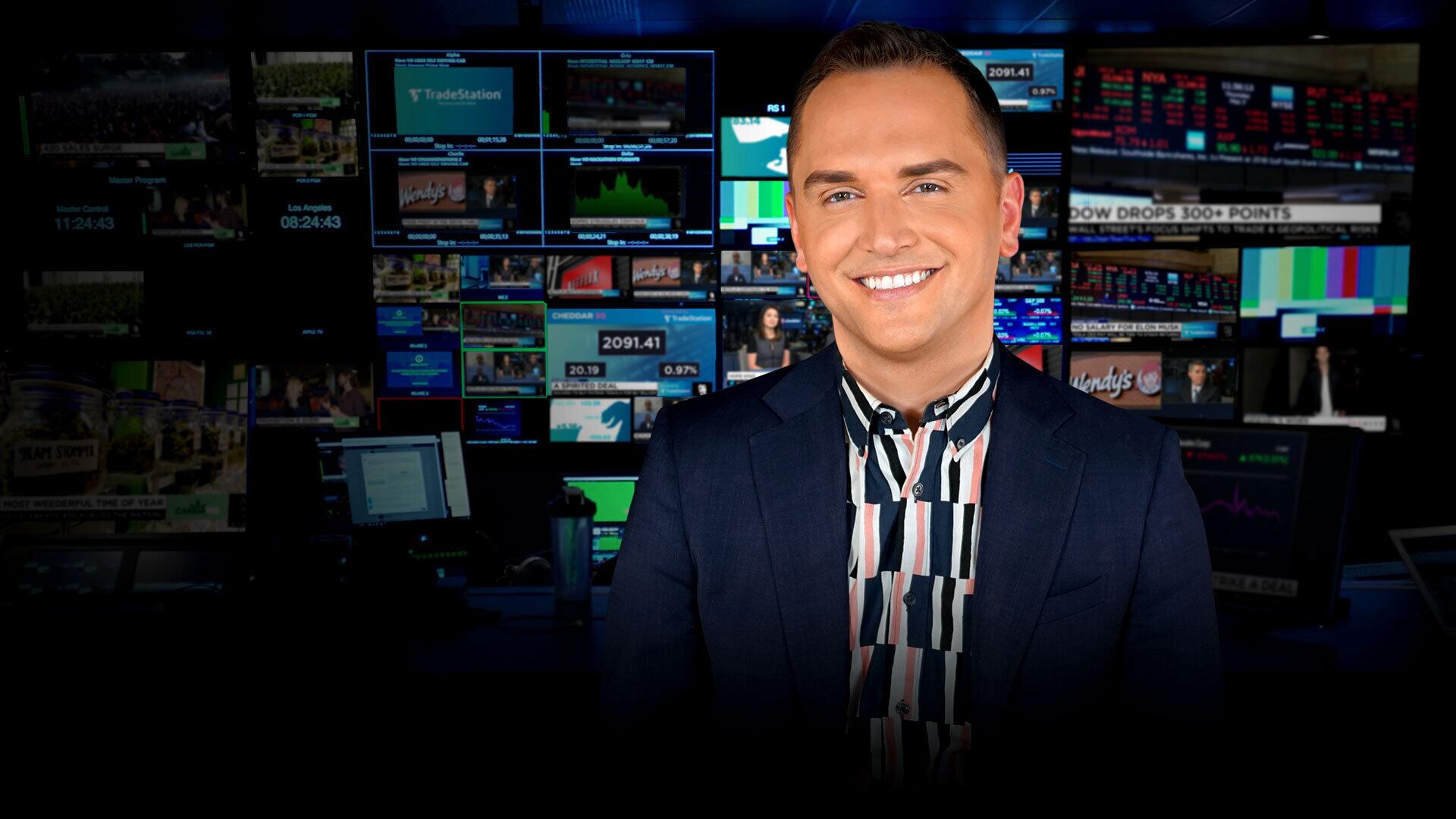
Brian Vendig, president of MJP Wealth Advisors, joined Cheddar News to discuss the market ahead of the Federal Reserve's meeting on Wednesday and as investors digest JPMorgan's takeover of First Republic Bank, which was recently seized by regulators. A slew of earnings are also slated to be released this week as well.
The saga of Adidas' high-profile break-up with Ye, formerly known as Kanye West, continues. Investors have filed a class action lawsuit alleging that executives were aware of Ye's behavioral issues well before Adidas ended its relationship with him last October.
The top financial concern for Americans in 2023 is inflation. Sudha Chandrasekharan, SVP, of Global E-Commerce at Auctane, joins Cheddar News to discuss how this outlook will change consumer spending habits, and why e-commerce is playing a vital role in the economy.
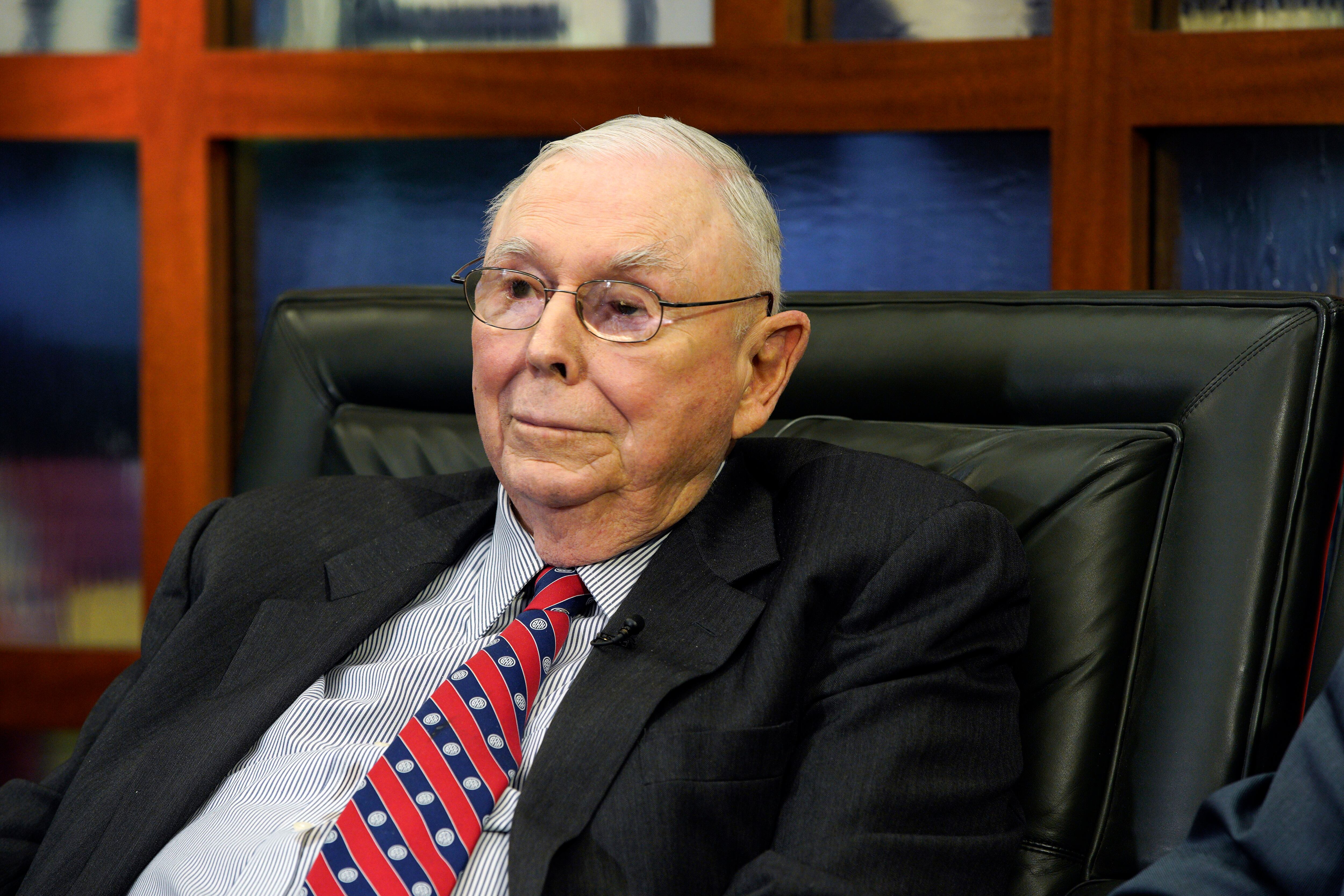
Charlie Munger, vice chairman of Berkshire Hathaway, told the Financial Times that the U.S. commercial property market is in trouble. “It’s not nearly as bad as it was in 2008,” he said. “But trouble happens to banking just like trouble happens everywhere else.”
Labor strife is coming to a head in the entertainment industry, as the Writers Guild of America (WGA) said it's prepared to strike at midnight Tuesday if it doesn't come to terms with the Alliance of Motion Picture and Television Producers (AMPTP).