*By Kavitha Shastry*
Amazon briefly joined the $1 trillion club Tuesday, becoming the second U.S. company to reach the milestone market cap in as many months.
The e-commerce giant saw shares rise to $2,050.50 just before noon, putting its valuation just about $100 billion behind Apple, which crossed the line a little over a month ago.
That may sound like a huge sum separating the two, but Amazon could actually surpass the iPhone maker in short order ー the stock's 74 percent gain this year is more than double that of Apple, and if shares of both companies keep the same pace, Amazon could close the gap by the end of the year.
Still, plenty of catalysts could affect the horse race ー investors will be closely watching Apple's big iPhone reveal next Wednesday, and the all-important holiday shopping season will be key for Amazon. Then, of course, there's Microsoft and Google parent Alphabet, both of which are gaining ground, with market caps of about $850 billion each.
But while Amazon's and Apple's runs created plenty of fanfare, they're not the first companies to hit the $1 trillion level. China Petroleum did so on the Hong Kong exchange back in 2007, but those shares have since plummeted, giving the one-time oil giant a current market cap of around $121 billion.
Johnson & Johnson's consumer-health unit Kenvue made its debut on the New York Stock Exchange and jumped about 20% on Thursday. Thibaut Mongon, CEO of Kenvue, joined Cheddar News to discuss business growth goals and what lies ahead for its well-known pipeline of products, including Band-Aid, Neutrogena, Tylenol, among others.
Cheddar News' reporter Angela Miles reports from the Cboe floor with Scott Bauer, CEO of the Prosper Trading Academy, to break down Apple, Moderna, and Datadog earnings for options traders.
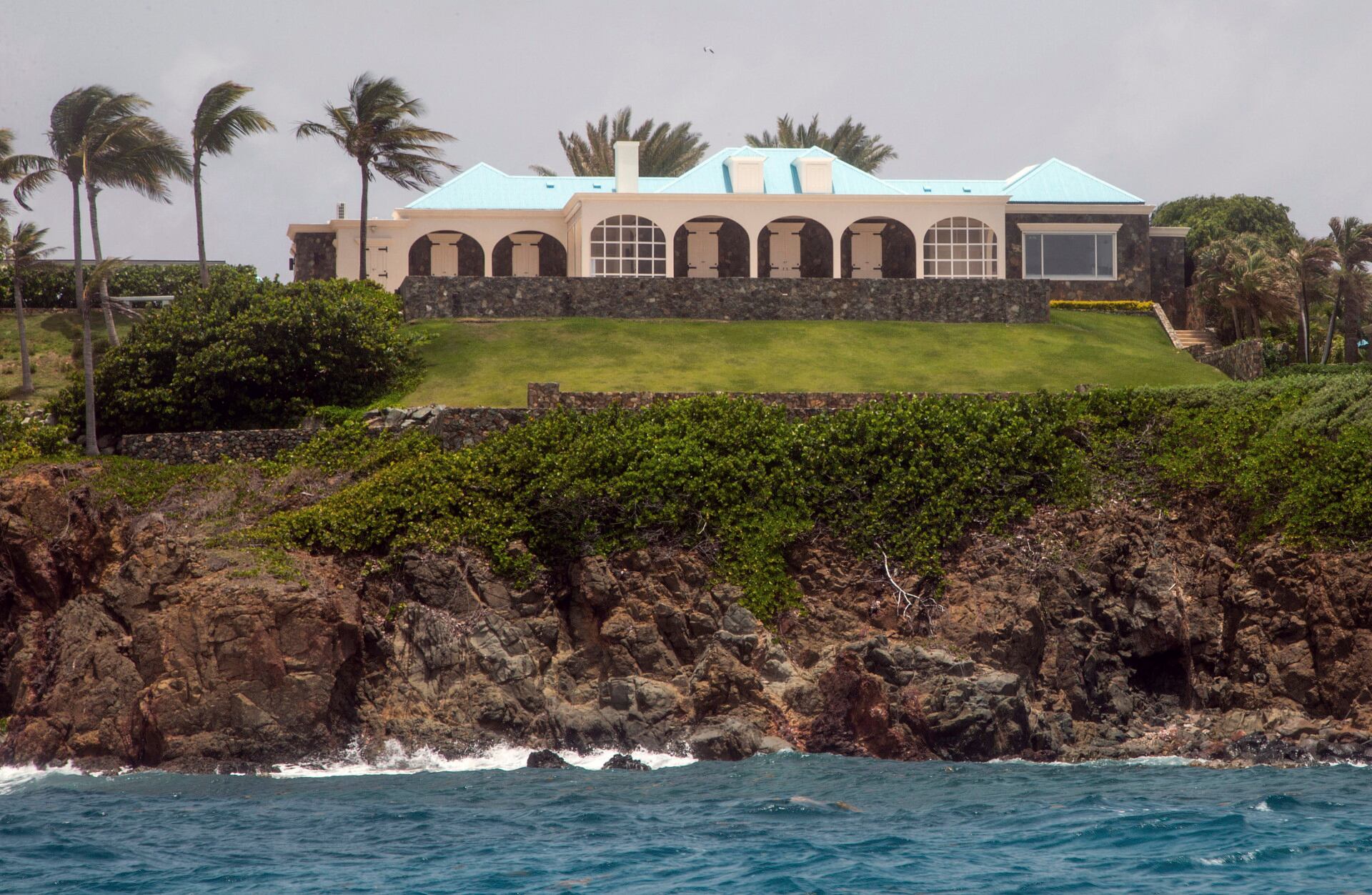
Billionaire Stephen Deckoff's SD Investments has purchased two islands in the U.S. Virgin Islands that were previously owned by the late sex criminal and human trafficker Jeffrey Epstein.
Two 10-year-olds are among 300 children who worked at McDonald's restaurants illegally, a Labor Department investigation of franchisees in Kentucky found.
U.S. regulators say Facebook misled parents and failed to protect the privacy of children using its Messenger Kids app, including misrepresenting the access it provided to app developers to private user data.