*By Kavitha Shastry*
Amazon briefly joined the $1 trillion club Tuesday, becoming the second U.S. company to reach the milestone market cap in as many months.
The e-commerce giant saw shares rise to $2,050.50 just before noon, putting its valuation just about $100 billion behind Apple, which crossed the line a little over a month ago.
That may sound like a huge sum separating the two, but Amazon could actually surpass the iPhone maker in short order ー the stock's 74 percent gain this year is more than double that of Apple, and if shares of both companies keep the same pace, Amazon could close the gap by the end of the year.
Still, plenty of catalysts could affect the horse race ー investors will be closely watching Apple's big iPhone reveal next Wednesday, and the all-important holiday shopping season will be key for Amazon. Then, of course, there's Microsoft and Google parent Alphabet, both of which are gaining ground, with market caps of about $850 billion each.
But while Amazon's and Apple's runs created plenty of fanfare, they're not the first companies to hit the $1 trillion level. China Petroleum did so on the Hong Kong exchange back in 2007, but those shares have since plummeted, giving the one-time oil giant a current market cap of around $121 billion.
Bobbi Rebell, financial expert and author of Launching Financial Grownups: Live Your Richest Life by Helping Your (Almost) Adult Kids Become Everyday Money Smart, gives some tips on how to negotiate your bills to save serious money.
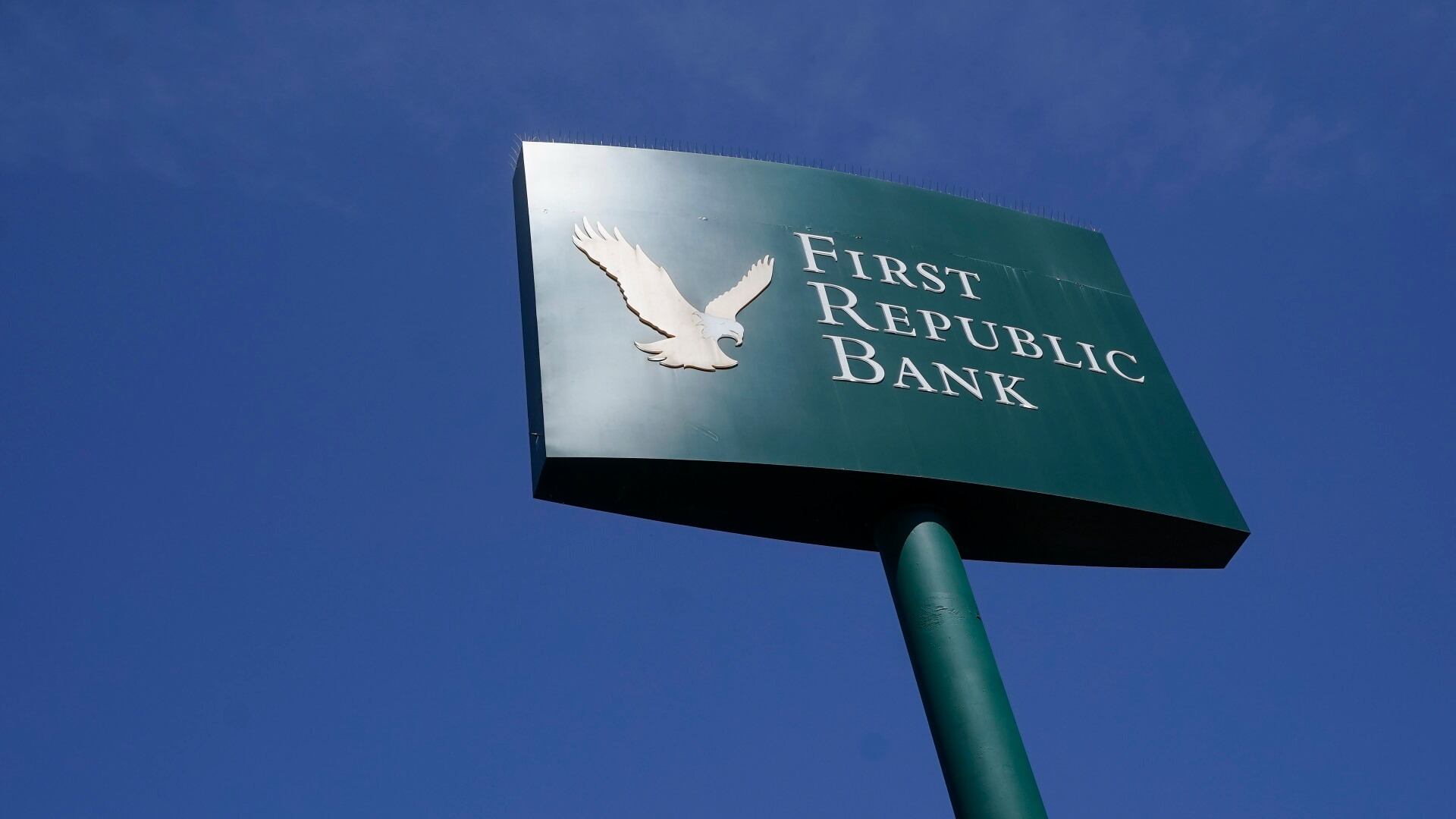
JPMorgan said it plans to close 21 around 25 percent of First Republic's branch location by the end of the year. The financial giant purchased the regional bank after it effectively collapsed amid an ongoing crisis in the banking sector.
Airbnb sued New York City on Thursday over an ordinance that the company says imposes arbitrary restrictions that would greatly reduce the local supply of short-term rentals.
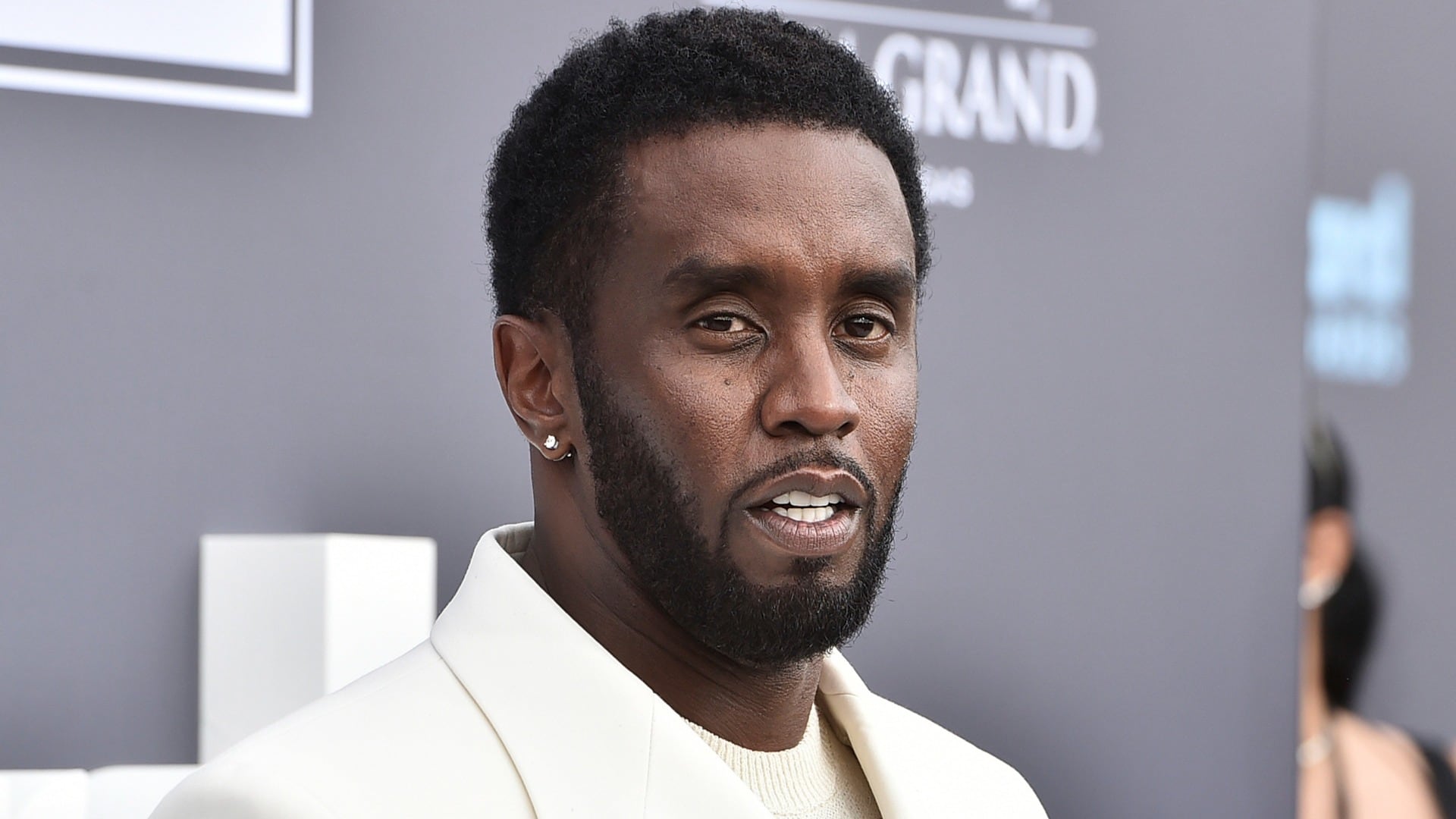
Rapper, producer and entrepreneur Sean “Diddy” Combs sued Diageo Wednesday, saying the spirits company didn’t make promised investments in his vodka and tequila brands and treated them as inferior “urban” products.