*By Kavitha Shastry*
Amazon briefly joined the $1 trillion club Tuesday, becoming the second U.S. company to reach the milestone market cap in as many months.
The e-commerce giant saw shares rise to $2,050.50 just before noon, putting its valuation just about $100 billion behind Apple, which crossed the line a little over a month ago.
That may sound like a huge sum separating the two, but Amazon could actually surpass the iPhone maker in short order ー the stock's 74 percent gain this year is more than double that of Apple, and if shares of both companies keep the same pace, Amazon could close the gap by the end of the year.
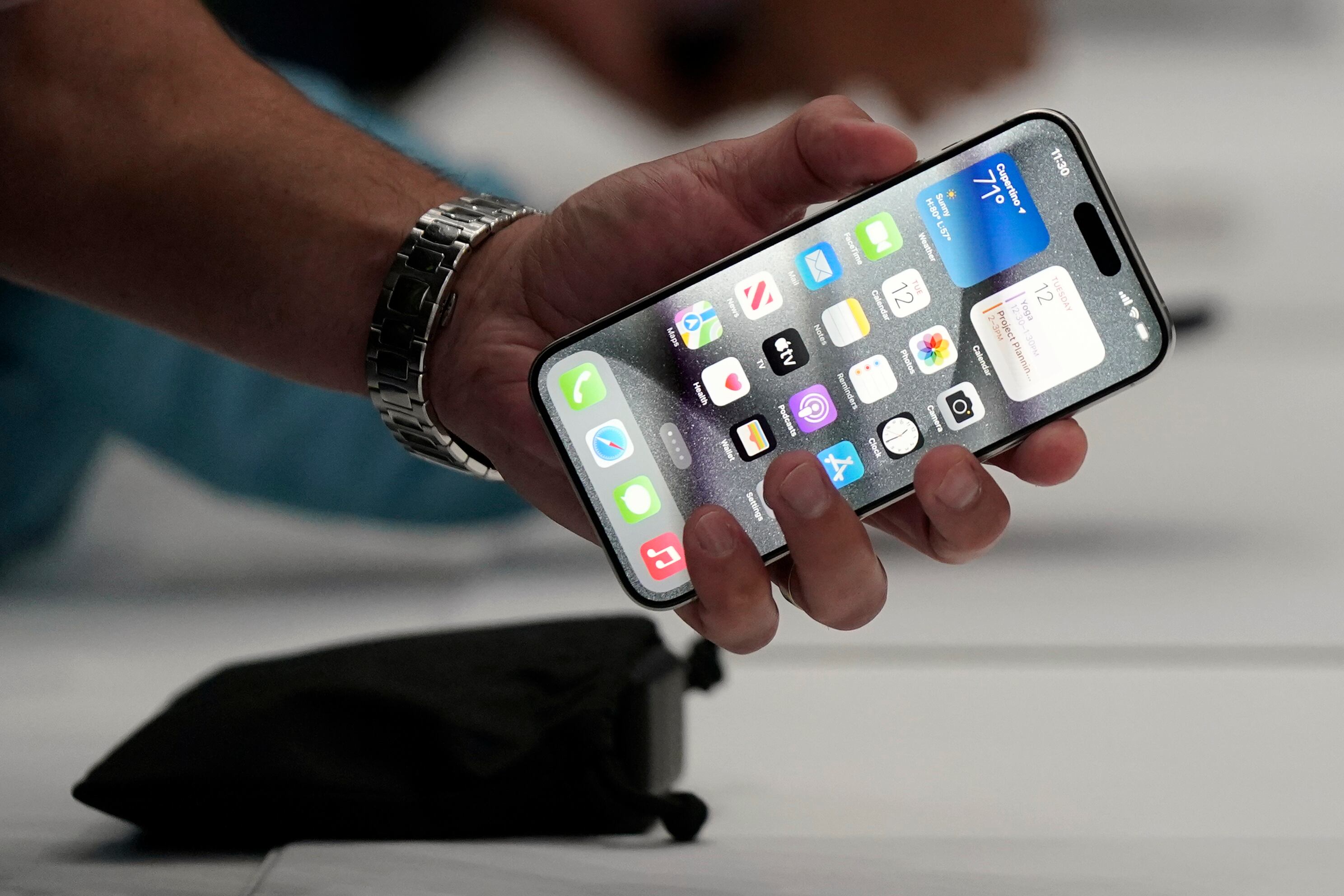
Still, plenty of catalysts could affect the horse race ー investors will be closely watching Apple's big iPhone reveal next Wednesday, and the all-important holiday shopping season will be key for Amazon. Then, of course, there's Microsoft and Google parent Alphabet, both of which are gaining ground, with market caps of about $850 billion each.
But while Amazon's and Apple's runs created plenty of fanfare, they're not the first companies to hit the $1 trillion level. China Petroleum did so on the Hong Kong exchange back in 2007, but those shares have since plummeted, giving the one-time oil giant a current market cap of around $121 billion.
The Q-Collar helps protect athletes from impact-related concussions. Now, the U.S. Army is evaluating if the device could help reduce traumatic brain injury cased by blast weapons.
Co-founder and executive chairman of the board at Vaxxinity Lou Reese shares how the company is working to bring vaccines for chronic illnesses like heart disease and Parkinson’s to market with an eye for accessibility.
Mario Veneroso, Kingsview Asset Management Partner, weighs in on the latest economic data and whether the market is pricing in too many rate cuts for the coming year.
Apple has rolled out an update to its operating system this week with a feature called Stolen Device Protection. It makes it a lot harder for phone thieves to access key functions and settings, and users are being urged to turn it on immediately.
The U.S. economy grew at an unexpectedly brisk 3.3% annual pace from October through December as Americans showed a continued willingness to spend freely despite high interest rates and frustrating price levels.
Alan Becker, CEO and Investment Adviser Representative at Retirement Solutions Group and RSG Investments, shares his thoughts on the latest GDP data plus why he's not sold cryptocurrency as a long-term asset.