*By Kavitha Shastry*
Amazon briefly joined the $1 trillion club Tuesday, becoming the second U.S. company to reach the milestone market cap in as many months.
The e-commerce giant saw shares rise to $2,050.50 just before noon, putting its valuation just about $100 billion behind Apple, which crossed the line a little over a month ago.
That may sound like a huge sum separating the two, but Amazon could actually surpass the iPhone maker in short order ー the stock's 74 percent gain this year is more than double that of Apple, and if shares of both companies keep the same pace, Amazon could close the gap by the end of the year.
Still, plenty of catalysts could affect the horse race ー investors will be closely watching Apple's big iPhone reveal next Wednesday, and the all-important holiday shopping season will be key for Amazon. Then, of course, there's Microsoft and Google parent Alphabet, both of which are gaining ground, with market caps of about $850 billion each.
But while Amazon's and Apple's runs created plenty of fanfare, they're not the first companies to hit the $1 trillion level. China Petroleum did so on the Hong Kong exchange back in 2007, but those shares have since plummeted, giving the one-time oil giant a current market cap of around $121 billion.
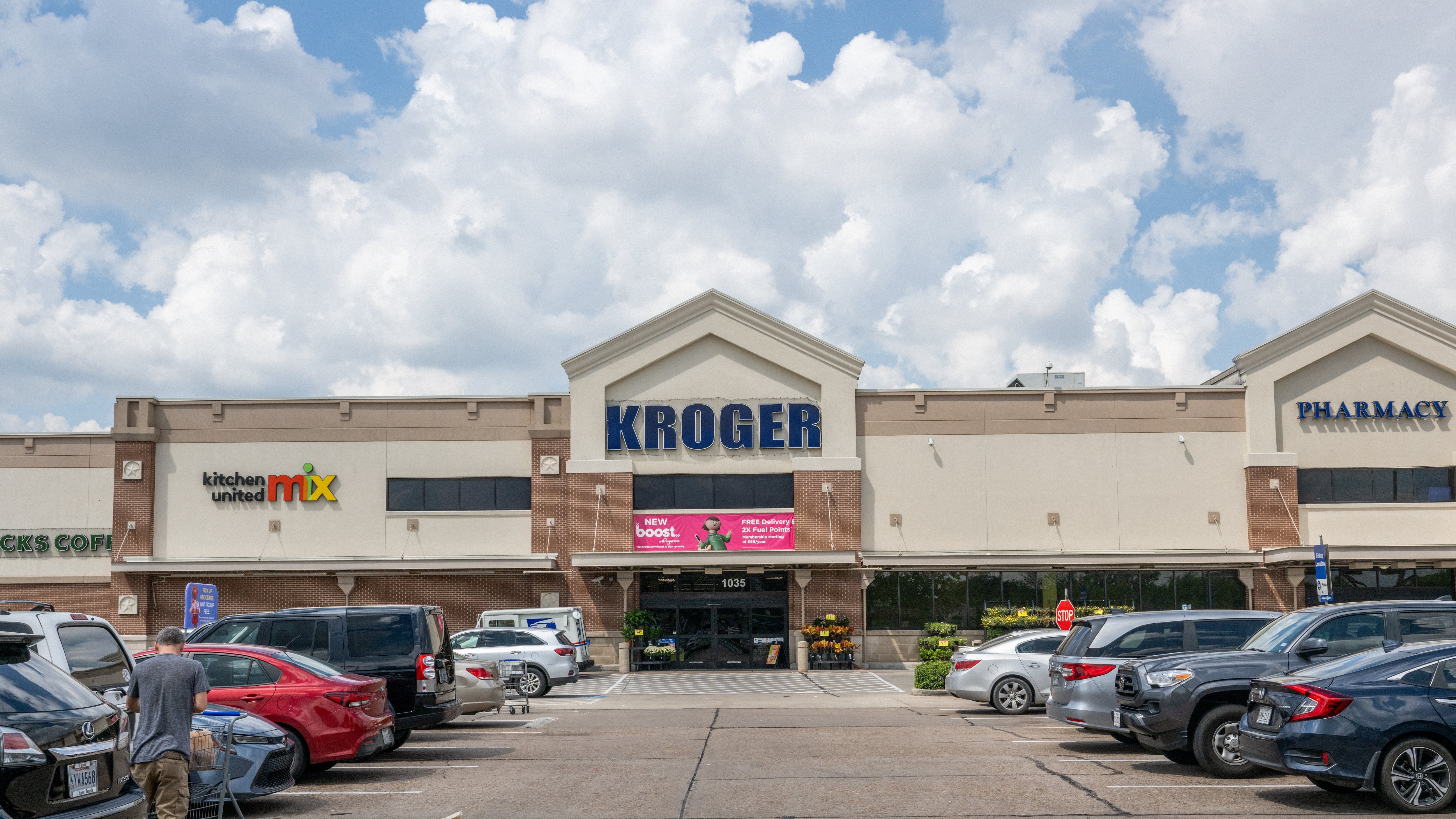
The Federal Trade Commission is suing to block a proposed merger between the two grocery stores. The FTC says the $24.6 billion deal would eliminate competition and lead to higher prices for millions of Americans.
Terecircuits CEO Wayne Rickard explains some of the other companies set to benefit from the Nvidia-led chipmaking rally, including manufacturing and toolmaking companies.
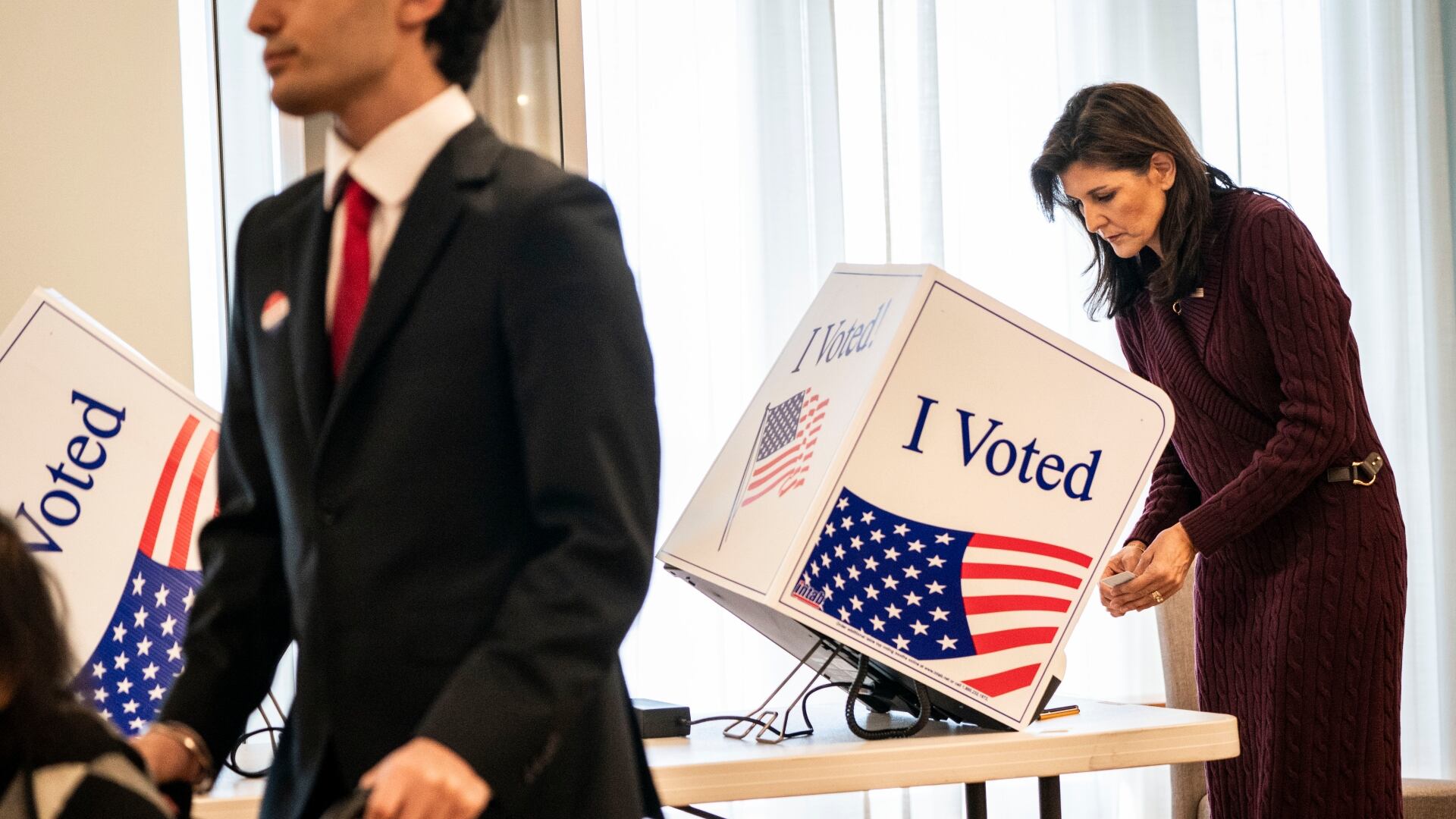
Axios reporter Erin Doherty breaks down the results from the South Carolina primary as former President Trump gets closer to winning the GOP nomination.
Jay Woods of Freedom Capital Markets shares thoughts on how the latest inflation report will impact the market, and why he expects a ‘cascade’ of IPOs if Reddit’s public debut goes well.
During AT&T's widespread outage Thursday, landline phones were a working alternative — which most of the U.S. does not have. Over half of Americans are estimated to have ditched landlines altogether.
Jade Kearney Dube, Founder & CEO of She Matters talks the Symptom Tracker app, cultural competency for healthcare providers, and being a Black woman CEO looking for funding.
Ahead of April’s planned BitCoin halving, Bitfarms CEO Geoff Morphy shares why he thinks the crypto rally will continue, plus why you’ll see a broader adoption of clean energy for mining.