*By Kavitha Shastry*
Amazon briefly joined the $1 trillion club Tuesday, becoming the second U.S. company to reach the milestone market cap in as many months.
The e-commerce giant saw shares rise to $2,050.50 just before noon, putting its valuation just about $100 billion behind Apple, which crossed the line a little over a month ago.
That may sound like a huge sum separating the two, but Amazon could actually surpass the iPhone maker in short order ー the stock's 74 percent gain this year is more than double that of Apple, and if shares of both companies keep the same pace, Amazon could close the gap by the end of the year.
Still, plenty of catalysts could affect the horse race ー investors will be closely watching Apple's big iPhone reveal next Wednesday, and the all-important holiday shopping season will be key for Amazon. Then, of course, there's Microsoft and Google parent Alphabet, both of which are gaining ground, with market caps of about $850 billion each.
But while Amazon's and Apple's runs created plenty of fanfare, they're not the first companies to hit the $1 trillion level. China Petroleum did so on the Hong Kong exchange back in 2007, but those shares have since plummeted, giving the one-time oil giant a current market cap of around $121 billion.
Apple says a Justice Department antitrust lawsuit accusing it of engineering an illegal monopoly in smartphones in the U.S. is “wrong on the facts and the law.”
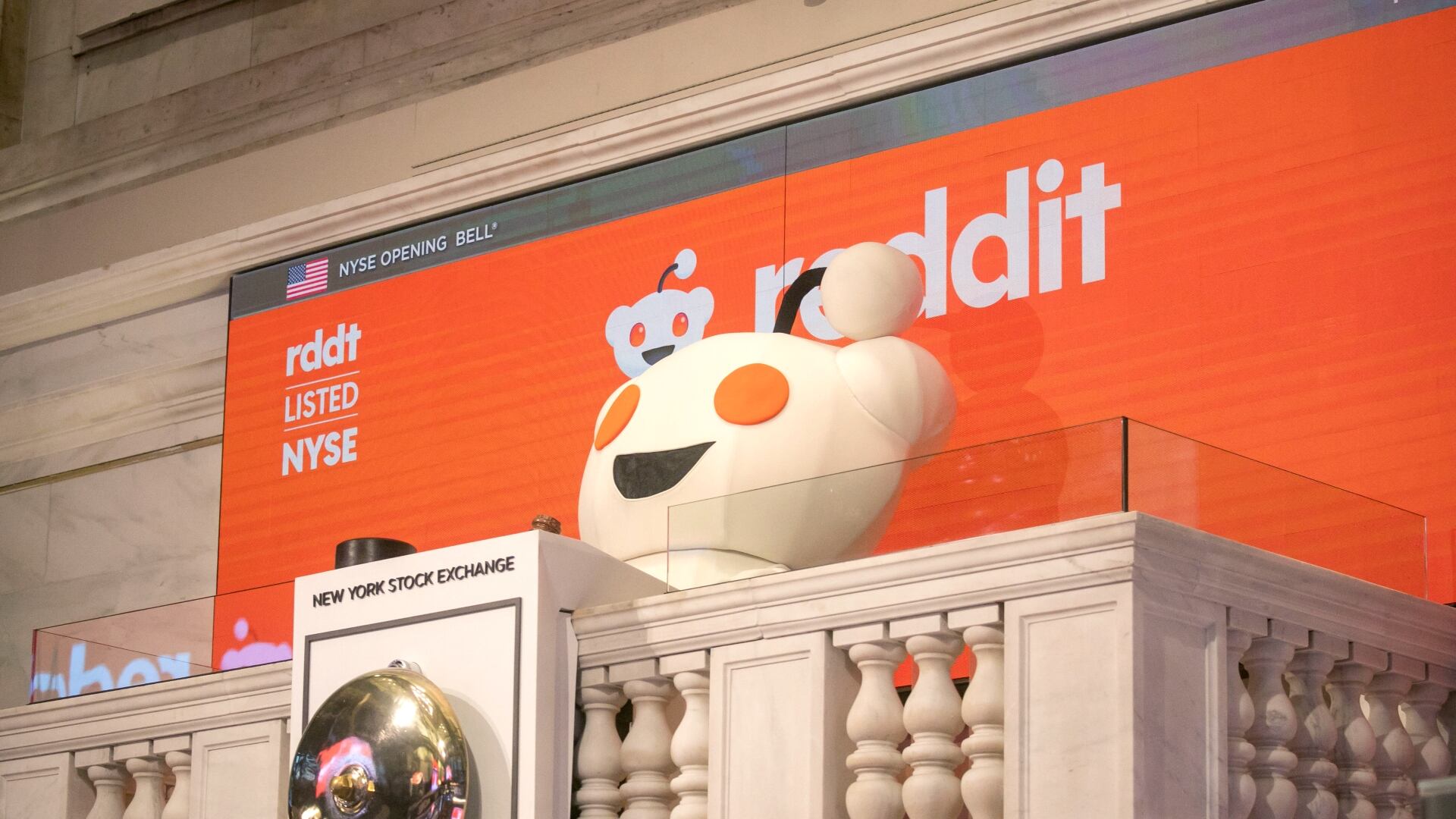
As Reddit shares begin trading at the NYSE, ‘Einstein of Wall Street’ Peter Tuchman breaks down the social platform’s debut and what it means for the overall IPO market in 2024.
CEO and co-founder of Alix, Alexandra Mysoor, discusses why it’s so important for everyone, regardless of income, to both plan and settle their estates.
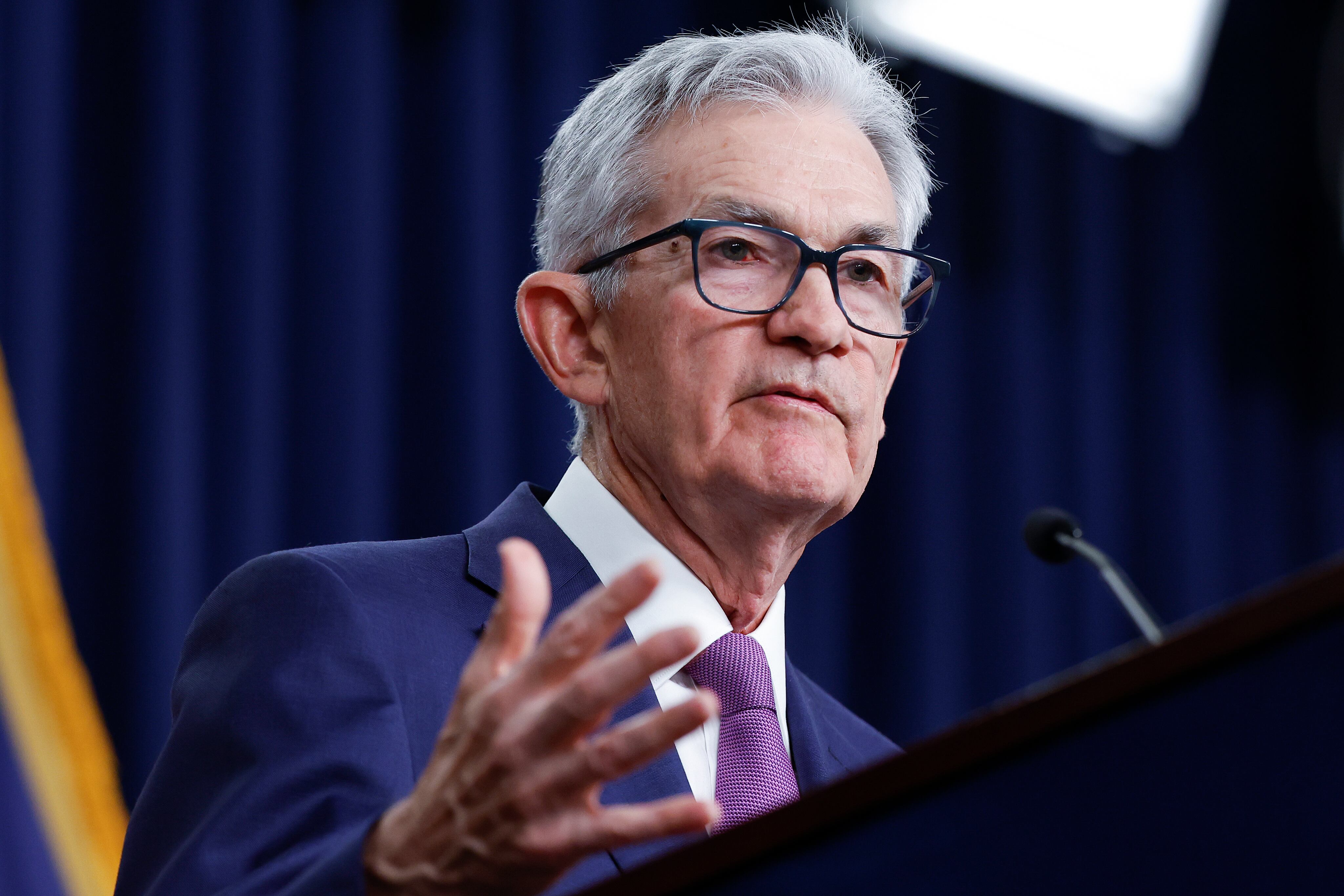
After the Fed forecast three cuts to come in 2024, Kevin D. Mahn, President and CIO at Hennion & Walsh Asset Management breaks down why the market looks strong, and he sees some reasons for concern in Reddit’s choice to IPO.
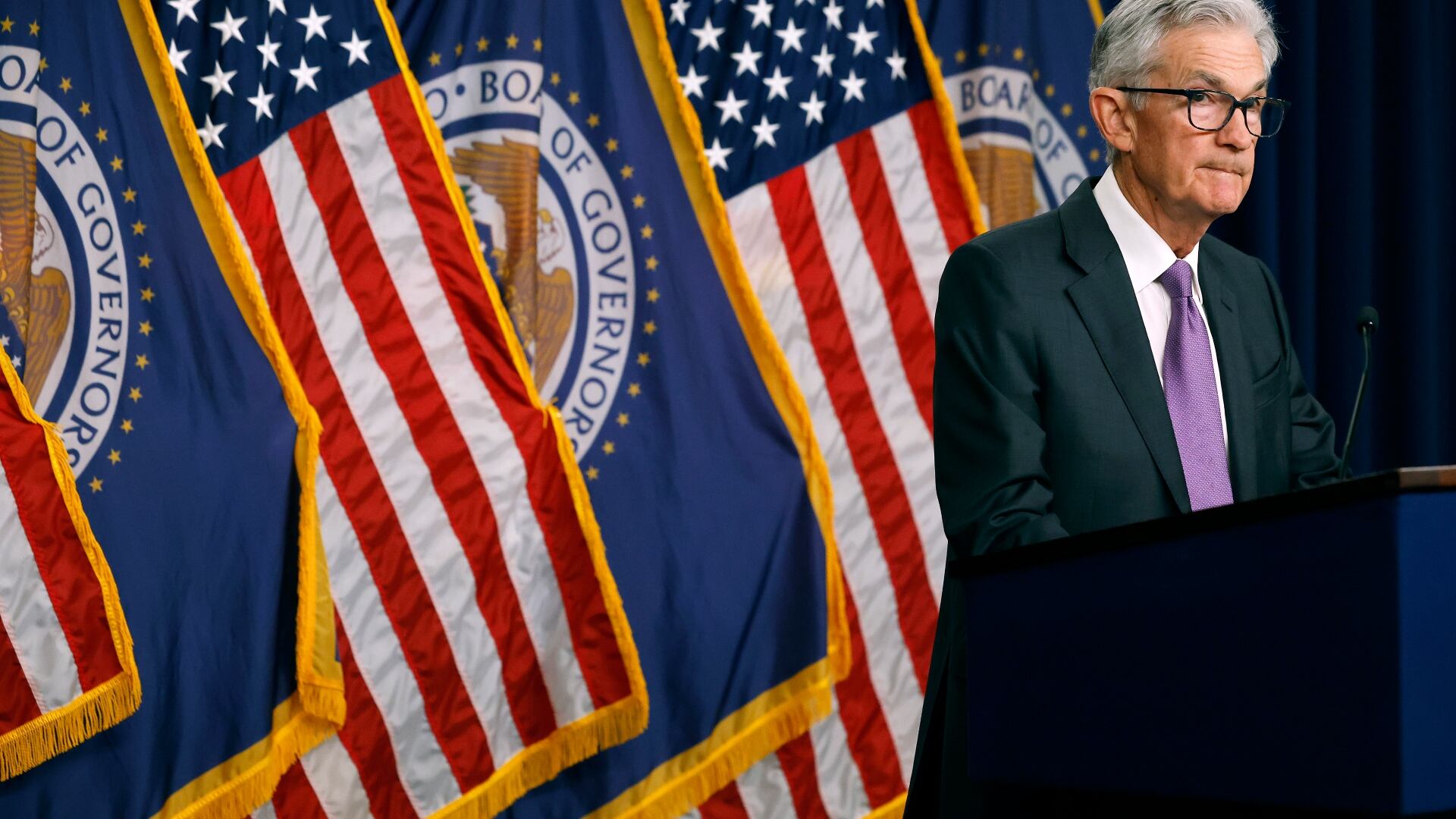
Federal Reserve officials signaled that they still expect to cut their key interest rate three times in 2024 despite signs that inflation was surprisingly high at the start of the year.