Amazon expands its perishable delivery service, pressuring grocers
By Anne D'innocenzio
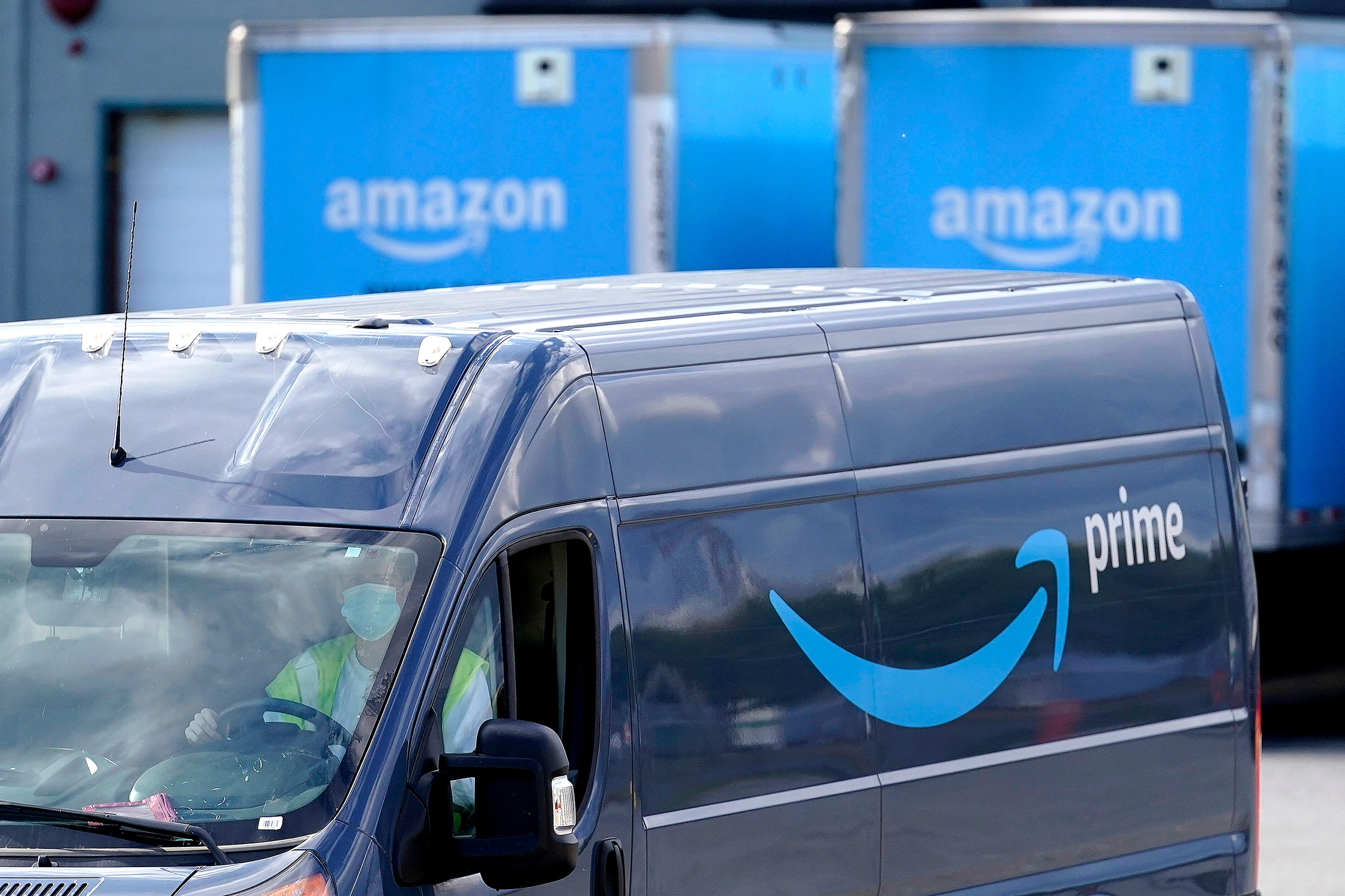
FILE - An Amazon Prime logo appears on the side of a delivery van as it departs an Amazon Warehouse location in Dedham, Mass., Oct. 1, 2020. (AP Photo/Steven Senne, File)
NEW YORK (AP) — Amazon is now rolling out a service where its Prime members can order their blueberries and milk at the same time as their batteries and other basic items.
The online juggernaut said Wednesday that customers in more than 1,000 cities and towns now have access to fresh groceries with its free Same-Day Delivery on orders over $25 for Prime members, with plans to reach over 2,300 by the end of the year.
The company said that if an order doesn’t meet the minimum, members can still choose same-day delivery for a $2.99 fee. For customers without a Prime membership, the service is available with a $12.99 fee, regardless of order size.
In the past, Prime subscribers’ grocery orders were fulfilled through Amazon Fresh or Whole Foods.
The expansion is expected to put more pressure on grocery delivery services offered by such rivals as Walmart, Instacart and Target.
Amanda Chu of POLITICO reveals how lawmakers are betting millions on pharma stocks even as Trump threatens tariffs and demands steep drug price cuts. Watch!
Hayley Berg, Hopper’s lead economist, previews soaring summer 2025 travel: record international flights, cheaper fares for Europe & Asia, plus booking hacks.
NerdWallet Senior Economist Liz Renter shares what she's tracking in economic data, with a focus on U.S. household debt and rising credit card balances. Watch!
At some 940-pages, the legislation is a sprawling collection of tax breaks, spending cuts and other Republican priorities, including new money for national defense and deportations.
Chris Versace, CIO at Tematica Research, joins to discuss earnings season trends, Flash PMI signals, Walmart’s strategy updates, and Nike’s evolving outlook.
Andrew Nusca, Editorial Director at Fortune, dives into WhatsApp’s first-ever ads rollout —and how Meta’s ad push intensifies its showdown with OpenAI.