Amazon expands its perishable delivery service, pressuring grocers
By Anne D'innocenzio
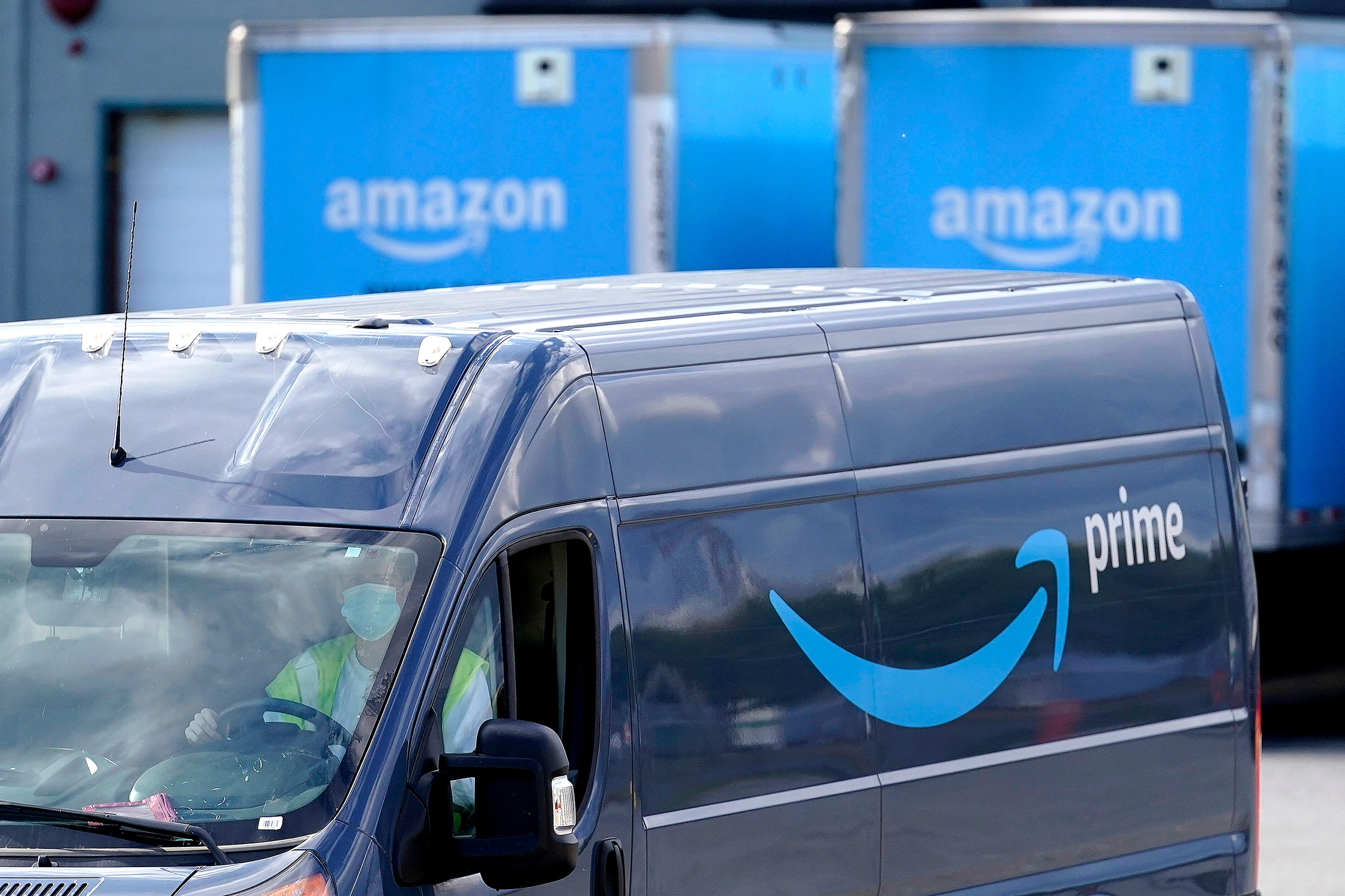
FILE - An Amazon Prime logo appears on the side of a delivery van as it departs an Amazon Warehouse location in Dedham, Mass., Oct. 1, 2020. (AP Photo/Steven Senne, File)
NEW YORK (AP) — Amazon is now rolling out a service where its Prime members can order their blueberries and milk at the same time as their batteries and other basic items.
The online juggernaut said Wednesday that customers in more than 1,000 cities and towns now have access to fresh groceries with its free Same-Day Delivery on orders over $25 for Prime members, with plans to reach over 2,300 by the end of the year.
The company said that if an order doesn’t meet the minimum, members can still choose same-day delivery for a $2.99 fee. For customers without a Prime membership, the service is available with a $12.99 fee, regardless of order size.
In the past, Prime subscribers’ grocery orders were fulfilled through Amazon Fresh or Whole Foods.
The expansion is expected to put more pressure on grocery delivery services offered by such rivals as Walmart, Instacart and Target.
Dr. Richard Besser, President & CEO of the Robert Wood Johnson Foundation and former CDC acting director, unpacks the impact of RFK's mRNA funding cuts.
Jessica Inskip, Director of Investor Research at StockBrokers.com and host of MarketMakeHer, unpacks earnings, market outlook, and what history says is next.
Laura Desmond, CEO of Smartly, explores how Big Tech giants are competing for ad dollars in a shifting digital landscape and how Smartly is here to help.
George Sakellaris, President & CEO at Ameresco, outlines how smart energy upgrades and performance contracts are cutting costs, CO₂, and boosting efficiency.
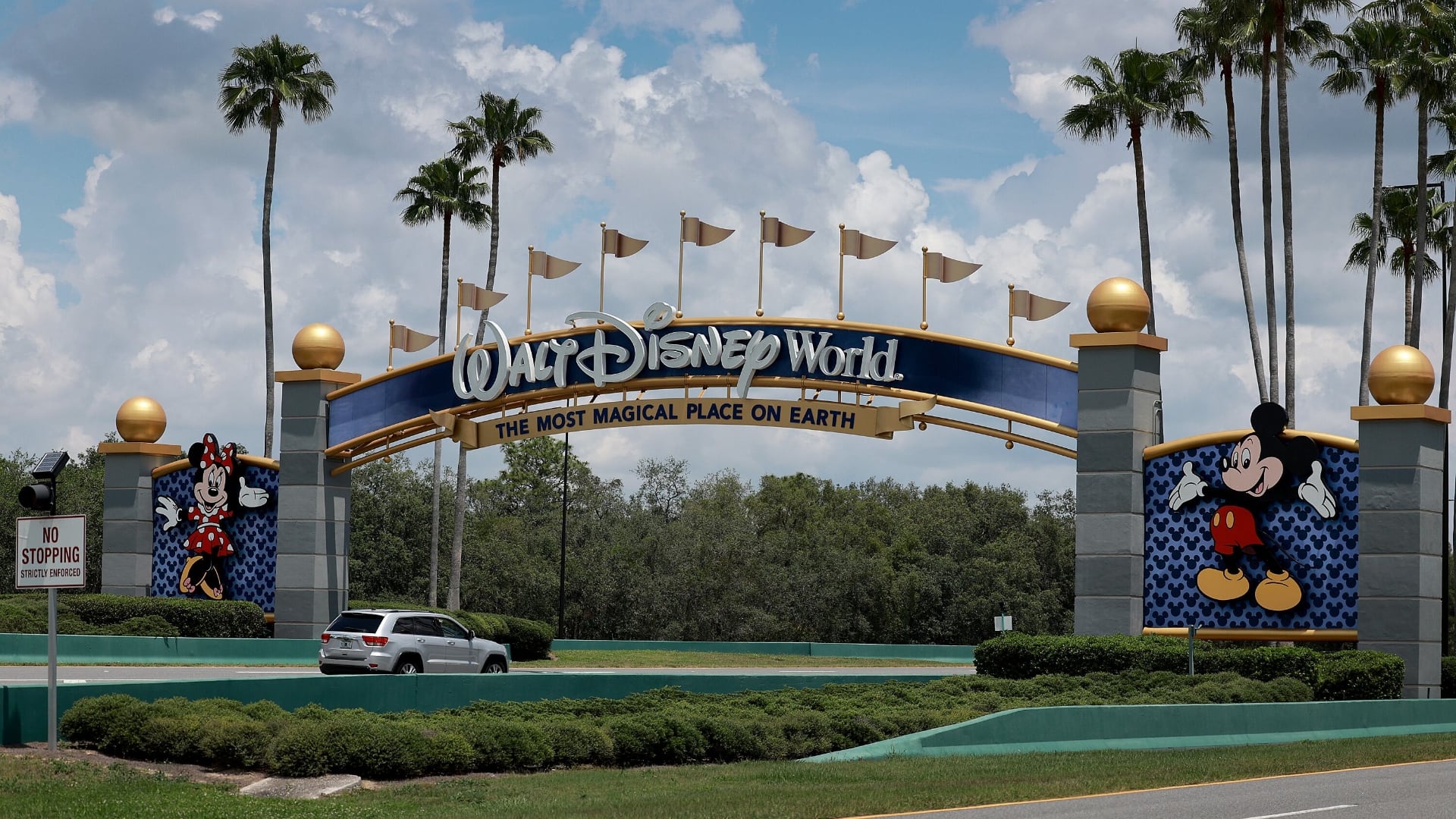
Seth Schachner, Managing Director at Strat Americas, breaks down Disney’s Q3 results: streaming profits, parks growth and ESPN rights deal with the NFL.