The Amazon logo is displayed at a news conference in New York on Sept. 28, 2011. (AP Photo/Mark Lennihan, File)
Amazon is discontinuing its decade-old philanthropic program, AmazonSmile, which allowed customers to donate 0.5 percent of the cost of their purchase to select charities.
Since launching in 2013, AmazonSmile has funneled $500 million to participating charities. The company said the program wasn't having the impact it had hoped.
"The company will continue to pursue and invest in other areas where it can make meaningful change— from providing support to families in need, to using our logistics infrastructure and technology to assist communities impacted by natural disasters," Amazon said in a press release.
While the program will end by February, Amazon will provide participating charities the equivalent of six months of what they earned through AmazonSmile. Those charities will also be able to seek donations from Amazon customers through their own wish lists.
The company also highlighted other charitable initiatives, such as Kind Direct and the new Amazon for Charity store. The former provides goods directly to charities, and the latter allows charities to sell goods on Amazon and collect 100 percent of the profits.
"We’ll continue working to make a difference in many ways, but our long-term commitment to our communities remains the same: we are determined to help create a better world for our customers, our employees, and the communities we serve across the country," it said.
In addition, AmazonSmile's type of philanthropy, often called point-of-sale or checkout charity, has gotten backlash in recent years.
CVS is currently facing a lawsuit charging that it used checkout donations to fund a $10 million commitment to the American Diabetes Association, whereas the company had allegedly given customers the impression that their donation would supplement an initial pledge.
The announcement also comes as Amazon tries to streamline its business amid an industry-wide downturn for tech firms. The ecommerce giant this week laid off 2,300 workers in Seattle and Bellevue.
April's release of the monthly Housing Starts and Building Permits reports by the Census Bureau provides crucial insights into the construction activity in the housing market. These reports are an economic indicator, shedding light on the current state of the housing market and its broader economic impact.
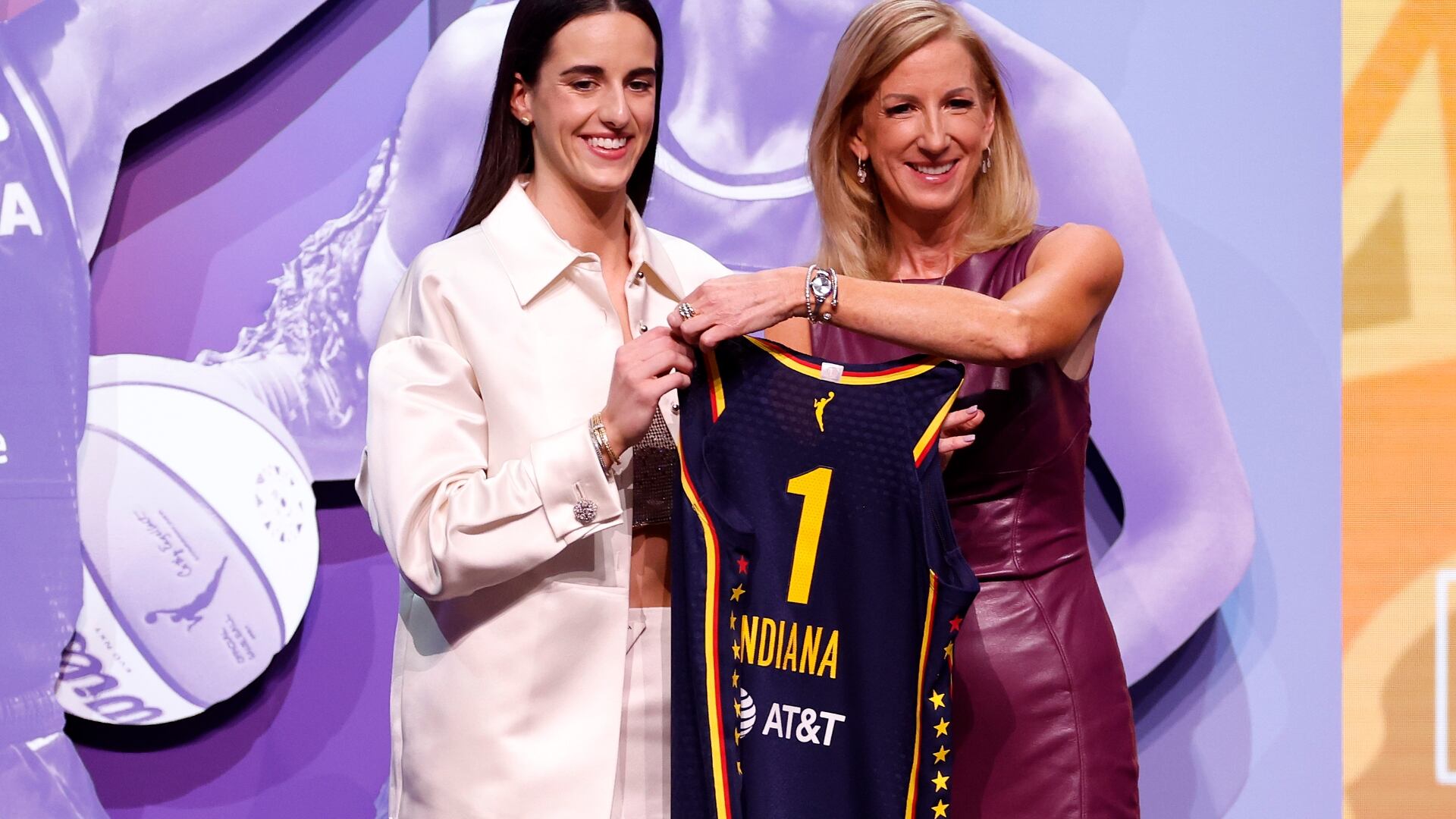
Caitlin Clark is heading to the Indiana Fever, the number one draft pick and the highest-scoring college basketball player of all time. And while she may not be getting millions from the WNBA, there's a few ways she'll net compensation for her generational talents.
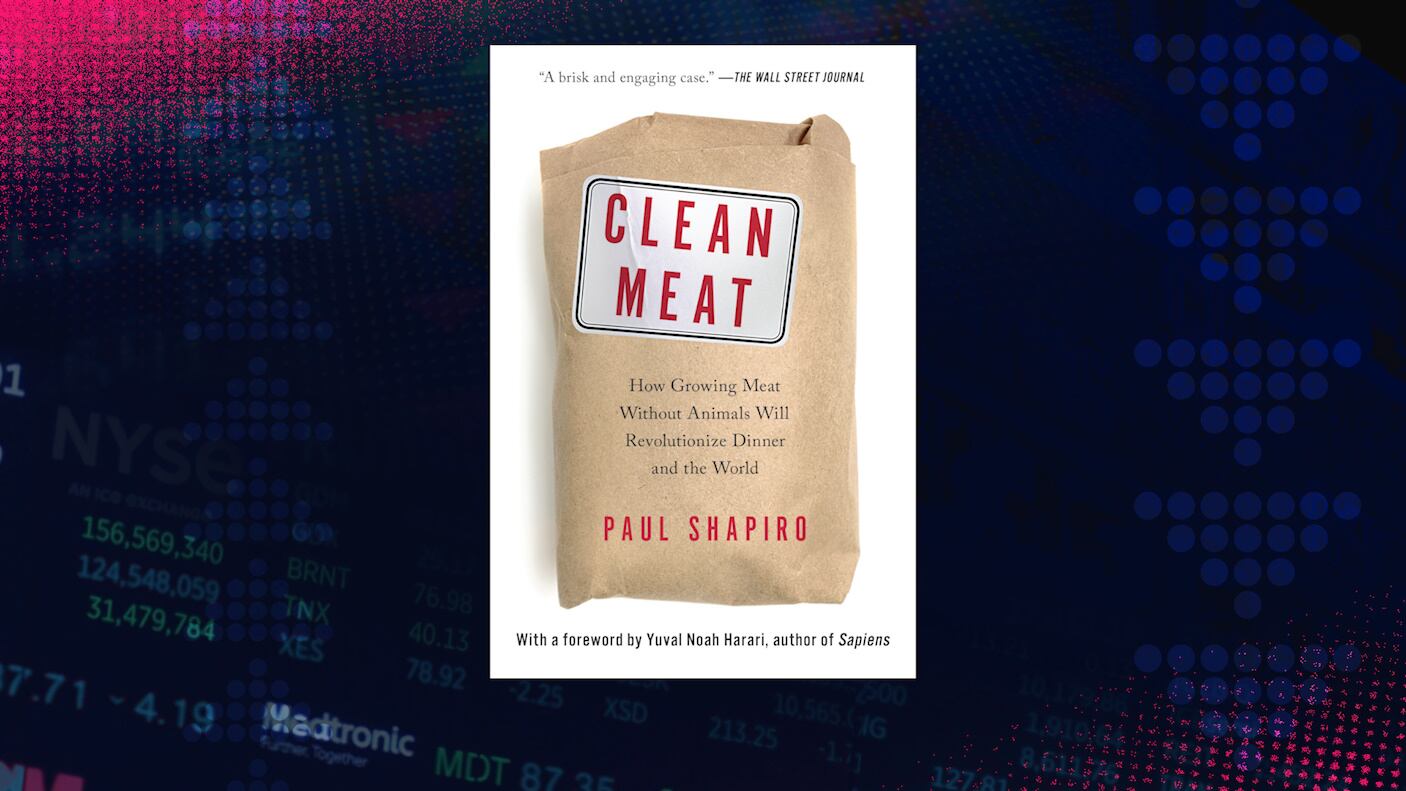
Author of 'Clean Meat,' Paul Shapiro joins Cheddar to discuss how the cellular agricultural revolution helps lower rates of foodborne illness and greatly improves environmental sustainability. Plus, how his company The Better Meat Co. is bringing healthier food options to the table.
Recent headlines might make it sound like World War III is imminent, but when it comes to your finances, it's not the time to panic. The market is coming off its longest winning streak since 2011.
You may have noticed fewer new venture capital-backed startups (like Airbnb or Uber) lately. The market slowed to a crawl after 2021, but things are expected to take off again in 2025.
Corporate earnings season is underway, that time when companies share their billions in sales or double-digit profits. But the data shows even companies are struggling with high inflation and interest rates.
Boeing continues their terrifying trend of having their planes fall apart mid-flight, inflation — checks notes — is still up and the future of AI looks terrifying. Cheery!
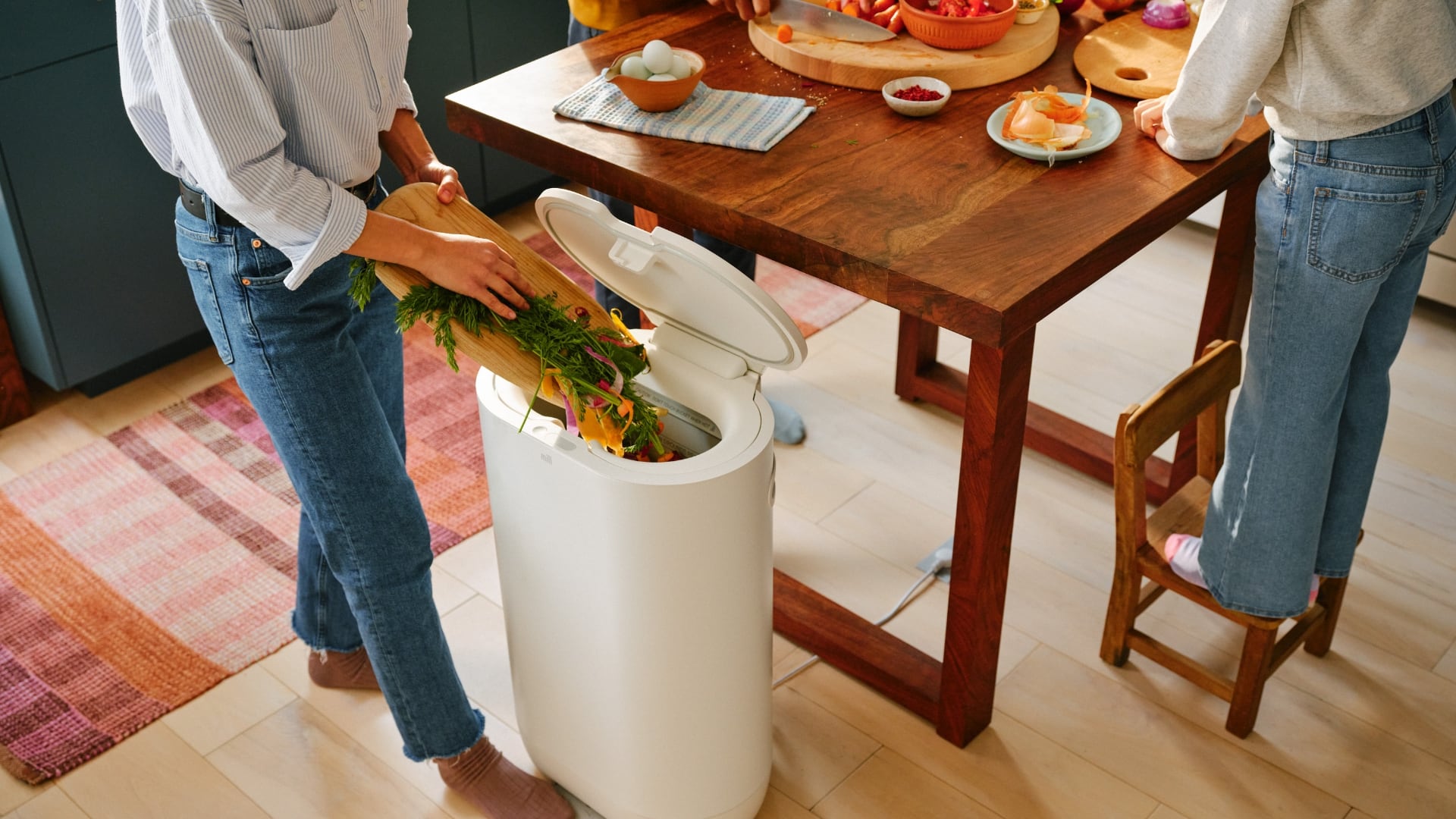
Food waste – uneaten scraps or leftovers sent to landfills – is responsible for 10% of global emissions. Mill, a new product from the co-founder of Nest, thinks technology can play a role in eliminating it.
By the time the 2024 election is over, be prepared to see some form of a recession – but this shouldn’t be as bad as what we experienced in 2020 or 2008.