Amazon has completed its $3.9 billion acquisition of One Medical, a hub for virtual health care services.
The ecommerce giant closed the deal after the Federal Trade Commission said it would not challenge the purchase on anti-trust grounds. However, the agency said it was still investigating the potential impact of the deal on consumers.
With the deal completed, Amazon is now a major provider of primary medical care. The company runs 200 brick-and-mortar doctors' offices and has 815,000 members.
“We’re on a mission to make it dramatically easier for people to find, choose, afford, and engage with the services, products, and professionals they need to get and stay healthy, and coming together with One Medical is a big step on that journey,” said Neil Lindsay, senior vice president of Amazon Health Services, in a press release. “One Medical has set the bar for what a quality, convenient, and affordable primary care experience should be like. We’re inspired by their human-centered, technology-forward approach and excited to help them continue to grow and serve more patients.”
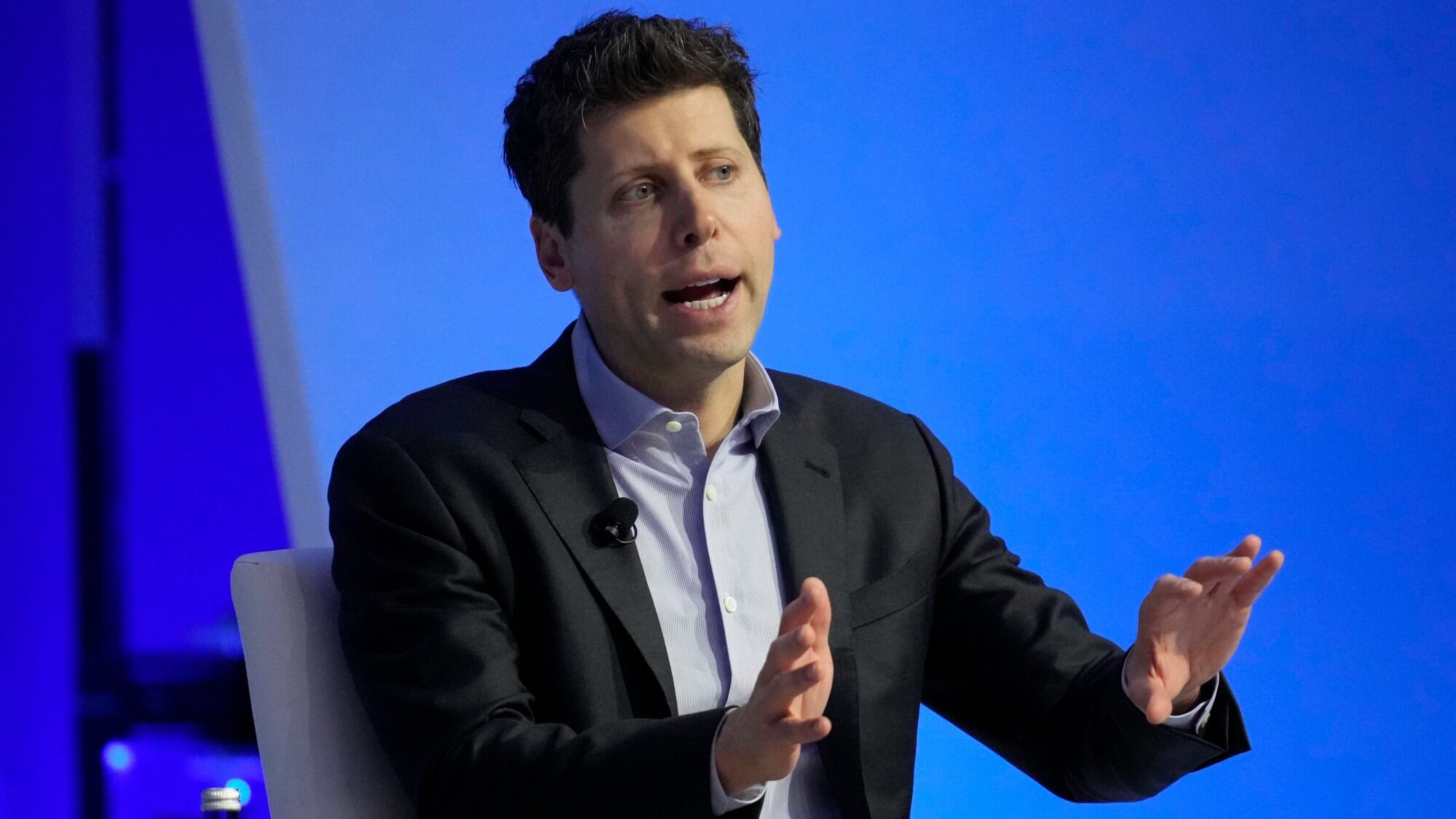
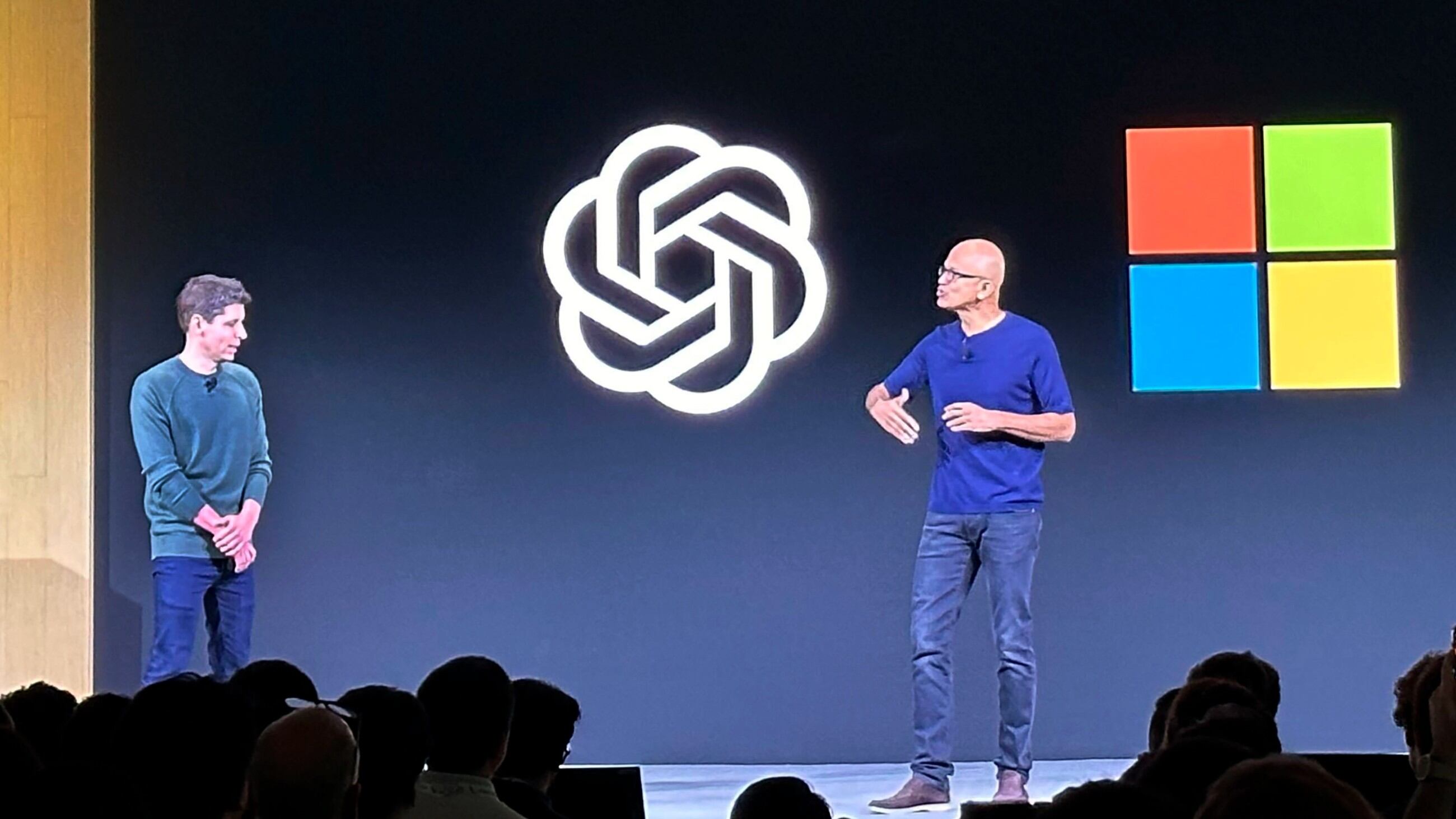
Microsoft has announced that it's hired Sam Altman and another co-founder of ChatGPT maker OpenAI after they unexpectedly departed the company days earlier in a corporate shakeup that shocked the artificial intelligence world.
Many factors lie behind the disconnect, but economists increasingly point to one in particular: The lingering financial and psychological effects of the worst bout of inflation in four decades.
Advertisers are fleeing social media platform X over concerns about their ads showing up next to pro-Nazi content, hate speech on the site in general or billionaire owner Elon Musk’s own posts endorsing an antisemitic conspiracy theory.
Big Business This Week is a guided tour through the biggest market stories of the week, from winning stocks to brutal dips to the facts and forecasts generating buzz on Wall Street.
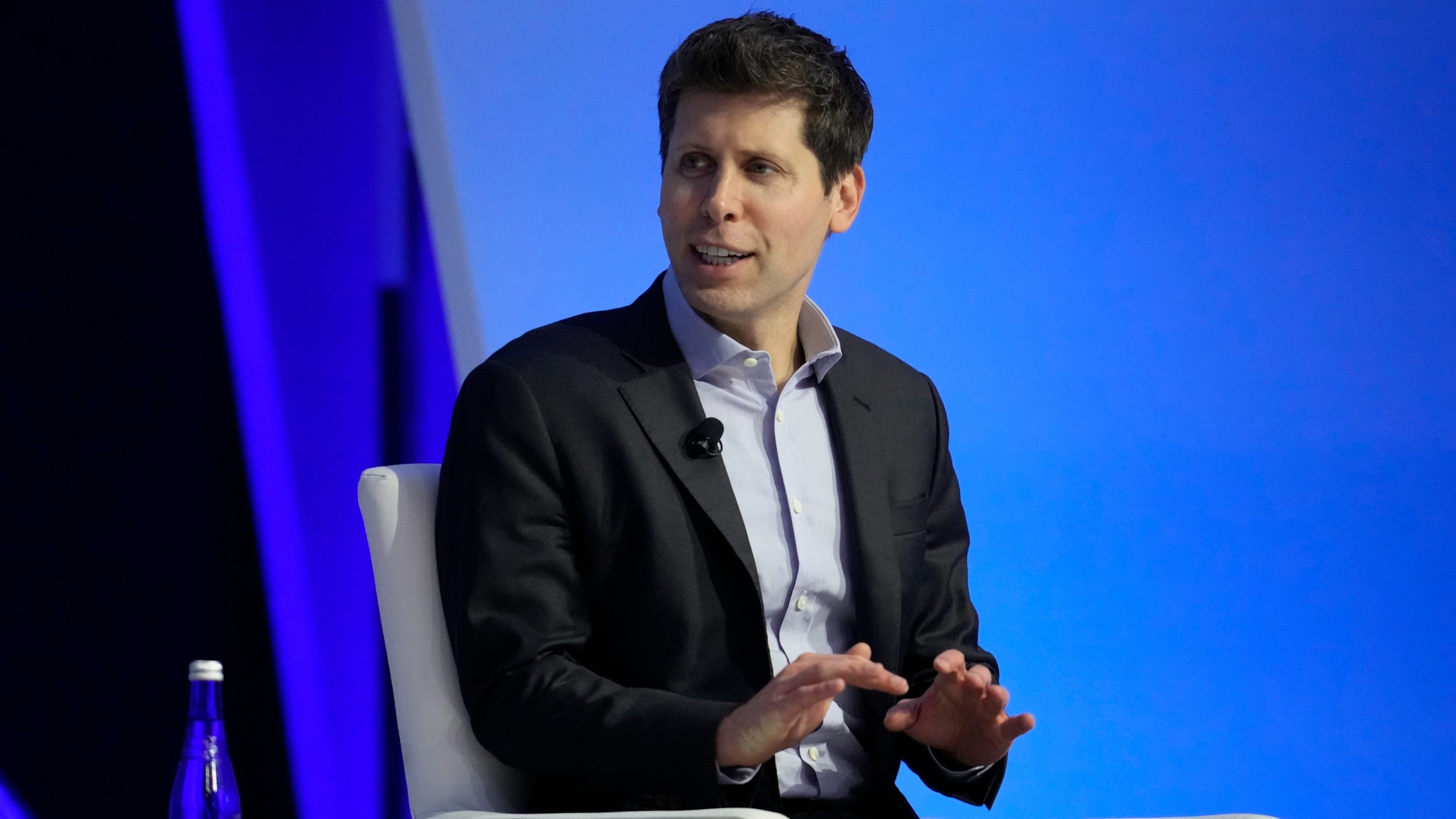
The board of ChatGPT-maker Open AI said Friday it has pushed out its co-founder and CEO Sam Altman after a review found he was “not consistently candid in his communications” with the board.