In September 2019, Amazon pledged to become carbon neutral by 2040. Now the e-commerce giant is launching a $2 billion venture capital fund to help make that goal a reality.
The Climate Pledge Fund will invest in technology companies working to combat climate change in the transportation, logistics, and storage industries.
"We're looking to invest in products and solutions that help us to decarbonize and that really have an impact on our quick evolution to a low-carbon economy," Kara Hurst, head of sustainability at Amazon, told Cheddar.
At the same time, the company released an annual sustainability report showing a 15 percent increase in carbon dioxide emissions in 2019.
However, the report also announced that the company is on a path to run on 100 percent renewable energy by 2025, which is five years ahead of schedule.
Hurst maintains that "e-commerce is inherently more sustainable" than other consumer options, and that expanding Amazon's warehouse and distribution network into local markets will help cut down carbon emissions for individual orders.
"We're looking at all the ways that we can place products closer to our customers and continue to drive down carbon that way," she said.
One area where Amazon is already working to balance higher business volume with sustainable goals is in packaging. Since 2015, the company has reduced packaging weight by 33 percent and cut more than 880,000 tons of packaging material, equalling roughly 1.5 billion shipping boxes.
"We have been on this path for a long time, and will continue to be on the path," Hurst said.
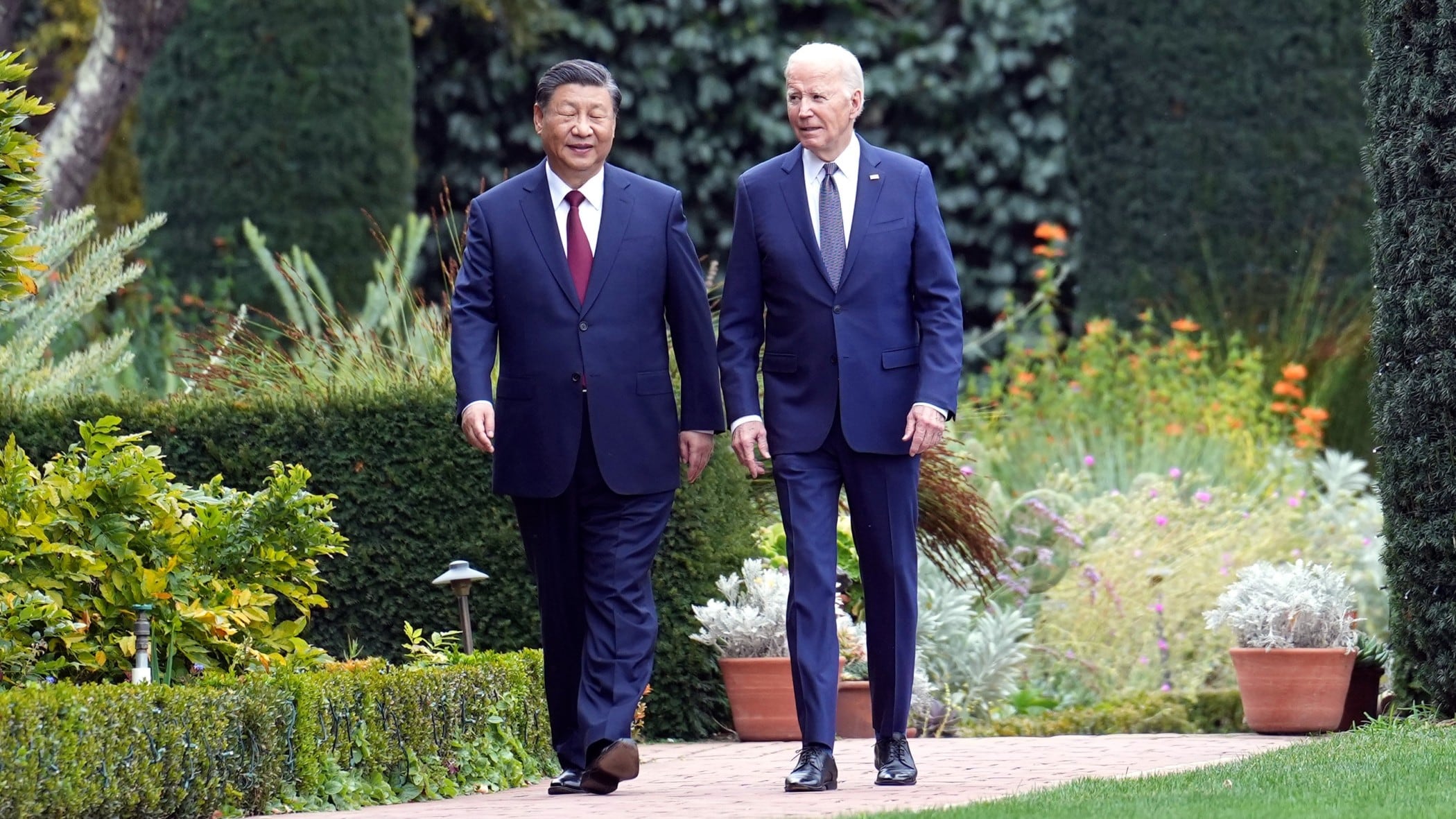
President Joe Biden and Chinese President Xi Jinping have discussed Taiwan, artificial intelligence and security issues in a call meant to demonstrate a return to regular leader-to-leader dialogue between the two powers.
April is Earth month, and while the green revolution might feel far away, the founder of climate VC Siam Capital says it’s on it’s way, and, even better: it won't cost you more.
From snow in April to heatwaves in December, it’s hard to plan a trip in a climate change world. Startup Sensible Weather thinks weather-based travel reimbursements are the solution.
Between corporate debt and the widening gap between ‘the haves and the have nots,’ there are reasons to be cautious about the economy, even with interest rate cuts on their way.
If the A.I. hype hasn’t given you enough of a reason to be excited (and a little terrified), the CEO of Zapata AI says the next frontier is designing bridges or creating pharmaceutical drugs.
Stocks are near record highs, inflation is moderating, and analyst Deiya Pernas is 'optimistic' the U.S. is heading for a soft landing without a recession – which is good news for your wallet.
Google co-founders Larry Page and Sergey Brin loved pulling pranks, so much so they began rolling outlandish ideas every April Fools' Day not long after starting their company more than a quarter century ago.