In this Sept. 12, 2011, file photo, a woman exercises by climbing the rows of seats at the Red Rocks Amphitheatre near Denver, Colo. Amazon says it is bringing its palm-recognition technology to the Red Rocks Amphitheatre and it will be available at other venues in the coming months. It’s the first time the technology, called Amazon One, will be used outside some of Amazon’s stores, where shoppers can pay for groceries and snacks by swiping their palms. (AP Photo/Ed Andrieski, File)
By Joseph Pisani
Your palm could soon be your ticket into a concert.
Amazon says it is bringing its palm-recognition technology to the Red Rocks Amphitheatre in Denver and it will be available at other venues in the coming months. It’s the first time the technology, called Amazon One, will be used outside some of Amazon’s stores, where shoppers can pay for groceries and snacks by swiping their palms.
Starting Tuesday, concertgoers at Red Rocks can sign up to connect their palm to a ticketing account by hovering their hand over a device. They only need to sign up once and then can use their palm to get into other shows and events at the venue. An Amazon account is not needed to use it.
Amazon signed a deal with entertainment company AEG to bring the technology to Red Rocks, which sells tickets on AEG's ticketing site, AXS.
Bryan Perez, CEO of AXS, said other venues plan to add the technology in the coming months but he declined to say where or how many. AEG partners with more than 350 stadiums and theaters around the world.
Concertgoers can get to their seats faster with their palm than holding up their phone to an attendant to scan a bar code, Perez said. Those who want to scan their palms will have a separate lane to enter.
“You don’t have to fumble around with your phone," said Perez. “Your hand is always attached to your body.”
Privacy experts have warned against companies using biometric data, such as face or palm scans, because of the risk of it being hacked and stolen. Amazon said it keeps the palm images in a secure part of its cloud and doesn’t store the information on the Amazon One device. Users can also ask for their information to be deleted at any time, Amazon said.
President Biden announced a ban on Russian oil and natural gas imports to the U.S. in response to its invasion of Ukraine, a move he warned could lead to an even greater surge in gas prices. The ban is prompting a conversation about the current oil production levels in the U.S. and whether or not the industry can ramp up production to soften the blow to American families at the gas pump. Clark Williams-Derry, Energy Finance Analyst with the Institute for Energy Economics and Financial Analysis, breaks down the state of the U.S. oil industry and how the ban might impact production levels here at home.
PepsiCo, Coca-Cola, McDonald’s, and Starbucks are the latest American food brands to have halted business operations in Russia after having faced scrutiny and criticism for originally failing to do so amid the country's invasion of Ukraine.
As Russia intensifies its war on Ukraine, President Biden announced a ban on oil imported from the aggressor nation. Critics of Russia have said this would be the best way to force Putin to pull back, but curbs on Russian oil exports are expected to send already skyrocketing oil and gas prices even higher, further impacting consumers, businesses, financial markets, and the global economy. Leslie Beyer, CEO of the Energy Workforce and Technology Council, joined Cheddar News' Closing Bell to discuss. "It's certainly going to increase pricing, but it is the right thing to do," she said. "The industry itself has already pulled out of the significant portion of its operations in Russia."
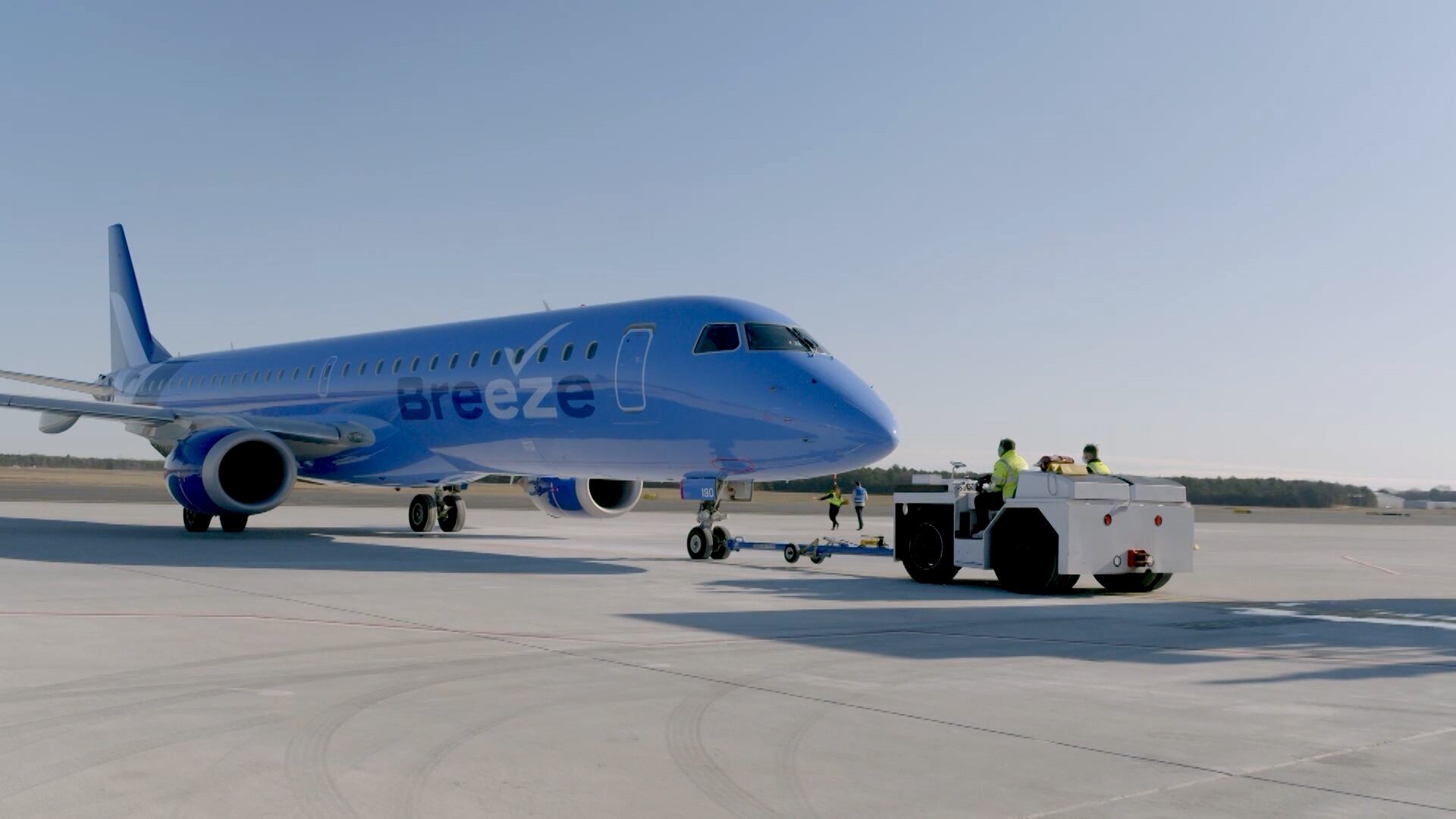
As airlines recover from COVID-19 and the industry becomes more competitive than ever, low-fare carrier Breeze Airlines is offering 35 new routes and reduced prices for its first-class experiences. CEO David Neeleman joined Cheddar News to talk about the rollout of services amid plenty of headwinds including high fuel costs. "We can limit a lot of costs because we're a technology company that happens to fly airplanes," he noted.
Despite women as a whole being among the groups most impacted by pandemic job losses, homesharing platform Airbnb reported that women hosts brought in $12 billion in revenue last year. Catherine Powell, Airbnb's global head of hosting, joined Cheddar News to discuss how women hosting has become a huge asset for the company. "Last year 21 percent more women joined the platform than men," she said. "So they are joining the platform. They are being successful. They're more super hosts, and they're doing incredibly well."