In this Sept. 12, 2011, file photo, a woman exercises by climbing the rows of seats at the Red Rocks Amphitheatre near Denver, Colo. Amazon says it is bringing its palm-recognition technology to the Red Rocks Amphitheatre and it will be available at other venues in the coming months. It’s the first time the technology, called Amazon One, will be used outside some of Amazon’s stores, where shoppers can pay for groceries and snacks by swiping their palms. (AP Photo/Ed Andrieski, File)
By Joseph Pisani
Your palm could soon be your ticket into a concert.
Amazon says it is bringing its palm-recognition technology to the Red Rocks Amphitheatre in Denver and it will be available at other venues in the coming months. It’s the first time the technology, called Amazon One, will be used outside some of Amazon’s stores, where shoppers can pay for groceries and snacks by swiping their palms.
Starting Tuesday, concertgoers at Red Rocks can sign up to connect their palm to a ticketing account by hovering their hand over a device. They only need to sign up once and then can use their palm to get into other shows and events at the venue. An Amazon account is not needed to use it.
Amazon signed a deal with entertainment company AEG to bring the technology to Red Rocks, which sells tickets on AEG's ticketing site, AXS.
Bryan Perez, CEO of AXS, said other venues plan to add the technology in the coming months but he declined to say where or how many. AEG partners with more than 350 stadiums and theaters around the world.
Concertgoers can get to their seats faster with their palm than holding up their phone to an attendant to scan a bar code, Perez said. Those who want to scan their palms will have a separate lane to enter.
“You don’t have to fumble around with your phone," said Perez. “Your hand is always attached to your body.”
Privacy experts have warned against companies using biometric data, such as face or palm scans, because of the risk of it being hacked and stolen. Amazon said it keeps the palm images in a secure part of its cloud and doesn’t store the information on the Amazon One device. Users can also ask for their information to be deleted at any time, Amazon said.
Former Medtronic CEO and author of 'True North' Bill George explains the steps Boeing leadership must take to regain client and consumer trust after 737 Max 9 production was stopped.
Amazon blamed "regulatory hurdles" for calling off its proposed acquisition of robot vacuum maker iRobot. Not even a Roomba could clean up the deal's antitrust scrutiny.
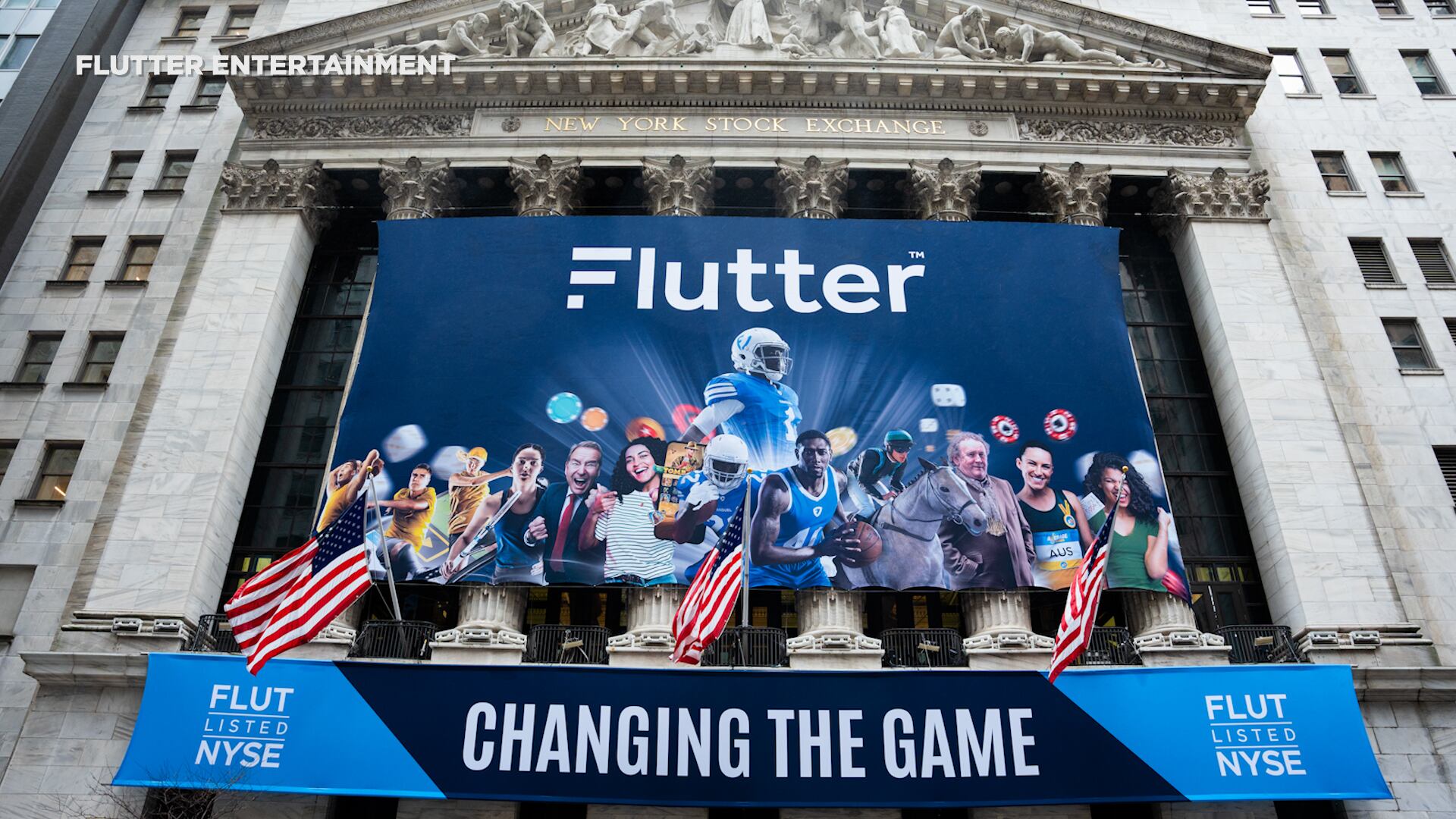
To celebrate Flutter Entertainment's debut on the NYSE, FanDuel CEO Amy Howe shares her thoughts on the company's plans for growth, the future of online sportsbetting, and Super Bowl Sunday.
Investopedia's Caleb Silver shares thoughts on the upcoming Fed meeting, why individual investors are still slightly skeptical, and what he's looking for from mega cap tech earnings.
Season's greetings! Tax season, that is. January 29 is the first day you can file your tax return. We walk you through each step — plus a checklist you can download.
The Q-Collar helps protect athletes from impact-related concussions. Now, the U.S. Army is evaluating if the device could help reduce traumatic brain injury cased by blast weapons.
Co-founder and executive chairman of the board at Vaxxinity Lou Reese shares how the company is working to bring vaccines for chronic illnesses like heart disease and Parkinson’s to market with an eye for accessibility.
Mario Veneroso, Kingsview Asset Management Partner, weighs in on the latest economic data and whether the market is pricing in too many rate cuts for the coming year.