Altria on Thursday wrote down the investment it made last December in Juul Labs by more than a third, an implicit recognition that the stake the cigarette giant took in the embattled vape company was among the most ill-timed in recent corporate history.
The $4.5 billion writedown gives Juul a new valuation of about $24 billion. Late last year, Altria paid nearly $13 billion for a 35 percent stake in Juul, just before Juul became the target of regulators, politicians, and health officials who blamed it for stoking a major spike in youth vaping.
In its earnings call, Altria said it would continue to support the leadership changes at Juul, which is now run by a former Altria executive, and planned layoffs that could reduce headcount by as much as 15 percent.
Earlier this week, Fidelity also cut the value of its Juul stake by nearly 50 percent. Juul had been part of Fidelity's Blue Chip Growth Fund. The fund reported that its Juul investment fell a whopping $352 million in September alone as the government's crackdown on flavored vape products ramped up and more reports surfaced of people dying from a mysterious vaping-related illness. None of those deaths ー 34 have been confirmed as of last week ー have been directly tied to Juul products. BuzzFeed also reported this week on an explosive lawsuit by a former Juul executive who alleges that the company shipped more than a million contaminated pods to customers. Juul has called that suit baseless.
Altria's major investment in Juul was the clearest indication that the big cigarette makers, facing a worldwide decline in smoking, saw their future in vaporized nicotine. Nearly a year later, that bet is anything but clear.
Jason Moser, analyst and adviser at the Motley Fool, shares thoughts on recent tech earnings, including what’s behind Google’s share price drop and why A.I. could be Microsoft’s ‘iPhone moment.’
CEOs of social media platforms like Facebook, TikTok, and more meet with lawmakers Wednesday about how they are protecting children from sexual exploitation.
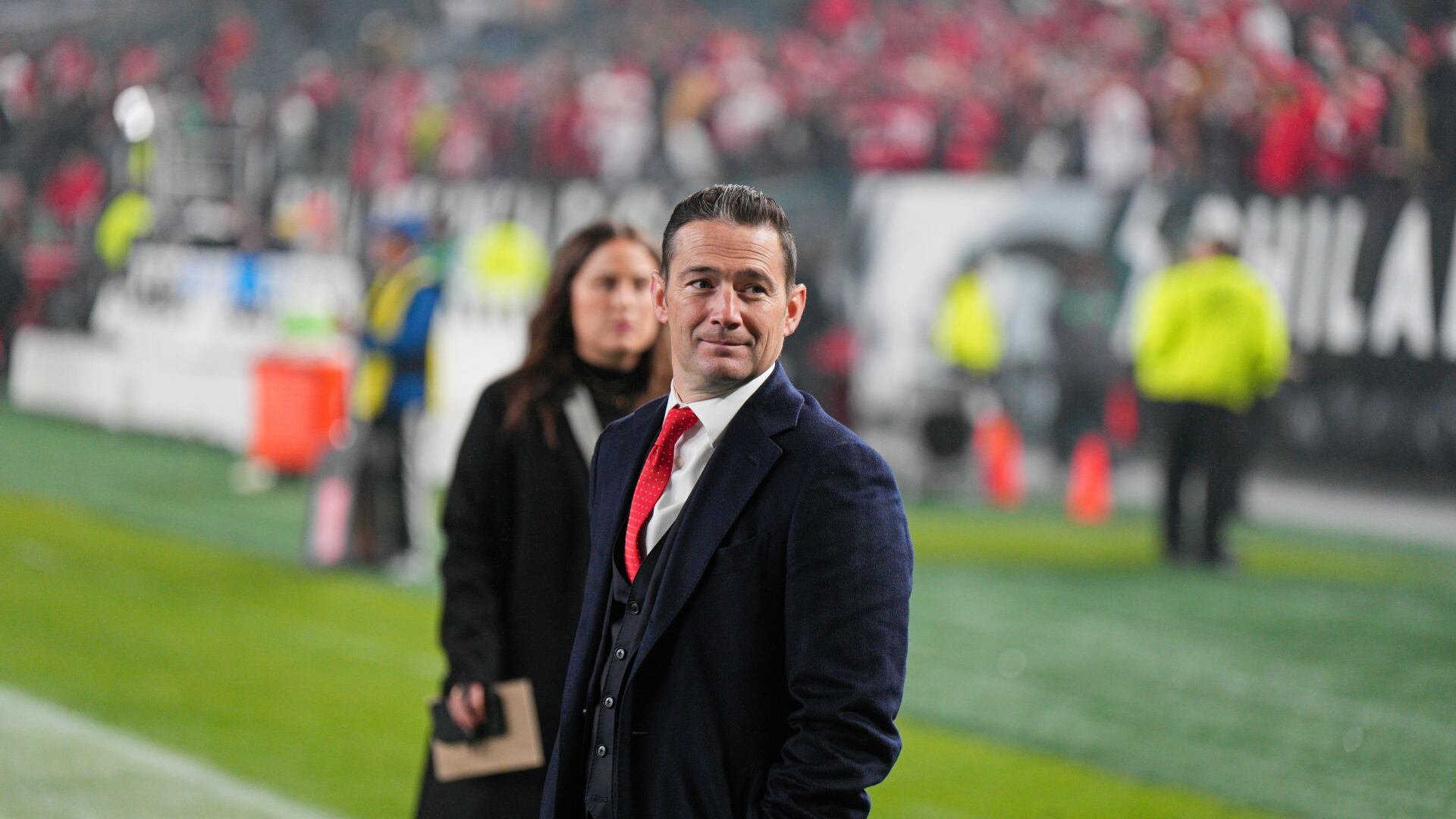
San Francisco 49ers president Al Guido discusses what goes into preparing for Super Bowl LVIII, building a championship-ready team, and how Taylor Swift and streaming are both bringing new fans to the NFL.
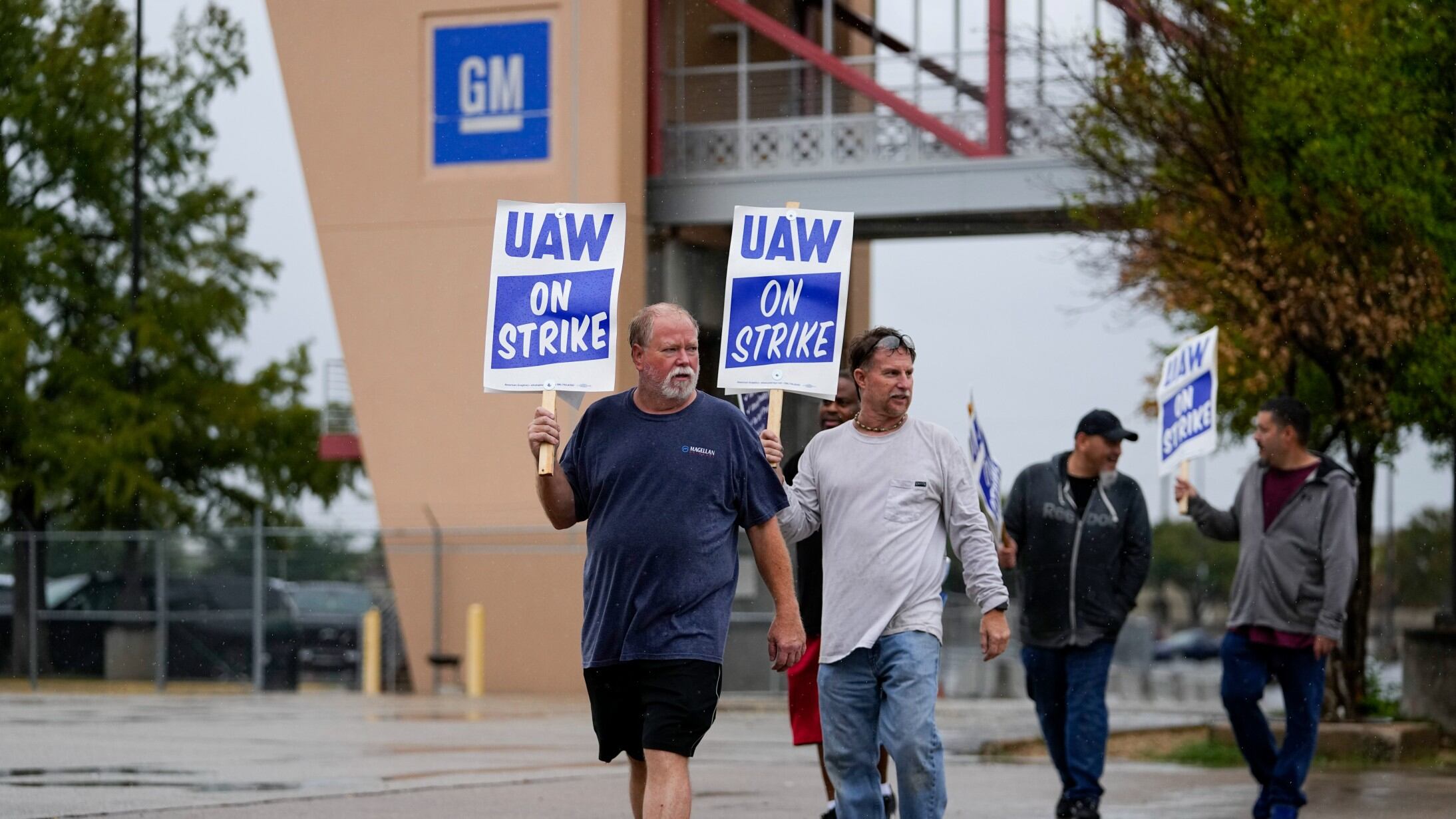
A $1 billion loss from a six-week strike did not crash GM's net income last year, which instead rose 12% — and the automaker expects improvement in 2024, too.
Accrue CEO and founder Michael Hershfield explains why Americans' credit card delinquencies are on the rise, advice on what can help, and the key difference between Boomers and Gen Z when it comes to money.
Senior Economist at Morning Consult Kayla Bruun shares thoughts on what to expect from the Fed's January meeting and where monetary policy is headed, as well as how consumers are faring.
Former Medtronic CEO and author of 'True North' Bill George explains the steps Boeing leadership must take to regain client and consumer trust after 737 Max 9 production was stopped.
Amazon blamed "regulatory hurdles" for calling off its proposed acquisition of robot vacuum maker iRobot. Not even a Roomba could clean up the deal's antitrust scrutiny.
To celebrate Flutter Entertainment's debut on the NYSE, FanDuel CEO Amy Howe shares her thoughts on the company's plans for growth, the future of online sportsbetting, and Super Bowl Sunday.