Alexandra Pelosi Ventures into 'Trump Country' for New Documentary
*By Max Godnick*
Attending a Trump rally can be daunting for any self-proclaimed liberal ー even more so if your last name is Pelosi.
But an experience with her political opposites left Alexandra Pelosi, the documentarian and youngest daughter of House Minority Leader Nancy Pelosi, feeling hopeful.
"We all need to burst out of our own bubbles and see what the other people are thinking," Pelosi said Monday in an interview on Cheddar.
Pelosi directed, produced, and shot the entire process for her new documentary "Outside the Bubble: On the Road With Alexandra Pelosi," that follows the filmmaker and her family as they leave the confines of the Manhattan echo chamber and enter the heart of Trump country.
The trip brought her to what she called "the fault lines of cultural divide" including Charlottesville, Va., the U.S.-Mexico border, and a Pennsylvania coal mine.
"My takeaway was, it's hard to hate up close," Pelosi said of making the film.
Despite Pelosi's famous last name, which she described as a "curse word," many of her interview subjects invited her to dinner, opened their homes for the night, and ended their conversations with a "big hug."
While she tackled immigration, the environment, and the #MeToo movement, among other topics in the film, Pelosi said she was struck by most Americans' fixations on a single issue: jobs.
"It's easy to sit here and say global warming is the most important issue in the world," she said. "If you don't have food to feed your family, global warming is not the most important issue."
Pelosi is particularly concerned about the importance of having a "balanced media diet."
She banned MSNBC and CNN from her household in an effort to discourage her kids from becoming "pod people."
By watching and reading a more diverse slate of news and opinions, Pelosi thinks Americans will grow smarter and more accepting of each other's differences.
"We can't just read our New Yorkers and our New York Times and think we're fully-educated people because we're not," she said.
"Outside the Bubble: On the Road With Alexandra Pelosi" debuts Monday on HBO.
For full interview [click here](https://cheddar.com/videos/alexandra-pelosi-steps-outside-the-bubble-in-her-new-documentary).
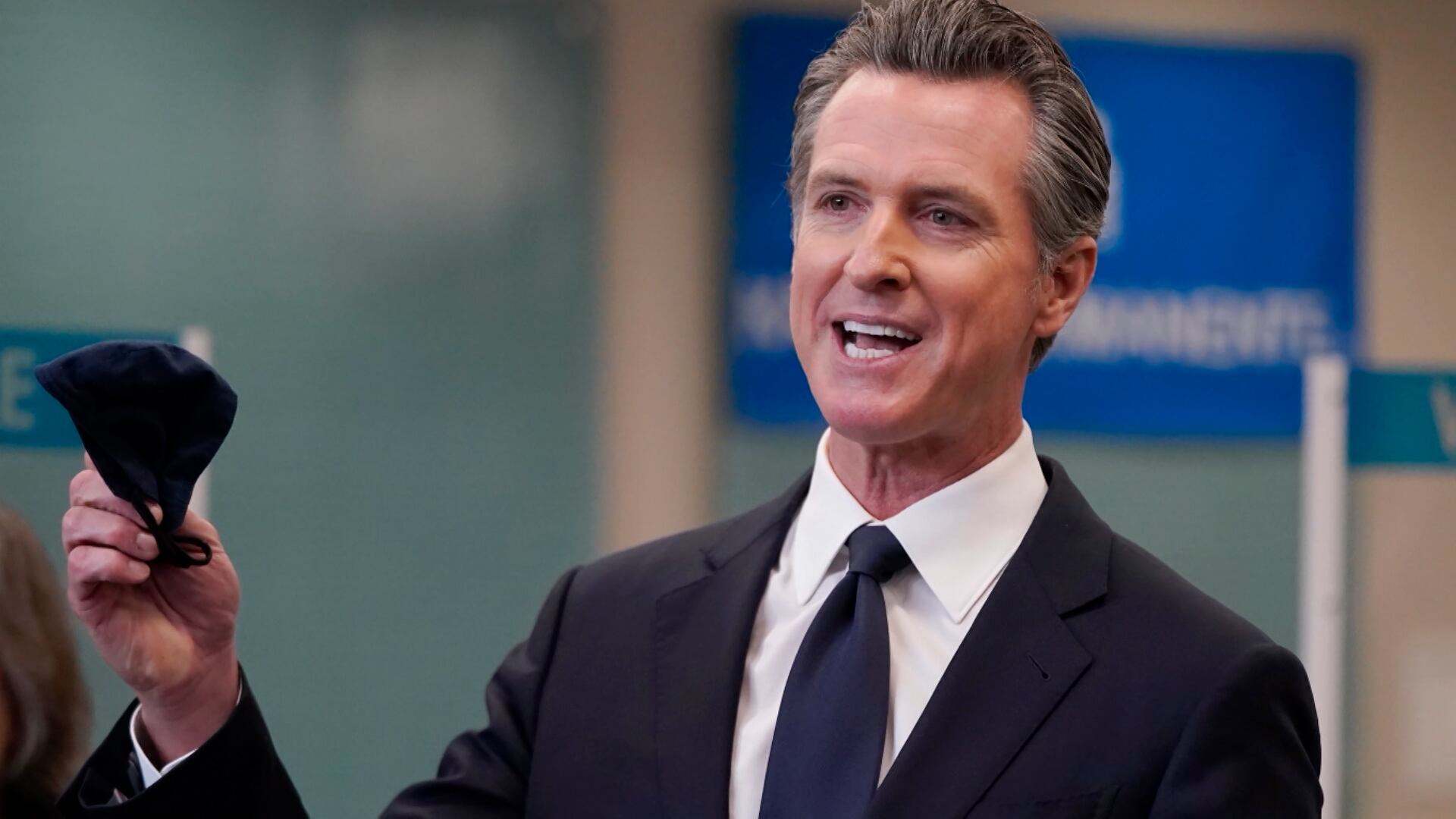
California Governor Gavin Newsom is projected to keep his job. Around two-thirds of the votes have been reported, and roughly 64% of those votes are in favor of keeping Newsom as their governor.
Daniel Strauss, senior political correspondent at The New Republic, joined Cheddar's Opening Bell to discuss more about what Newsom's win means to both political parties moving into Midterm elections season.
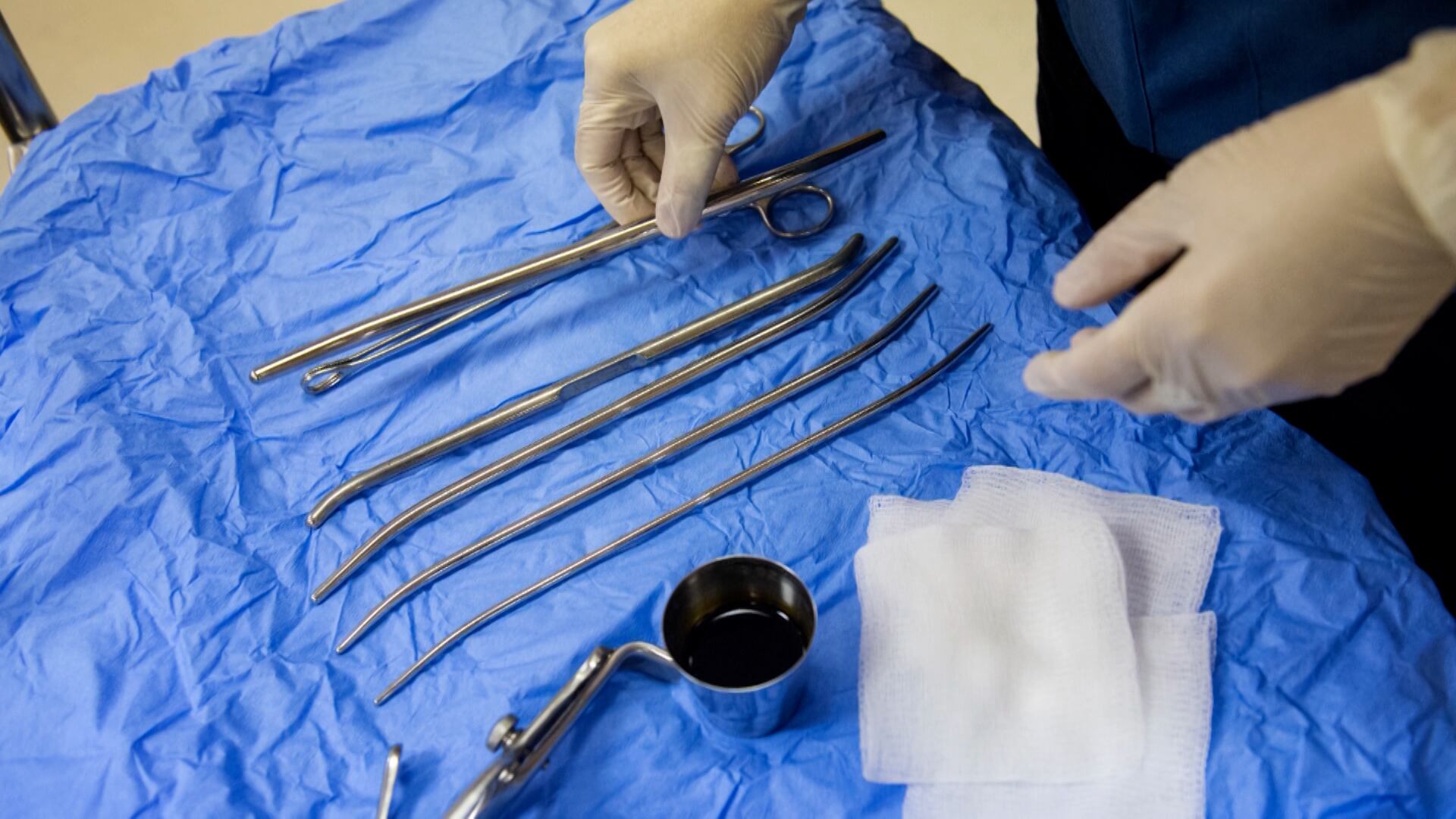
The Department of Justice is suing Texas over the state's new abortion law that prohibits abortions after six weeks, well before many women even know they're pregnant. The lawsuit argues the law is unconstitutional under long-standing Supreme Court precedent. It was filed last week in federal court in Texas, but could go all the way to the high court within weeks. Josh Blackman, a constitutional law professor at South Texas College of Law Houston, discusses the DOJ lawsuit and what it could mean for other abortion laws across the country.
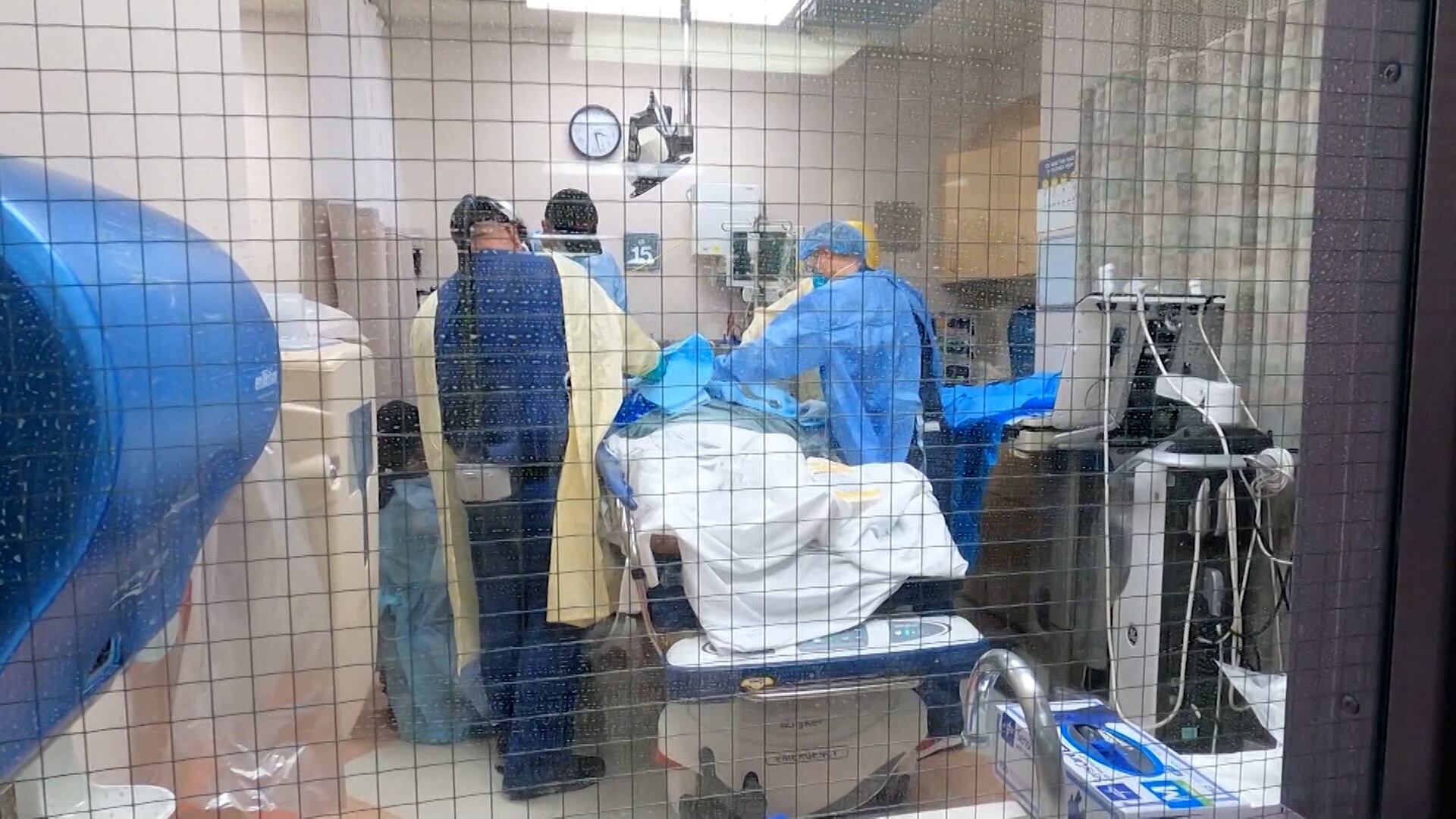
26 states have now fully vaccinated more than half of their population with Vermont, Connecticut, and Massachusetts fully vaccinating at least two-thirds of their residents. These three states are among the ones with the lowest new Covid-19 cases per capita, but in states with low vaccination rates, hospitals are filling up again.
Dr. Rob Davidson, ER doctor and executive director of Committee to Protect Health Care, joined Cheddar's Opening Bell to discuss more.
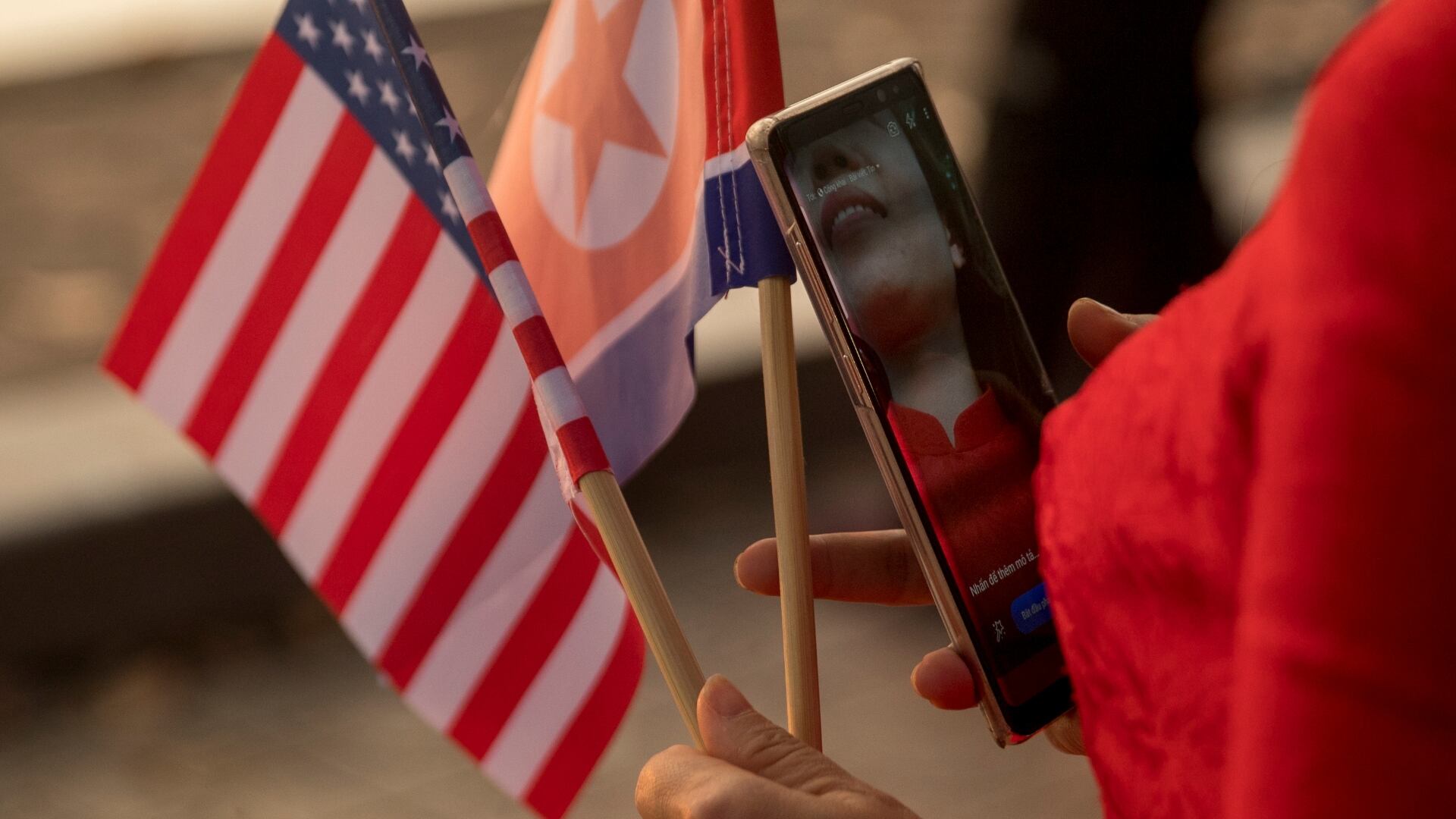
The Biden Administration has officially extended a ban on a Trump-era policy that prohibits traveling with a U.S. passport to North Korea. The extension is expected to last until August 2022. The ban was initially enforced after the death of Otto Warmbier, who entered a vegetative state while in North Korean custody. Advocates against the ban argue that it has caused crippling impacts on Korean Americans who have not been able to reunite with their families back home. Senior Fellow at The Foundation For Defense of Democracies Anthony Ruggiero joined Cheddar's News Wrap to discuss more.