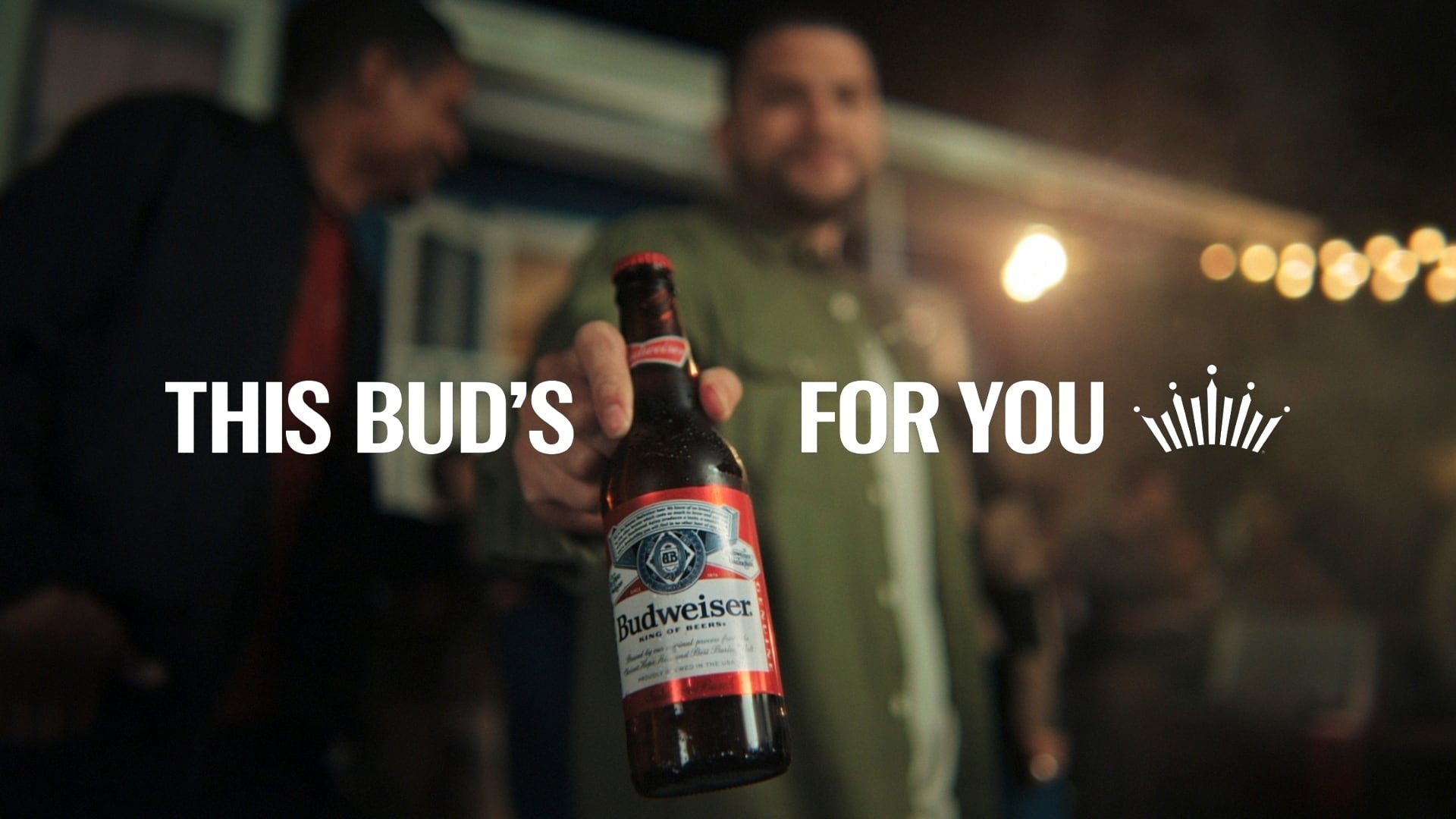
This photo provided by Budweiser shows a scene from Budweiser's 2023 Super Bowl NFL football ad. Broadcaster Fox says it has sold out all of its Super Bowl LVII ad space as of the end of January. The big game between the Kansas City Chiefs and the Philadelphia Eagles takes place on Sunday. (Budweiser via AP)
Super Bowl Sunday features some of the biggest commercials of the year, but there will be a noticeable difference in the type of ads that dominate the game in 2023 after crypto firms ran up the tab last year.
So who are the big dogs during ad breaks this time around? You'll probably see a commercial for your favorite beer, wine, or spirit as the alcohol industry will have the most spots secured during the Big Game. Anheuser-Busch will see the most screen time this year with three minutes, and Heineken, Molson Coors, Diageo, and Remy Martin will also pitch their products.
With more than 100 million people tuned into the Super Bowl every year, advertisers drop some big bucks to claim their spots — many of which are just seconds-long. Mark Evans, the EVP of ad sales at Fox Sports, told the Associated Press that some ads were priced upwards of $7 million for just 30 seconds of air time with the average cost for most other commercials being between $6 million and $7 million.
Last year, the crypto industry bought up so much ad space that the game was cheekily dubbed the Crypto Bowl. Companies that forked over millions in ad spending as the sector once boomed have since taken a steep tumble since FTX's bankruptcy filing in November and its founder being charged with fraud.
There will be zero ads from Crypto firms in 2023. According to Evans, 90 percent of Super Bowl ad space was booked and confirmed by the end of last summer.
Other notable sectors that are slated to run ads on Super Bowl Sunday include the tech industry, streaming services, food, automakers, and film studios.
Senior Economist at Morning Consult Kayla Bruun shares thoughts on what to expect from the Fed's January meeting and where monetary policy is headed, as well as how consumers are faring.
Former Medtronic CEO and author of 'True North' Bill George explains the steps Boeing leadership must take to regain client and consumer trust after 737 Max 9 production was stopped.
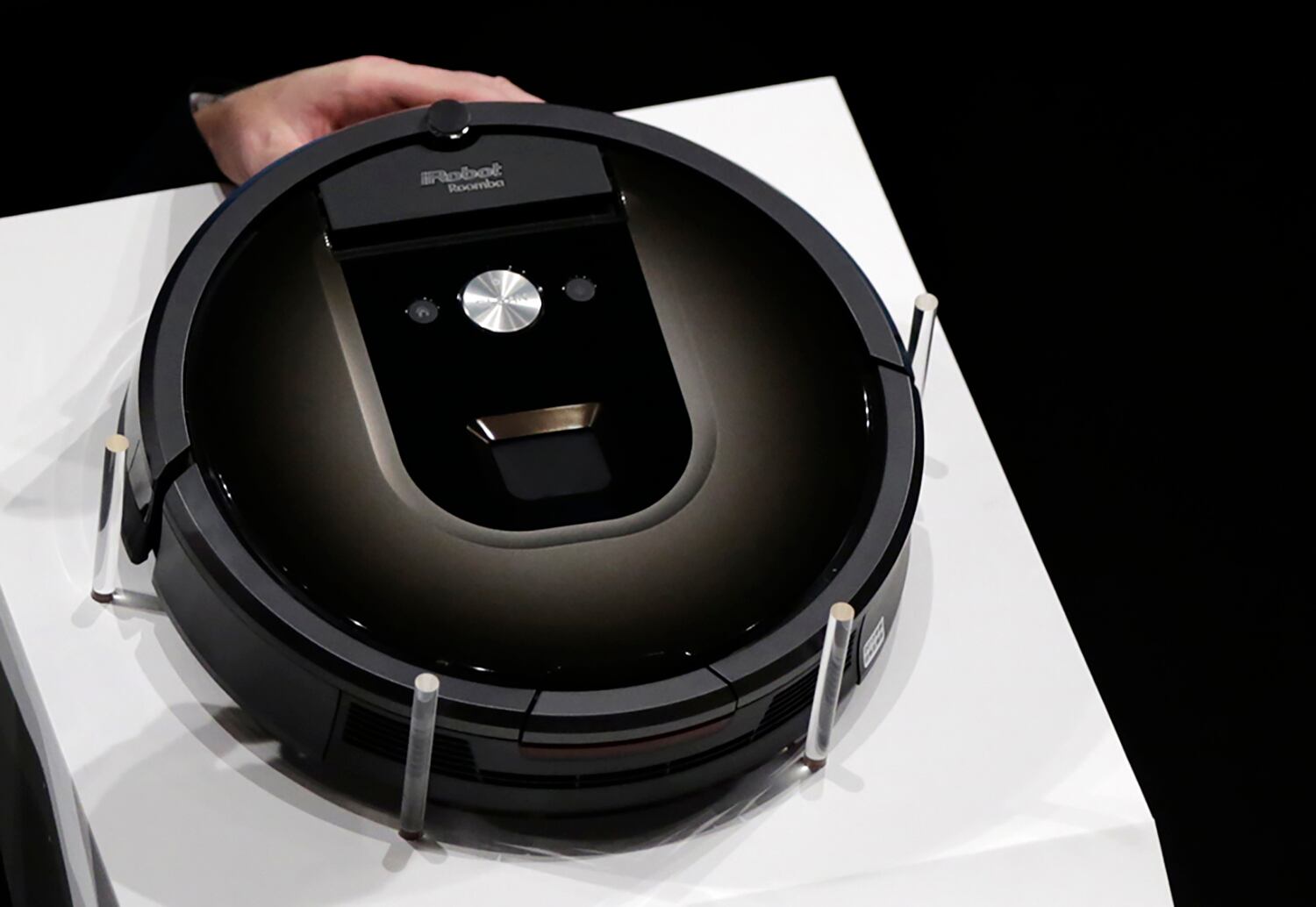
Amazon blamed "regulatory hurdles" for calling off its proposed acquisition of robot vacuum maker iRobot. Not even a Roomba could clean up the deal's antitrust scrutiny.
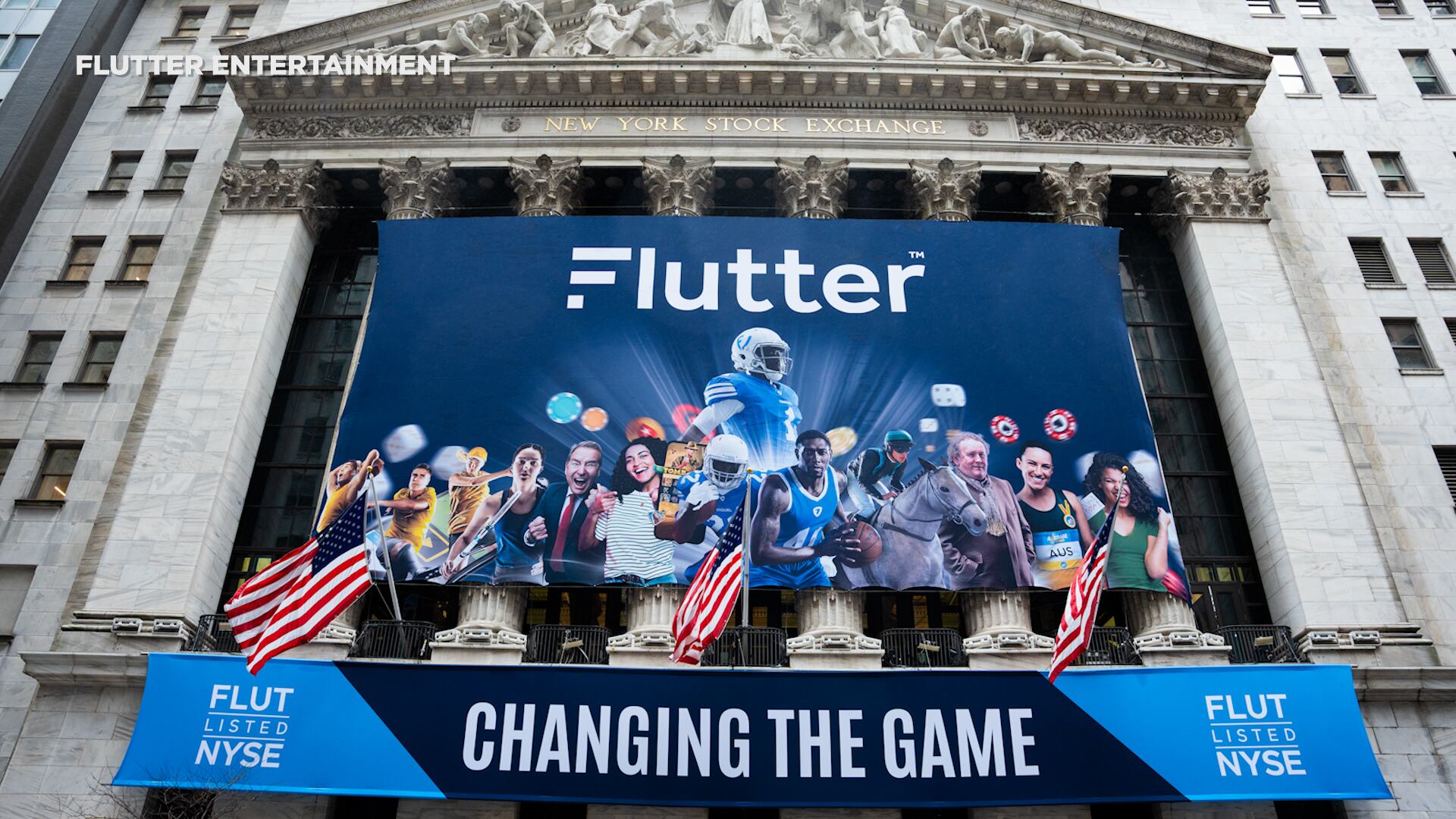
To celebrate Flutter Entertainment's debut on the NYSE, FanDuel CEO Amy Howe shares her thoughts on the company's plans for growth, the future of online sportsbetting, and Super Bowl Sunday.
Investopedia's Caleb Silver shares thoughts on the upcoming Fed meeting, why individual investors are still slightly skeptical, and what he's looking for from mega cap tech earnings.
Season's greetings! Tax season, that is. January 29 is the first day you can file your tax return. We walk you through each step — plus a checklist you can download.
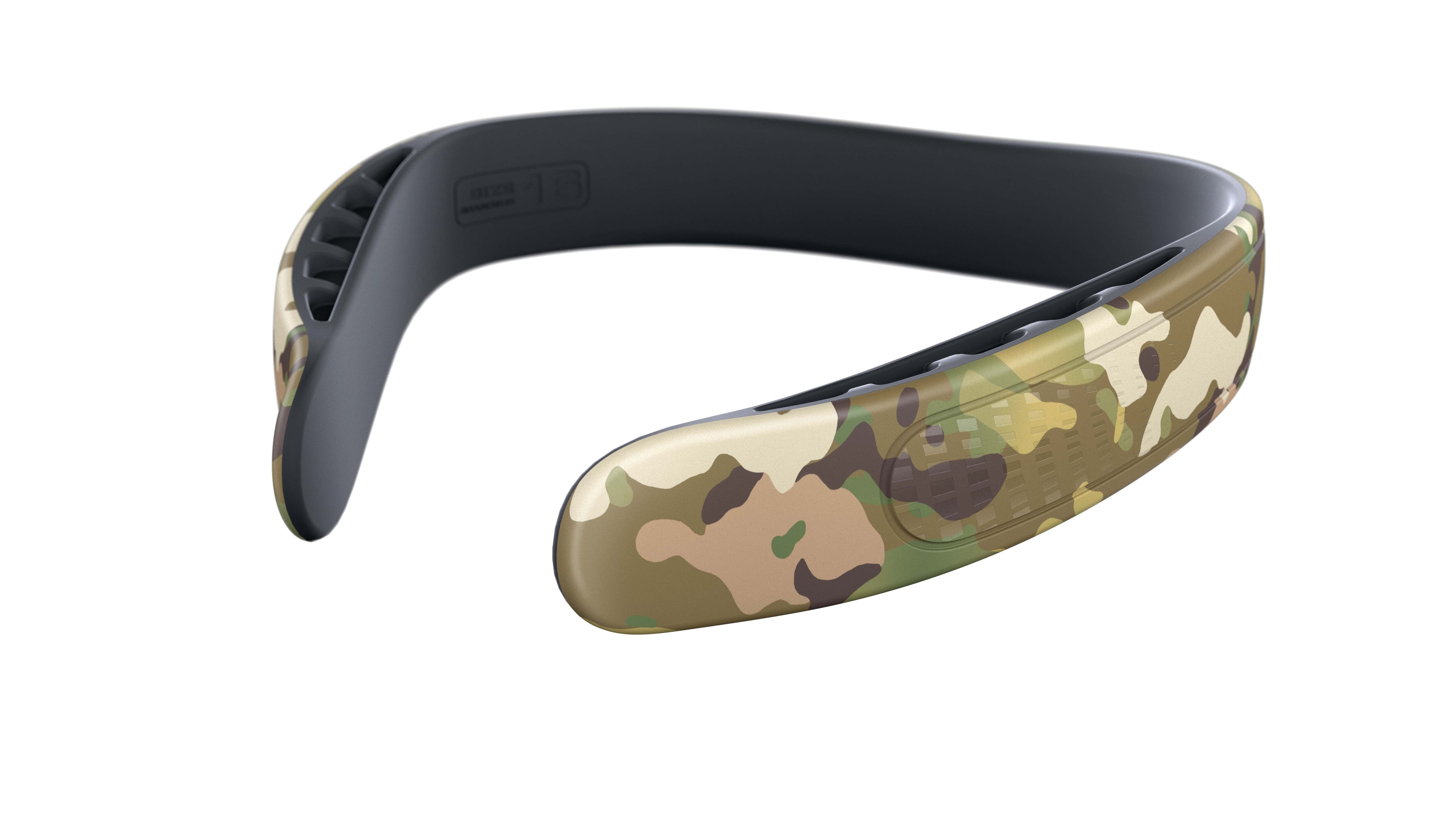
The Q-Collar helps protect athletes from impact-related concussions. Now, the U.S. Army is evaluating if the device could help reduce traumatic brain injury cased by blast weapons.
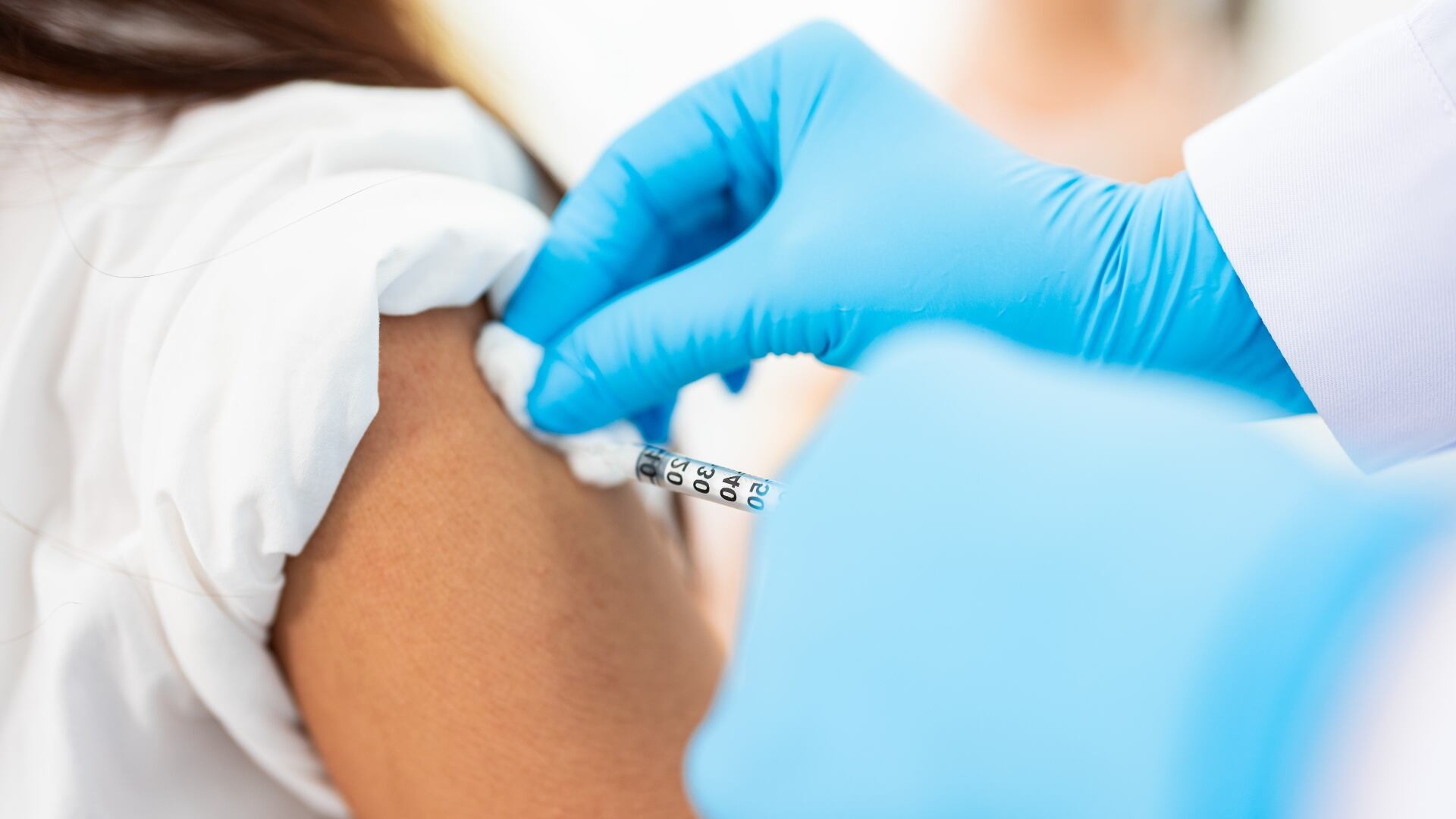
Co-founder and executive chairman of the board at Vaxxinity Lou Reese shares how the company is working to bring vaccines for chronic illnesses like heart disease and Parkinson’s to market with an eye for accessibility.