Alabama State University has managed to keep COVID-19 cases at zero since the start of the fall semester, even as the number of infections rises among college students at other campuses across the U.S. The university's president, Quinton Ross, Jr, in part, credits Dragonfly's thermal-screening technology that identifies coronavirus symptoms.
"This is a contactless device that we're using. We're non-invasive, where students can just walk up and get a quick check of their temperature and other vital signs," he told Cheddar. "It's been an asset to all of the protocols that we've set in place here to help identify and to mitigate the spread of COVID-19 on campus."
Even before the technology was implemented at the historically Black university, steps were already being taken to protect the safety and health of everyone on campus.
"From the outset, we determined — even before the city of Montgomery, even before the state of Alabama — that we would become a mask-mandatory campus," he said.
For Ross, safety, especially for students, was the sole priority in taking steps to reopen campus. While a lack of PPE was a major concern for many early in the pandemic, the university was committed to avoiding "any barrier" that could potentially keep students from learning on campus. Therefore, the school decided to provide masks for them, he said.
Once back on campus, Ross explained, students have even stepped up and are doing their part to stop the spread of COVID-19.
“I cannot say enough about my student leadership, who’s embraced keeping our campus safe,” he noted.
In the event of an outbreak, Ross said there is a contingency plan in place that includes isolating students in already established dormitories.
A common criticism of universities' reopening plans during the pandemic has been that restrictions prevent students from socializing — a notable aspect of the on-campus college experience. It is also a scenario that, in many cases, is unavoidable; but Ross said the protocols and safety standards that were set, along with the students' ability to be mindful, are the reasons for his school's success in keeping infections at zero so far.
"I'm just thankful to our Board of Trustees and all of our leadership team for allowing us to put these procedures in place," he said.
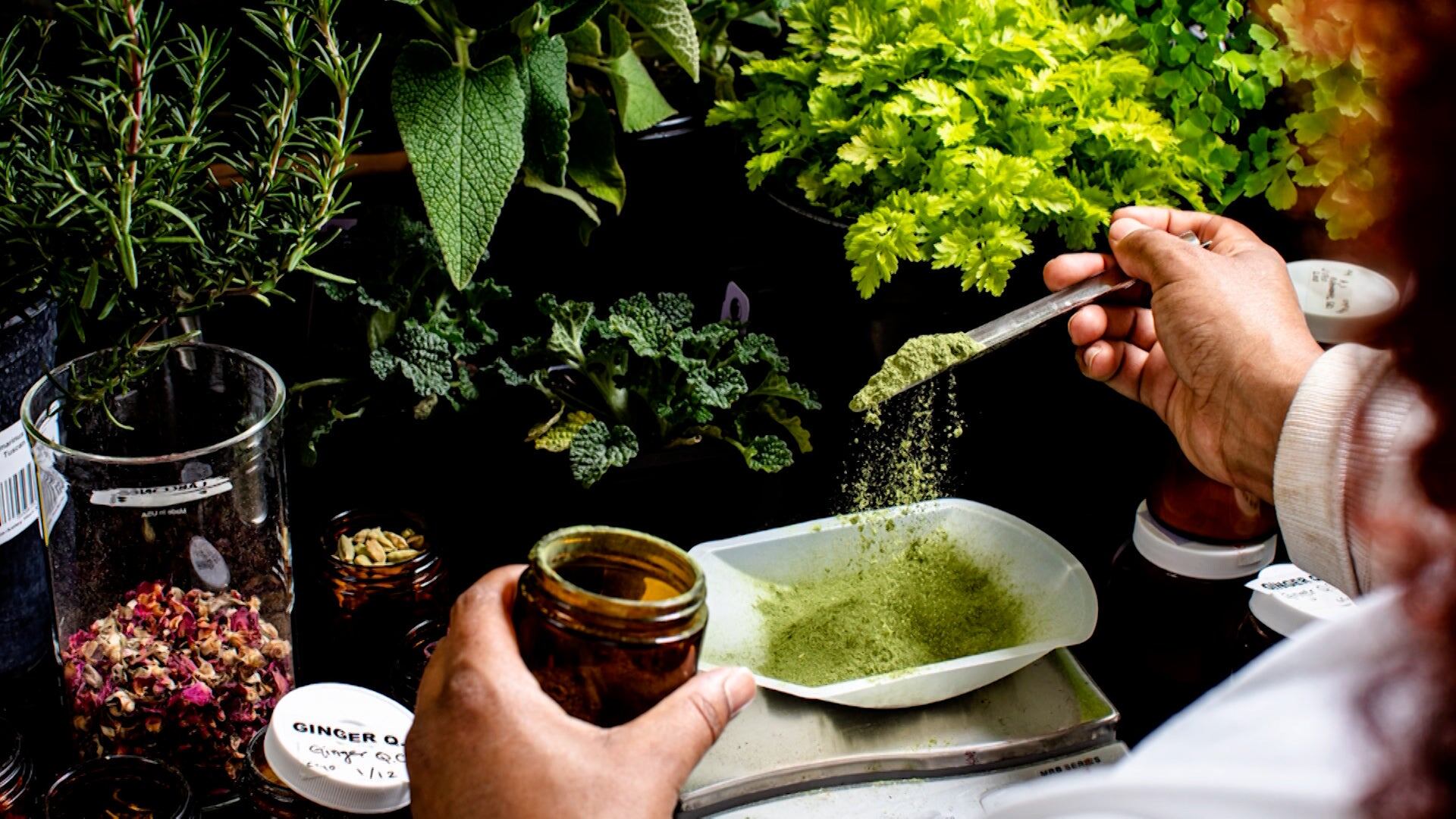
Brightseed Co-Founder Sofia Elizondo breaks down what plant bioactives are, and how they're using the latest technology to study human's biological connections with plants.
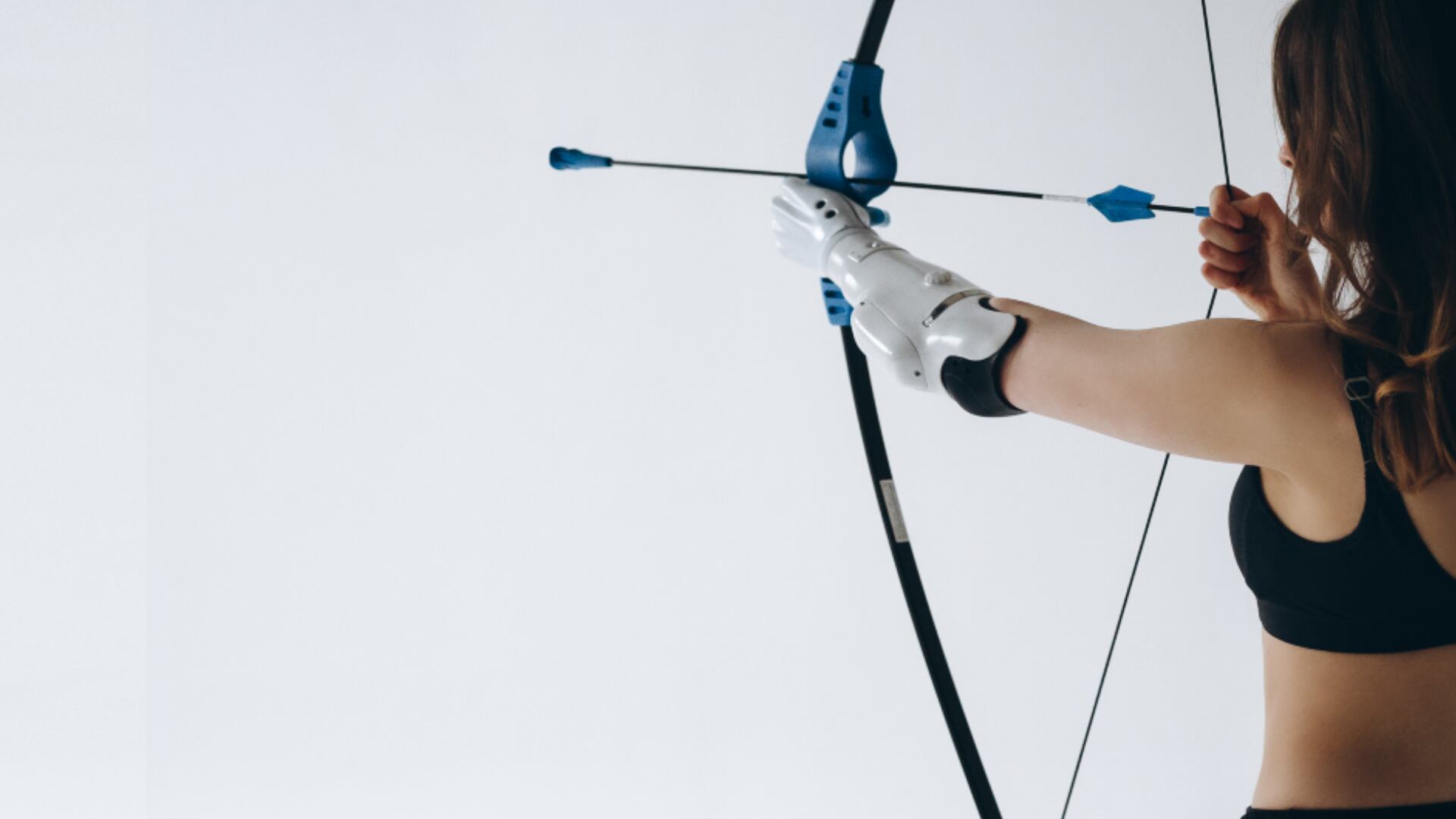
On this episode of Cheddar Innovates: Brightseed Co-Founder breaks down what plant bioactives are, and how they're using the latest technology to study human's biological connections with plants; Esper Bionics CEO breaks down how they re creating a mind-controlled bionic hand that guest smarter the more you use it; Cheddar gets a look at Curiosity Stream's 'Capturing A Black Hole In Our Milky Way.'
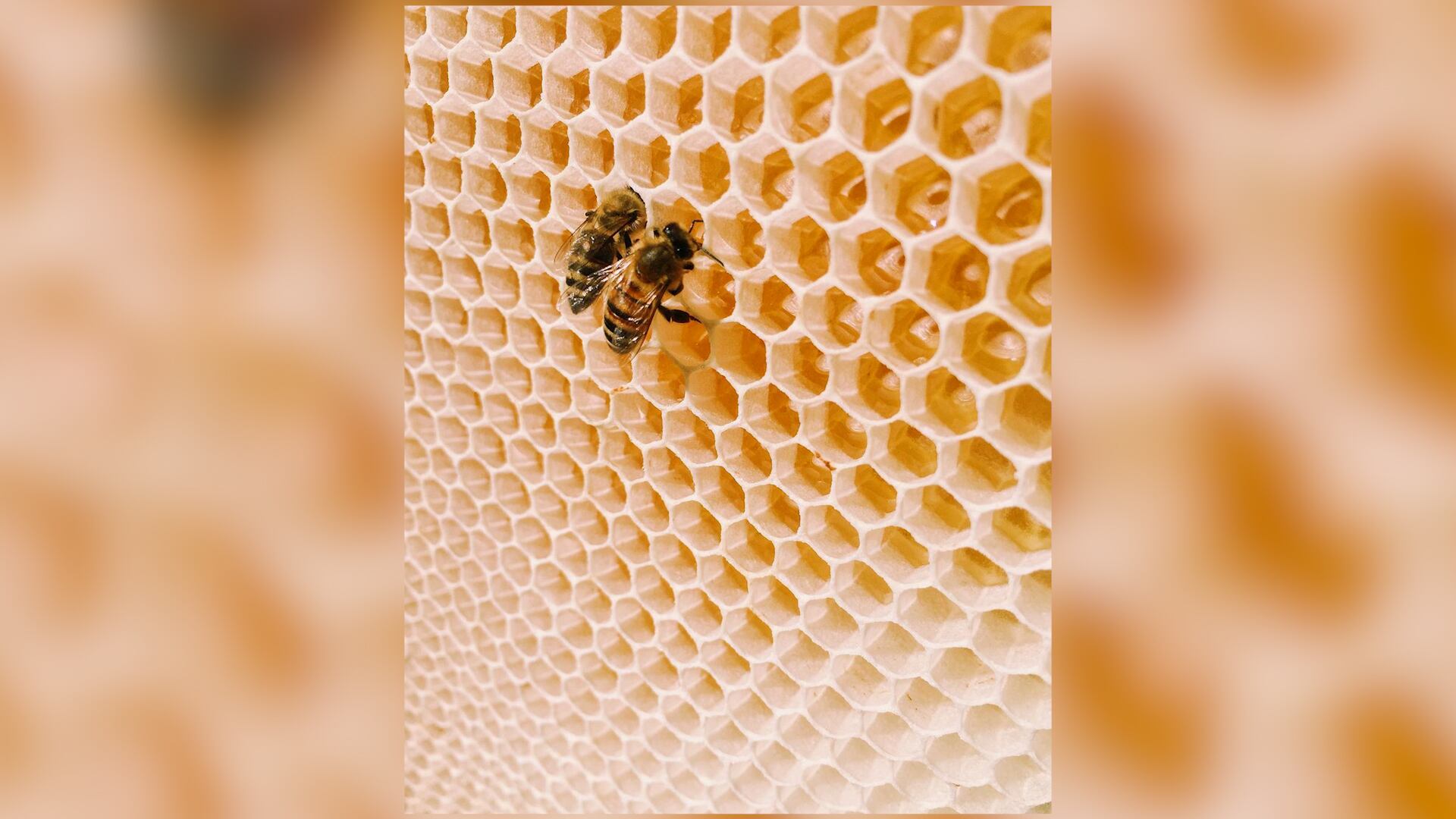
Hilary Kearney, Founder of Girl Next Door Honey, joined Closing Bell to discuss her partnership with Comvita to save the important pollinators, as bee colonies are on the decline across the United States.
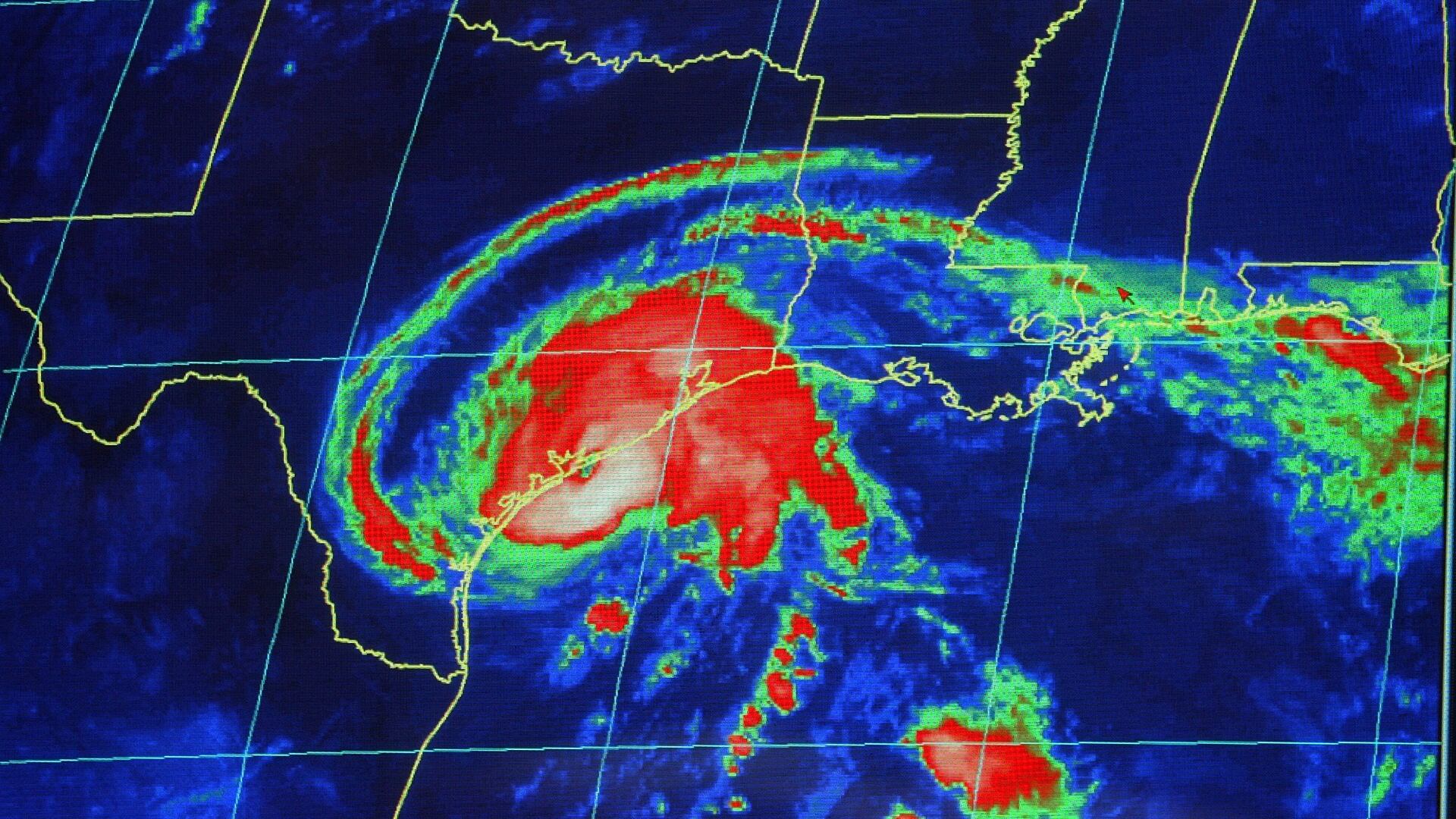
Hurricane climatologist Jill Trepanier joined Cheddar News to discuss NOAA's announced prediction for an above-normal hurricane season and what it might mean for people in the United States. "I think it's important that people who maybe haven't been used to having extreme weather events related to say tropical cycles and tropical systems, like thinking New Jersey, Northeastern seaboard, that area may get more action than they're used to in the past," she said.
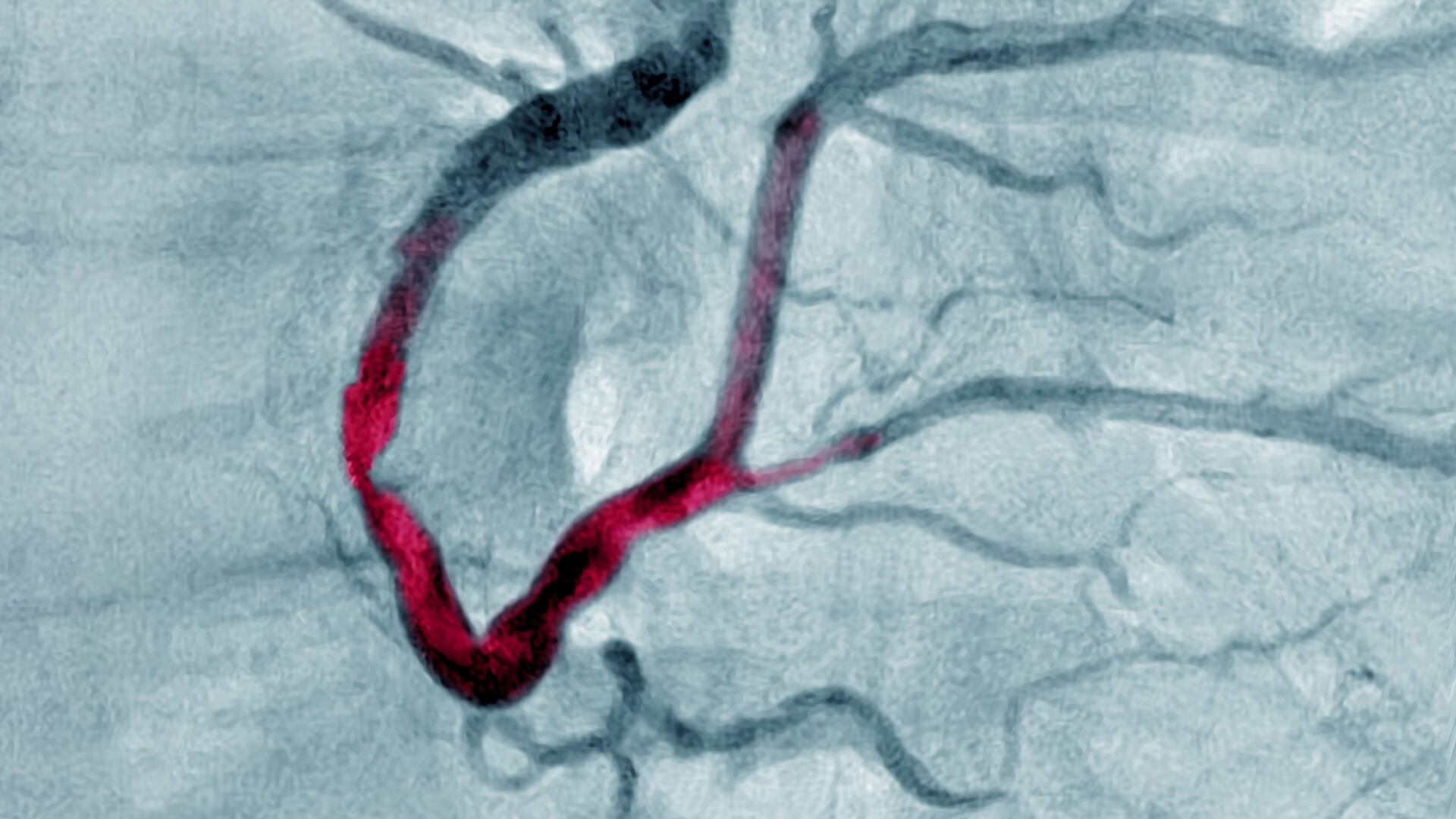
Dr. Jarrad Aguirre, Co-Founder and CEO of Miga Health, joins Cheddar News' Closing Bell, where he says his company is looking to establish the future of heart health and points to how 80% of premature heart attacks and strokes are preventable.
On this episode of Cheddar Reveals, David Keith, Professor of Applied Physics at the Harvard School of Engineering and Applied Sciences and Professor of Public Policy at the Harvard Kennedy School, and founder of Carbon Engineering outlines the viability of solar geoengineering as a solution to help reverse the effects of global warming; Lena Geraghty, Sustainability & Urban Innovation Director at National League of Cities, discusses which U.S. cities are safest from global warming and how the real estate market will be impacted from the effects of climate change; Cheddar gets a look at Curiosity Stream's 'Changing Ocean Asia.'
David Keith, Professor of Applied Physics at the Harvard School of Engineering and Applied Sciences and Professor of Public Policy at the Harvard Kennedy School, and founder of Carbon Engineering joins Cheddar Reveals to outline the viability of solar geoengineering as a solution to help reverse the effects of global warming.
Lena Geraghty, Sustainability & Urban Innovation Director at National League of Cities, joins Cheddar News to discuss which U.S. cities are safest from global warming and how the real estate market will be impacted from the effects of climate change.
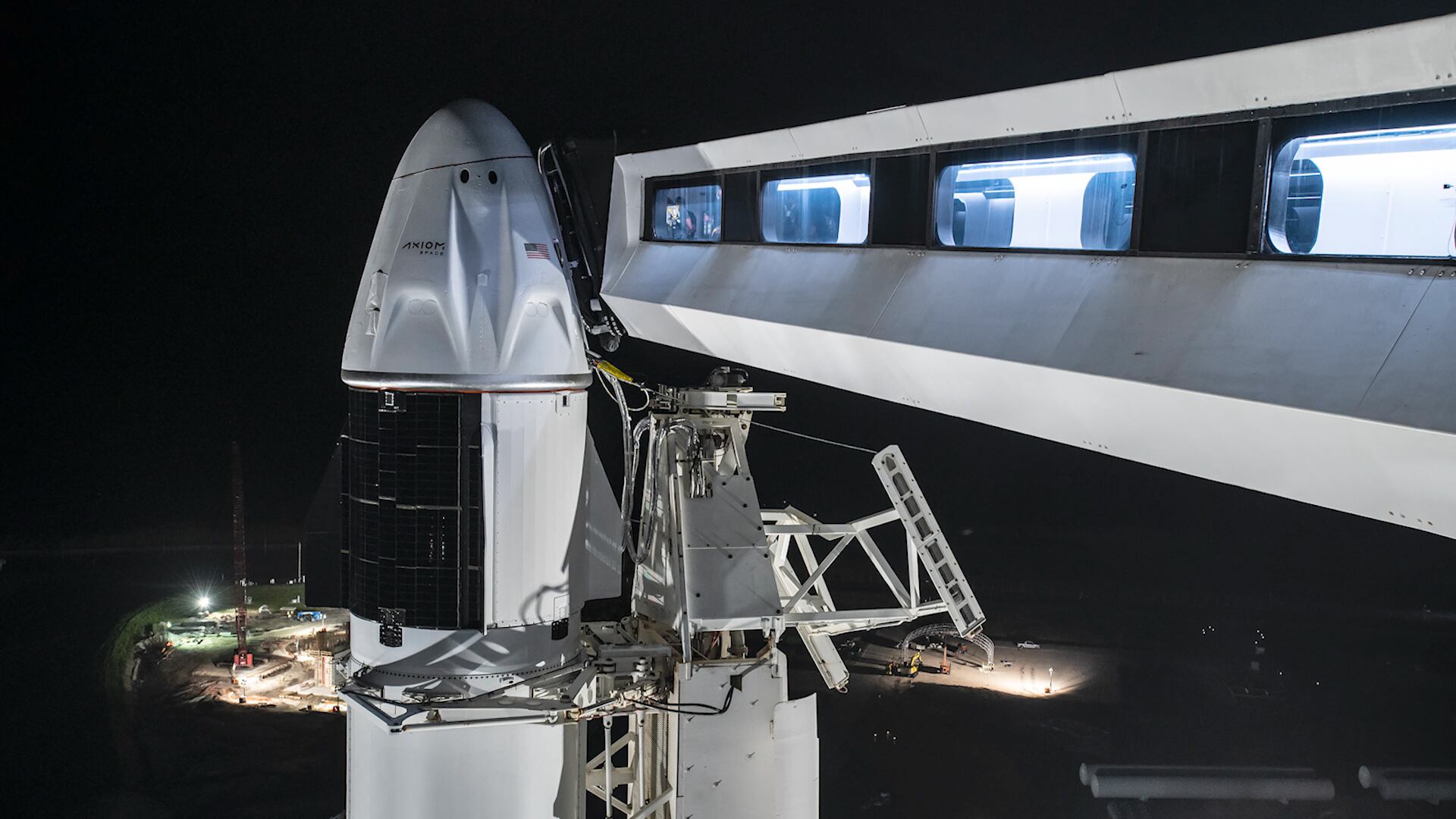
Peggy Whitson, Director of Human Space Flight, Axiom Space, joins Cheddar Innovates to discuss Axiom's involvement in the first fully-private mission to the ISS, and her experience spending 665 days in space.
On this episode of Cheddar Innovates, Peggy Whitson, Director of Human Space Flight, Axiom Space, breaks down Axiom's involvement in the first fully-private mission to the ISS, and her experience spending 665 days in space; William Li and Danielle Chang, co-founders of The Hao Life, discuss how they're shaking up the $71 billion supplement industry by putting a modern spin on traditional natural Chinese remedies; Cheddar gets a look at Curiosity Stream's 'Sagrada Familia: Gaudi's Challenge.'