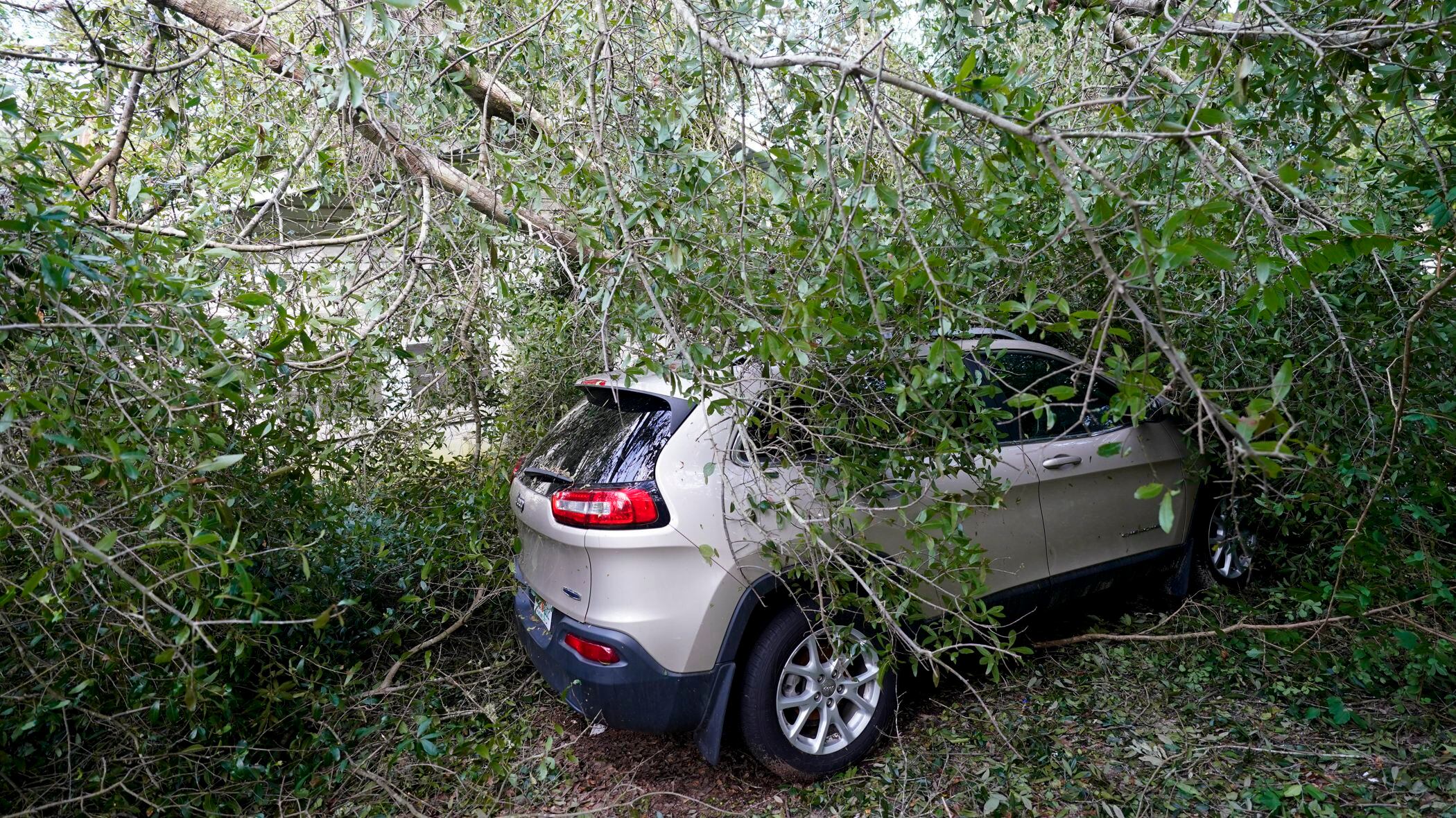
A car is covered in branches in the aftermath of Hurricane Sally, Friday, Sept. 18, 2020, in Pensacola, Fla. (AP Photo/Gerald Herbert)
By Angie Wang and Jay Reeves
Updated 3:00 pm ET
Forecasters ran out of traditional names for storms Friday, forcing them to begin using the Greek alphabet for only the second time since the 1950s, with more than two months left in the record-shattering hurricane season.
Meanwhile, hundreds of thousands of people were still without power along the Alabama coast and the Florida panhandle in the aftermath of Hurricane Sally. Officials continued to assess millions of dollars in damage that included a broken bridge in Pensacola and ships thrown onto dry land.
In Loxley, Alabama, Catherine Williams lost power and some of her roof to Sally. The storm also destroyed three pecan trees in her yard that she used to try to make ends meet.
“There’s no food, no money. I took my last heart pill today,” said Williams, who has been laid off twice from her job as a cook because of the economic problems caused by COVID-19. She hoped that the Red Cross would soon show up at her home.
Two people in Alabama were reported killed — a drowning and a death during the cleanup in Baldwin County. In Florida, authorities were looking for a missing kayaker who was feared dead in Escambia County.
The supercharged Atlantic hurricane season has produced so many named storms that scientists ran out of traditional names as Tropical Storm Wilfred developed in the eastern Atlantic. It was only the second time that has happened since forecasters standardized the naming system in 1953. Wilfred was weak and far from land.
Two hours after Wilfred took shape, the National Hurricane Center moved to the Greek alphabet when Subtropical Storm Alpha formed just off the coast of Portugal. Next up is Beta and so on. Forecasters are watching at least two other systems, including one that is a tropical depression in the western Gulf of Mexico.
The only time the hurricane center dipped into the Greek alphabet was the deadly 2005 hurricane season, which included Hurricane Katrina's strike on New Orleans. The prior record for the earliest 21st named storm was Wilma on Oct. 8, 2005, according to Colorado State University hurricane researcher Phil Klotzbach.
The onslaught of hurricanes has focused attention on climate change, which scientists say is causing wetter, stronger, and more destructive storms.
In Pensacola, Mamie Patterson was cleaning the yard of her cousin who was recovering from heart surgery after they lost power in a low-income neighborhood in Pensacola.
Patterson’s mother uses an oxygen machine that they took to an uncle’s home to charge because he had power. She saw utility trucks all over the city and wondered when power would be restored in her neighborhood, where several inches of water was standing in streets more than 48 hours after the storm.
“We feel a lot forgotten back here,” she said. “I hate to say it, but it’s the ghetto neighborhoods. We don’t have lights.”
Elsewhere in the city, Karen Robinson sat on the steps of her first-floor apartment and rattled off a list of belongings ruined by 4 feet (120 centimeters) of water from Sally — clothes, shoes, furniture, and food.
It took months to recover from a 2015 flood after a heavy rainstorm sent nearly the same amount of water from a creek into the 200-unit complex. She was concerned because hurricane season runs until the end of November.
“This could happen again. That’s the problem,” Robinson said as men tossed soggy items out of an apartment window nearby.
In Louisiana, about 41,000 people remain without power around Lake Charles, where Hurricane Laura made landfall on Aug. 27. On Oak Island, North Carolina, which was ground zero for Hurricane Isaias on Aug. 3, some rental homes finally reopened by Labor Day.
“It wasn’t pretty. We had piles of sand everywhere, piles of debris everywhere, but the roads were open,” Mayor Ken Thomas said.
With the dunes that provide some protection to the island gone, Thomas said people will be nervous for the rest of the storm season.
“There’s a hurricane for everyone out there,” he said.
Escambia County, which includes Pensacola, estimated that Sally caused at least $21 million in damage to public infrastructure such as roads and drainage. It will likely cost an additional $8 million to restore the sand washed away at Pensacola Beach, officials said.
The year-old Three Mile Bridge that connects Pensacola to the beaches was heavily damaged in at least two places, and authorities do not know how much money or time it will take to fix.
Back in the Atlantic, Hurricane Teddy was a powerful Category 4 storm about 850 miles (1,370 kilometers) southeast of Bermuda. The island was hit directly by Hurricane Paulette on Monday, and forecasters said a hurricane watch for Teddy may be issued soon.
___
Associated Press writers Bobby Caina Calvan in Tallahassee, Florida; Jeff Martin in Marietta, Georgia; and Jeffrey Collins in Columbia, South Carolina, also contributed to this report.
On this episode of Cheddar Innovates: Founder of Unlimited Tomorrow breaks down how he is creating completely 3D printed prosthetics to make them more affordable, customizable, and accessible; Chief Technology Officer of Zebra Technologies explains what the future of collaboration between robots and humans may look like; A look at Curiosity Stream's 'Mystery of the Roman Skulls.'
Each year about 5,000 people are diagnosed with ALS. This is such an important conversation. A disease that can weaken a patient's muscles and impact physical function. However, one research company says that could all change soon. Coya Therapeutics has developed a way to isolate a patient problematic T-cells in order to help ultimately slow the decline of not just ALS, but potentially Alzheimer's and other neurodegenerative diseases as well. Founder and Chief Executive Officer at Coya Therapeutics, Dr. Howard Berman, joined Cheddar to discuss more.
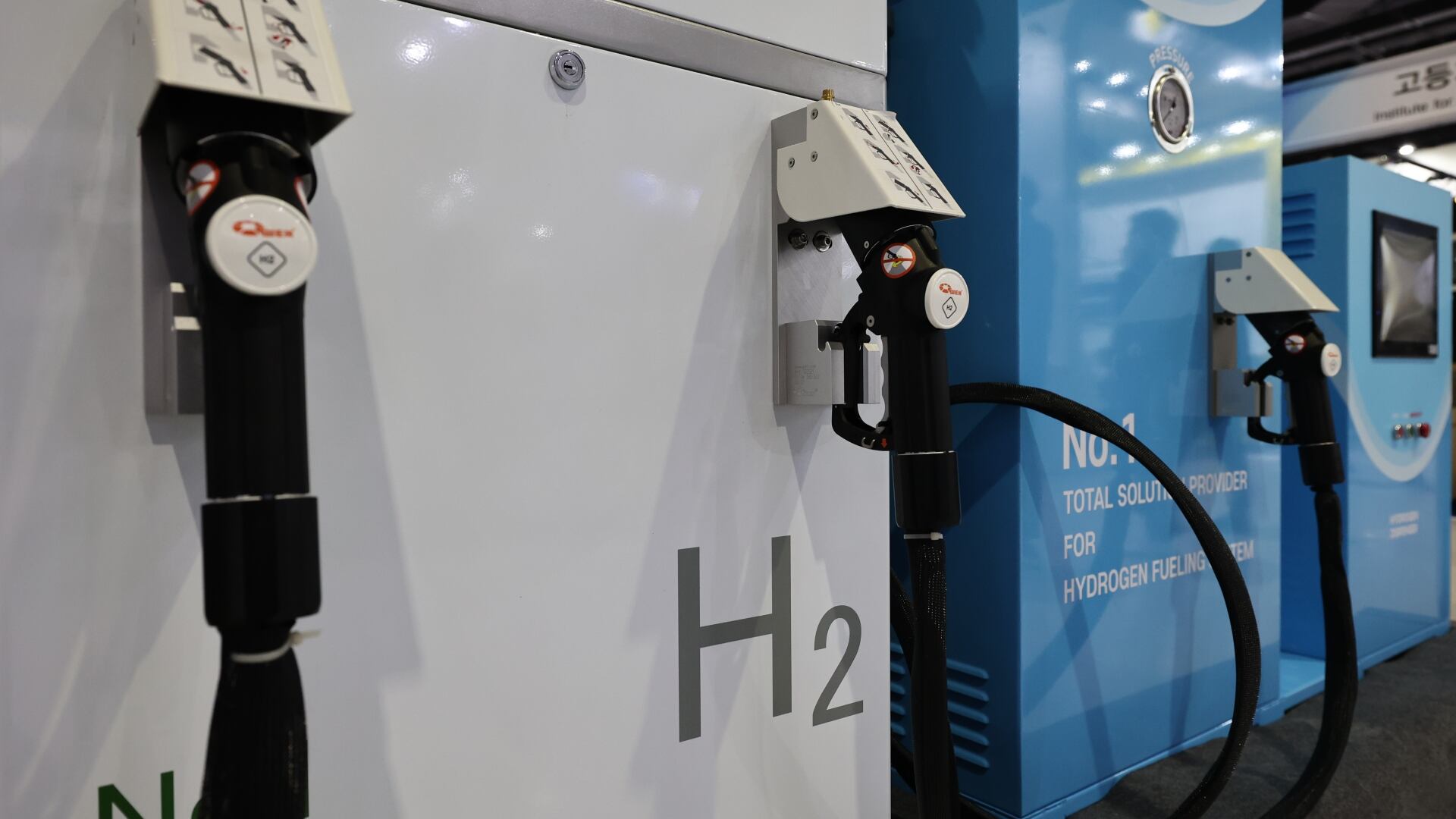
In the fight against climate change, much of the conversation revolves around reducing greenhouse gases like carbon dioxide or methane - and attempting to raise oxygen levels. But there's another gas - hydrogen - that could play a big role in the fight for the climate. Marco Alvera, CEO of Italian energy infrastructure company Snam and author of the book, 'The Hydrogen Revolution,' joined Cheddar Climate to explain the role hydrogen plays in helping achieve a net-zero future.
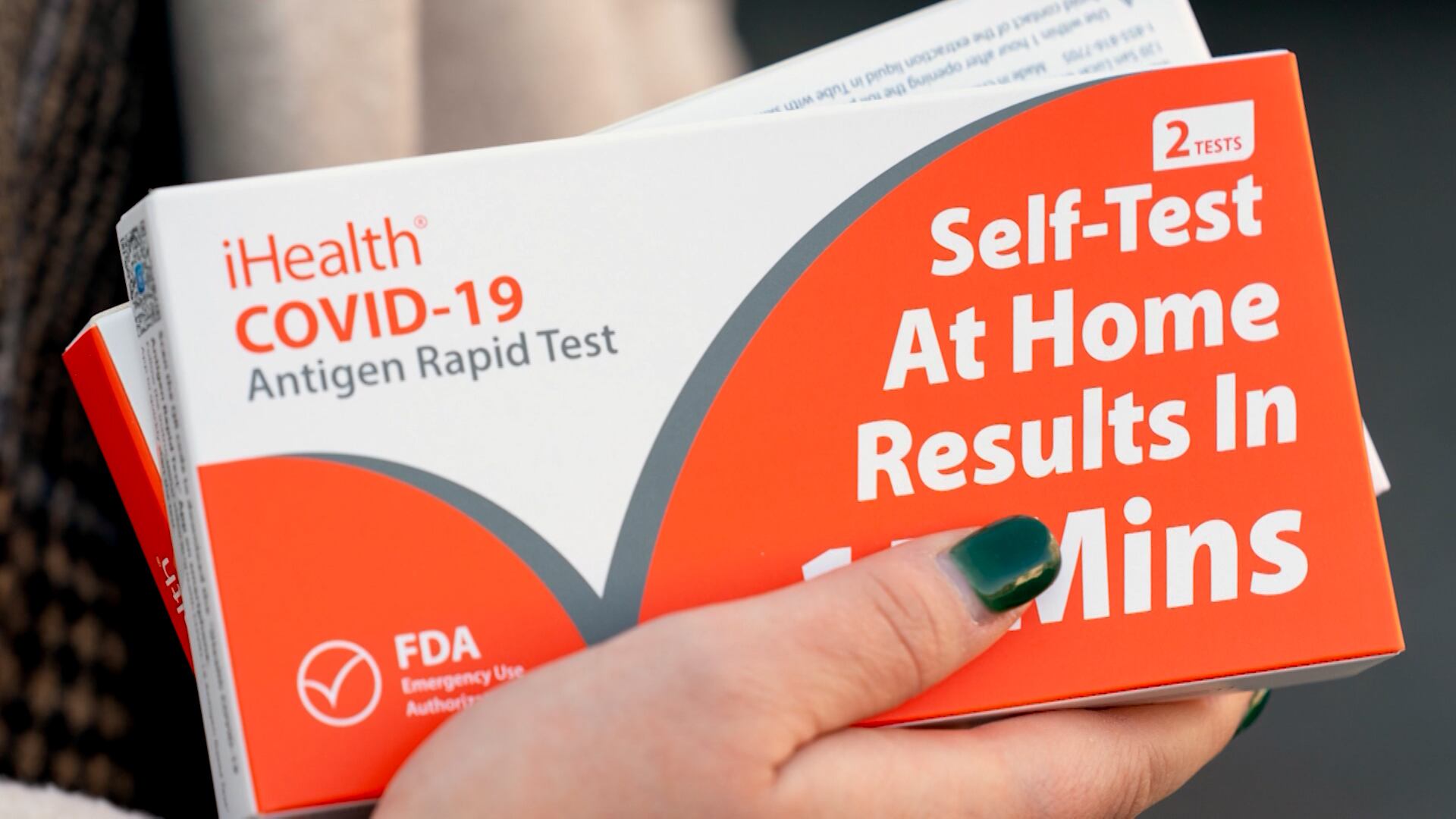
Americans looking to purchase at-home COVID-19 tests will now have to shell out a bit more money after an agreement expired between the White House and companies to sell the tests at cost. The price of Abbot's BinaxNow test kit from October to December was $14 apiece; on Tuesday, Walmart's website listed the test for $19.88, and Kroger listed the tests for $23.99. Carbon Health Regional Clinical Director Dr. Bayo Curry-Winchell joined Cheddar News' Closing Bell to discuss the impact higher prices will have as the nation experiences another surge in cases.
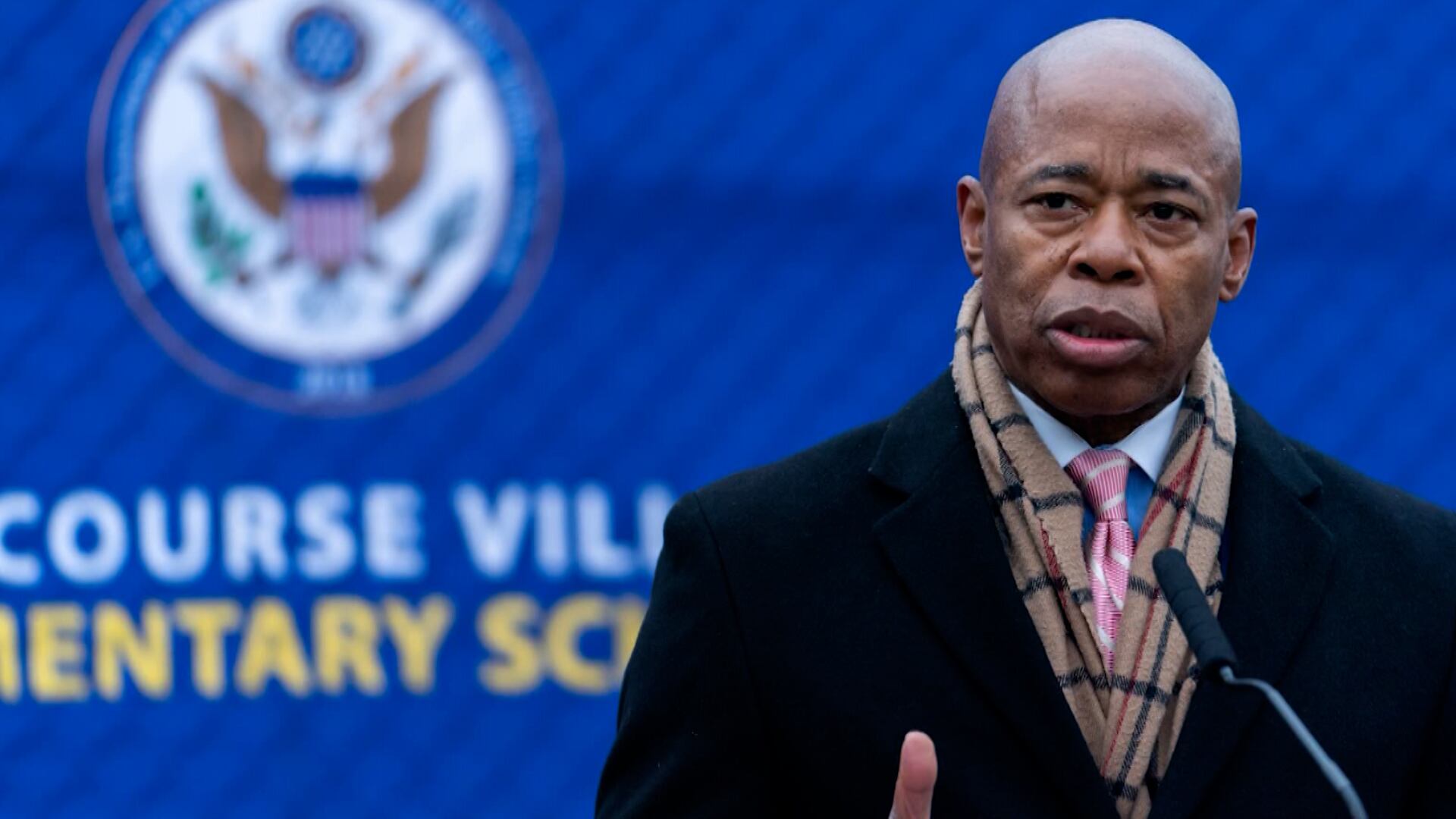
As millions of kids go back to school, districts across the country are determined to keep class in person, despite a surge in COVID cases. In New York City, Mayor Eric Adams has vowed to keep the nation's largest school system open amid Omicron, citing the disastrous effect of remote learning on students. Oswald Feliz, NYC council member who sits on the health and education committee, joined Cheddar to discuss the city's plan to combat the recent surge and keep kids in school.
Schools across the country are determined to keep class in session, despite the rapidly-spreading Omicron variant. While many parents prefer in-person learning, they also worry whether the current public health guidelines will be enough to protect their kids. Erin Richards, national education reporter for USA Today, joined Cheddar to discuss how are schools are preparing for the surge to avoid another round of remote learning.
With the annual CES convention underway amid COVID, HP unveiled rolled out a number of new products virtually this year, including new gaming PCs and 4K display monitors. But as industries look toward a greener future, HP is working with the climate crisis in mind. James McCall, chief sustainability officer at HP, joined Cheddar's Kristen Scholer to discuss the company's climate goals, which includes reducing its carbon footprint to net-zero by 2040. He admitted that reaching the ambitious goal will be difficult because much of the company's emissions totals come from third parties. "A large part of our footprint is outside of HP's direct control. A lot of it comes either from our incoming supply chain, the materials, our manufacturing process, or about 30 to 40 percent of it comes from our consumer-use base," McCall told Cheddar.
Pfizer and BioNTech are working to develop an mRNA-based shingles vaccine following the success of the COVID-19 shot. This latest collaboration will mark the third time the pharmaceutical companies have worked together on a vaccine.
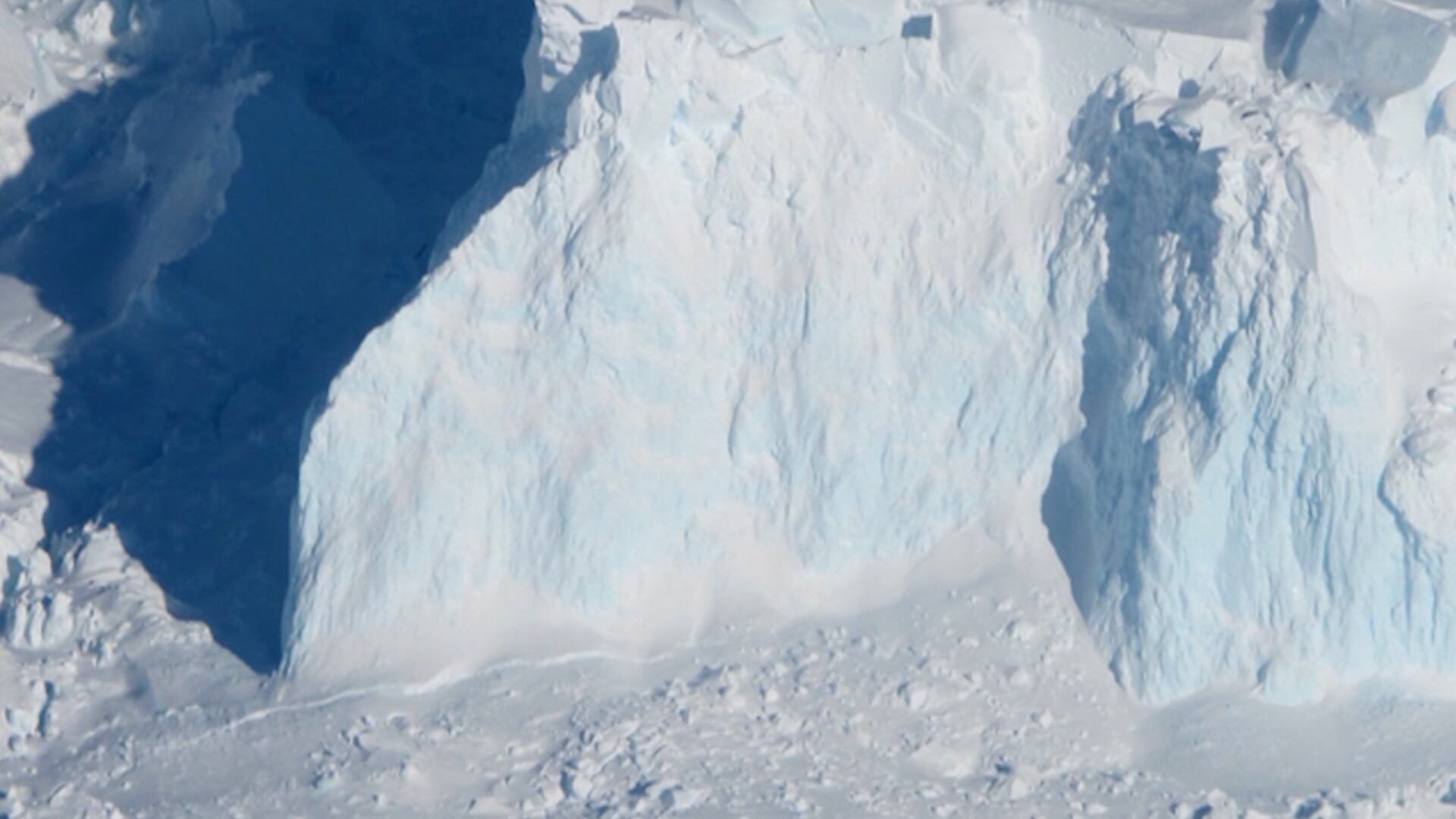
The potential collapse of the Thwaites glacier in Antarctica has been deemed a potential "doomsday event" — researchers and scientists say its melting and collapse could raise global sea levels by at least two feet, enough to destroy coastal communities around the world. One team of scientists is traveling to the Thwaites glacier to drill below in order to gauge current ocean temperatures and attempt to model possible outcomes. David Holland, professor at NYU and Principal Investigator for the International Thwaites Glacier Collaboration, joins Cheddar Climate to discuss the glacier's potential collapse, his team's research plan, and more.
As winter break wraps up and COVID-19 cases hit record levels, the majority of school districts are returning to in-person classes. While some public schools in large cities have shifted to remote learning for the beginning of the year, the schools that are reopening campuses are determined to avoid the academic, social, and logistical challenges that come with a virtual classroom. Cheddar News is joined by Keith Powers, NYC Council Member, to discuss.