The Airbnb app icon is seen on an iPad screen, Saturday, May 8, 2021, in Washington. Airbnb will allow its employees to live and work almost anywhere around the world, fully embracing a remote work policy to attract staff and ensure flexibility. The San Francisco short-term-stay company said late Thursday, April 28, 2022, that under the new policy, employees can work from the office, home or during their travels to 170 countries. (AP Photo/Patrick Semansky, File)
Airbnb will allow its employees to live and work almost anywhere around the world, fully embracing a remote work policy to attract staff and ensure flexibility.
The San Francisco short-term-stay company said late Thursday that under the new policy, employees can work from the office, home or during their travels to 170 countries.
Staff will still have to meet in person for regular team meetings and events, CEO Brian Chesky said in a message to employees. Salaries won't change if employees decide to move.
Employees can spend up to three months working in each country they visit every year but they will still need a permanent address for tax and payroll reasons, which involves a "mountain of complexities," but Chesky said the company is working on an open-source solution.
The new policy will put the company in a better position to hire and retain the best people by not “limiting the talent pool to a commuting radius around our offices," Chesky said. Remote work and flexibility “will become the predominant way that we all work 10 years from now," he said.
Millions of people switched to working remotely during the pandemic to limit potential exposure to COVID-19. Companies are beginning to ask those workers to come back to the office, at least on a hybrid basis, including other tech companies such as Facebook parent Meta and Microsoft.
U.S. tariffs on steel and aluminum “will not go unanswered,” European Union chief Ursula von der Leyen vowed on Tuesday, adding that they will trigger toug
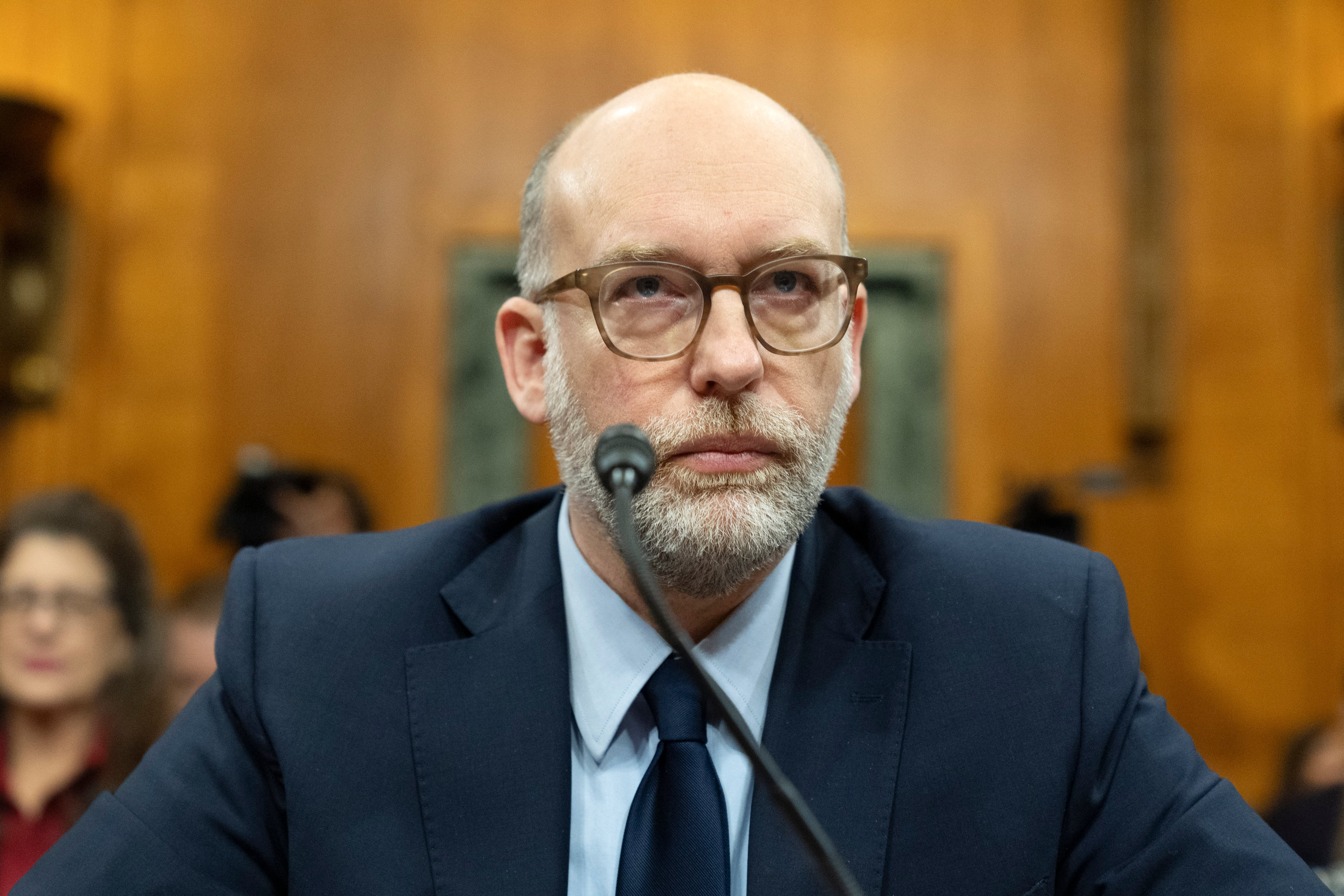
The Trump administration has ordered the Consumer Financial Protection Bureau to stop nearly all its work, effectively shutting down the agency that was created to protect consumers after the 2008 financial crisis and subprime mortgage-lending scandal. Russell Vought is the newly installed director of the Office of Management and Budget. Vought directed the CFPB in a Saturday night email to stop work on proposed rules, to suspend the effective dates on any rules that were finalized but not yet effective, and to stop investigative work and not begin any new investigations. The agency has been a target of conservatives since President Barack Obama created it following the 2007-2008 financial crisis.
Jeff Benedict, author of 'The Dynasty,' weighs in on the Kansas City Chiefs being the next big dynasty, who he thinks will win Super Bowl LIX and more. Watch!