The Airbnb app icon is seen on an iPad screen, Saturday, May 8, 2021, in Washington. Airbnb will allow its employees to live and work almost anywhere around the world, fully embracing a remote work policy to attract staff and ensure flexibility. The San Francisco short-term-stay company said late Thursday, April 28, 2022, that under the new policy, employees can work from the office, home or during their travels to 170 countries. (AP Photo/Patrick Semansky, File)
Airbnb will allow its employees to live and work almost anywhere around the world, fully embracing a remote work policy to attract staff and ensure flexibility.
The San Francisco short-term-stay company said late Thursday that under the new policy, employees can work from the office, home or during their travels to 170 countries.
Staff will still have to meet in person for regular team meetings and events, CEO Brian Chesky said in a message to employees. Salaries won't change if employees decide to move.
Employees can spend up to three months working in each country they visit every year but they will still need a permanent address for tax and payroll reasons, which involves a "mountain of complexities," but Chesky said the company is working on an open-source solution.
The new policy will put the company in a better position to hire and retain the best people by not “limiting the talent pool to a commuting radius around our offices," Chesky said. Remote work and flexibility “will become the predominant way that we all work 10 years from now," he said.
Millions of people switched to working remotely during the pandemic to limit potential exposure to COVID-19. Companies are beginning to ask those workers to come back to the office, at least on a hybrid basis, including other tech companies such as Facebook parent Meta and Microsoft.
Accrue CEO and founder Michael Hershfield explains why Americans' credit card delinquencies are on the rise, advice on what can help, and the key difference between Boomers and Gen Z when it comes to money.
Senior Economist at Morning Consult Kayla Bruun shares thoughts on what to expect from the Fed's January meeting and where monetary policy is headed, as well as how consumers are faring.
Former Medtronic CEO and author of 'True North' Bill George explains the steps Boeing leadership must take to regain client and consumer trust after 737 Max 9 production was stopped.
Amazon blamed "regulatory hurdles" for calling off its proposed acquisition of robot vacuum maker iRobot. Not even a Roomba could clean up the deal's antitrust scrutiny.
To celebrate Flutter Entertainment's debut on the NYSE, FanDuel CEO Amy Howe shares her thoughts on the company's plans for growth, the future of online sportsbetting, and Super Bowl Sunday.
Investopedia's Caleb Silver shares thoughts on the upcoming Fed meeting, why individual investors are still slightly skeptical, and what he's looking for from mega cap tech earnings.
Season's greetings! Tax season, that is. January 29 is the first day you can file your tax return. We walk you through each step — plus a checklist you can download.
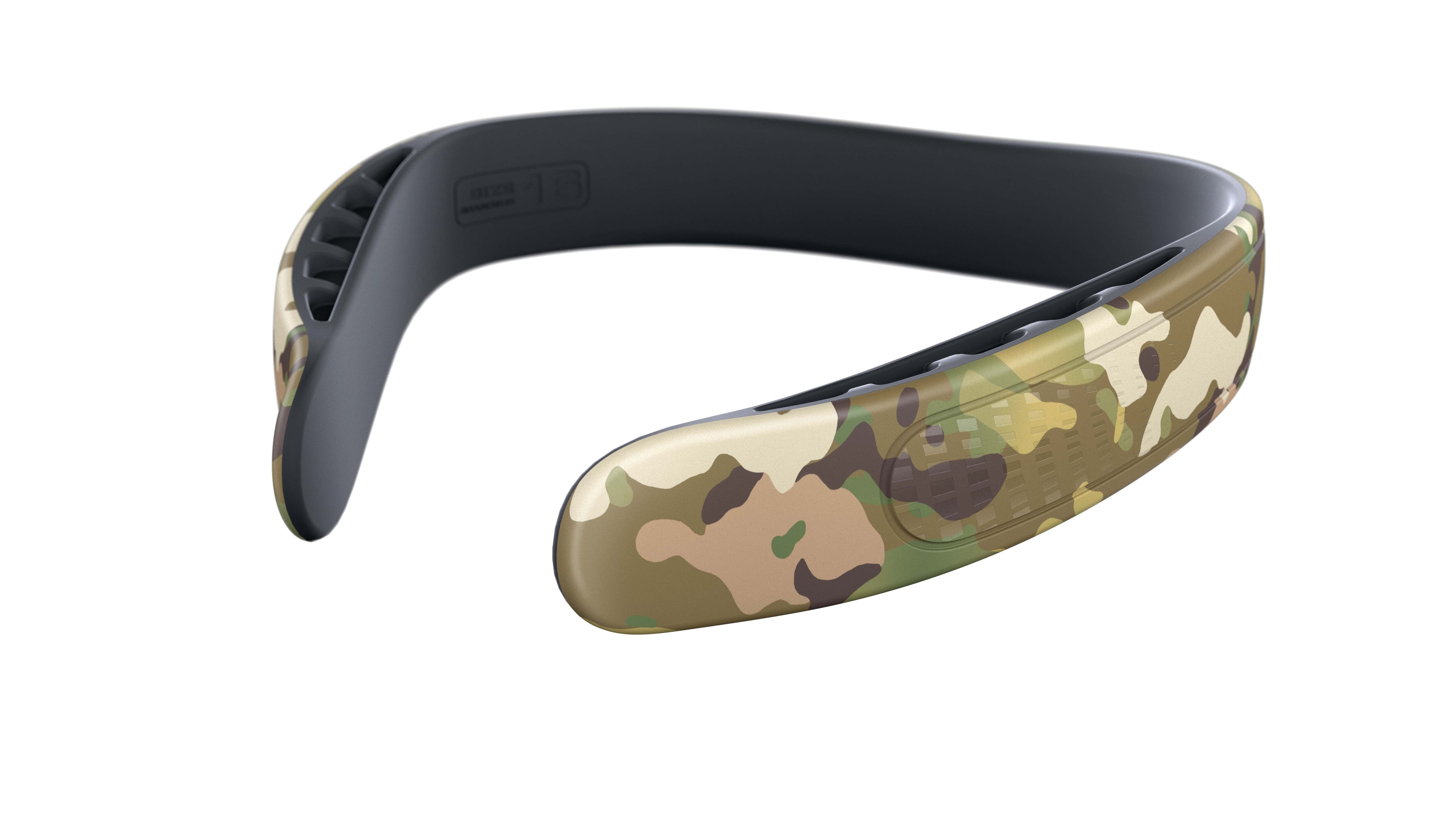
The Q-Collar helps protect athletes from impact-related concussions. Now, the U.S. Army is evaluating if the device could help reduce traumatic brain injury cased by blast weapons.