Agree to Disagree: Debating Today's Biggest Political Stories
Roy Moore's loss in the Senate election in Alabama came as a surprise to many. It means that Republicans will have an even smaller margin of error when it comes to passing legislation. But, in the long run, how will this impact the GOP? John Iadarola, Host at The Young Turks, and Nick Givas, Media Reporter at The Daily Caller, debate whether Moore's loss is a good or bad thing for the Republican party.
Roy Moore was one of the candidates nationwide who received the strong backing of Steve Bannon and, eventually, President Trump. The round table debates whether President Trump will avoid coming out in support of future Bannon-backed candidates. Iadarola and Givas both agree that it's not likely.
The Russia investigation has been heating up in recent weeks. Many people wonder if President Trump will fire Robert Mueller and take him off the case, especially since Congress will be on recess for the holidays over the next few weeks. While he doesn't believe it will happen during the holidays, Iadarola says it's likely Mueller will be kicked to the curb eventually.
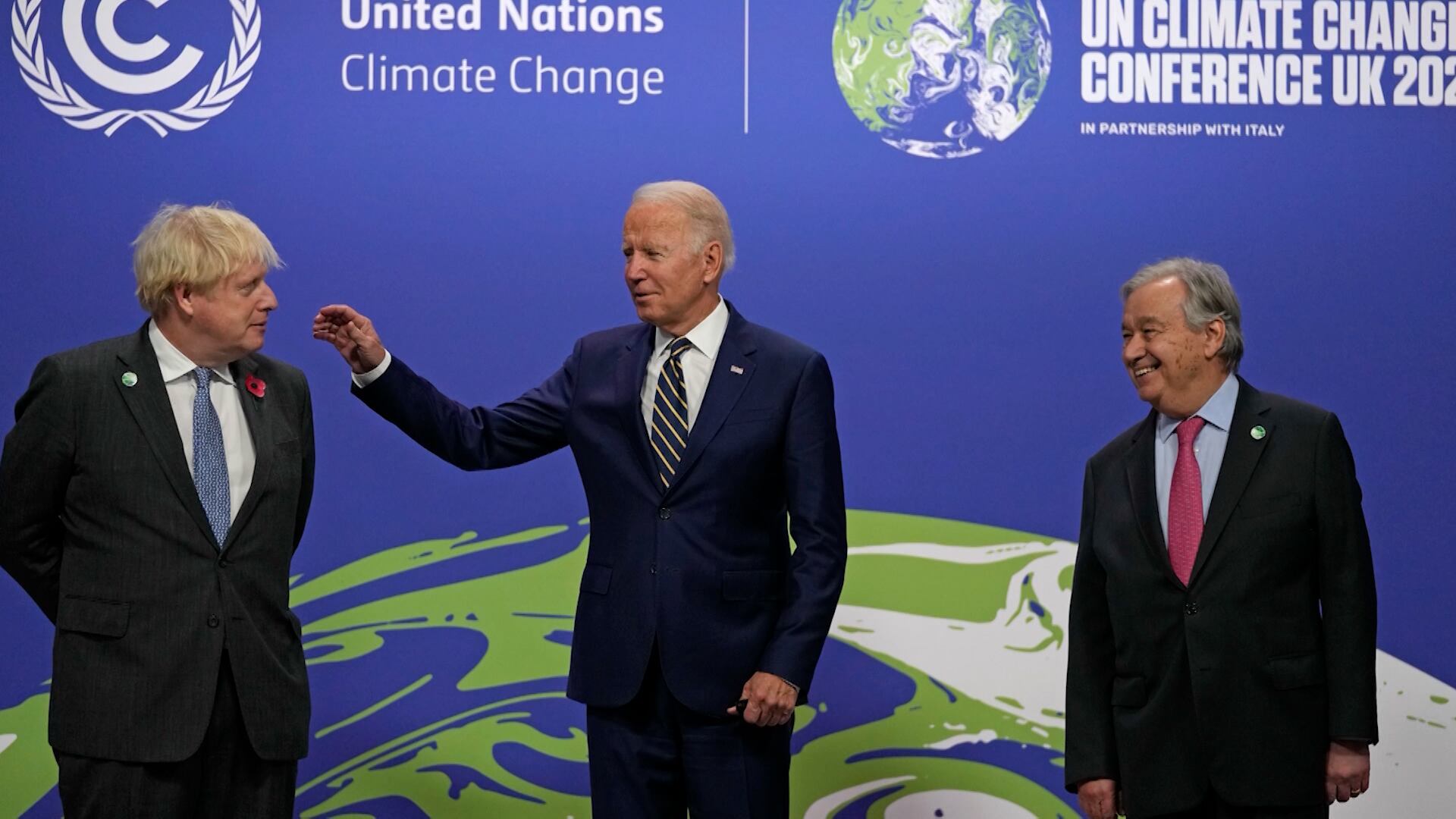
The UN climate change conference kicked off on Sunday with about 120 world leaders and delegates gathering in Glasgow, Scotland this week, as experts continue to warn about the harms of heightened emissions and the effects on climate change. The topic of ESG investing is expected to be a top priority at the summit. Jefferies global head of ESG and sustainability research Aniket Shah joined Cheddar News' Closing Bell to discuss.
Gifted and talented education programs in schools throughout the United States are falling under greater scrutiny as the race and class divide in the programs remain wide. Marcia Gentry, a professor of educational studies and the director of the Gifted Education Research and Resource Institute at Purdue University, joined Cheddar to weigh in on if advanced tracking for students can also be equitable for lower income students and students of color.
The Supreme Court is now weighing in on one of the nation's most restrictive abortion laws. The Texas law, which was enacted on September 1, bans abortions after six weeks of pregnancy. In addition, it allows any private citizen to sue anyone who helps a woman get an abortion. Jimmy Hoover, Supreme Court Editor-At-Large at Law360, joined Cheddar News to discuss more.
House Democrats are scrambling to hold a vote as soon as Tuesday on President Joe Biden's economic agenda — both the $1 trillion bipartisan infrastructure bill and the $1.85 trillion social safety net and climate bill. With Biden still overseas, the bill stands in flux. Jennifer Haberkorn, congressional reporter at the Los Angeles Times, joined Cheddar's "Opening Bell" to discuss.
Lauren Brody, author of "The Fifth Trimester," joined Cheddar to talk about the ongoing fight for a national paid family leave policy after it was cut from the Democratic reconciliation bill negotiation reportedly due to objections from Senator Manchin. Brody discussed how parents are often forced to choose between work and caring for their family and newborns — or even taking time to deal with a traumatic loss. "Frankly, it's appalling to me that we live in a place that doesn't support people who have experienced the death of a baby and then had to go right back to work," she noted.
Even with pandemic lockdowns, greenhouse gas levels reached new highs in 2020, according to the World Meteorological Organization. This report comes just a week ahead of the United Nations Climate Change Conference, otherwise known as Cop26. Shannon Osaka, climate policy and solutions reporter at Grist, joined Cheddar's Between Bells to discuss.
Paid family & medical leave is left out of President Joe Biden's Build Back Better domestic policy plan. Abby Vesoulis, reporter for TIME joins Cheddar News to breakdown what this means for Americans.
Carlo's flying solo today, talking COP26 and climate change, another racially charged trial gets underway, SCOTUS takes on abortion and a stunning rise in traffic deaths points to a bigger societal breakdown sparked by the pandemic.