Marijuana Cultivator Acreage Holdings Raises $119 Million and Eyes Canada Listing
*By Jacqueline Corba*
Cannabis operator Acreage Holdings closed a $119 million financing round from private investors, the [largest ever in the U.S. marijuana industry](https://www.prnewswire.com/news-releases/acreage-holdings-announces-closing-of-119-million-private-round---largest-in-us-cannabis-history-300684459.html).
"We tried to go after institutional investors and had a fair amount of traction," Acreage Holdings President George Allen told Cheddar on Monday. "But for the most part they were very slow to move onto this opportunity relative to people who have had some personal connection to it. And frankly until they figure out banking reform for cannabis it's very hard for institutional investors to participate."
In May, Acreage expanded its footprint to 13 states by adding [New Jersey to its operations](https://cheddar.com/videos/acreage-holdings-expands-into-new-jersey).
The company will use its latest Series E round to prepare for going public in Canada this fall. Allen said he hopes listing on that country's exchange will be a catalyst for going public in the U.S.
But first, banking and [federal policy will need to change](https://www.brookings.edu/research/banking-regulations-create-mess-for-marijuana-industry-banks-and-law-enforcement/), Allen said.
"It's an unfortunate consequence of where we are with federal policy right now, that you can't take \[public\] a company that is operating legally in compliance with all the state rules," he explained.
To push its message, Acreage tapped Former House Speaker John Boehner and Former Massachusetts Governor Bill Weld in April for its [board of directors](https://www.acreageholdings.com/news-release-board-of-advisors-appointment).
"What everybody is looking for in this industry is some validation that now is the time it's right to get in. Well, what better testimony can you have than somebody that is as plugged in as those two people," said Allen. "We think the time is now."
For the full interview, [click here](https://cheddar.com/videos/acreage-holdings-closes-119-million-funding-round).
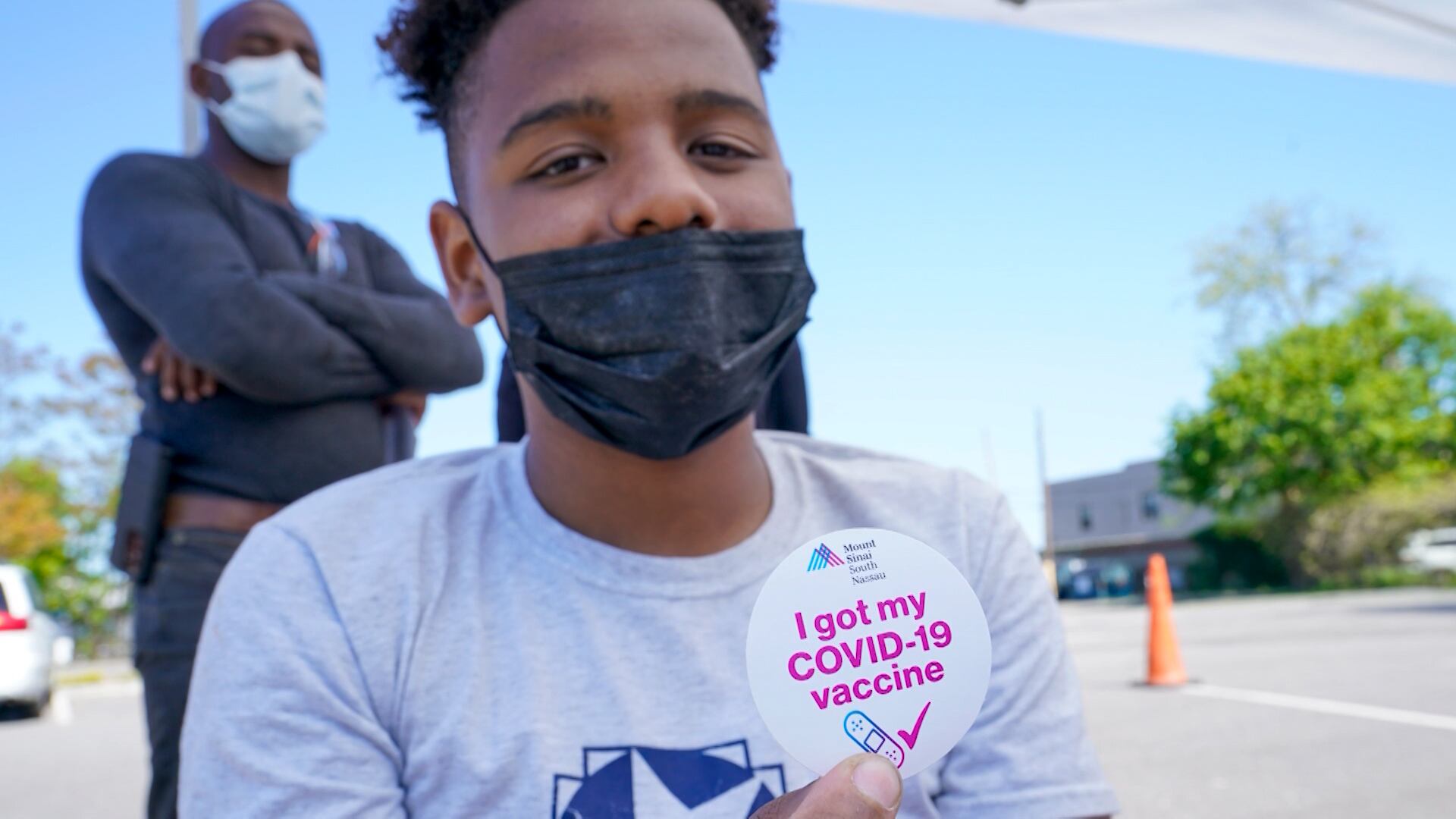
The world hit a grim milestone on Monday, with COVID-19 cases surpassing a quarter of a billion worldwide. As cases increase, the fight to beat the virus continues as well, with a number of medical breakthroughs coming out over the last few months in the form of pills from Pfizer and Merck. Regeneron is now the latest company to join the fight, recently releasing new data on a covid antibody cocktail. Professor Peter Pitts, former FDA Associate Commissioner and the founder of the Center for Medicine in the Public Interest breaks down the differences between the 3 treatments and why vaccines are still among the fire line of defense.
Doug Astrop, managing partner at Exponential Investment Partners, joined Cheddar to discuss Peloton's precipitous price drop, and whether the company can recover as the at-home workout trend tapers off. "They've lowered the prices on their equipment to try to attract a bigger audience because ultimately they're sort of headed to this Apple ecosystem model where they can monetize a loyal customer base," he said. Astrop noted that he believes there is a reality where the in-person gym experience and Peloton's at-home programs can co-exist.
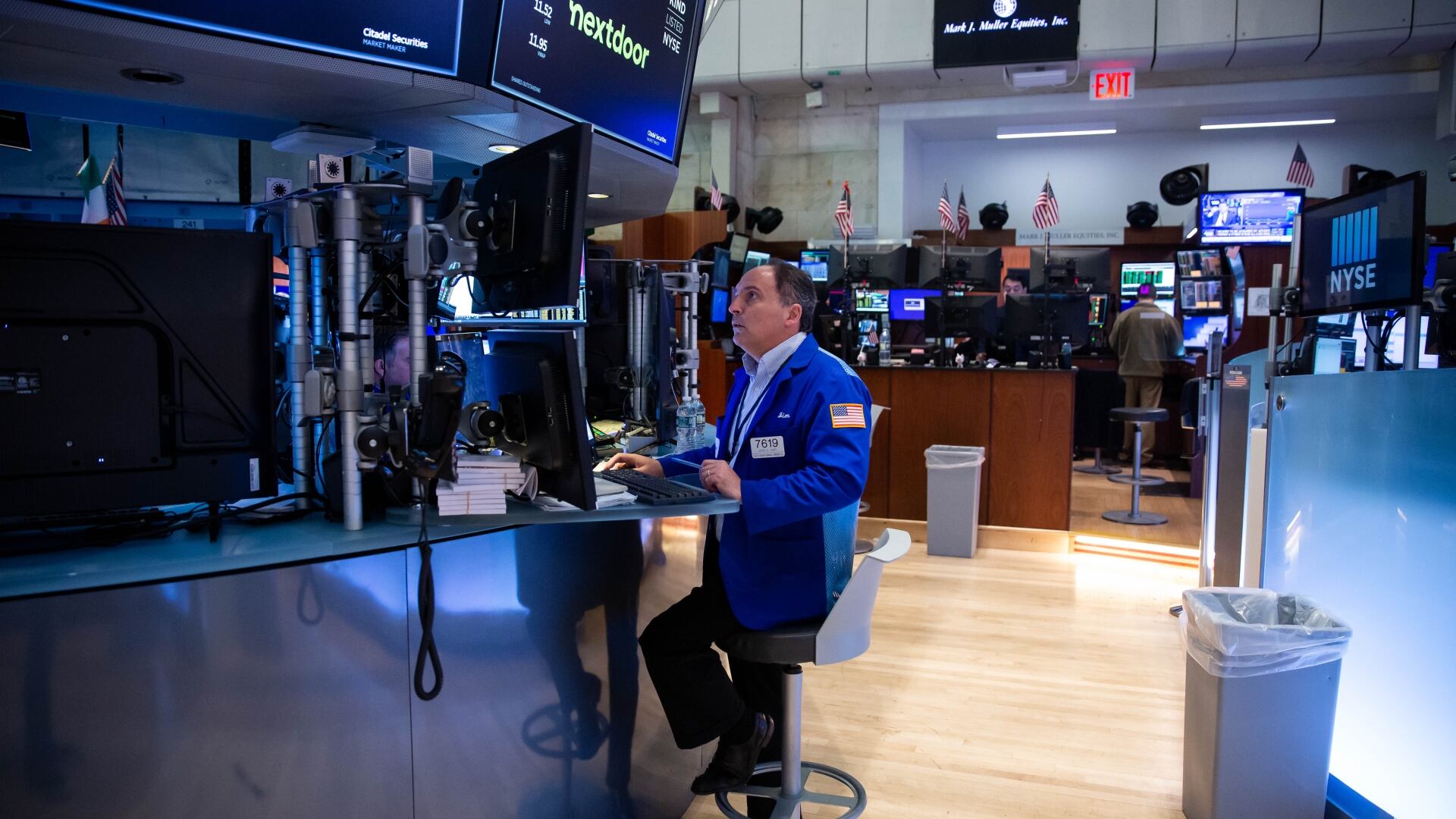
Bill Stone, Chief Investment Officer at Glenview Trust Company, joined Wake Up With Cheddar to break down markets headlines ahead of the start of the trading week.
Jill and Carlo discuss the scenes of joy at American airports as borders reopen, another tool in the Covid toolbox, the latest in the Astroworld crowd crush tragedy and more.
Next week will see several different events that will likely weigh on the markets. Cheddar News' Closing Bell dives in, from the continuation of third-quarter earnings season to Rivian's IPO and a 're-IPO' from Hertz, along with more inflation data.
Frank Lee, Managing Director at Miracle Mile Advisors, joins Cheddar News' Closing Bell, where he explains why markets are soaring after the Dow, S&P, Nasdaq, and the Russell 2000 all reached new record closes to begin the trading week.
Amid an ongoing labor shortage, more companies are turning to automation for processes like shipping and delivery in order to relieve supply chain pressures. But what does this mean for the wider labor market - will those jobs return? How will workers fare once supply chain issues ease? Sam Lurye, CEO and Founder of automation startup Kargo, joins Cheddar News' Closing Bell to discuss the pros and cons of automation, how workers can adapt alongside new technology, and how the pandemic led to the perfect storm for the rise of automation.