*By Max Godnick*
Russia's suspected interference in the 2016 election was so complex that even a Pulitzer Prize-winning reporter who's spent the past two years working on the story can't always keep things straight.
"It was impossible to stay up, it was impossible to make sense of a lot of it," Greg Miller, author of "The Apprentice: Trump, Russia, and the Subversion of American Democracy," said Monday in an interview on Cheddar.
In his new book, the national security correspondent for The Washington Post set out to provide a Readers' Digest version of Russia's involvement in the last presidential election and all of its fallout.
"The main objective was to try to write something that's comprehensive, that people can wrap their heads around," Miller said.
The book's title is not just an obvious reference to Trump's former NBC reality show. Miller said it also calls to mind the political novice's early experiences in The White House, behavior that resembles, in Miller's view, an "untrained apprentice."
But the title has yet a third meaning: Trump's relationship with Russian leader Vladimir Putin.
"There's this aspect of subservience to the word," Miller said. "\[Trump\] sort of emulates, admires, imitates Vladimir Putin."
That relationship is the central dynamic around which the rest of his book orbits, Miller said.
"His inexplicable affinity for the Russian president is, of course, the most important idea and theme cutting through the whole book," he explained.
After over a month spent fixated on the Supreme Court confirmation, the political world is turning its focus back on Special Counsel Robert Mueller's probe on Russian involvement in the election.
Miller described the investigation as "absolutely leak-proof" adding that, despite its 32 indictments and guilty pleas, America has yet to see "Mueller's final act."
By contrast, the president can't seem to say enough about the investigation, tweeting and railing about the so-called "witch hunt" on a seemingly weekly basis.
"It's such an enormous clash of different ideas and different moral codes," Miller said of the dueling approaches.
It's been a long process as Mueller has conducted his investigation, but Miller predicts that, with under 30 days remaining before the midterm elections, the wait won't be much longer.
"You've got to believe that he's got just as much left up his sleeve," he said. "We're just around the corner from that now."
"The Apprentice: Trump, Russia, and the Subversion of American Democracy" is available in stores and online.
For full interview [click here](https://cheddar.com/videos/the-apprentice-goes-inside-trump-putin-relationship).
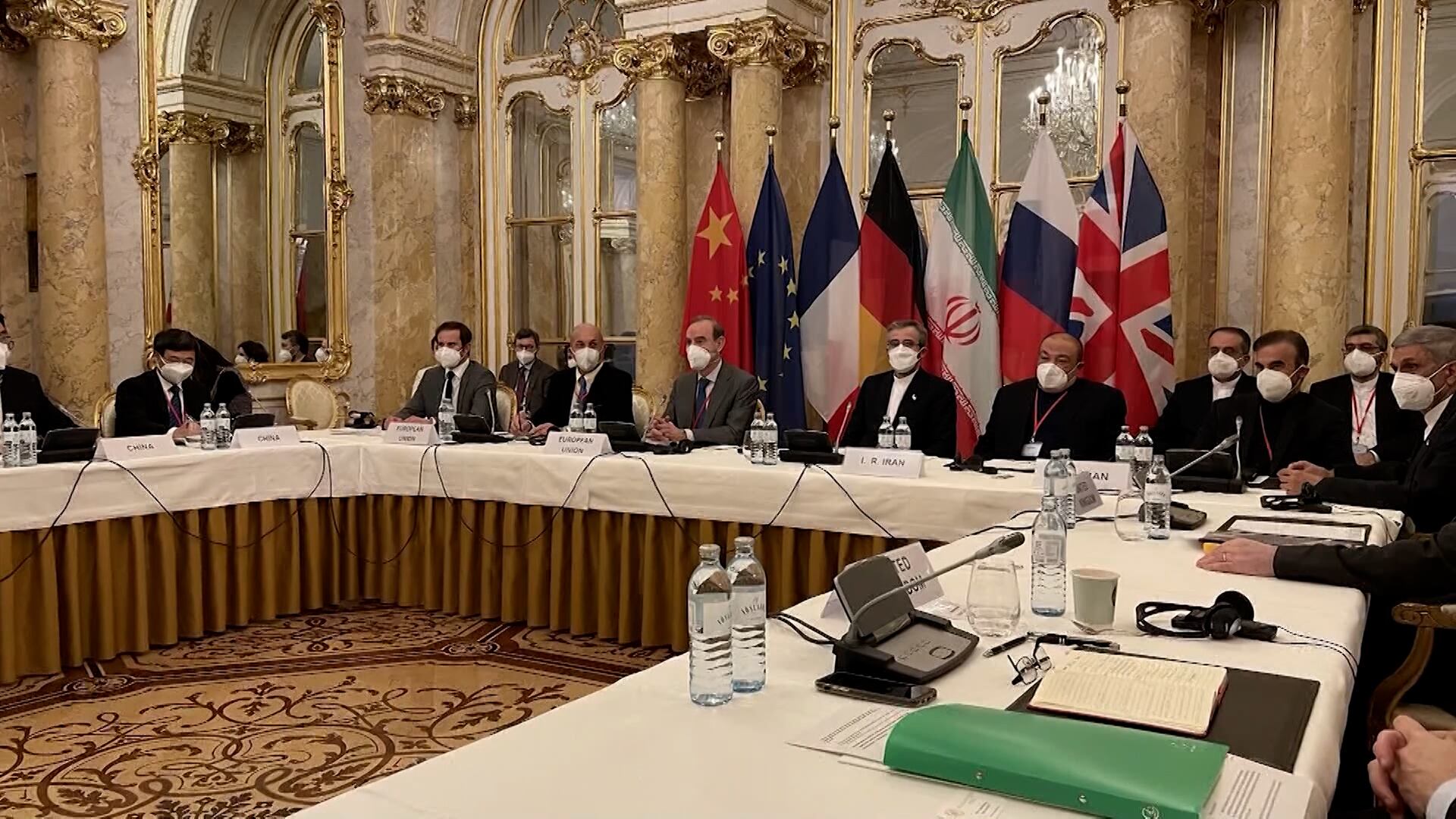
The U.S. is back in negotiations for a nuclear deal with Iran, years after former President Donald Trump withdrew the country from the Joint Comprehensive Plan of Action (JCPOA), which had been meant to curtail the Middle Eastern nation's nuclear ambitions. Former State Department senior advisor to the George W. Bush and Trump administrations, Christian Whiton, joined Cheddar News Wrap to discuss. “It appears to be very similar to the original JCPOA, which does put some constraints on Iran's nuclear program, but also has sunset provisions, including some that in the original plan were expected to take effect in 2025," he said. "And so, if we just reenter that plan, really it just buys perhaps a few years of slowing down, stopping, whatever you want to say, Iran's nuclear program."
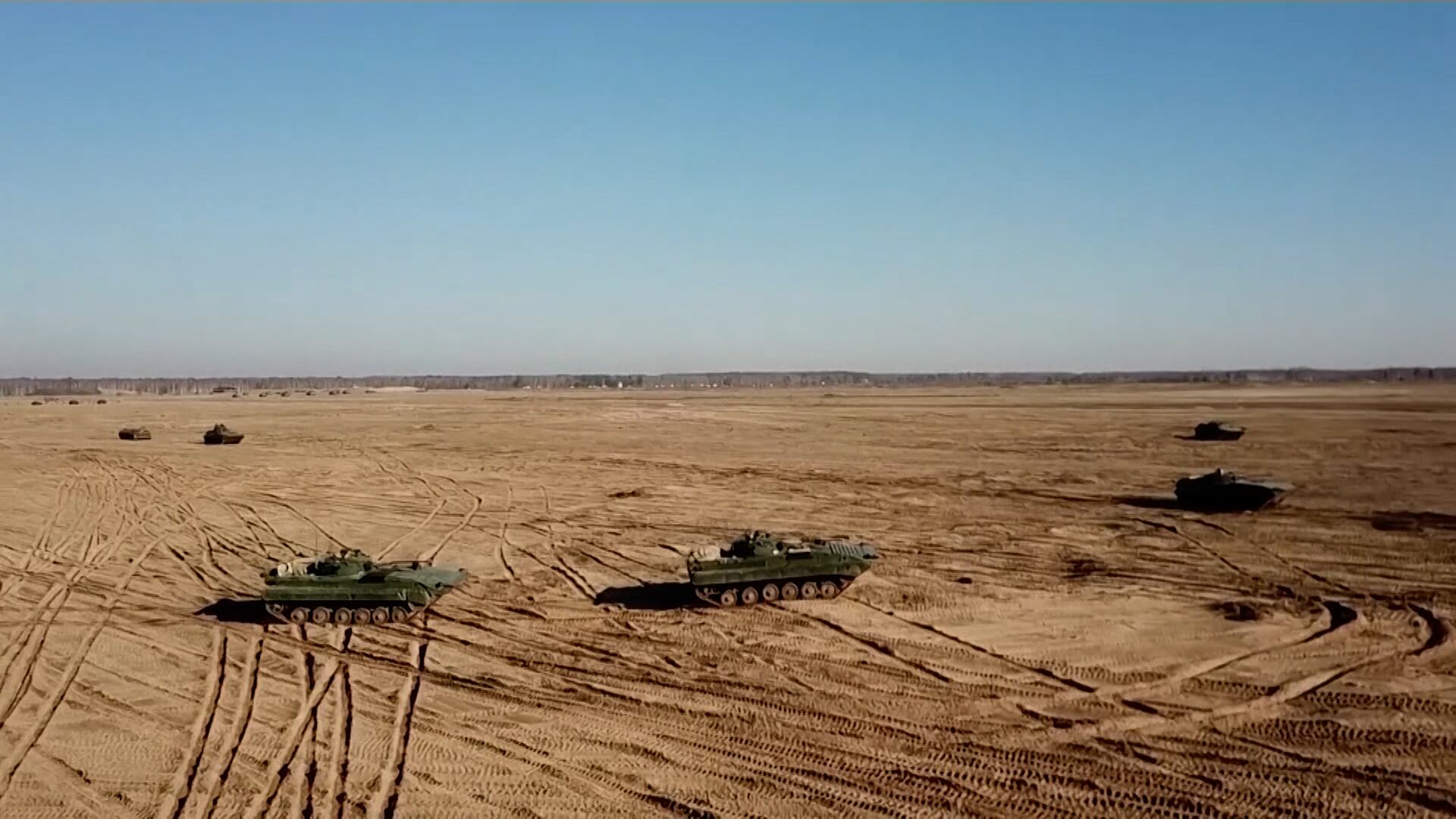
The U.S. has announced the first of what could be multiple levels of sanctions against Russia after Moscow recognized two regions of Ukraine as independent. This comes as Britain imposes sanctions on five Russian banks and two oligarchs, and Germany freezes the Nord Stream gas pipeline. Terrell Star, a foreign affairs reporter at The Atlantic Council, joins from Kyiv to discuss.
Growing tensions in Ukraine might soon be impacting consumers in the United States. With Russia on an invasion footing in the region, gas prices are predicted to go up 10 to 15 cents a gallon in the next coming weeks, according to Robert Sinclair, spokesperson for AAA. Sinclair joined Cheddar to break down what could happen even further. "We've been seeing prices go up, and there's been nothing that's happened to affect supplies," he said. "But it's something known as the fear tax where just the talk of something that might interfere with supplies leads to prices going up speculatively."
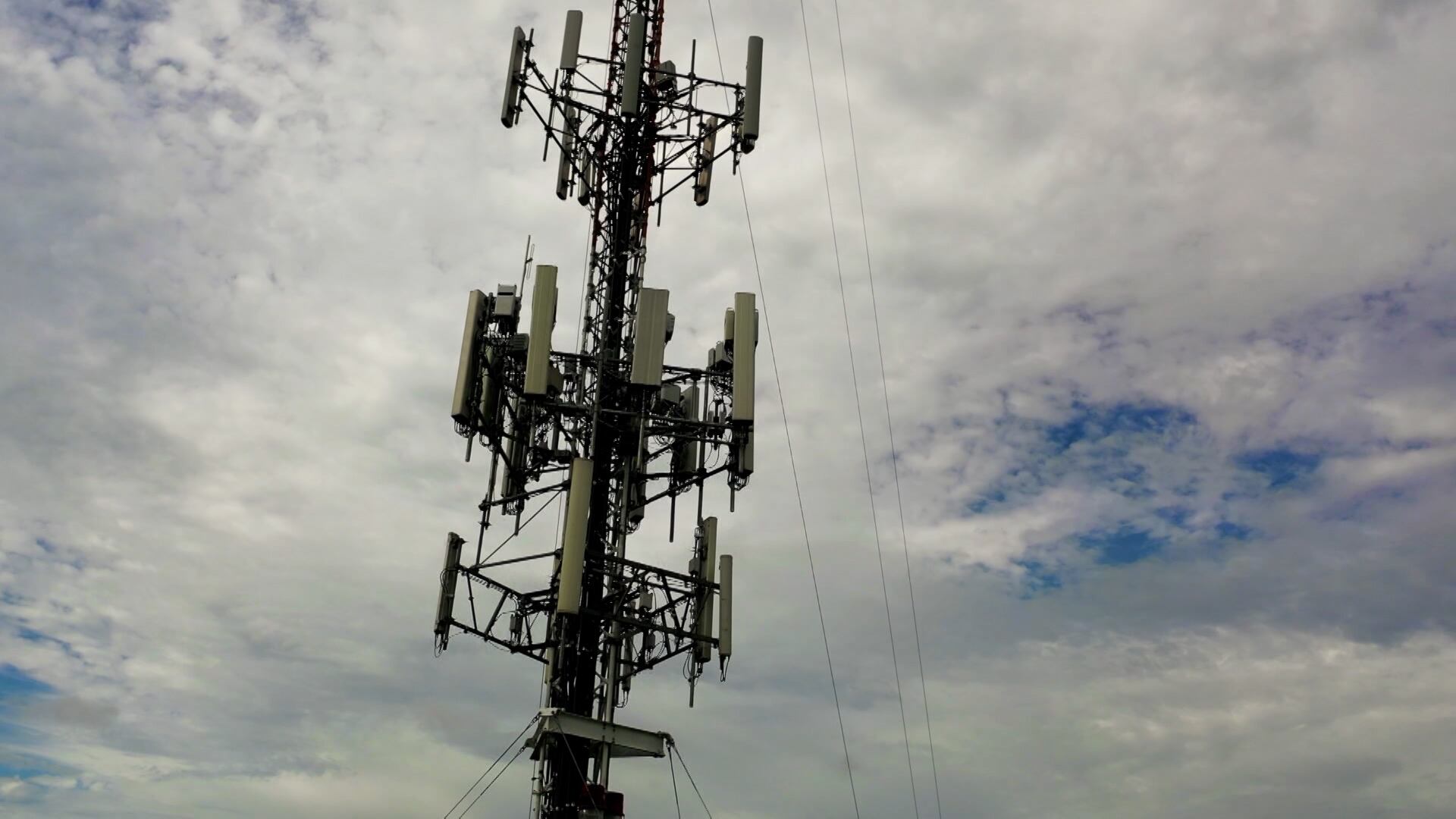
The end of 3G is upon us. On Tuesday, AT&T became the first major provider to disable its 3G services, and T-Mobile and Verizon plan to follow suit later this year. The shutdowns are expected to impact millions of vehicles that use 3G networks for updates, remote connection, and certain emergency and convenience features. Lance Ulanoff, the U.S. Editor-in-Chief of TechRadar, joined Cheddar's Closing Bell to discuss the ramifications of the changeover.
A new report shows nearly 240 former officials in Congress, the White House, and regulatory agencies have changed careers to work in the crypto industry.
President Biden unveiled new economic sanctions on Russia for what he called "the beginning of a Russian invasion". This came one day after Putin sent troops into two breakaway regions of eastern Ukraine. Alex Ward, national security reporter for POLITICO, explains what these sanctions might do to the global economy.
U.S. stocks ended today's session sharply lower on the heels of rising geopolitical tensions between Russia and Ukraine. Melissa Brown, Managing Director of Applied Research at Qontigo, joins Cheddar News' Closing Bell to discuss.
President Joe Biden said Tuesday that the U.S. will begin to impose sanctions on Russia, calling recent troop movement into Ukraine an 'invasion.' Biden and other government officials including from the State Department have begun to classify the Russian troop movement as an invasion after Russian President Vladimir Putin ordered troops to two independent Ukrainian areas in an alleged "peacekeeping" mission — which the West considers an act of aggression. Biden said Russia will continue to pay 'an even steeper price' if it continues sending troops into Ukraine. What happens next? Will Putin find a way around these sanctions? Ariel Cohen, senior fellow at the Atlantic Council, joins Closing Bell to discuss Biden's remarks, how the West will protect Ukraine since it doesn't belong to NATO, and more.