By Alex Veiga
A resilient stock market helped boost gains for savers with retirement accounts through the first half of this year.
The average 401(k) plan balance stood at $112,400 at the end of the second quarter, an increase of 4% from the first quarter and up 8.3% from the second quarter of last year, according to new data from Fidelity Investments drawn from more than 23 million accounts.
The median balance was just $24,800. About 35% of Americans reported having a 401(k) plan in 2020, according to the Census Bureau.
Individual retirement accounts, or IRAs, also rose. The average balance was $113,800 by the end of the second quarter, an increase of 5% from the first quarter and up 2.7% from the second quarter last year, Fidelity said.
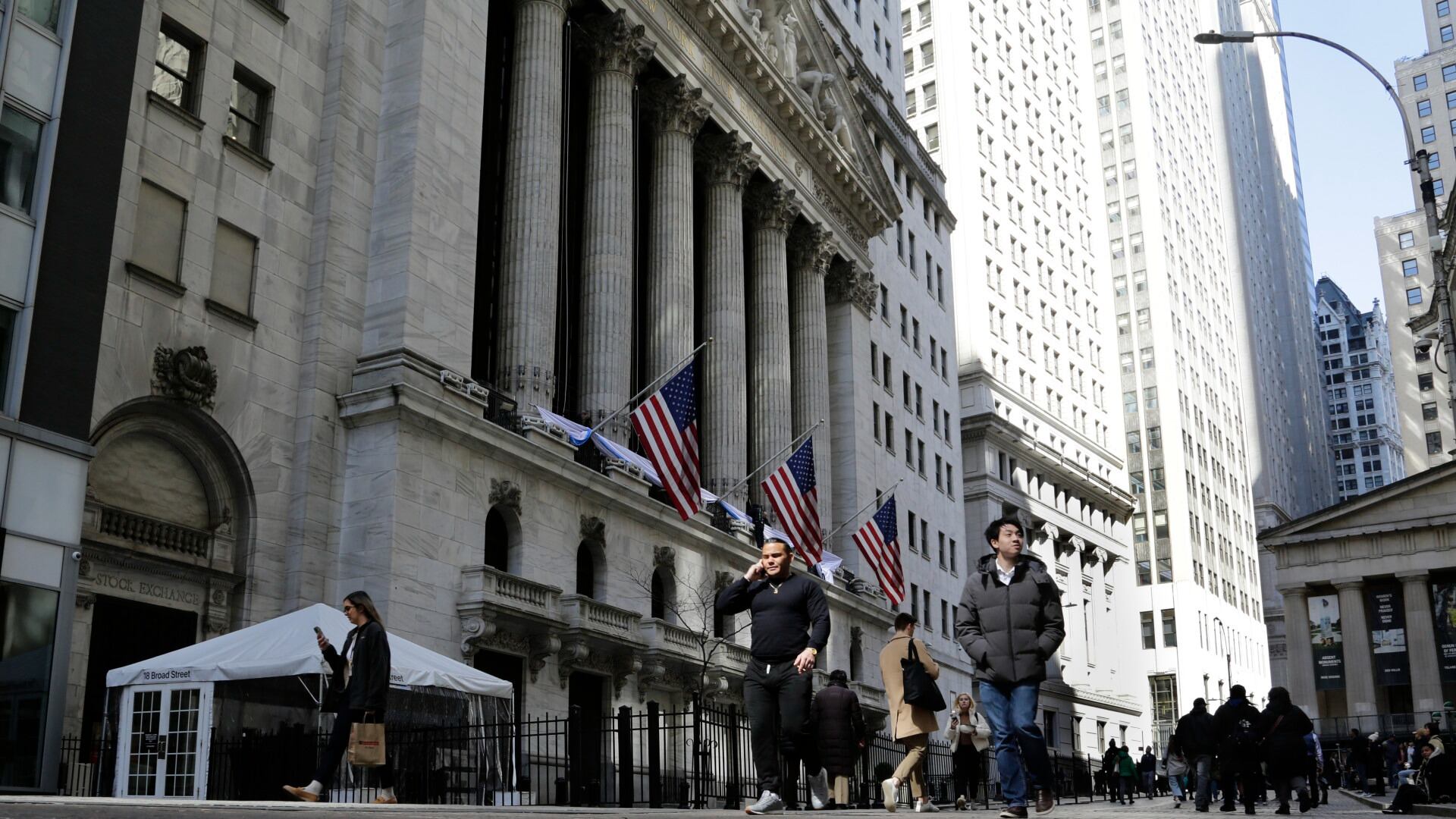
Those gains came as the stock market cruised through the first half of 2023, in part because the economy has been able to defy many predictions for it to fall into a recession, at least so far. The job market in particular has remained resilient despite high interest rates that slow the economy in hopes of dragging down inflation. That’s helped profits for companies not fall as much as feared.
The benchmark S&P 500 index rallied to a 15.9% gain through the first six months of the year. It added another 3.6% by the end of July, but has given up some ground so far this month. It was up 14.7% for the year as of Wednesday.
A big gap in gains between the S&P 500 and the average balance on retirement accounts isn't uncommon. The reason is 401(k) and IRA plans typically hold a variety of asset classes, including foreign stocks, bonds and cash, for example, while the S&P 500 is comprised only of U.S.-based stocks. Plus, younger retirement savers tend to have a higher percentage of their plan holdings in more aggressive stocks, while those closer to retirement tend to have a more conservative allocation to lessen their exposure to market swings.
Beyond the stock market's performance, the savings rate, or how much savers set aside from their pay combined with contributions from their employer, also helped push up 401(k) plan balances in the first half of the year. The savings rate was 13.9%, Fidelity said. That's down slightly from 14% in the first quarter, but slightly higher than the 13.7% rate in the second quarter last year.
Boosting your contribution rate, even by 1%, can make a big difference over 10 or 20 years, assuming the saver remains employed and making contributions the entire time.