By Paul Wiseman
The Federal Reserve's favored inflation gauge slowed sharply last month, an encouraging sign in the Fed's yearlong effort to cool price pressures through steadily higher interest rates.
Friday’s report from the Commerce Department showed that consumer prices rose 0.3% from January to February, down from a 0.6% increase from December to January. Measured year-over-year, prices rose 5%, slower than the 5.3% annual increase in January.
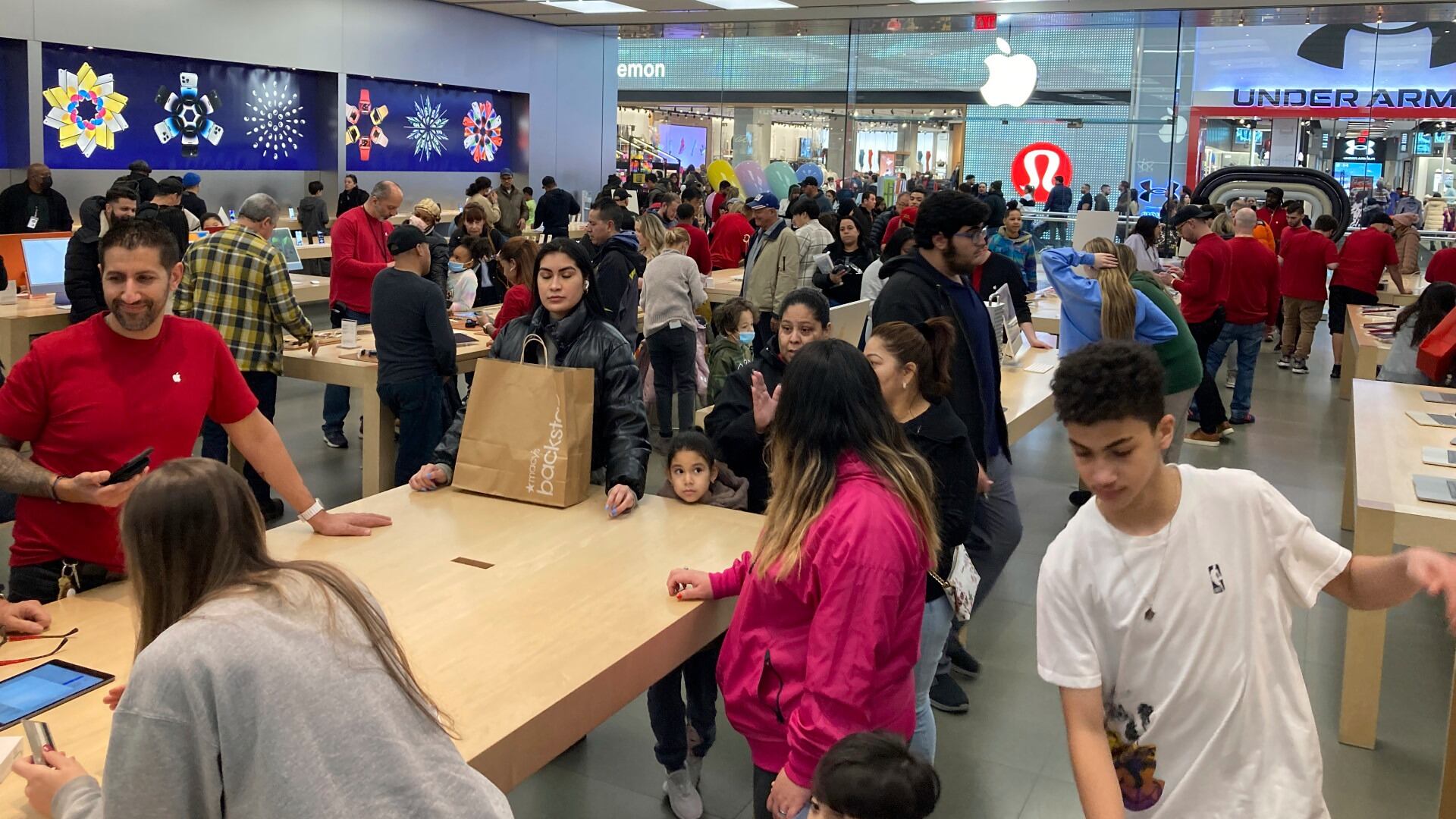
The report also showed that consumer spending rose 0.2% from January to February, a drop from a month earlier but an indication that households are still providing fuel for economic growth.
Taken as a whole, Friday's figures show that inflation pressures, though easing gradually, still maintain a grip on the economy. The Fed has raised its benchmark rate nine times since March of last year in a strenuous drive to tame inflation, which hit a four-decade high in mid-2022.
Even after having slowed, consumer prices are still posting year-over-year increases well above the Fed's 2% target. Earlier this month, the Labor Department said its consumer price index rose 0.4% from January to February and 6% from February 2022.
The Fed’s policymaking has been complicated by the tumult that erupted in the financial system after the collapse this month of Silicon Valley Bank and New York-based Signature — the second- and third-biggest bank failures in U.S. history. The central bank now must consider the risk that its continuing efforts to cool inflation through ever-higher interest rates could further destabilize the banking system.
At a news conference last week, Fed Chair Jerome Powell acknowledged that the uncertainties now overhanging small and midsize banks will likely cause tighter lending conditions. If banks do restrict lending in the coming months, Powell noted, it would probably slow the economy and perhaps act as the equivalent of a quarter-point Fed rate hike.
The Fed is thought to monitor the inflation gauge that was issued Friday, called the personal consumption expenditures (PCE) price index, even more closely than it does the government’s better-known consumer price index. Typically, the PCE index shows a lower inflation level than CPI. In part, that’s because rents, which have been among the biggest drivers of inflation, carry twice the weight in the CPI that they do in the PCE.
The PCE price index also seeks to account for changes in how people shop when inflation jumps. As a result, it can capture emerging trends — when, for example, consumers shift away from pricey national brands in favor of less expensive store brands.