The rise of artificial intelligence has many worried that robots may be taking their jobs. But Starbucks is using digital advancements to foster a stronger relationship between its customers and its employees.
“Our Mobile Order and Pay platforms through digital have been fantastically successful,” Ron Crawford, the company’s vice president of global benefits told Cheddar. “It’s driving more and more customers into our stores, which is great. It’s allowing our partners to have yet even more and more interaction with our customers.”
Starbucks has long been known for the emphasis placed on its “partners”, the term the company uses for baristas and other non-corporate employees. The company announced last week a second wave of raises, on top of pay increases that had already been scheduled for this year. It also unveiled stock grants for both full-time and part-time employees, extended sick-pay benefits, and plans to add more than 8,000 new jobs.
And while some credited President Trump’s new tax policy with sparking the changes, Crawford says most of the plans were already in the works.
“Some of those things would’ve happened in the next couple of months anyway, we were just able to do it a little bit sooner,” he said. “We were still on a path to execute our longer term strategy, and we would’ve made partner investments during the normal course of our business.”
For full interview [click here](https://cheddar.com/videos/starbucks-brews-up-employee-benefits).
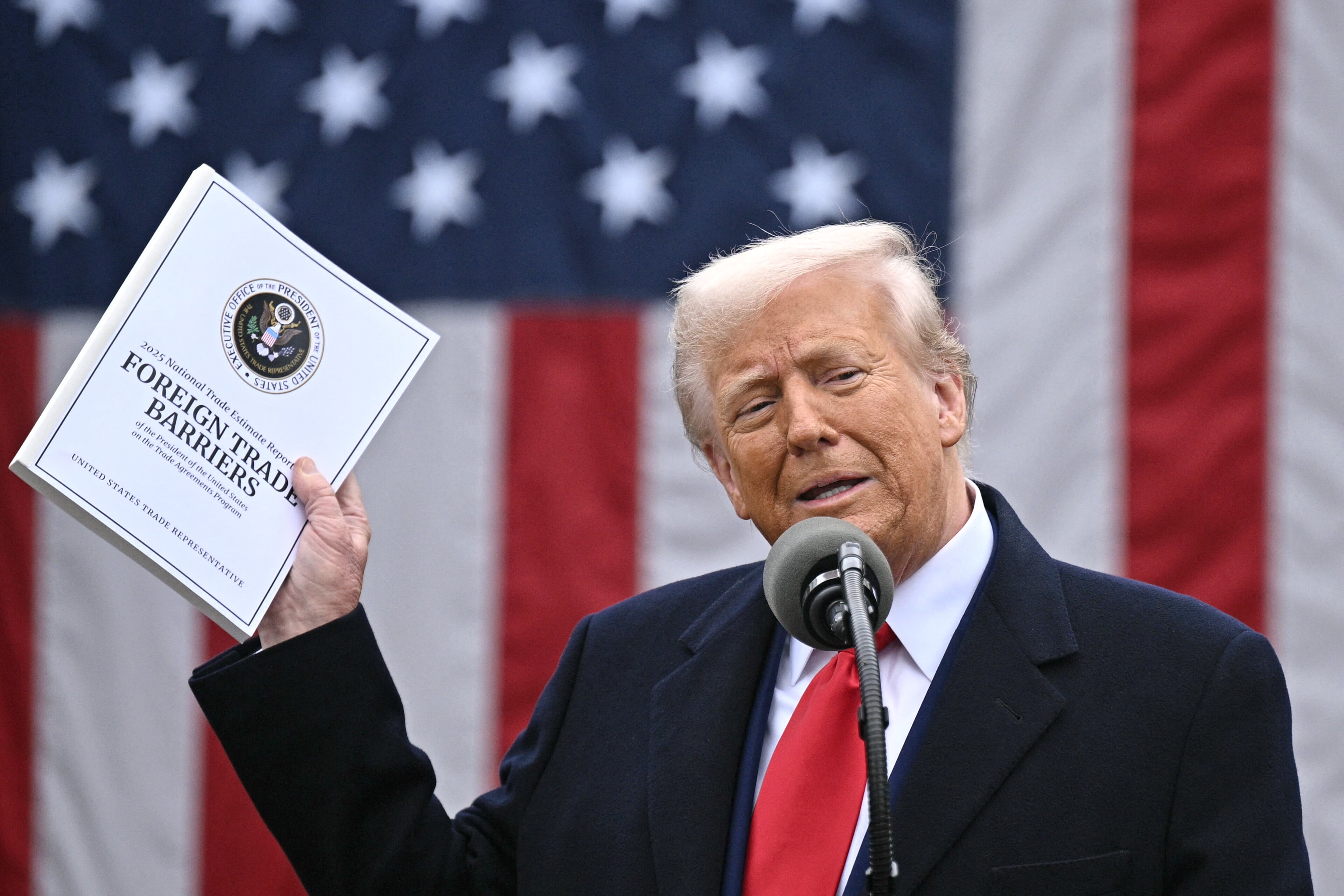
That's what his former Commerce secretary says in this interview. Plus: IRS audits, TV news ratings, nasty insults, Minecraft, Prada, and the Panama Canal.
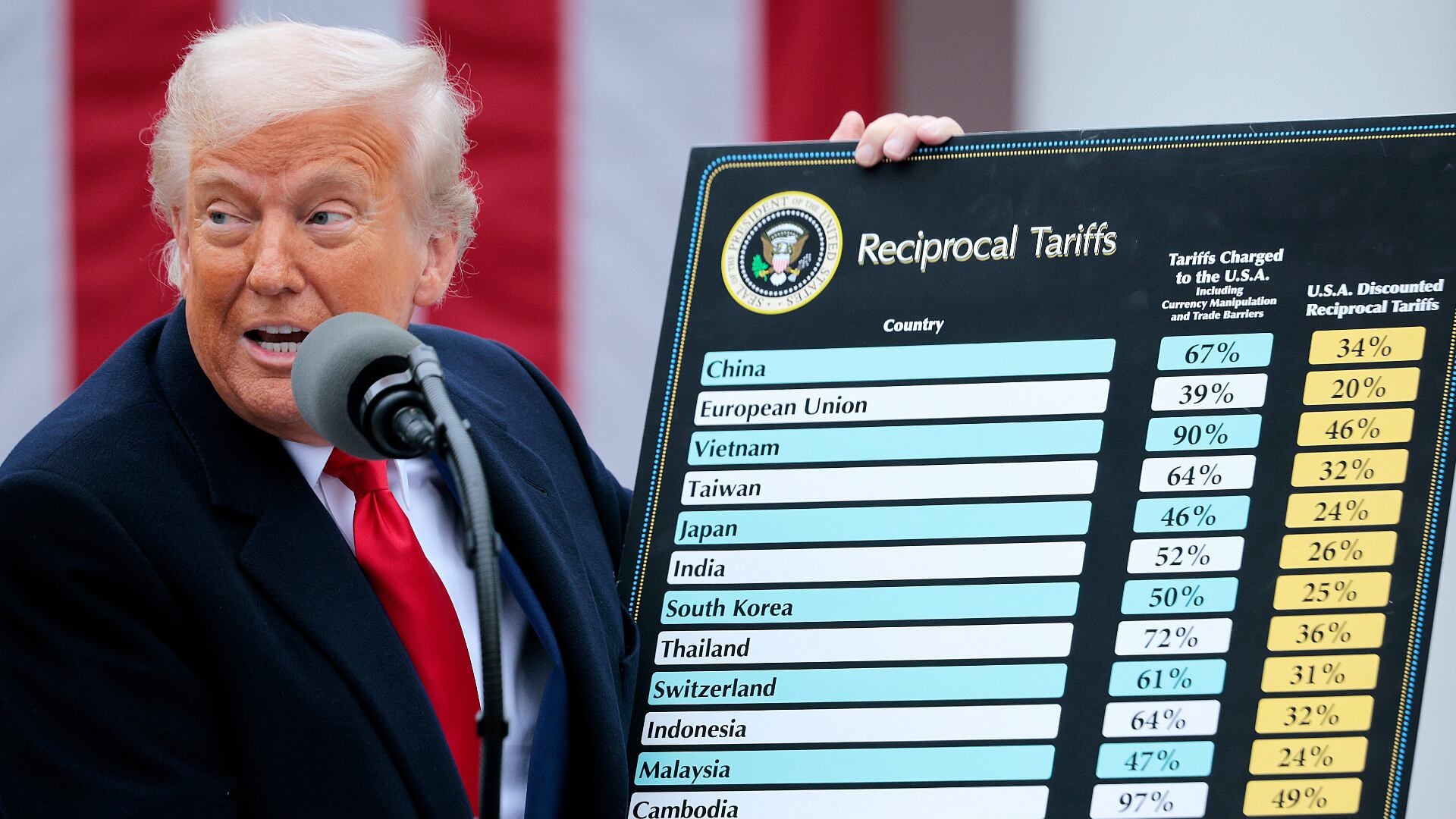
Jeremy Jansen, Head of Global Supply Chain and Trade Sales at Wells Fargo, helps us understand how trade will be affected by tariffs implemented by Trump.
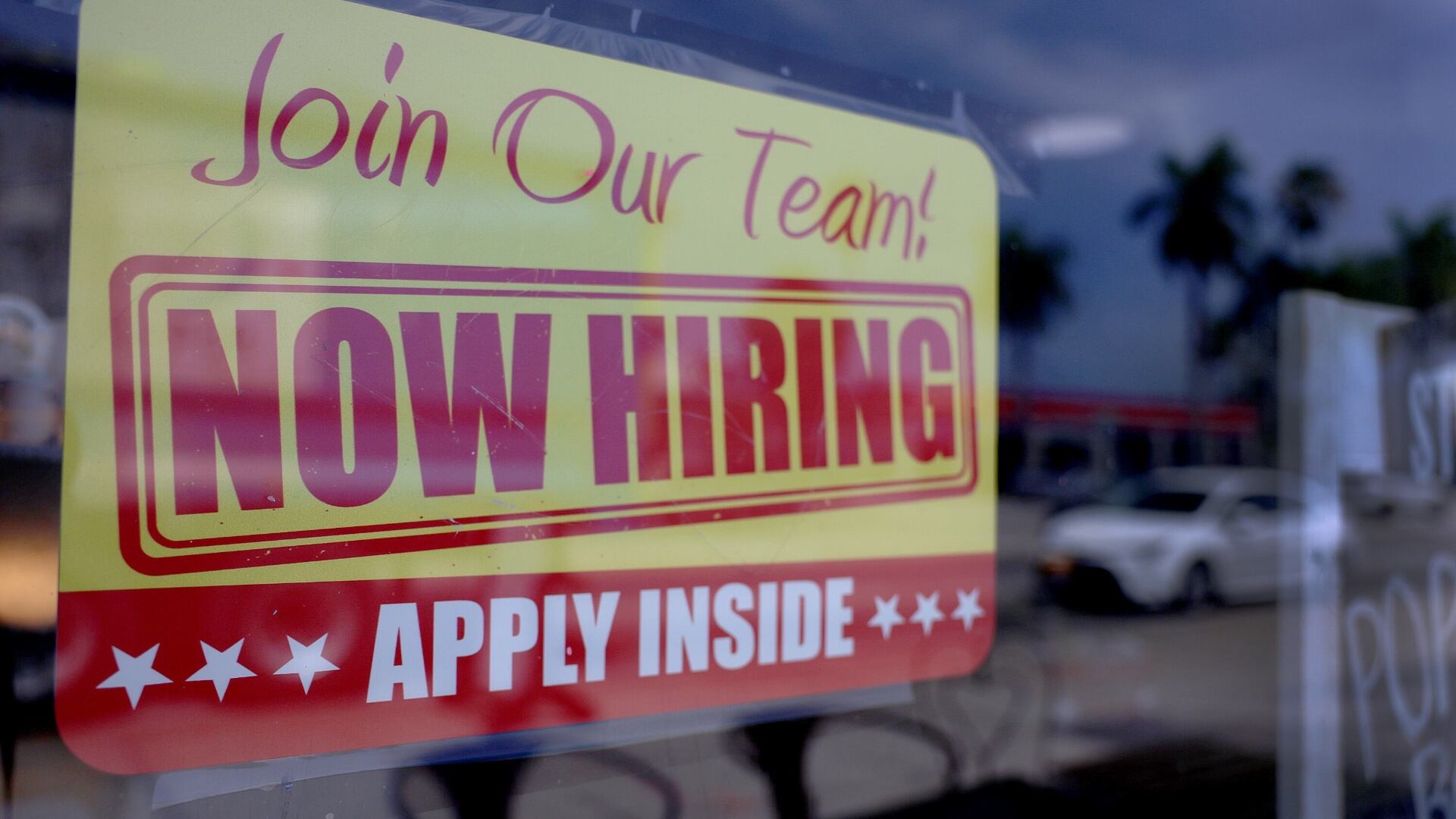
Kory Kantenga, Head of Economics for the Americas at LinkedIn, talks the current state of the labor market and how it has evolved since the pandemic. Watch!
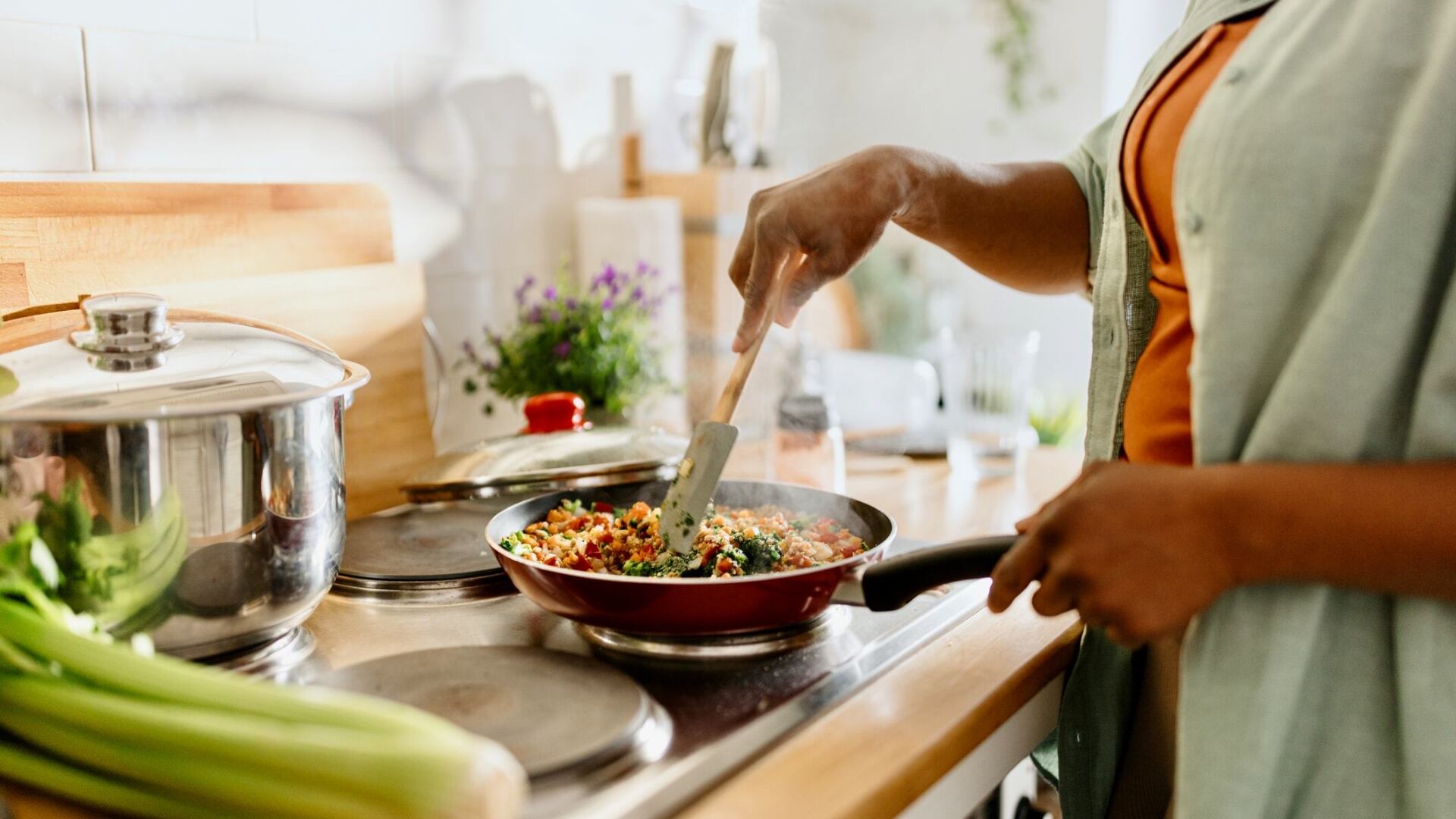
Caraway CEO, Jordan Nathan, joins Cheddar to discuss how one bad accident turned into a successful business venture and how it will help you in the kitchen.
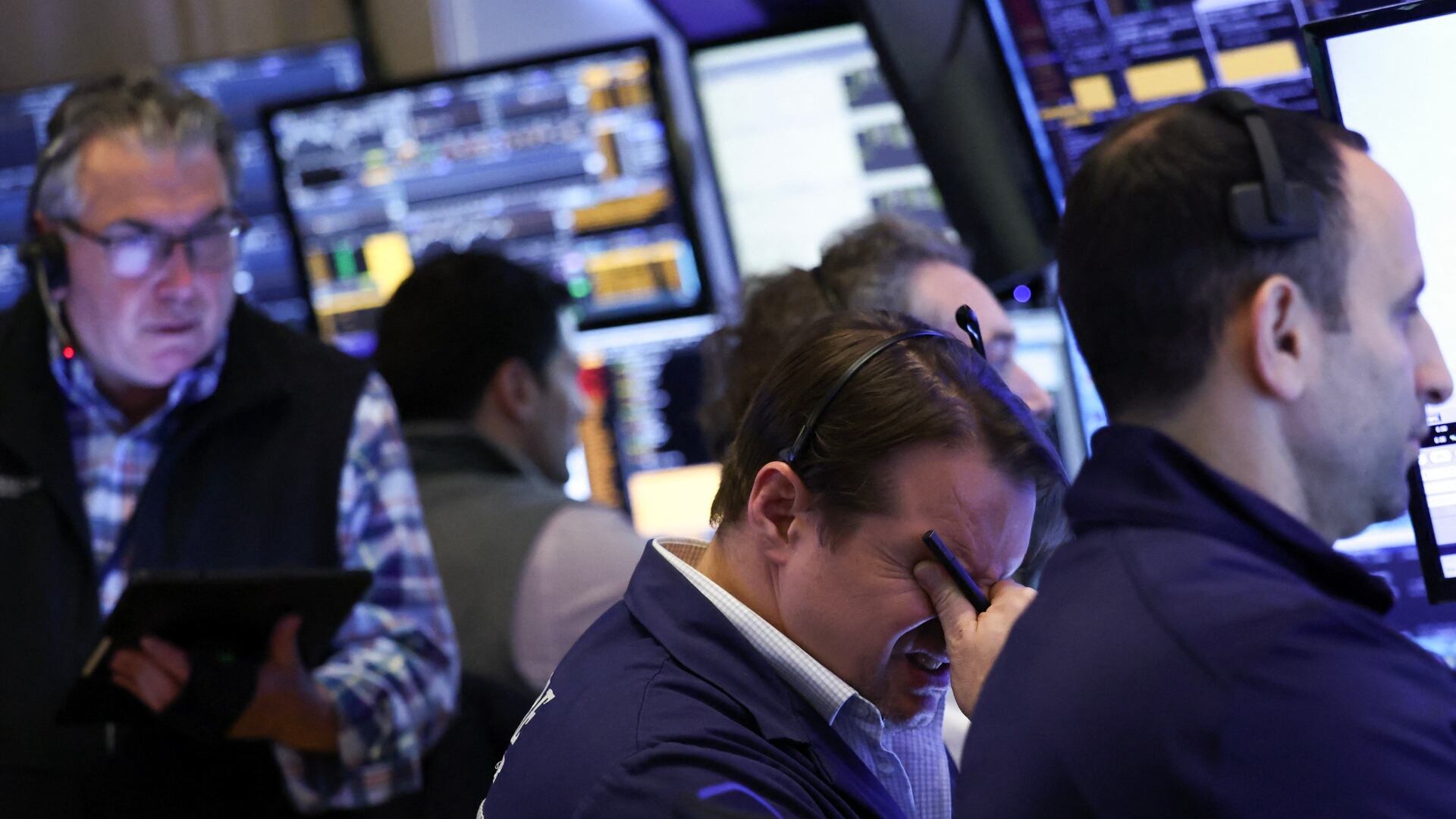
Chelsey Dulaney, reporter from The Wall Street Journal, takes us inside her piece about American Exceptionalism Trade and explains how it will affect consumers.
Sunset Magazine Editor-In-Chief, Hugh Garvey, talks the latest issue on the LA fires' threat to the California dream and the importance of the recovery efforts.