The rise of artificial intelligence has many worried that robots may be taking their jobs. But Starbucks is using digital advancements to foster a stronger relationship between its customers and its employees.
“Our Mobile Order and Pay platforms through digital have been fantastically successful,” Ron Crawford, the company’s vice president of global benefits told Cheddar. “It’s driving more and more customers into our stores, which is great. It’s allowing our partners to have yet even more and more interaction with our customers.”
Starbucks has long been known for the emphasis placed on its “partners”, the term the company uses for baristas and other non-corporate employees. The company announced last week a second wave of raises, on top of pay increases that had already been scheduled for this year. It also unveiled stock grants for both full-time and part-time employees, extended sick-pay benefits, and plans to add more than 8,000 new jobs.
And while some credited President Trump’s new tax policy with sparking the changes, Crawford says most of the plans were already in the works.
“Some of those things would’ve happened in the next couple of months anyway, we were just able to do it a little bit sooner,” he said. “We were still on a path to execute our longer term strategy, and we would’ve made partner investments during the normal course of our business.”
For full interview [click here](https://cheddar.com/videos/starbucks-brews-up-employee-benefits).
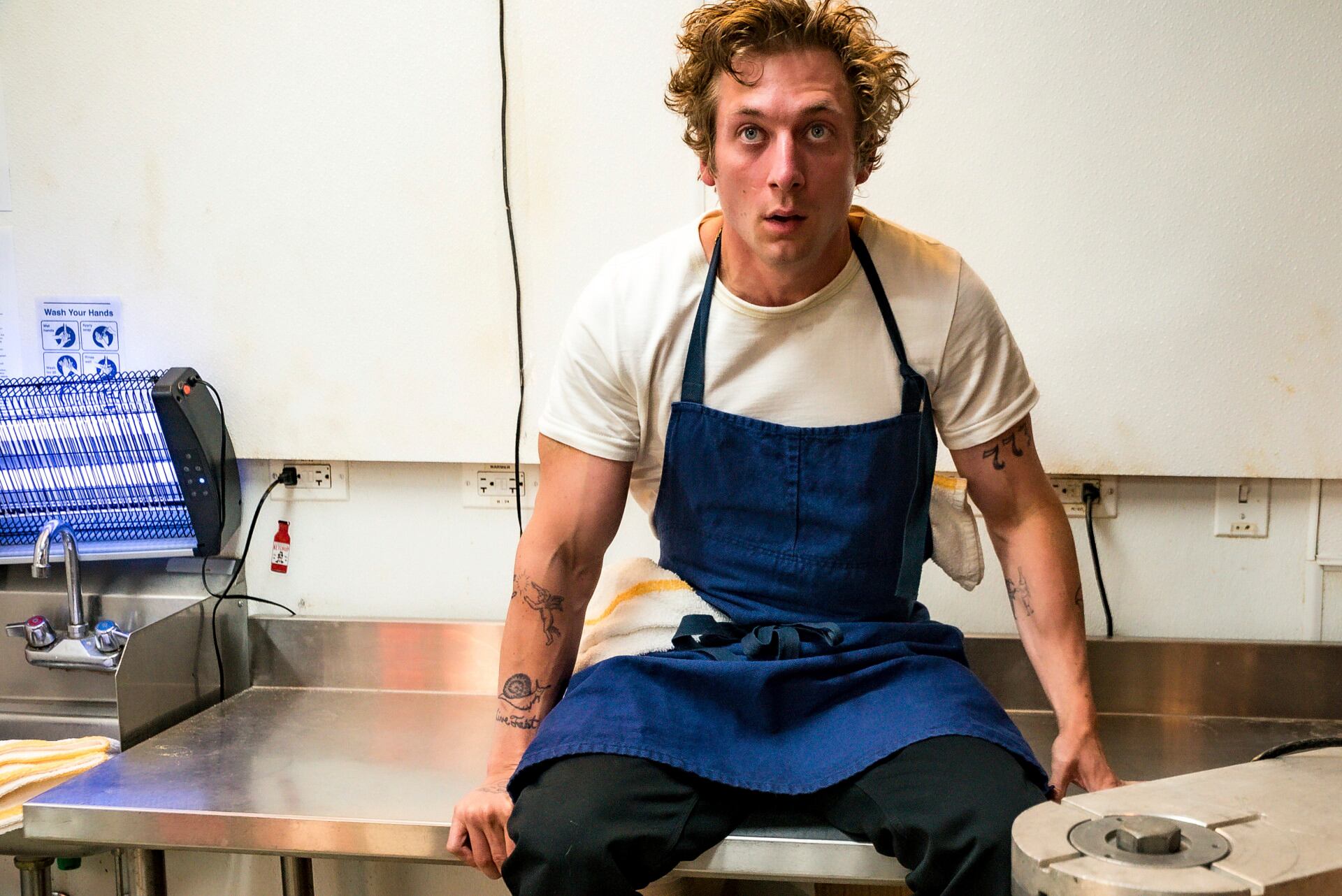
Did you happen to watch the series The Bear? The show follows a struggling small business owner in Chicago who is trying to save his business. It's a story a lot of small business owners in the U.S. can relate to. To help out these struggling entrepreneurs, Cheddar News brought on an expert here to help take your company from stressful to successful.
The sticker prices for Ford's F-150 Lightning electric pickup trucks are being lowered by thousands of dollars across the board, the company said Monday, due to increased plant capacity, falling costs for battery raw materials and internal efforts to scale production by the Detroit automaker.
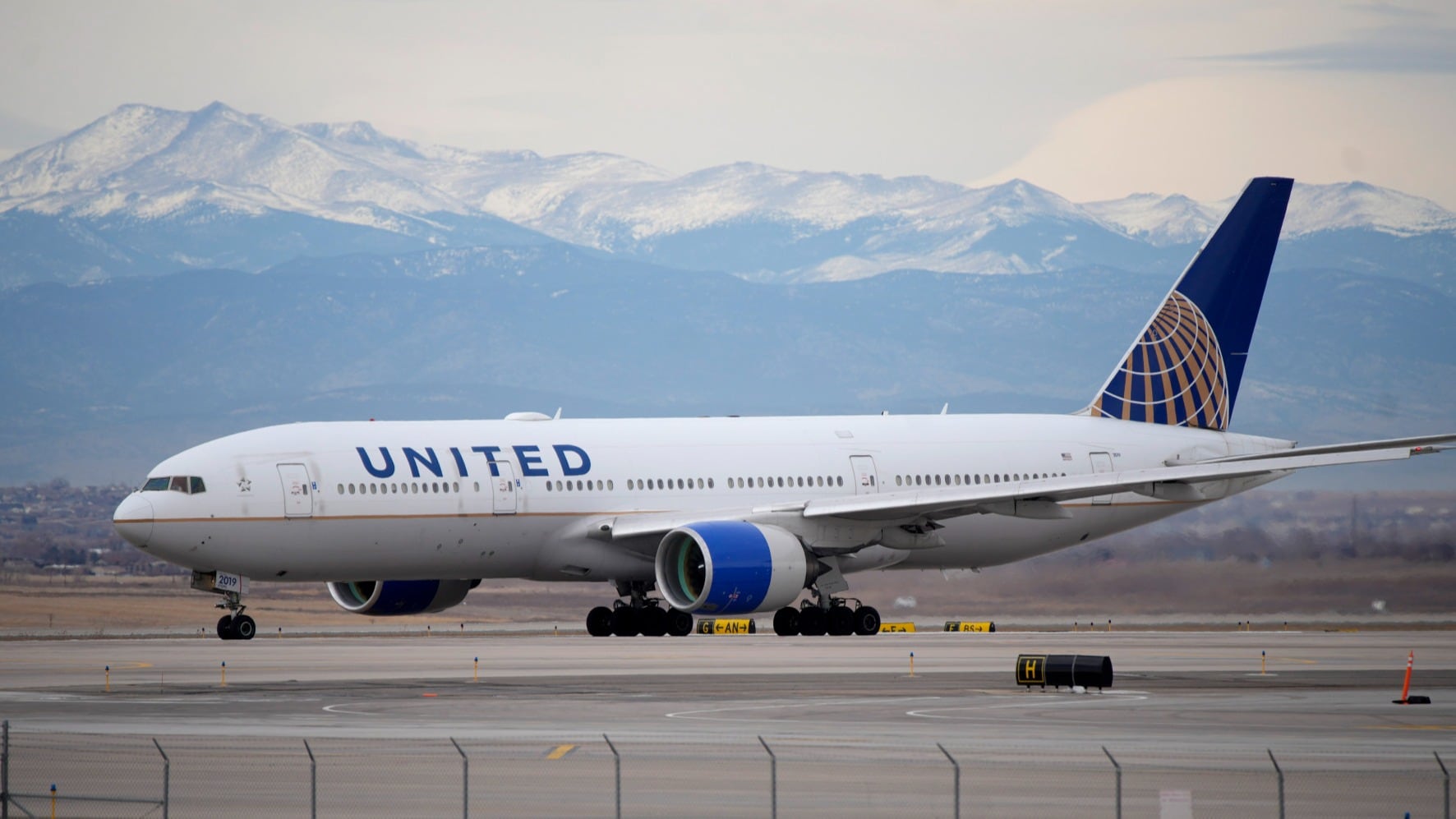
United Airlines and the union representing its pilots said Saturday they reached agreement on a contract that will raise pilot pay by up to 40% over four years.
The court’s ruling applies to higher education institutions and other entities that receive federal funding and doesn’t directly change private employer obligations, but business leaders might pull back diversity, equity and inclusion programs to avoid lawsuits.
The Week's Top Stories is a guided tour through the biggest market stories of the week, from winning stocks to brutal dips to the facts and forecasts generating buzz on Wall Street. Up this week: Meta, Disney & Microsoft-Activision Blizzard.