*By Britt Terrell*
The rise of artificial intelligence and new automation will inevitably lead to the loss of some jobs across different industries, but it may also create entirely new careers for American workers.
What jobs disappear, and how fast they'll be replaced, may depend on how traditional industries and new technology companies cooperate, and how the government can help foster those partnerships, said Politico's technology reporter, Steven Overly.
“When the internet was created, I think a lot of folks also speculated it would replace a number of jobs and it has in some ways, but it has also created new jobs," Overly said Thursday in an interview with Cheddar. "It’s opened up new industries and so there are a lot of folks who are optimistic that with A.I., it will follow a similar path."
Many of the most optimistic folks from Google, Amazon, Facebook, and other tech firms discussed how A.I. technology may affect American workers at a White House summit Thursday.
Some blue-collar workers, such as truck drivers, are expected to be replaced by autonomous vehicles. The administration and representatives from the tech industry are considering new programs to train American workers on how to [use A.I. technology](https://www.washingtonpost.com/news/the-switch/wp/2018/05/08/white-house-will-host-amazon-facebook-ford-and-other-major-companies-for-summit-on-ai/) in new ways for new jobs.
"Certainly the administration has conveyed that they now view artificial intelligence as a national priority," said Overly. "And certainly there are many in the industry who say if the U.S. doesn’t take a stronger stance on this, we’re going to fall behind China, India and the E.U.”
For the full interview, [click here](https://cheddar.com/videos/white-house-hosts-a-i-summit).
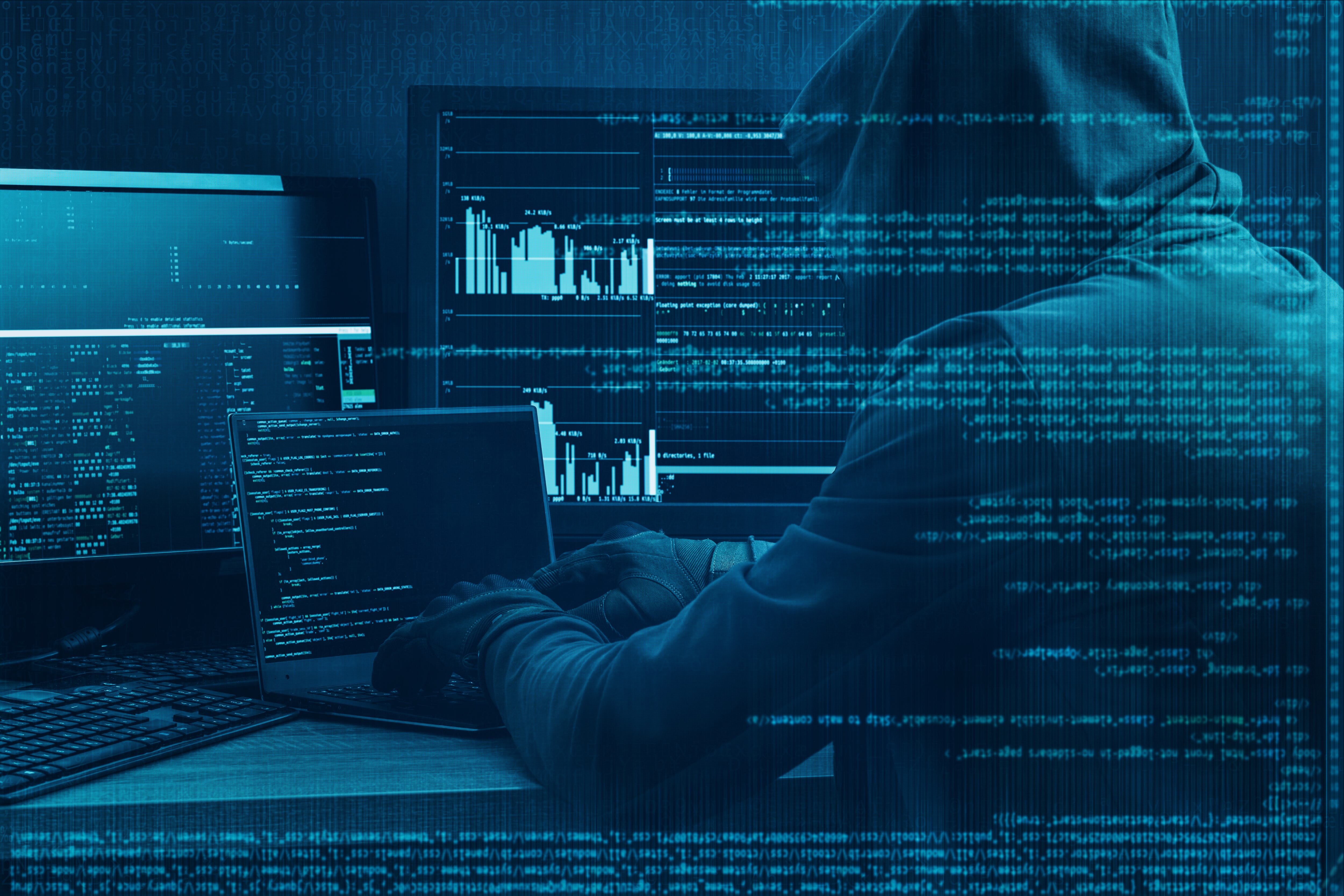
According to insurance carrier Hiscox, cyberattacks are costing small businesses $200,000 on average and putting 60% out of business within six months of being victimized.
Today's Myth: Online business privacy is dead. Brian Fanzo, founder of iSocialFanz, joins Cheddar to break down this myth and share how you can keep your business safe.
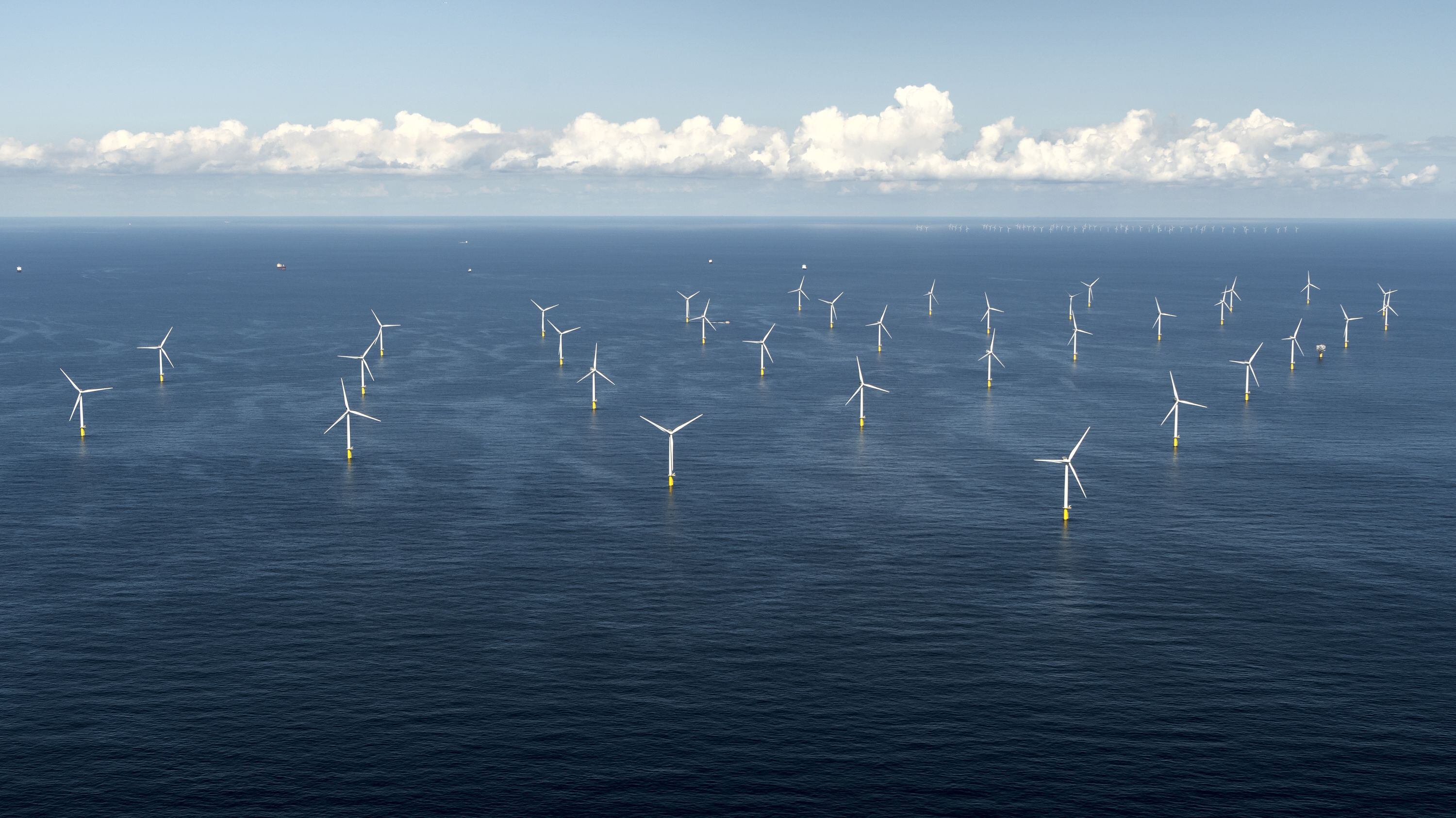
Offshore wind remains a virtually untapped market – one estimated to be worth close to $70 billion, with the promise of supplying such lucrative East Coast markets as New York City, Boston, Baltimore, and Philadelphia.
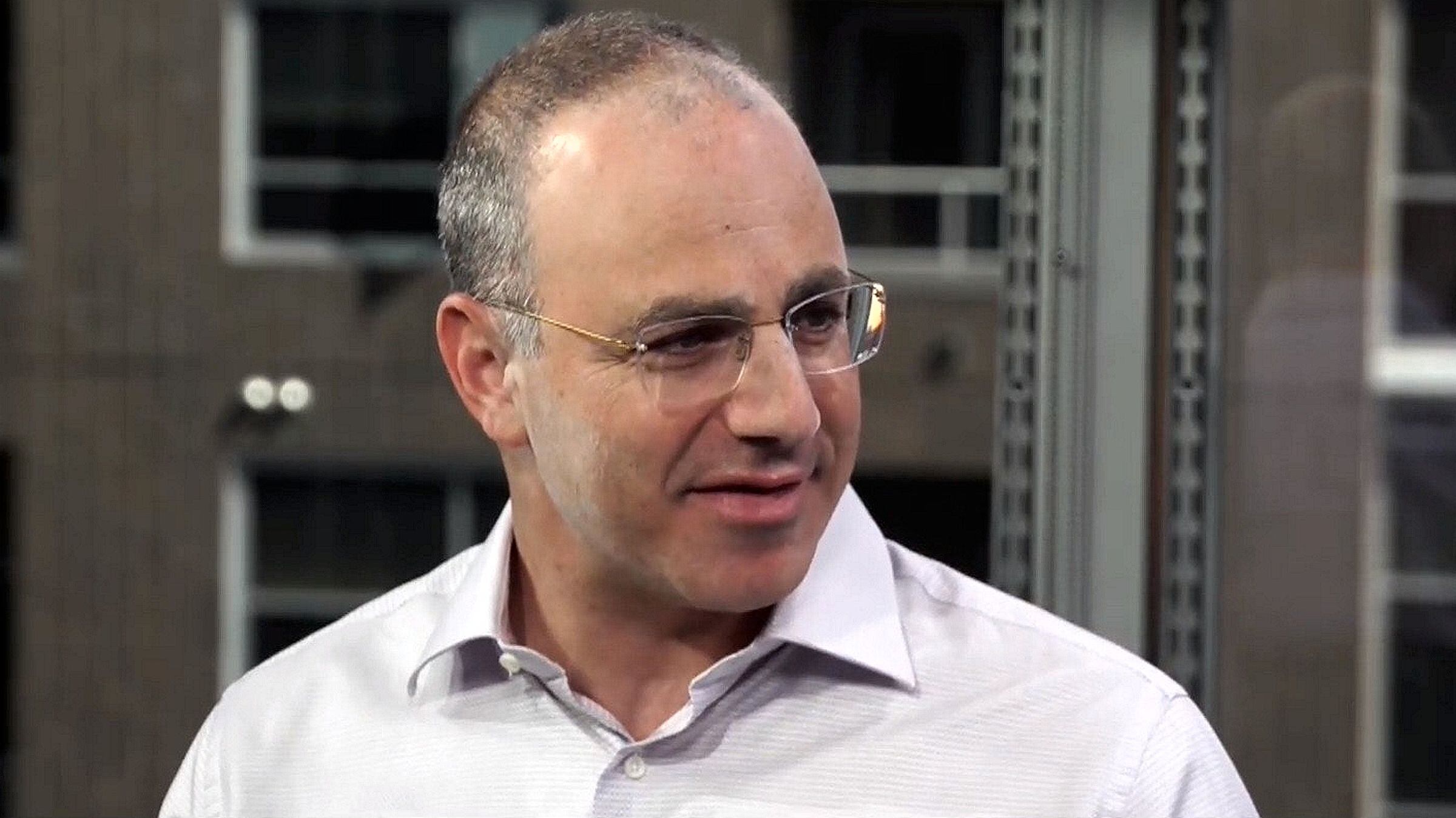
Elie Seidman, CEO of Tinder, discusses the apocalyptic-themed adventure game, called Swipe Night, which allows users to dictate what happens next in the story. The user's decisions will then match them with other like-minded players.
From Wall Street to Silicon Valley, these are the top stories that moved markets and had investors, business leaders, and entrepreneurs talking this week on Cheddar.
In an effort to get "tax policy parity" with other renewable resources, the American Wind Energy Association says it will seek the same tax credit pursued by the solar energy sector.
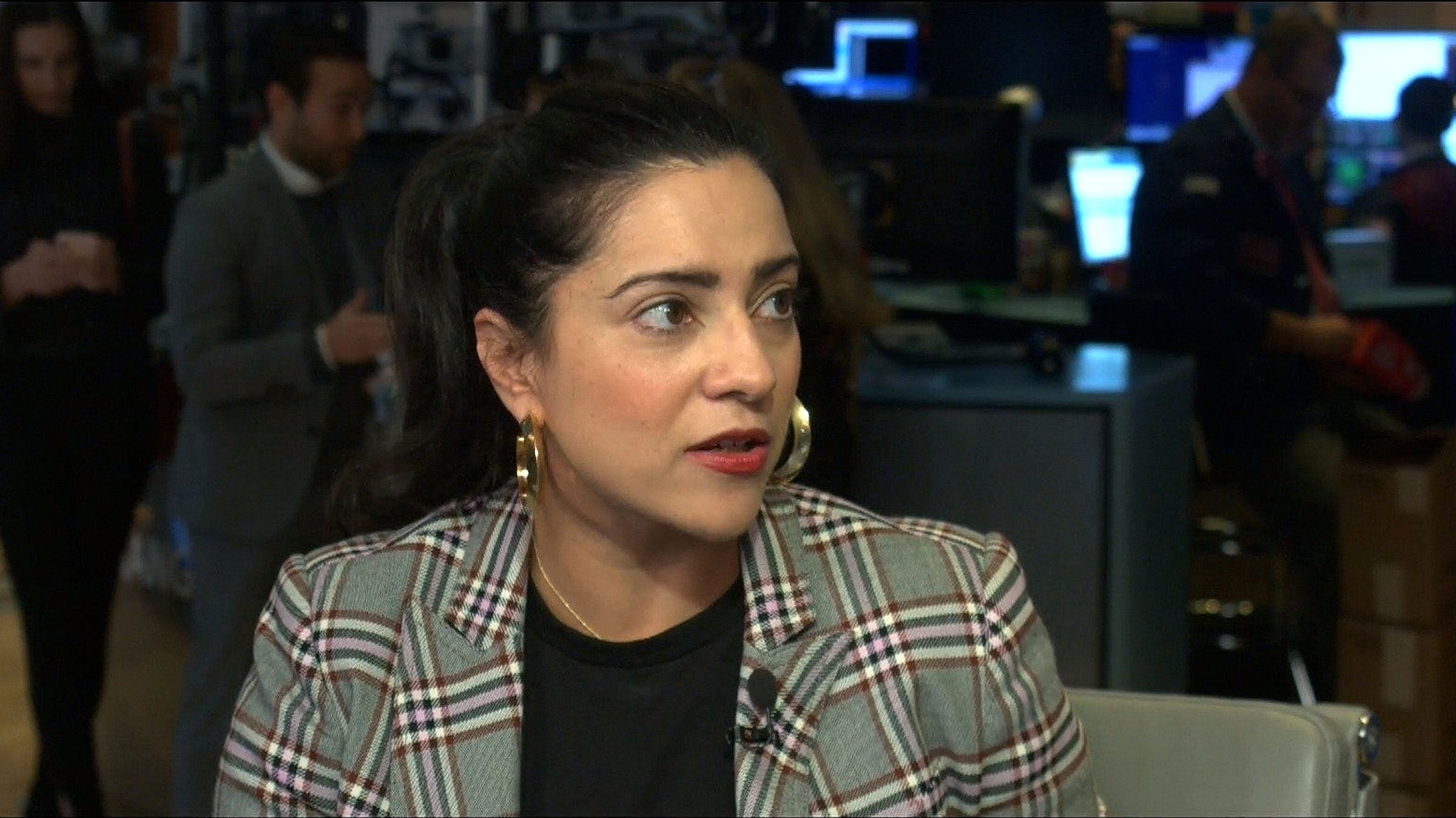
Girls Who Code founder and CEO Reshma Saujani discussed the first all-digital "march" to spread awareness of gender inequality in the tech space.
Wisecrack has over 2.7 million subscribers on YouTube and seven podcasts. Jacob Salamon, co-founder and CEO of Wisecrack, breaks down the importance of community and shares tips to help creators improve their craft.
Apple this week removed a smartphone app called HKmap.live that was used by pro-democracy demonstrators in Hong Kong to track police movements, and Google dropped a smartphone game that lets users role-play as protesters in the city.
These are the headlines you Need 2 Know for October 10, 2019.
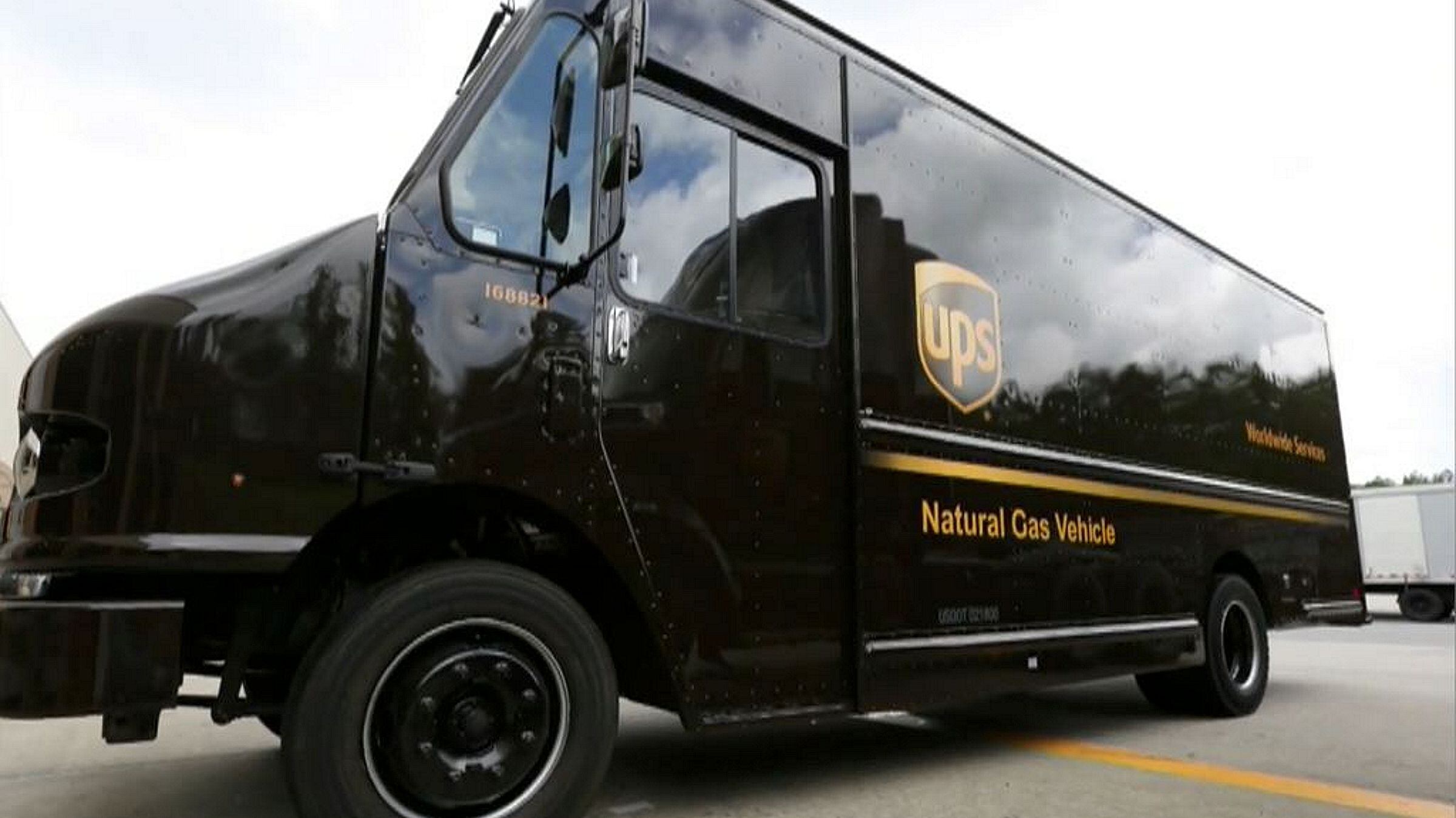
Mike Whitlatch, vice president of global energy and procurement at UPS, discusses the parcel service's investment in the new trucks burning cleaner fuel.