*By Britt Terrell*
The rise of artificial intelligence and new automation will inevitably lead to the loss of some jobs across different industries, but it may also create entirely new careers for American workers.
What jobs disappear, and how fast they'll be replaced, may depend on how traditional industries and new technology companies cooperate, and how the government can help foster those partnerships, said Politico's technology reporter, Steven Overly.
“When the internet was created, I think a lot of folks also speculated it would replace a number of jobs and it has in some ways, but it has also created new jobs," Overly said Thursday in an interview with Cheddar. "It’s opened up new industries and so there are a lot of folks who are optimistic that with A.I., it will follow a similar path."
Many of the most optimistic folks from Google, Amazon, Facebook, and other tech firms discussed how A.I. technology may affect American workers at a White House summit Thursday.
Some blue-collar workers, such as truck drivers, are expected to be replaced by autonomous vehicles. The administration and representatives from the tech industry are considering new programs to train American workers on how to [use A.I. technology](https://www.washingtonpost.com/news/the-switch/wp/2018/05/08/white-house-will-host-amazon-facebook-ford-and-other-major-companies-for-summit-on-ai/) in new ways for new jobs.
"Certainly the administration has conveyed that they now view artificial intelligence as a national priority," said Overly. "And certainly there are many in the industry who say if the U.S. doesn’t take a stronger stance on this, we’re going to fall behind China, India and the E.U.”
For the full interview, [click here](https://cheddar.com/videos/white-house-hosts-a-i-summit).
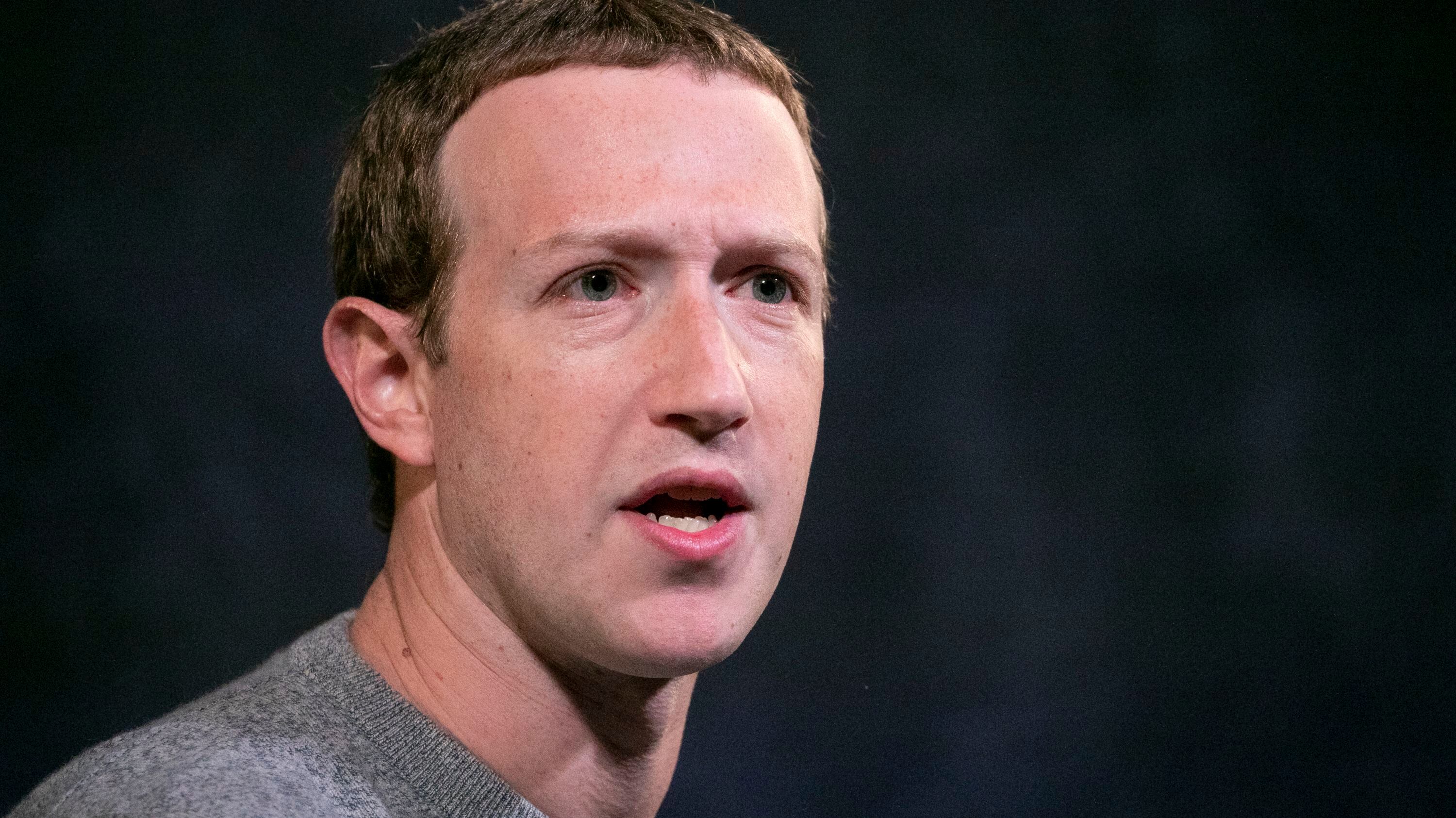
Facebook employees are using Twitter to register their frustration over CEO Mark Zuckerberg’s decision to leave up posts by President Donald Trump that suggested protesters in Minneapolis could be shot.
A growing number of writers, performers, musicians, and podcasters who have turned to fan-direct services such as Patreon, Substack, and OnlyFans to make a living. This trend has only been amplified under quarantine, as media consumption has increased dramatically worldwide.
From Wall Street to Silicon Valley, these are the top stories that moved markets and had investors, business leaders, and entrepreneurs talking this week on Cheddar.
Autotune was a staple in pop hits throughout the 2000s. T-Pain, Nelly, Daft Punk, and almost every major pop artist embraced the technology. But most of these famous tunes were actually using Autotune incorrectly. So who started this trend and how did something so despised become so popular?
WarnerMedia's streaming service, which launched on Wednesday with 10,000 hours of content for $15 a month, now exists in a world no analyst could have predicted.
Max Simkoff, CEO and founder of States Title talked to Cheddar about the acceleration of digital dealmaking in the mortgage industry, which had been slow to adopt measures before the pandemic.
Wall Street’s rally ran out of fuel in the last hour of trading on Thursday, and the market fell to its first loss in four days amid worries about rising U.S.-China tensions.
President Donald Trump is escalating his war on social media companies, preparing to sign an executive order Thursday challenging the liability protections that have served as a bedrock for unfettered speech on the internet.
Priority Bicycles Founder
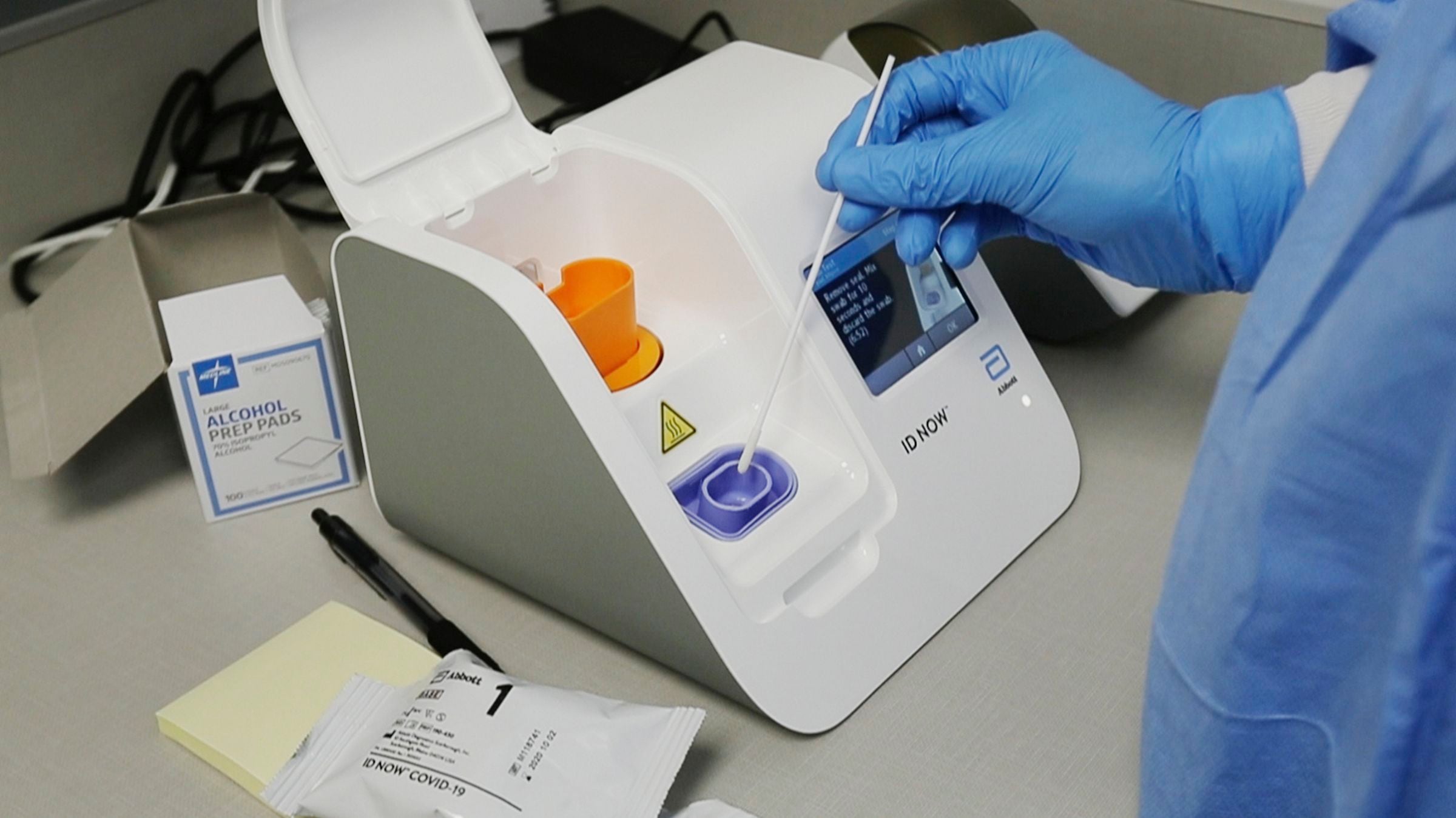
Phil Ginsburg, Abbott's Head of Infectious Disease, told Cheddar that new data shows the ID Now quick-results test for coronavirus is accurate if used as intended.