*By Britt Terrell*
The rise of artificial intelligence and new automation will inevitably lead to the loss of some jobs across different industries, but it may also create entirely new careers for American workers.
What jobs disappear, and how fast they'll be replaced, may depend on how traditional industries and new technology companies cooperate, and how the government can help foster those partnerships, said Politico's technology reporter, Steven Overly.
“When the internet was created, I think a lot of folks also speculated it would replace a number of jobs and it has in some ways, but it has also created new jobs," Overly said Thursday in an interview with Cheddar. "It’s opened up new industries and so there are a lot of folks who are optimistic that with A.I., it will follow a similar path."
Many of the most optimistic folks from Google, Amazon, Facebook, and other tech firms discussed how A.I. technology may affect American workers at a White House summit Thursday.
Some blue-collar workers, such as truck drivers, are expected to be replaced by autonomous vehicles. The administration and representatives from the tech industry are considering new programs to train American workers on how to [use A.I. technology](https://www.washingtonpost.com/news/the-switch/wp/2018/05/08/white-house-will-host-amazon-facebook-ford-and-other-major-companies-for-summit-on-ai/) in new ways for new jobs.
"Certainly the administration has conveyed that they now view artificial intelligence as a national priority," said Overly. "And certainly there are many in the industry who say if the U.S. doesn’t take a stronger stance on this, we’re going to fall behind China, India and the E.U.”
For the full interview, [click here](https://cheddar.com/videos/white-house-hosts-a-i-summit).
Tesla Inc. has posted record fourth-quarter and full-year earnings as deliveries of its electric vehicles soared despite a global shortage of computer chips.
Heirs of Pablo Picasso, the famed 20th-century Spanish artist, are vaulting into 21st-century commerce by selling 1,010 digital art pieces of one of his ceramic works that has never before been seen publicly.
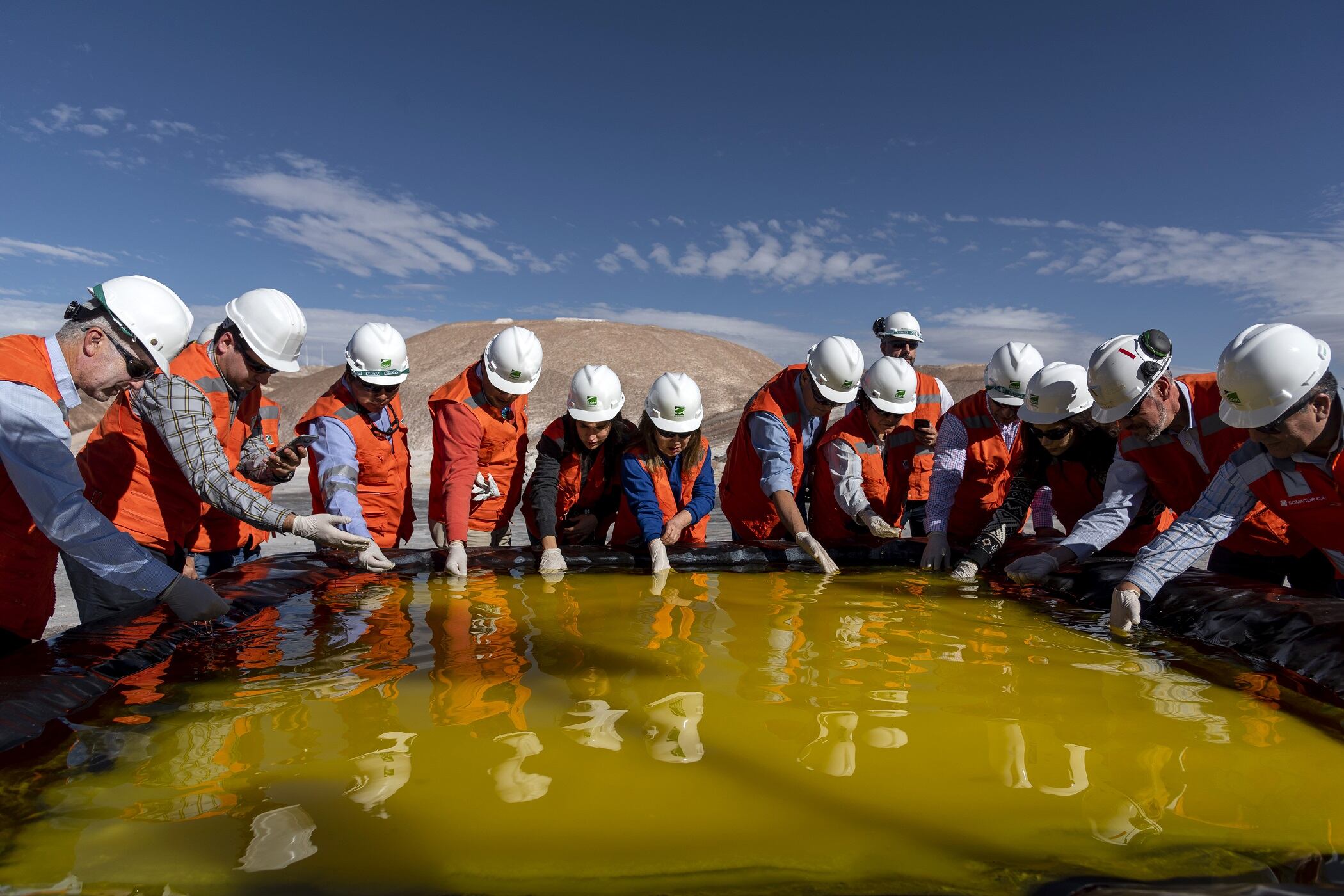
Arguably the biggest challenge to the rise of electric vehicles is their outsized demand for rare earth minerals. Cheddar's Alex Vuocolo does a deep dive into the struggle over securing supply chains for a green tech future.
Facebook's parent company Meta says it has created what it believes is among the fastest artificial intelligence supercomputers running today.
The administrators of the SAT say the exam will move from paper and pencil to a digital format.
They say life is about the journey, not the destination — and how you get there makes all the difference. Americans shunned train stations, roadways, and airports amid the coronavirus pandemic, never realizing things could be fundamentally different when they return. In this episode, we're exploring the evolving world of transportation, from how we get around to how goods get to us.
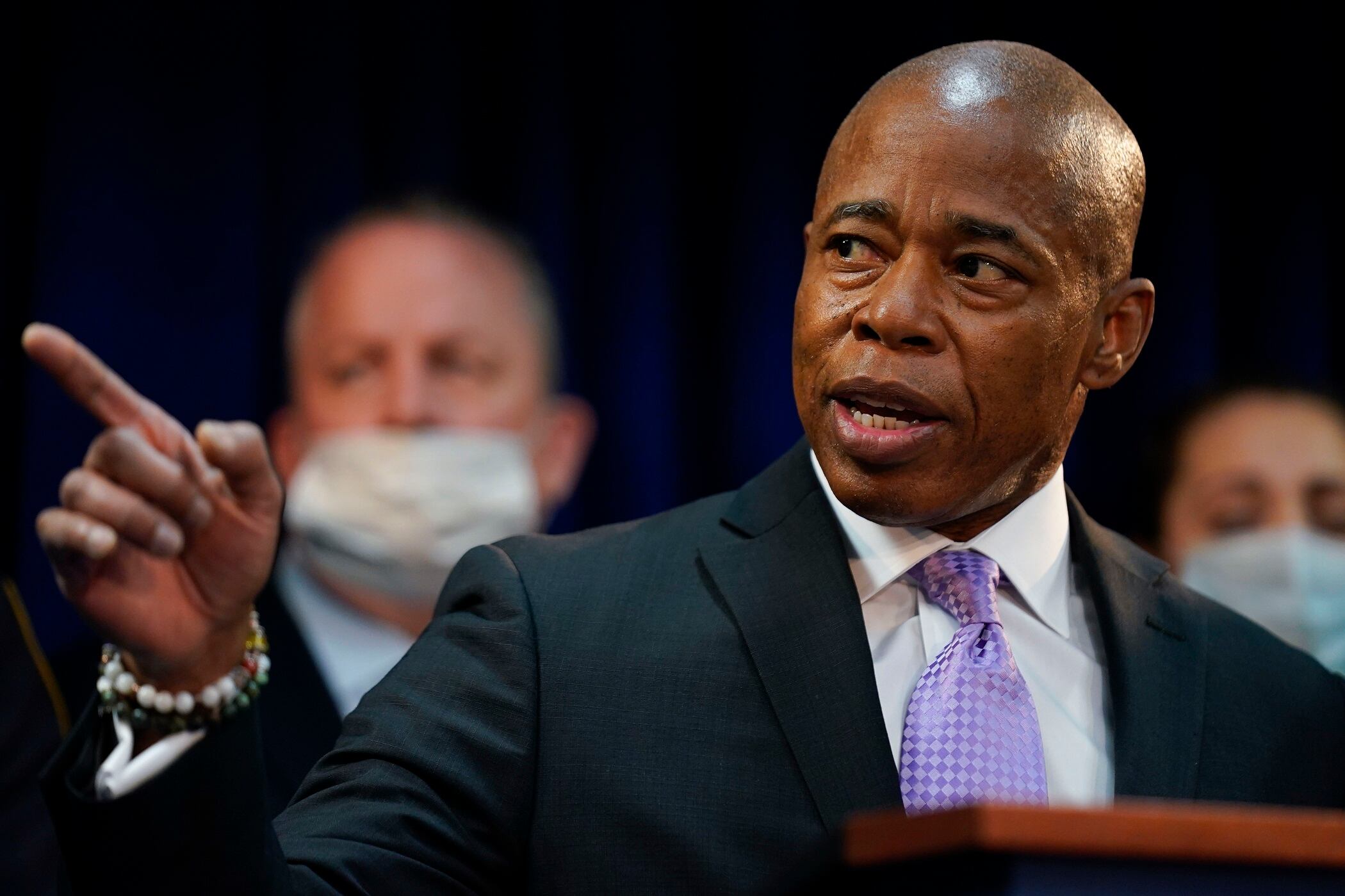
New York City Mayor Eric Adams plans to convert his first paycheck this week into two cryptocurrencies.
Intel will invest $20 billion in a new computer chip facility in Ohio amid a global shortage of microprocessors used in everything from phones and cars to video games.
The 40-page paper was widely seen as the first step in doing just that, but the document provides only partial hints as to if the Fed is supportive of a central bank digital currency.
The People's Bank of China (PBOC) announced on Tuesday that 261 million individuals, or about a fifth of the country's population, have now set up digital yuan wallets.