A.I. Doesn't Have to Be the Death Knell for U.S. Jobs
*By Britt Terrell*
The rise of artificial intelligence and new automation will inevitably lead to the loss of some jobs across different industries, but it may also create entirely new careers for American workers.
What jobs disappear, and how fast they'll be replaced, may depend on how traditional industries and new technology companies cooperate, and how the government can help foster those partnerships, said Politico's technology reporter, Steven Overly.
“When the internet was created, I think a lot of folks also speculated it would replace a number of jobs and it has in some ways, but it has also created new jobs," Overly said Thursday in an interview with Cheddar. "It’s opened up new industries and so there are a lot of folks who are optimistic that with A.I., it will follow a similar path."
Many of the most optimistic folks from Google, Amazon, Facebook, and other tech firms discussed how A.I. technology may affect American workers at a White House summit Thursday.
Some blue-collar workers, such as truck drivers, are expected to be replaced by autonomous vehicles. The administration and representatives from the tech industry are considering new programs to train American workers on how to [use A.I. technology](https://www.washingtonpost.com/news/the-switch/wp/2018/05/08/white-house-will-host-amazon-facebook-ford-and-other-major-companies-for-summit-on-ai/) in new ways for new jobs.
"Certainly the administration has conveyed that they now view artificial intelligence as a national priority," said Overly. "And certainly there are many in the industry who say if the U.S. doesn’t take a stronger stance on this, we’re going to fall behind China, India and the E.U.”
For the full interview, [click here](https://cheddar.com/videos/white-house-hosts-a-i-summit).
HSBC announced that it is buying a plot of virtual land in decentralized gaming virtual world The Sandbox. Mathieu Nouzareth, U.S CEO of The Sandbox, joins Cheddar News' Closing Bell, where he elaborates on what his platform is providing to HSBC and how his company is helping companies across different sectors embrace Web3.
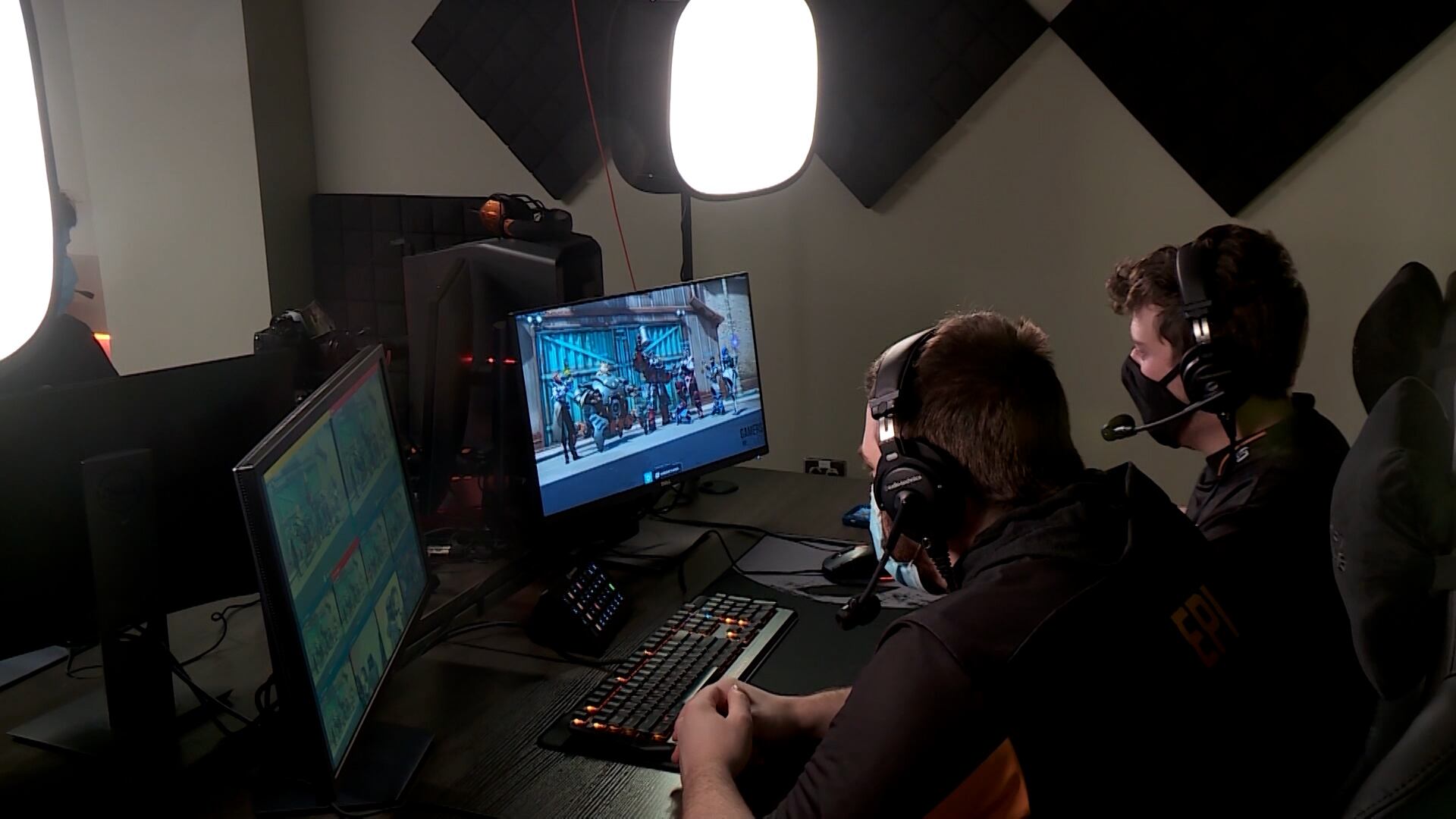
Deepwell Digital Therapeutics is a game development company looking to transform the way we look at video games — this time to improve health outcomes. Its goal is to create software to aid those who deal with conditions such as depression and ADHD. Company co-founder and co-CEO Ryan Douglas and co-founder Kate Edwards joined Cheddar News to talk about the technology is being used to help patients. "From a research perspective, the game industry itself has been well aware for many, many years of the kind of inherent, kind of anecdotal therapeutic value of playing games," said Edwards.
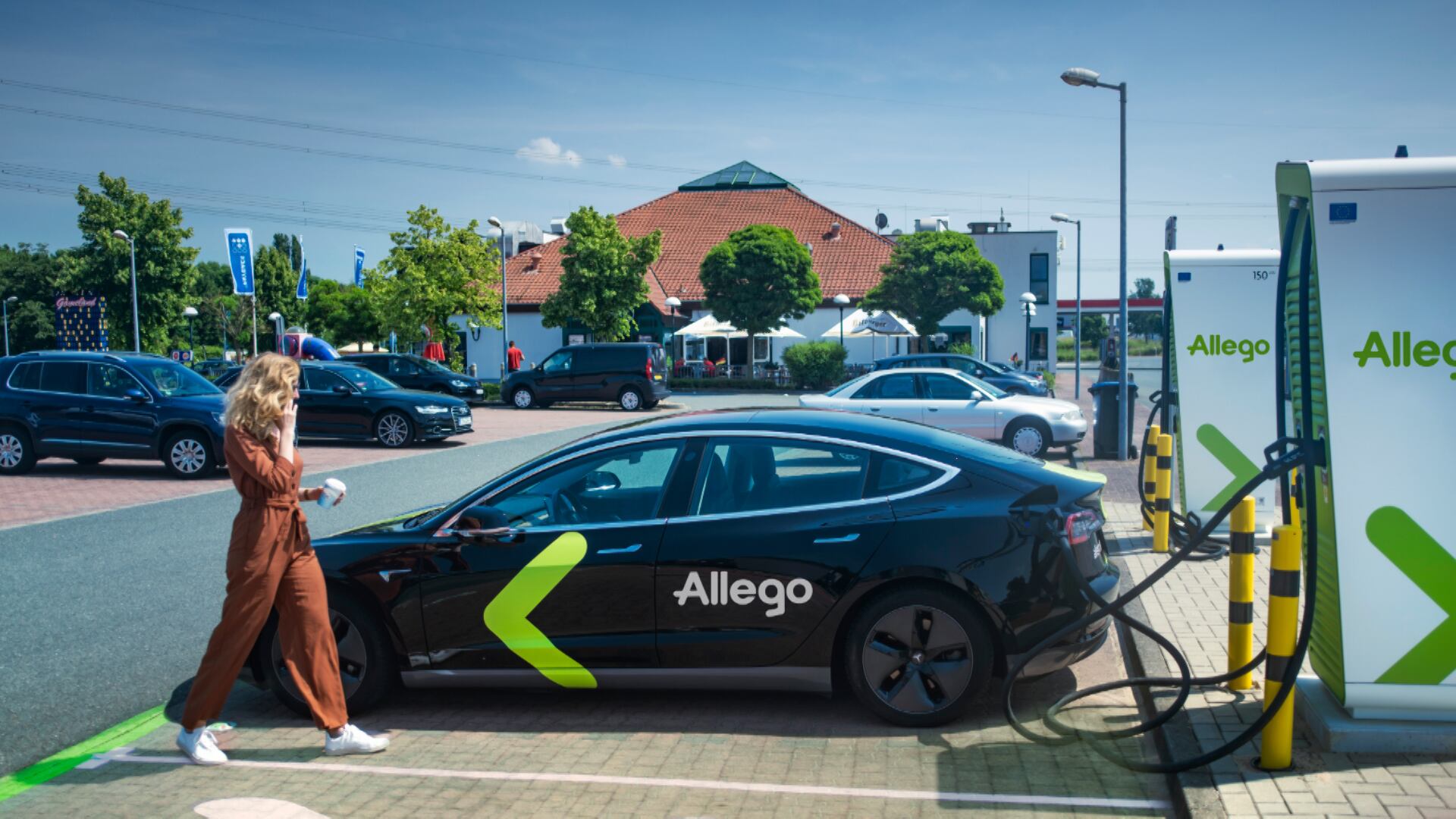
Allego, a European electric vehicle charging company, is officially public. With charging stations in 16 European countries and counting, Allego will play a strong supporting role in Europe's transition to clean energy, as its stations pull exclusively from renewable sources. Mathieu Bonnet, CEO of Allego, spoke with Cheddar's Opening Bell about its recent listing, the future of the EV industry, and what the Russia-Ukraine war means for the adoption of electric vehicles.
Neonvest is a platform connecting startups and entrepreneurs with experts in the VC space. The startup says it's in the process of raising a seed round of approximately $2.5 million from a mix of angel and institutional investors. Aakash Shah, co-founder of NeonVest, joins Cheddar News' Closing Bell to discuss.
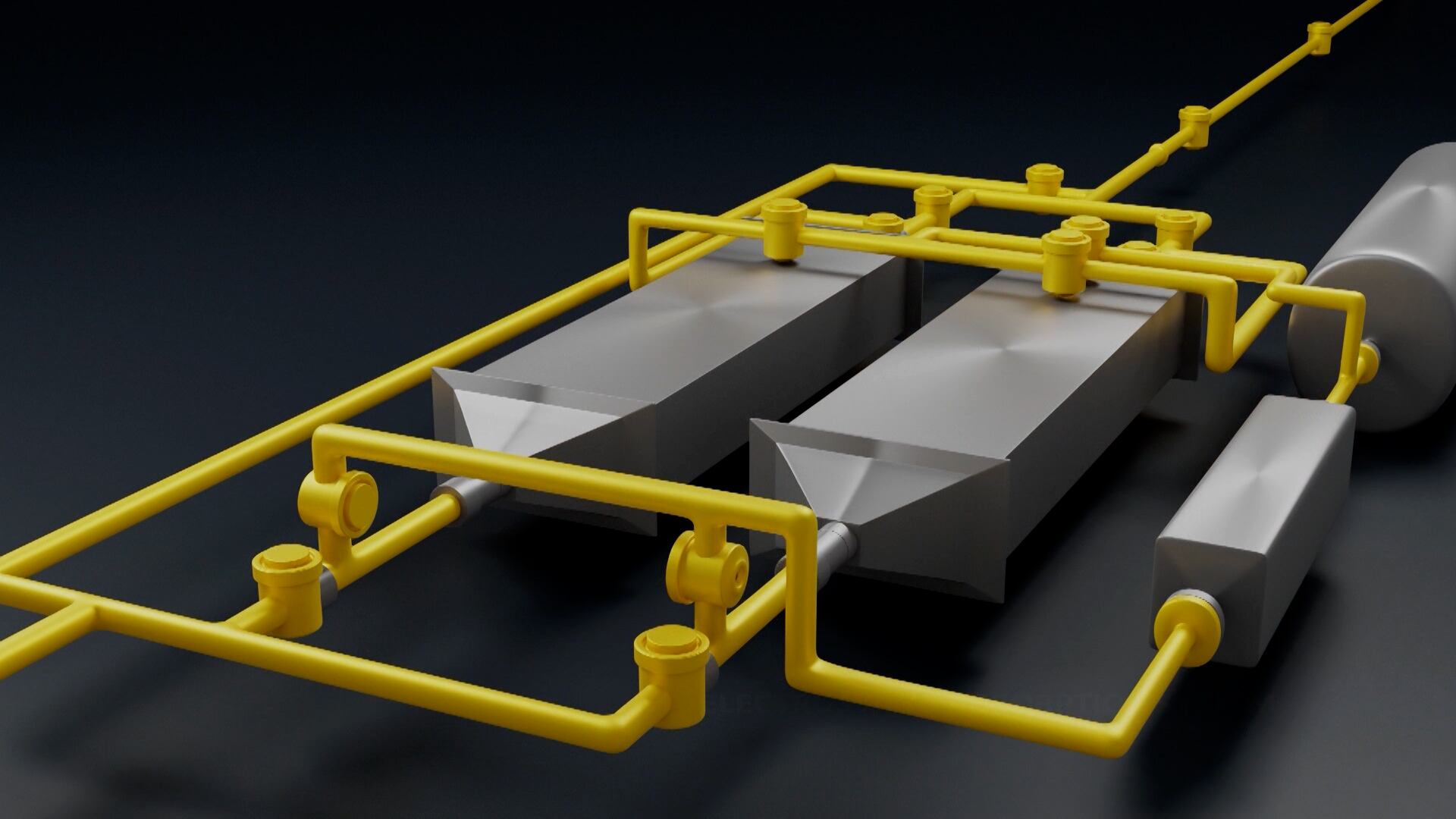
The Bill Gates-founded Breakthrough Energy company invested $80 million in Verdox Inc. to facilitate efficient, lower-cost technolog to remove carbon from the air and emission sources. CEO of Verdox, Brian Baynes, joined Cheddar News to discuss the investment, how the company's tech works, and where he sees it going. "We anticipate that with technologies like ours, we potentially can get to the scale of about a million tons per year within 5-10 years," he said. "And then ultimately we need to be doing this at the scales of billions of tons per year and ultimately about 10 billion tons per year in the year 2050."