A.I. Doesn't Have to Be the Death Knell for U.S. Jobs
*By Britt Terrell*
The rise of artificial intelligence and new automation will inevitably lead to the loss of some jobs across different industries, but it may also create entirely new careers for American workers.
What jobs disappear, and how fast they'll be replaced, may depend on how traditional industries and new technology companies cooperate, and how the government can help foster those partnerships, said Politico's technology reporter, Steven Overly.
“When the internet was created, I think a lot of folks also speculated it would replace a number of jobs and it has in some ways, but it has also created new jobs," Overly said Thursday in an interview with Cheddar. "It’s opened up new industries and so there are a lot of folks who are optimistic that with A.I., it will follow a similar path."
Many of the most optimistic folks from Google, Amazon, Facebook, and other tech firms discussed how A.I. technology may affect American workers at a White House summit Thursday.
Some blue-collar workers, such as truck drivers, are expected to be replaced by autonomous vehicles. The administration and representatives from the tech industry are considering new programs to train American workers on how to [use A.I. technology](https://www.washingtonpost.com/news/the-switch/wp/2018/05/08/white-house-will-host-amazon-facebook-ford-and-other-major-companies-for-summit-on-ai/) in new ways for new jobs.
"Certainly the administration has conveyed that they now view artificial intelligence as a national priority," said Overly. "And certainly there are many in the industry who say if the U.S. doesn’t take a stronger stance on this, we’re going to fall behind China, India and the E.U.”
For the full interview, [click here](https://cheddar.com/videos/white-house-hosts-a-i-summit).
On this episode of Cheddar Innovates: Yat Labs Co-Founder breaks down how a 'Yat' is changing the way people think about their online identities; Scythe Robotics CEO explains how it's bringing innovation to the landscaping industry with its autonomous, all-electric mowers; Founder of California Cowboy discusses how its creating clothing designed for creating in-person connections with others with features like a beverage pocket, bottle opener, and conversation cards; Cheddar gets a look at Curiosity Stream's 'Beyond the Spotlight' biography series.
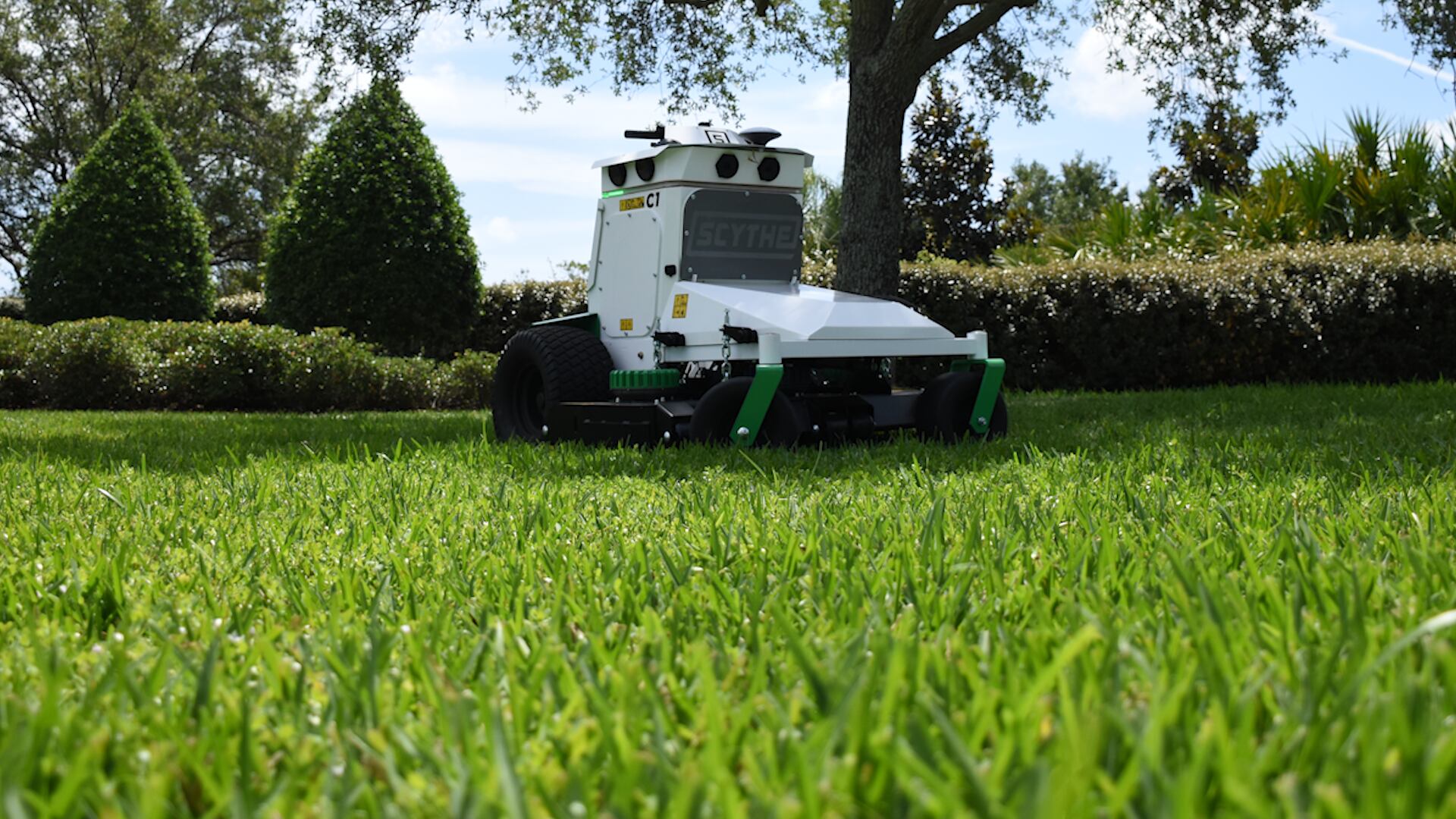
Jack Morrison, CEO and co-founder Scythe Robotics, joins 'Cheddar Innovates' to discuss how it's bringing innovation to the landscaping industry with its autonomous, all-electric lawn mowers, and how this is addressing the labor crisis in the landscaping industry.
Naveen Jain, Co-Founder of Yat Labs, joins 'Cheddar Innovates' to discuss how a 'Yat' is changing the way people think about their online identities, and why artists like Questlove and G-Eazy are backing this idea.
Mike Proulx, VP and research director at Forrester, joined Cheddar to talk all about Disney's lackluster Q3 earnings after the company reported a slowdown in Disney+ subscriber growth. Proulx discussed a Forrester study that found 45 percent of U.S. adults subscribed to streaming services because of the pandemic but 26 percent had plans to cancel a service over the next two years. "We're always going to look at growth, and we also have to look at engagement," he said. "But both of those metrics come down to having either original or exclusive content that will offer value to the subscriber base."
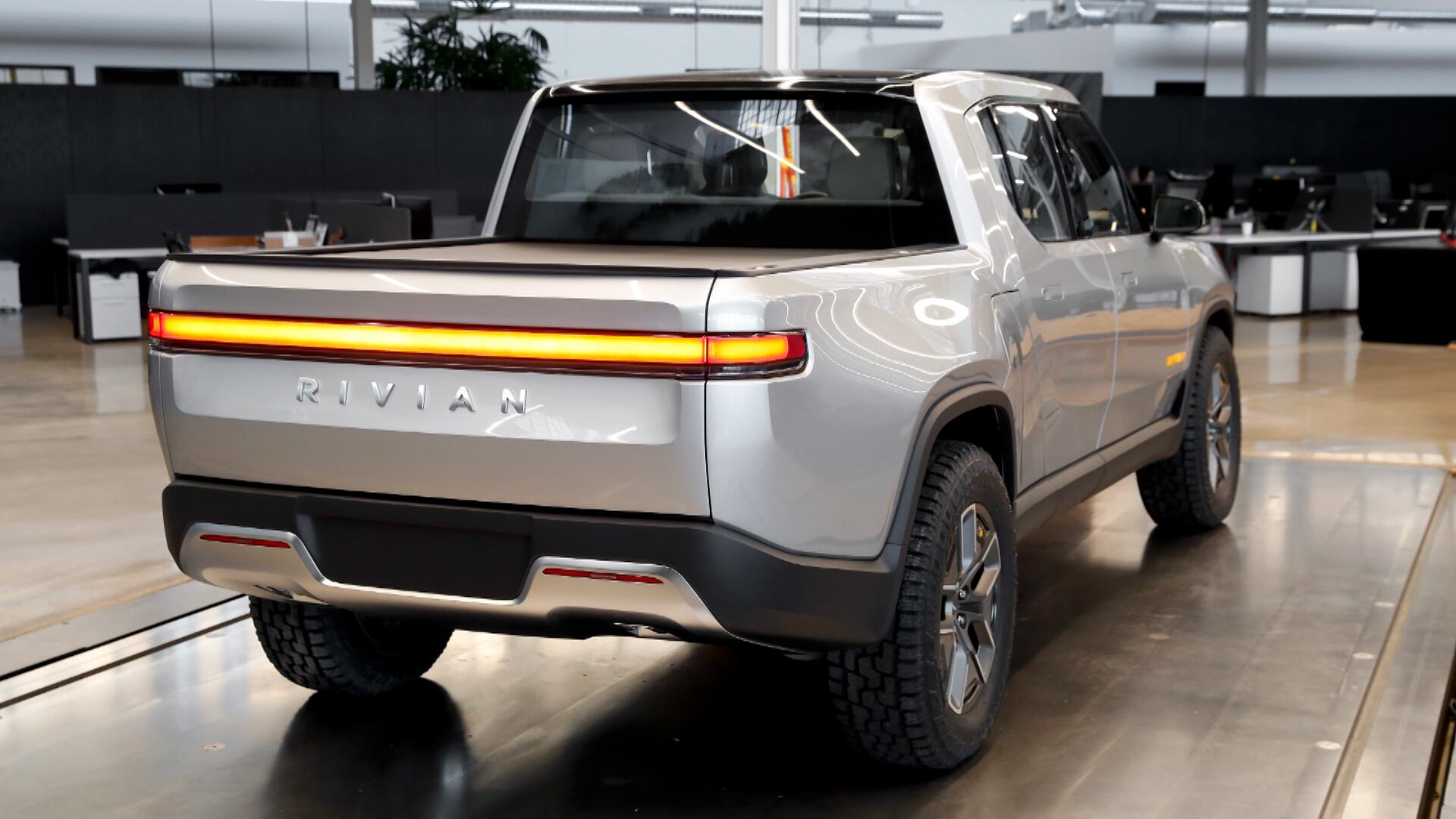
Anthony Sassine, a senior investment strategist at KraneShares, joined Cheddar to discuss Rivian's historic public debut after the company achieved an $86 billion valuation — more than either Ford or GM. He said the big IPO was a great opportunity for the U.S. to position itself as a leader in the EV space after lagging behind Europe and China. "When you have certainty for growth for the next 10 to 15 years, investors are willing to pay more," he said. "So, this is a massive opportunity for the whole space."
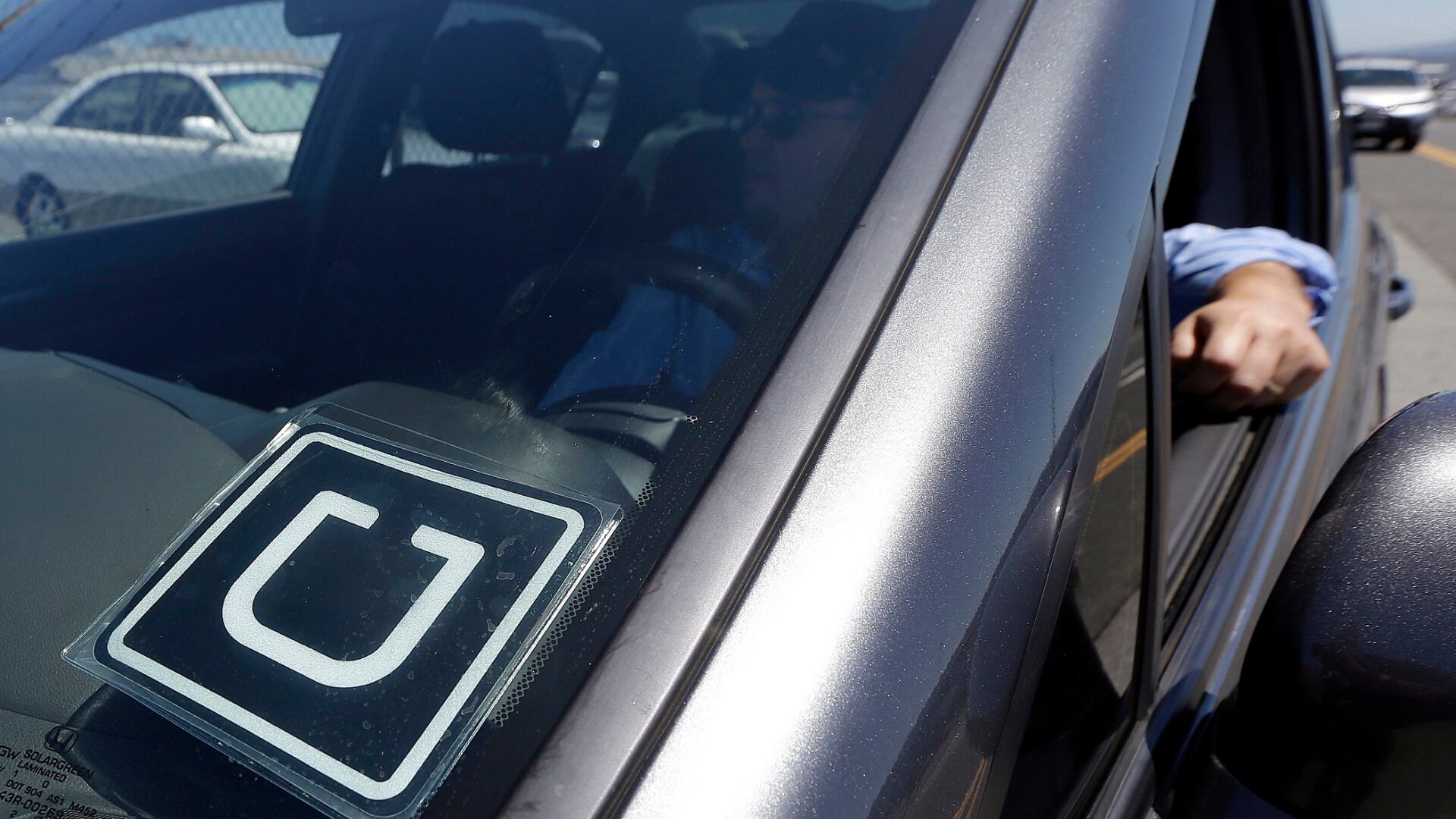
The Department of Justice has filed a lawsuit against Uber, alleging the ride-hailing company discriminates against customers with disabilities. The DOJ is arguing that its two-minute wait period before a cancellation fee is applied violates the Americans With Disabilities Act.