A.I. Doesn't Have to Be the Death Knell for U.S. Jobs
*By Britt Terrell*
The rise of artificial intelligence and new automation will inevitably lead to the loss of some jobs across different industries, but it may also create entirely new careers for American workers.
What jobs disappear, and how fast they'll be replaced, may depend on how traditional industries and new technology companies cooperate, and how the government can help foster those partnerships, said Politico's technology reporter, Steven Overly.
“When the internet was created, I think a lot of folks also speculated it would replace a number of jobs and it has in some ways, but it has also created new jobs," Overly said Thursday in an interview with Cheddar. "It’s opened up new industries and so there are a lot of folks who are optimistic that with A.I., it will follow a similar path."
Many of the most optimistic folks from Google, Amazon, Facebook, and other tech firms discussed how A.I. technology may affect American workers at a White House summit Thursday.
Some blue-collar workers, such as truck drivers, are expected to be replaced by autonomous vehicles. The administration and representatives from the tech industry are considering new programs to train American workers on how to [use A.I. technology](https://www.washingtonpost.com/news/the-switch/wp/2018/05/08/white-house-will-host-amazon-facebook-ford-and-other-major-companies-for-summit-on-ai/) in new ways for new jobs.
"Certainly the administration has conveyed that they now view artificial intelligence as a national priority," said Overly. "And certainly there are many in the industry who say if the U.S. doesn’t take a stronger stance on this, we’re going to fall behind China, India and the E.U.”
For the full interview, [click here](https://cheddar.com/videos/white-house-hosts-a-i-summit).
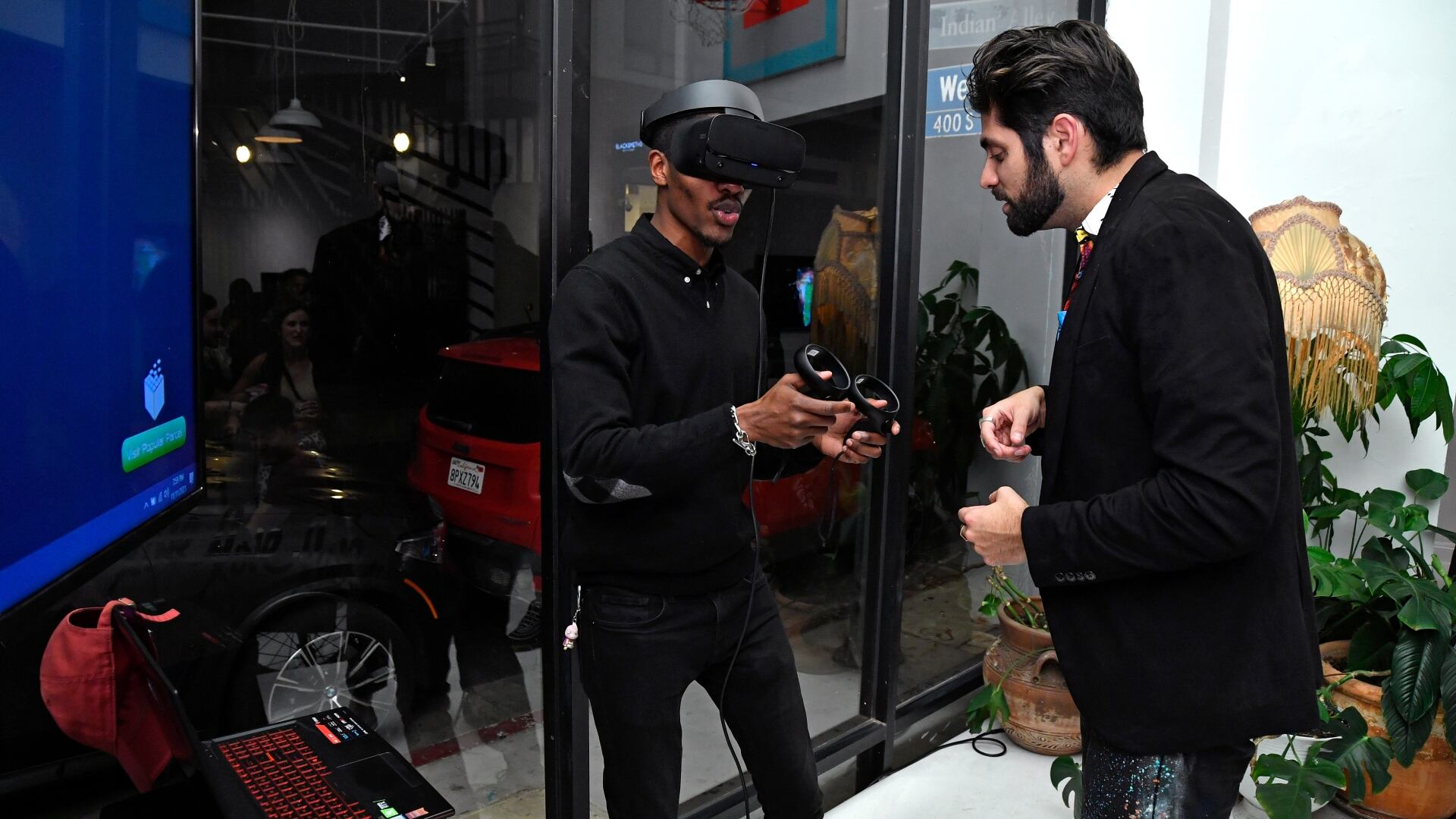
Roundhill Investments is investing in the metaverse, and it wants consumers to as well. The firm launched a metaverse exchange-trade fund called Meta back in June - the first ETF in the U.S. targeting investments in the next era of the internet. The fund's launch came months before the company formerly known as Facebook changed its name to Meta Platforms. Since the launch of Roundhill Investments' Meta ETF, it has grown significantly, reaching $500 million in assets. Roundhill Investments Vice President Mario Stefanidis joined Cheddar News to discuss.
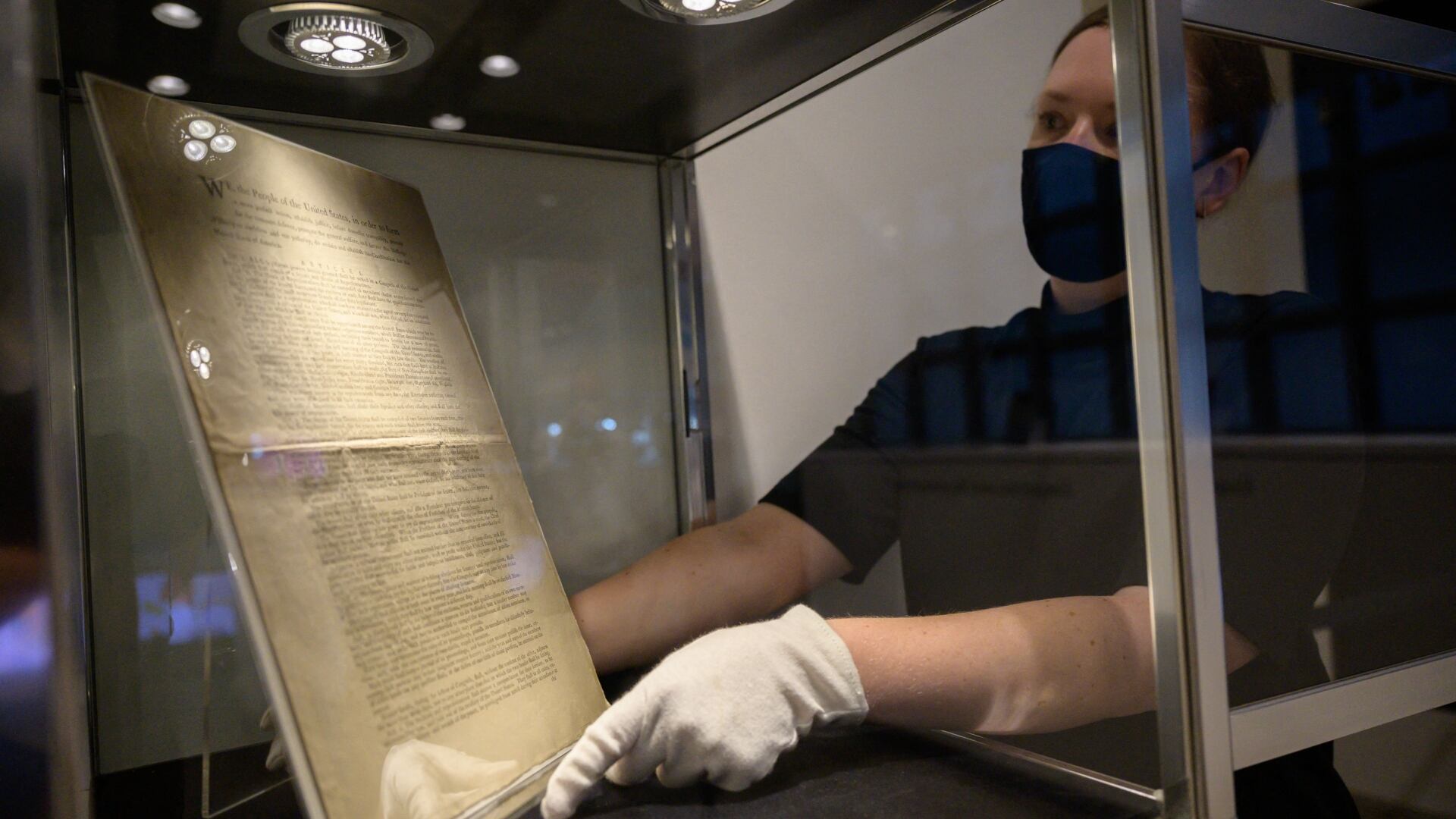
A group of crypto investors has come together to raise millions of dollars in the hopes of owning a rare piece of the U.S. Constitution. According to the crypto group, "Constitution DAO" It is time to put the constitution in the hands of the people. CEO and Founder of Metaversal Yossi Hasson, joined Cheddar to discuss more.
Over the weekend, Russia fired a missile at one of its own satellites, triggering an explosion that launched thousands of pieces of shrapnel through space and forced the astronauts aboard the International Space Station to shelter in place. Senior Writer from Space.com Chelsea 'Foxanne' Gohd, joined Cheddar to discuss more.
Twitter announced a partnership with S&P Dow Jones Indices on Thursday to build the S&P 500 Sentiment Index for monitoring the performance of 200 S&P members based on tweets with company $cashtags. Jared Podnos, strategic market development lead at Twitter, and Peter Roffman, global head of innovation and strategy at S&P Dow Jones Indices, joined Cheddar to provide some background on the partnership and to explain exactly how monitoring companies through public opinion will work. "[The S&P] taps into this conversation. They understand the real-time conversation as well as the historical trends, and then we can analyze that and understand the consumer sentiment and really build these innovative products around that conversation," Podnos added.
Cognitive healthcare platform BrainCheck recently raised $10 million in a Series B round. The platform offers neurologists a new way to detect and care for brain disorders like Alzeheimer's, and brain injuries like concussions. BrainCheck CEO Yael Katz joined Cheddar News' Closing Bell to discuss.
Jean-Denis Mariani, the chief digital officer at COTY, the parent company for major brands like Bottega Veneta, Burberry, and Kylie Skin, joined Cheddar to talk about the impact of the pandemic on the beauty industry and the rapid shift to e-commerce sales. "There is no digital strategy anymore, only strategy in a digital world," he said. Mariani also talked about personalized makeup selection for consumers as the beauty sector begins to incorporate technology like artificial intelligence.
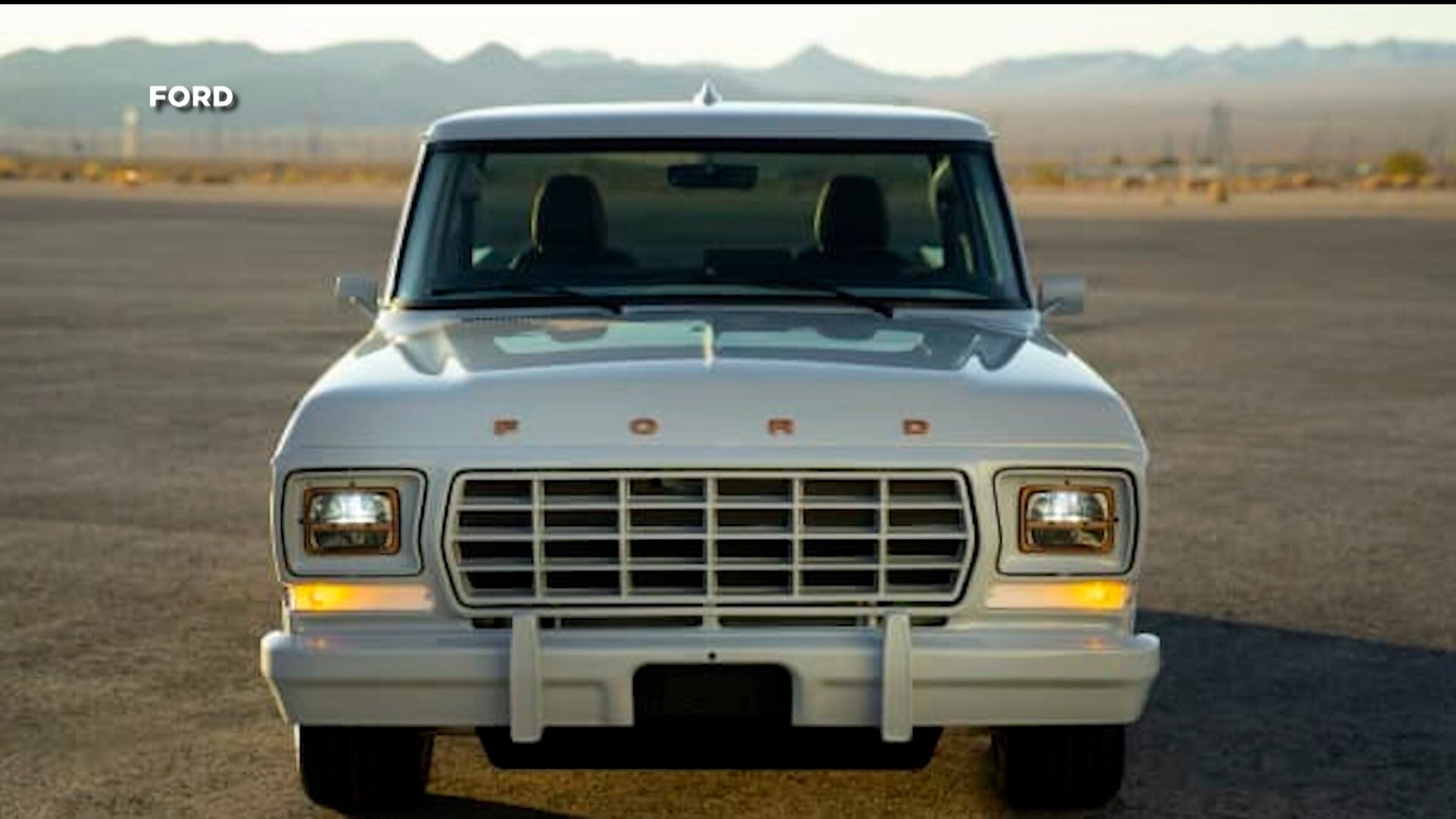
Amid an ongoing global semiconductor chip shortage, American automaker Ford has decided to open up supply chains of its own. Karl Brauer, an executive analyst at iSeeCars.com, joined Cheddar to discuss Ford's new partnership with multinational semiconductor maker GlobalFoundries to build those chips domestically. Brauer praised Ford for the move both for ongoing supply woes and the future of automobile manufacturing. "It's not just the supply chain," he said. "It's not just about getting chips, but maybe getting chips that are more customized and specific to your needs."
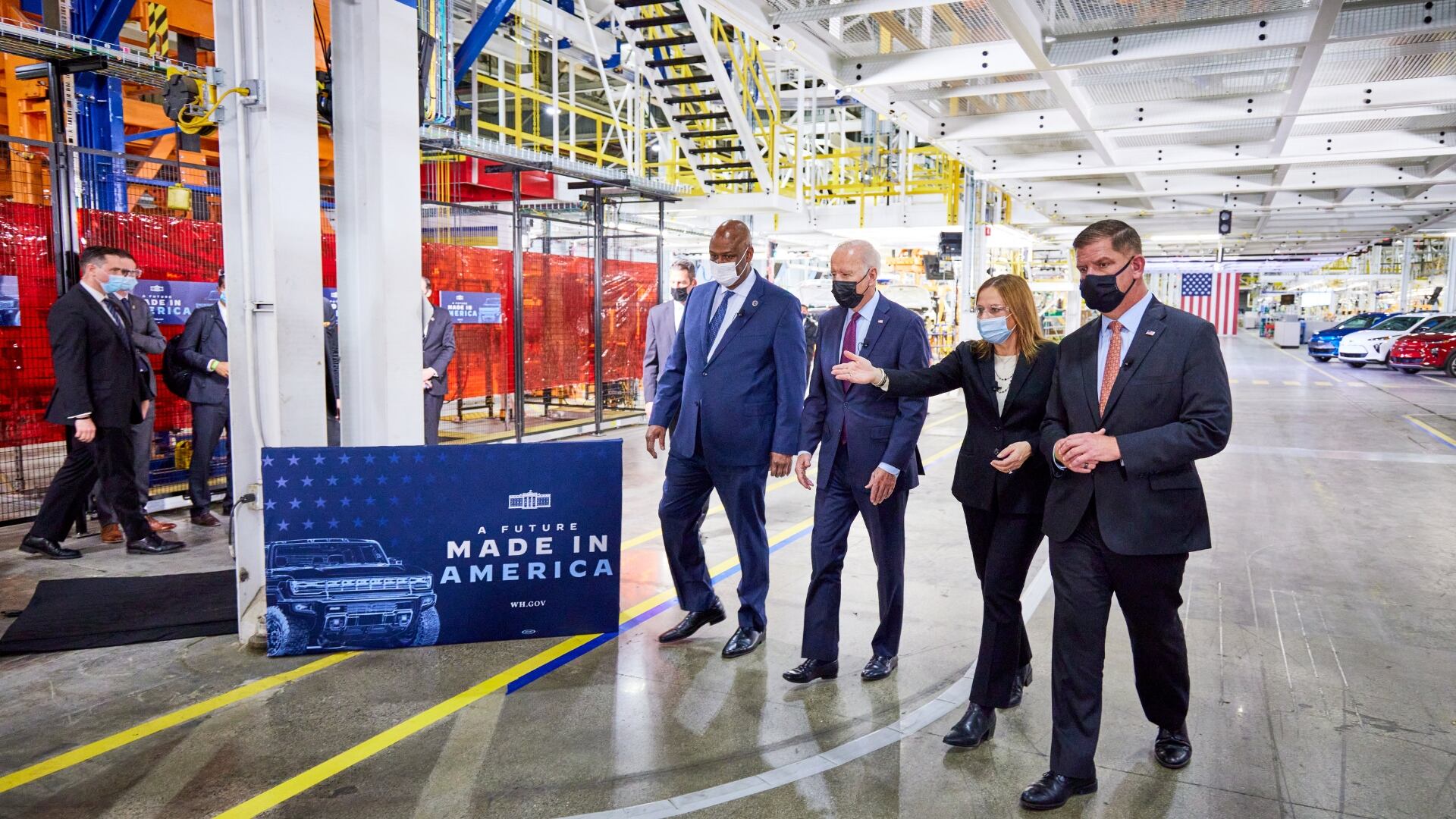
Gerald Johnson, Executive VP, Global Manufacturing and Sustainability at General Motors, joins Cheddar News to break down what Factory ZERO signifies for GM's all-electric future and why the auto manufacturer will be a leader in the growing EV industry.