A.I. Caucus Co-Creator on Balancing Innovation & Job Creation
The Artificial Intelligence Caucus is a group of bipartisan lawmakers working together to ensure technology has a positive impact on America's future. Congressman John Delaney (D-MD) believes A.I. will be a "paradigm-shifting development," and he thinks the government needs to encourage its growth.
Congressman Delaney says Washington and the Trump administration is too caught up in the moment to think about the future. Meanwhile, Americans are worried technological innovation will leave them jobless. Delaney believes the positives of A.I. far outweigh the negatives, but Congress needs to ensure innovation spreads across the country, not just to major tech hubs.
A former entrepreneur, Congressman Delaney built two companies that traded on the New York Stock Exchange. He says his business experience reminds him to look towards where the world is going, not where it has been. He believes if the government works together with the private economy, Americans will benefit immensely.
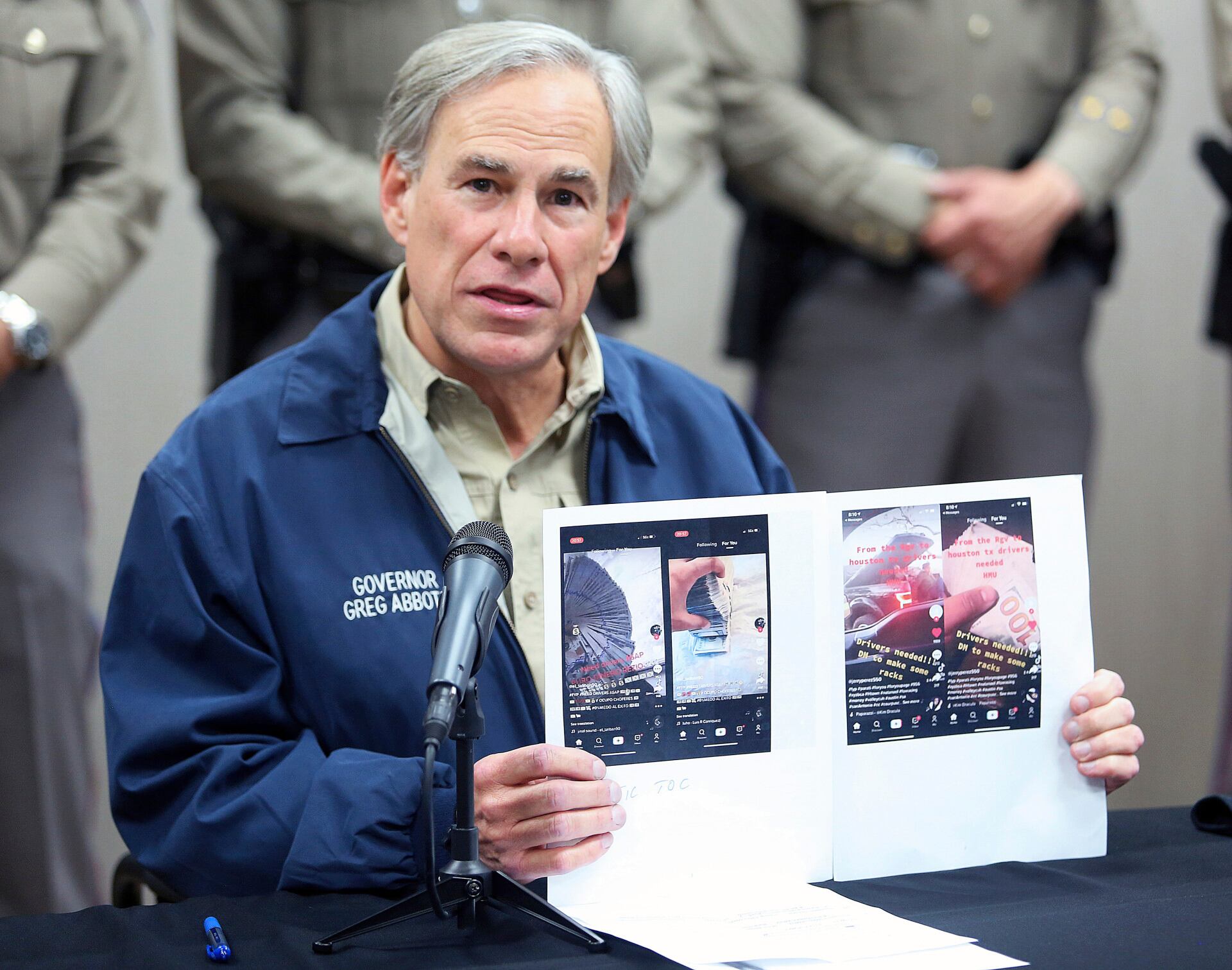
A First Amendment group sued Texas Governor Greg Abbott and others on Thursday over the state’s TikTok ban on official devices, arguing the prohibition – which extends to public universities – is unconstitutional and impedes academic freedom.
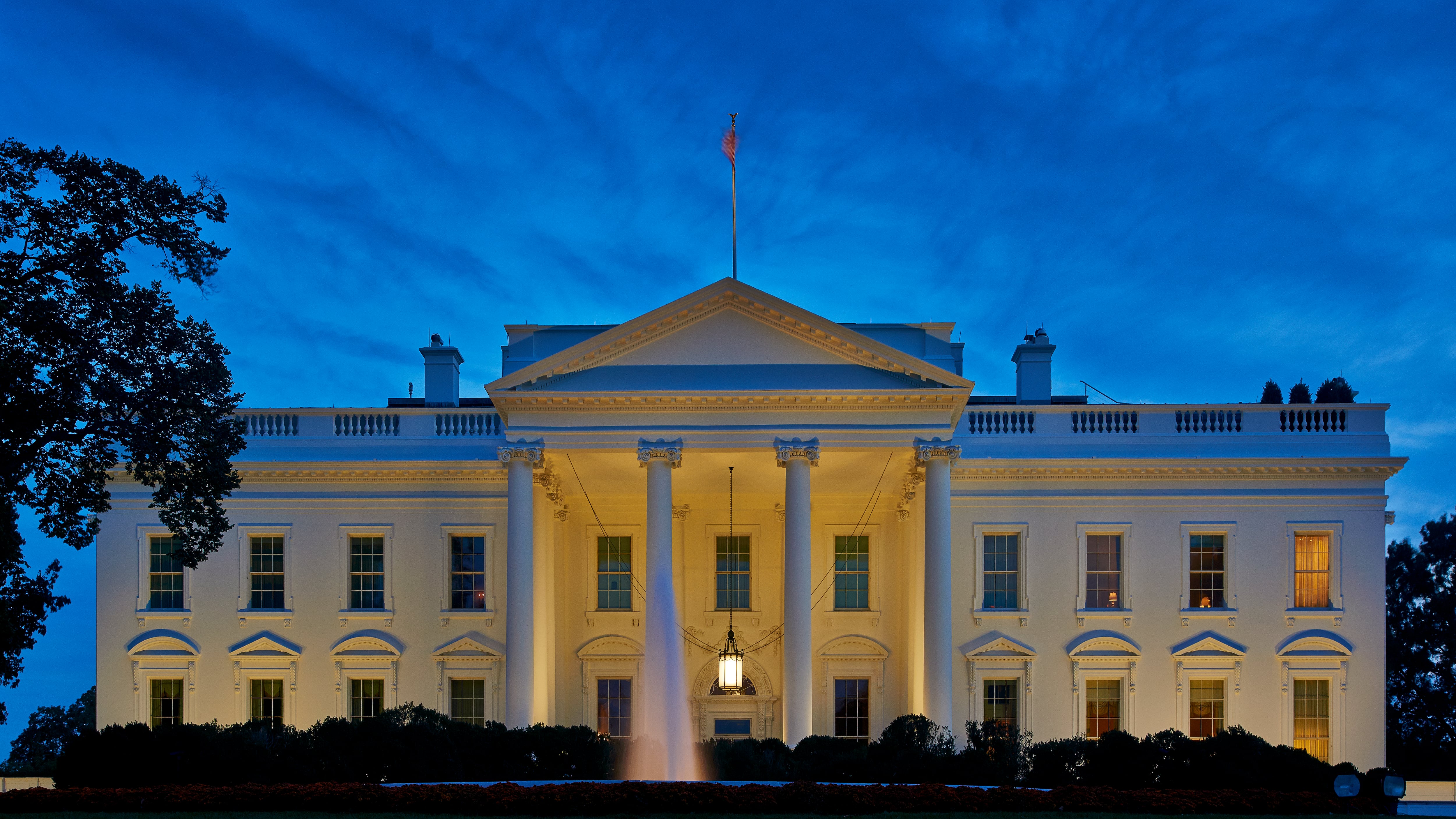
No fingerprints or DNA turned up on the baggie of cocaine found in a lobby at the White House last week despite a sophisticated FBI crime lab analysis, and surveillance footage of the area didn’t identify a suspect, according to a summary of the Secret Service investigation obtained by The Associated Press. There are no leads on who brought the drugs into the building.
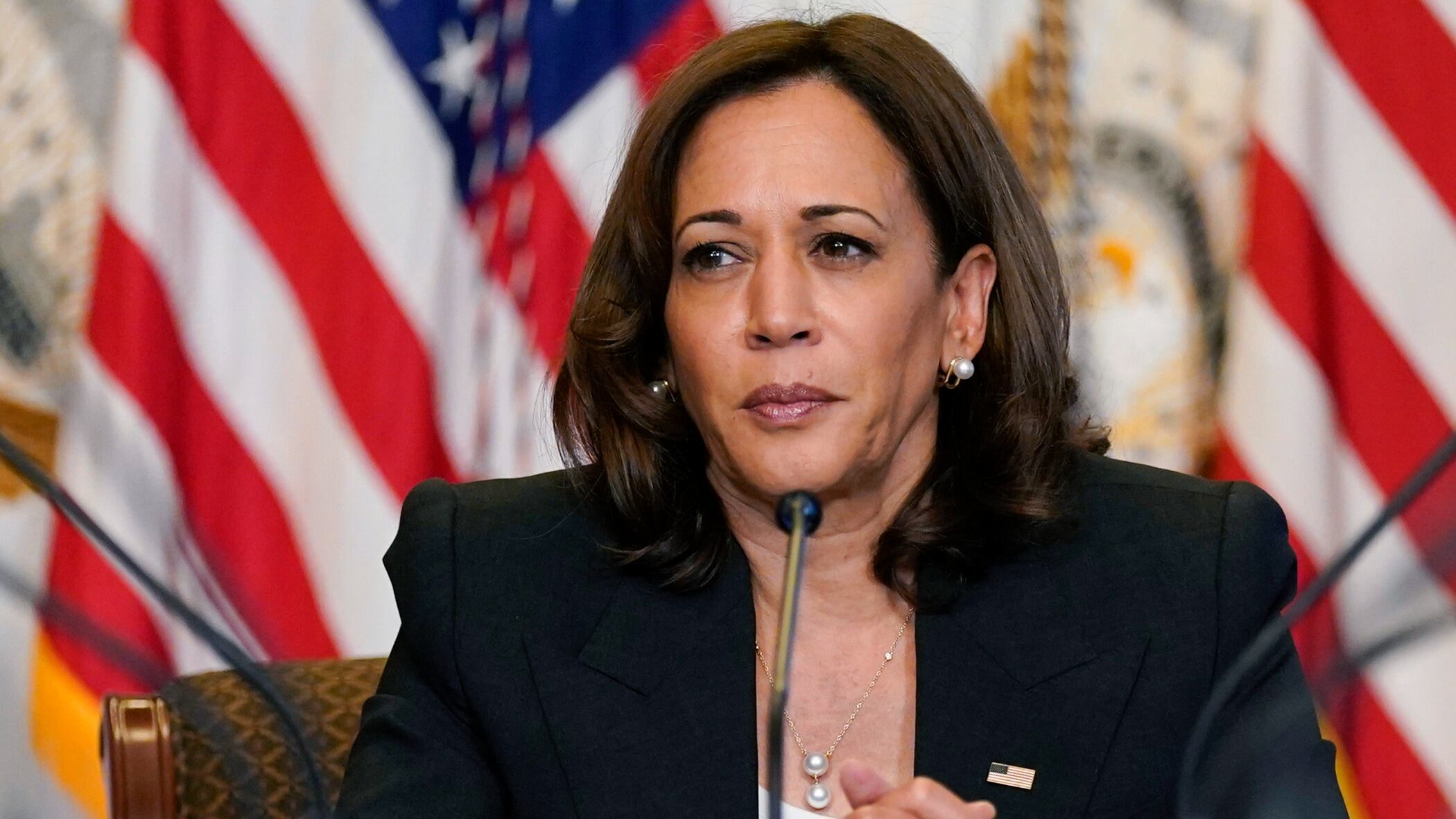
Kamala Harris, who made history as the first woman or person of color to serve as vice president, has made history again by matching the record for most tiebreaking votes in the Senate.
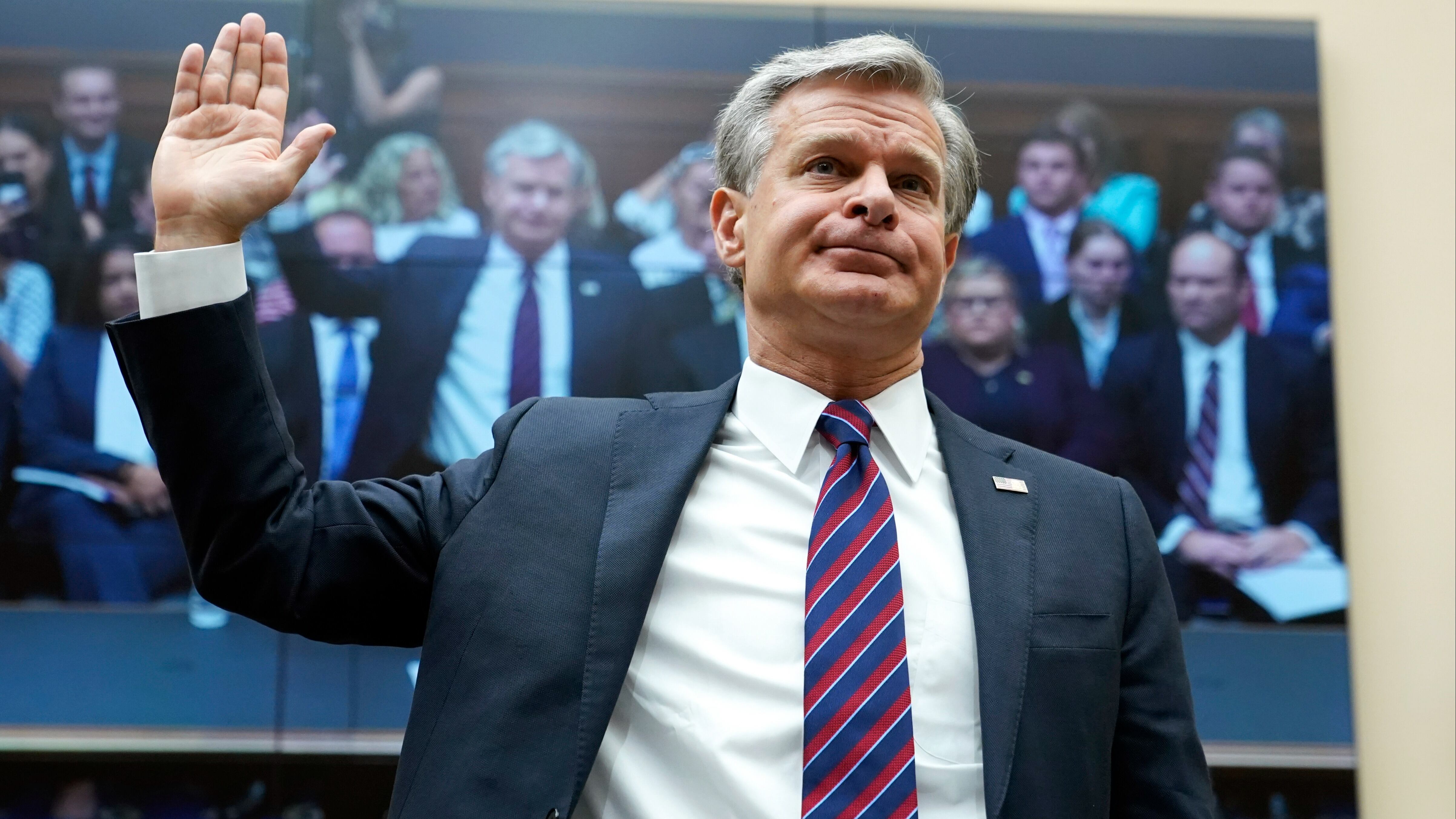
Republicans on the House Judiciary Committee accused the agency of targeting conservatives, suppressing evidence that Covid-19 came from a lab leak and abusing its surveillance powers.
The Biden administration calls it a “student loan safety net.” Opponents call it a backdoor attempt to make college free. And it could be the next battleground in the legal fight over student loan relief.
Nearly 30,000 people in Mississippi were dropped from the state's Medicaid program after an eligibility review that the government ended during the pandemic.