The Olympics draws millions of people around the globe but it also attracts a higher risk of a cybersecurity attack. Travis Farral, Director of Security Strategy at Anomali, joins Cheddar to discuss certain risks to athletes and tourists traveling to PyeongChang, South Korea.
He says the overall risk of a major cybersecurity attack is unlikely, but he's concerned about small attacks in the form of hacking email or personal information. The Russians have been banned from the Olympics following a doping scandal, so he suspects some hackers from Russia may try to interfere at one point or another.
Plus, Farral talks about how geopolitical tension could impact the Olympics. South Korea and North Korea are still at odds, so the idea of a nuclear missile being launched during the games wasn't out of the question.
Web browser Mozilla is investing $30 million into launching a startup, called Mozilla.ai, focused on building a "trustworthy, independent, and open-source AI ecosystem."
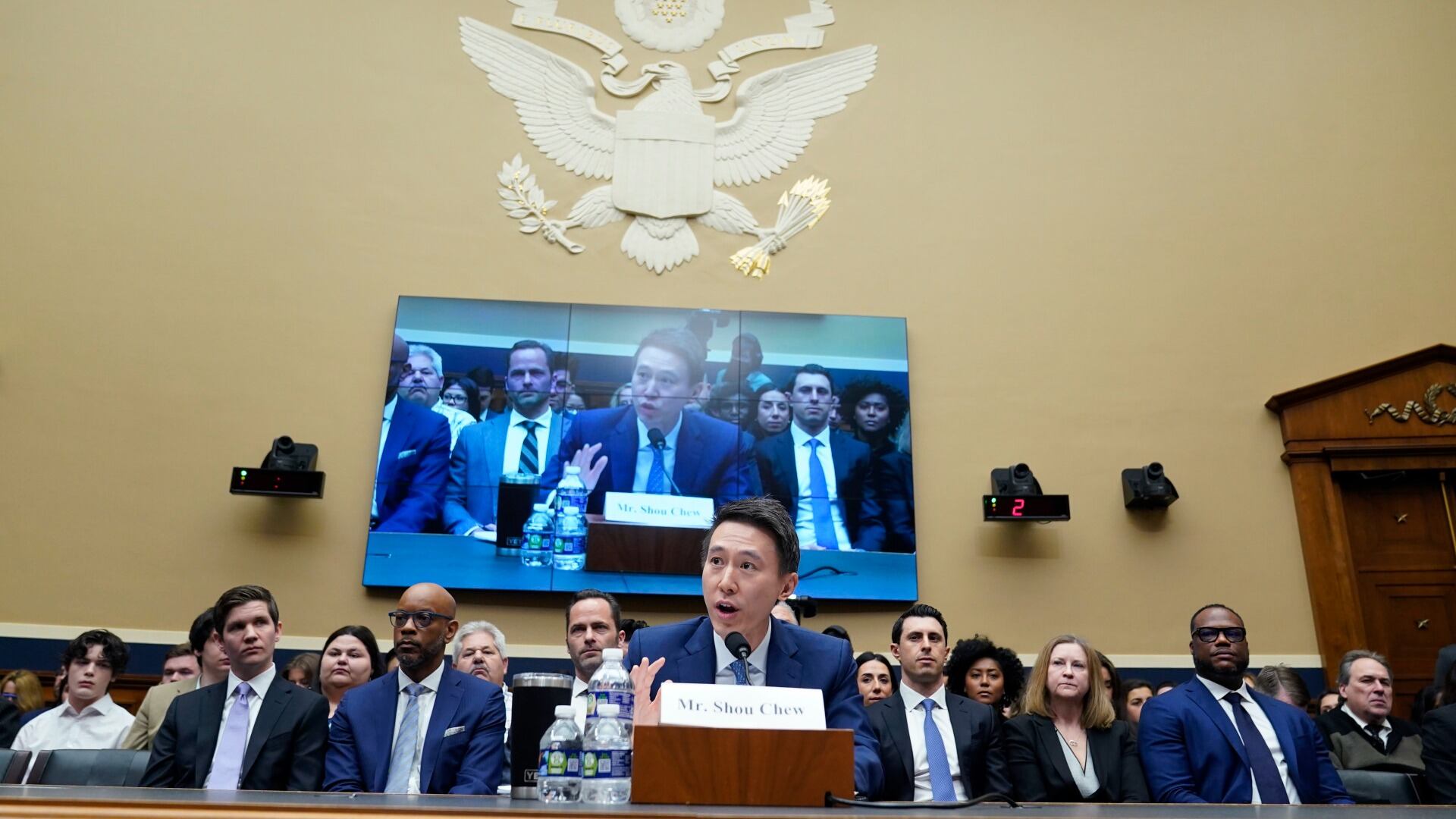
Lawmakers grilled TikTok CEO Shou Zi Chew on Thursday in a high-stakes hearing on the future of the popular, Chinese-owned video sharing platform in the U.S.
Riggs Eckelberry, CEO of OriginClear, which manufactures modular clean water systems, provided background on the water safety crisis in the U.S. He also provided best practices on how to test and filter water at home.
TikTok is banning deepfakes amid increasing pressure from the U.S. government over privacy and security concerns. CEO Shou Zi Chew announced the policy in a TikTok video on Tuesday two days ahead of his scheduled appearance before congress.
Language app Duolingo last week launched a new subscription tier, called Duolingo Max, that uses an artificially intelligent chatbot to provide more personalized feedback to learners.