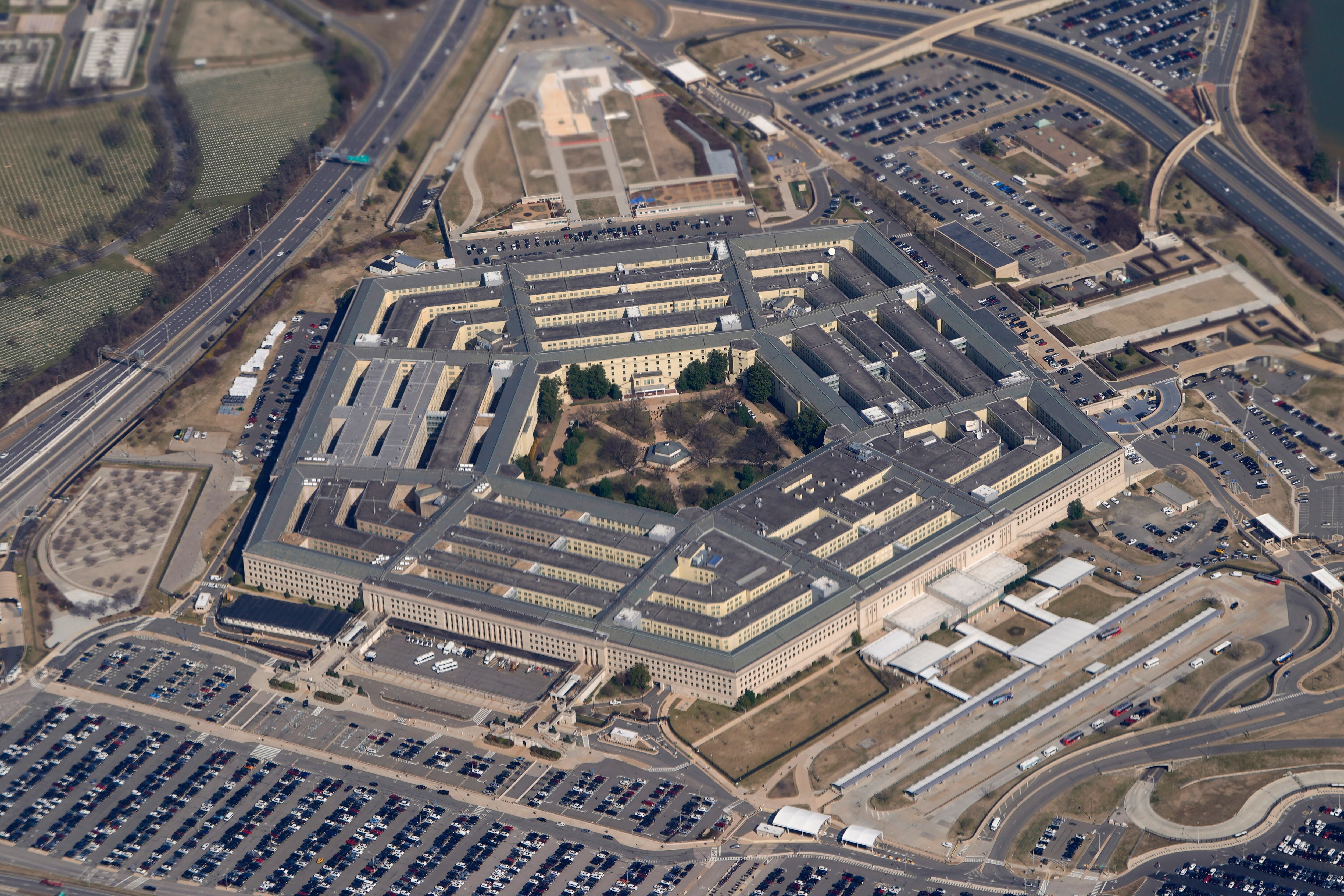
The COVID-19 pandemic forced units and offices throughout the Defense Department to stock up on a range of supplies, from disposable masks to gloves and disinfectant, all of which could be purchased with a government-issued credit card and paid off by the Pentagon.
But a DOD Inspector General review of more than 100,000 government purchase card transactions made from March 2020 to January 2022 reveals that roughly $54 million in purchases didn’t align with COVID-19 necessities.
That is nearly 40% of the $242 million spent on such needs, according to the IG report.
Another $52 million, in purchases wasn’t properly documented, and the IG was unable to verify what the cardholders actually bought.
“The audit determined that DOD [government purchase card] program officials did not conduct the required oversight to identify and correct improper or unsupported purchases by cardholders for the DOD’s response to COVID-19,” Robert Storch, the Pentagon’s inspector general, said in a Jan. 17 release accompanying the report.
The White House’s declaration of a national emergency freed up millions of dollars to be spent on pandemic response, but the IG’s report concluded that a large chunk of what DOD spent during that time was paid for with emergency funds despite the purchases having nothing to do with the pandemic.
In one example, an Army cardholder spent $2,000 on a plumber to investigate a sinkhole, then coded the purchase as “COVID-19.” The official who then signed off on the expense didn’t correct the coding.
In another, an Air Force cardholder spent $540 on internet service. When questioned, the command blamed “oversight error and high turnover rate at the location,” according to the report.
The erroneously coded transactions weren’t corrected, according to the report, because the officials charged with reviewing transactions didn’t do their jobs, despite existing guidelines requiring such reviews within 60 days.
“Addressing these issues is crucial to maintaining accountability, transparency, and the effective use of taxpayer resources in the response to COVID-19 and any future pandemics,” Storch said in the release.
When asked about their review practices, the Army said there was confusion about the requirements, the Navy gave conflicting versions of their practices and the Air Force said they aren’t required to document or report up the results of their reviews.
The head of Defense Pricing and Contracting agreed that $52 million had gone undocumented, but denied that the other $53 million was improperly spent.
“However, we concluded that the expenditure of funds were not necessary or reasonable for the intended and reported purpose (DoD’s COVID-19 response) and, therefore, met the definition of a questioned cost,” according to the report, adding that the official provide a response to the IG addressing the issue directly.
The IG recommended that the Government Purchase Card program not only “re-emphasize” the importance of documenting payment, but also create a process that will at least semiannually review purchases made in the name of a contingency operation, as well as create new oversight rules for the program in general.
As of the report’s release, Defense Pricing and Contracting has agreed to the recommendations, but hasn’t completed them.
A rare magnum of Dom Pérignon Vintage 1961 champagne that was specially produced for the 1981 wedding of Prince Charles and Lady Diana has failed to sell during an auction. Danish auction house Bruun Rasmussen handled the bidding Thursday. The auction's house website lists the bottle as not sold. It was expected to fetch up to around $93,000. It is one of 12 bottles made to celebrate the royal wedding. Little was revealed about the seller. The auction house says the bids did not receive the desired minimum price.
The New York Times and President Donald Trump are fighting again. The news outlet said Wednesday it won't be deterred by Trump's “false and inflammatory language” from writing about the 79-year-old president's health. The Times has done a handful of stories on that topic recently, including an opinion column that said Trump is “starting to give President Joe Biden vibes.” In a Truth Social post, Trump said it might be treasonous for outlets like the Times to do “FAKE” reports about his health and "we should do something about it.” The Republican president already has a pending lawsuit against the newspaper for its past reports on his finances.
OpenAI has appointed Slack CEO Denise Dresser as its first chief of revenue. Dresser will oversee global revenue strategy and help businesses integrate AI into daily operations. OpenAI CEO Sam Altman recently emphasized improving ChatGPT, which now has over 800 million weekly users. Despite its success, OpenAI faces competition from companies like Google and concerns about profitability. The company earns money from premium ChatGPT subscriptions but hasn't ventured into advertising. Altman had recently announced delays in developing new products like AI agents and a personal assistant.
President Donald Trump says he will allow Nvidia to sell its H200 computer chip used in the development of artificial intelligence to “approved customers” in China. Trump said Monday on his social media site that he had informed China’s leader Xi Jinping and “President Xi responded positively!” There had been concerns about allowing advanced computer chips into China as it could help them to compete against the U.S. in building out AI capabilities. But there has also been a desire to develop the AI ecosystem with American companies such as chipmaker Nvidia.
U.S. sports betting is booming as NFL and college football fuel massive activity. BetMGM CEO Adam Greenblatt breaks down trends, growth, and what’s next.
President Donald Trump says a deal struck by Netflix last week to buy Warner Bros. Discovery “could be a problem” because of the size of the combined market share. The Republican president says he will be involved in the decision about whether federal regulators should approve the deal. Trump commented Sunday when he was asked about the deal as he walked the red carpet at the Kennedy Center Honors. The $72 billion deal would bring together two of the biggest players in television and film and potentially reshape the entertainment industry.
Disney's changes to a program for disabled visitors are facing challenges in federal court and through a shareholder proposal. The Disability Access Service program, which allows disabled visitors to skip long lines, was overhauled last year. Disney now mostly limits the program to those with developmental disabilities like autism who have difficulty waiting in lines. The changes have sparked criticism from some disability advocates. A shareholder proposal submitted by disability advocates calls for an independent review of Disney's disability policies. Disney plans to block this proposal, claiming it's misleading. It's the latest struggle by Disney to accommodate disabled visitors while stopping past abuses by some theme park guests.